Bringing plants into your kitchen is one of the easiest ways to add life, color, and even flavor to the heart of your home. From fresh herbs you can snip straight into your recipes to decorative foliage that softens countertops and shelves, kitchen plants combine beauty with everyday usefulness. This complete guide covers everything you need to know about choosing, styling, and caring for kitchen plants.
Why Kitchens Are a Great Place for Plants
Kitchens often have excellent natural light from windows above sinks or near dining areas, along with consistent warmth from cooking activities. This combination of light and warmth makes kitchens surprisingly well-suited for a variety of plants, from culinary herbs to air-purifying greenery.
Benefits of Adding Plants to Your Kitchen
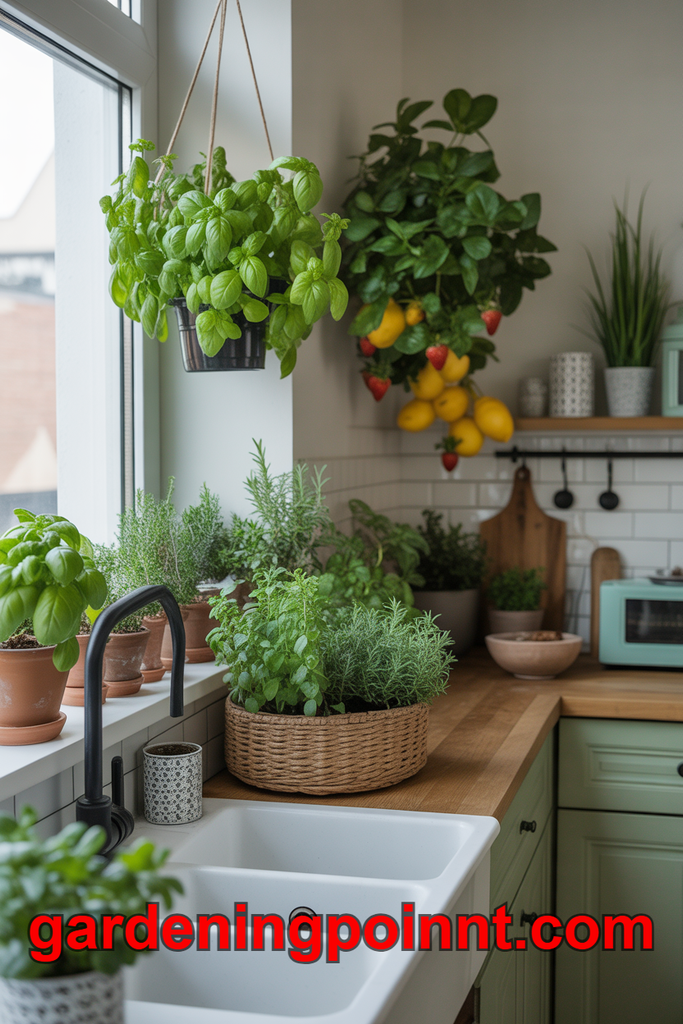
Kitchen plants offer more than just visual appeal:
- Fresh ingredients on demand: Herbs like basil and mint are ready to harvest whenever you cook.
- Improved air quality: Plants help filter out cooking odors and airborne particles.
- Reduced food waste: Growing your own herbs means you only use what you need.
- Enhanced ambiance: Greenery makes a kitchen feel warmer and more inviting.
- Cost savings: Growing herbs at home is far cheaper than buying fresh bunches repeatedly.
Understanding Your Kitchen’s Light Conditions
Before selecting plants, take note of your kitchen’s light exposure. South- or west-facing windows typically provide the most direct sunlight, ideal for sun-loving herbs, while north-facing windows offer softer, indirect light better suited for shade-tolerant foliage plants. If your kitchen lacks natural light altogether, a small grow light can make a significant difference.
Best Herbs to Grow in Your Kitchen
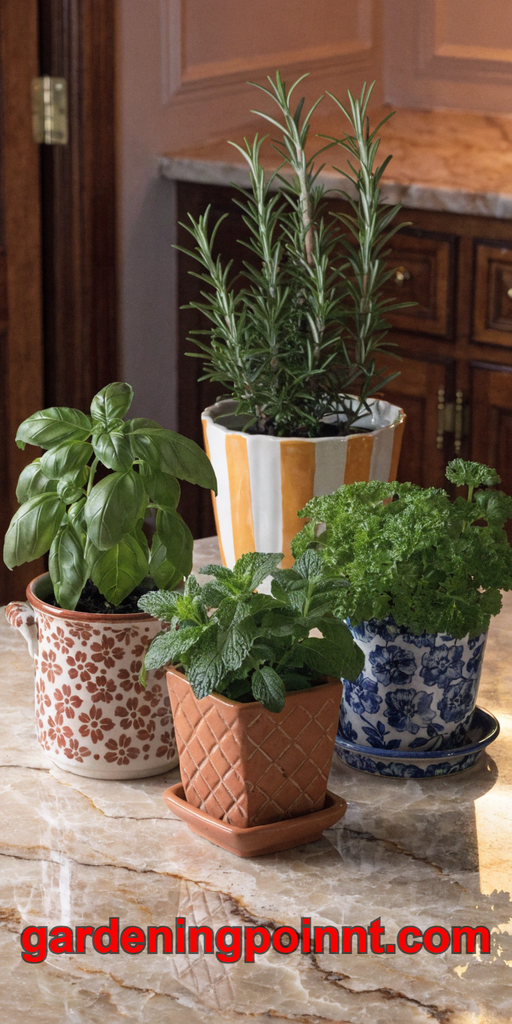
Culinary herbs are among the most popular kitchen plants because they’re both decorative and functional. Great options include:
- Basil
- Mint
- Parsley
- Chives
- Thyme
- Rosemary
- Cilantro
Most herbs need at least four to six hours of sunlight daily and consistent watering to stay productive.
Best Low-Light Plants for Kitchens Without Windows
Not every kitchen has abundant natural light, but that doesn’t mean you have to skip the greenery. These plants tolerate lower light conditions well:
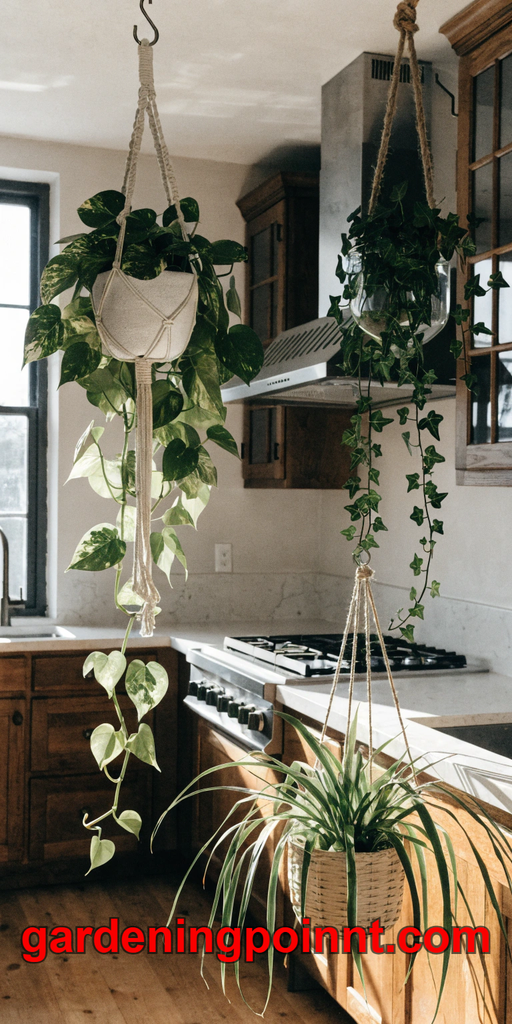
- Pothos
- Snake plant
- ZZ plant
- Philodendron
- Cast iron plant
These hardy species are ideal for kitchens with minimal window space or those relying primarily on artificial lighting.
Decorative Foliage Plants for Kitchen Counters and Shelves
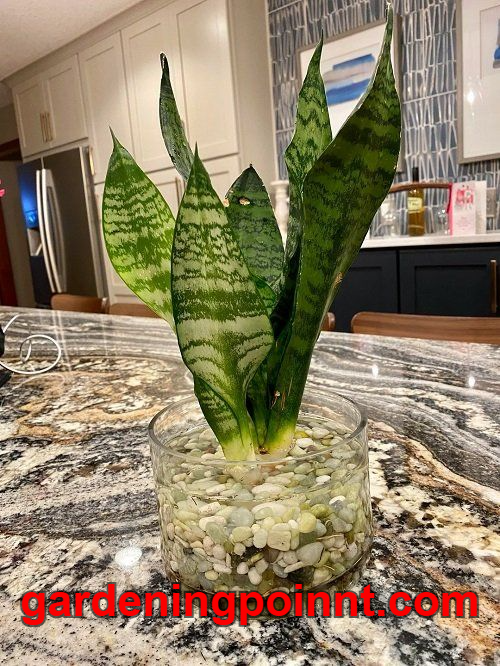
Beyond herbs, decorative foliage plants add texture and greenery to open shelving, countertops, or the top of cabinets. Compact varieties like pothos, spider plants, or small succulents fit neatly into tight kitchen spaces without interfering with food preparation areas.
Styling a Windowsill Herb Garden
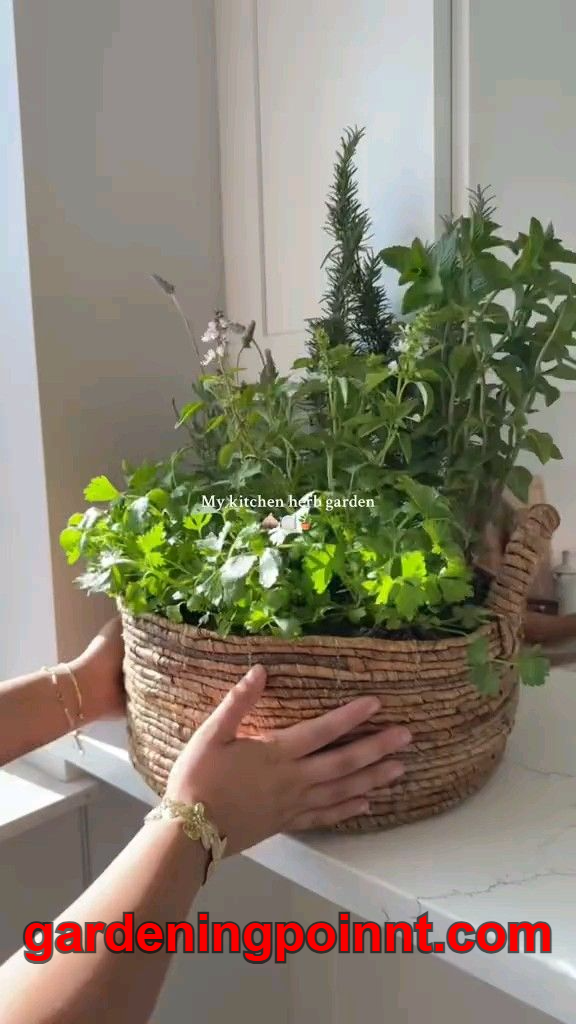
A windowsill herb garden is a classic and highly functional way to bring plants into your kitchen. Use matching pots or a designated planter box to line up your favorite herbs along a sunny window, keeping them within easy reach for cooking. Rotate the pots occasionally so all sides receive even sunlight.
Hanging Plants for Small Kitchen Spaces
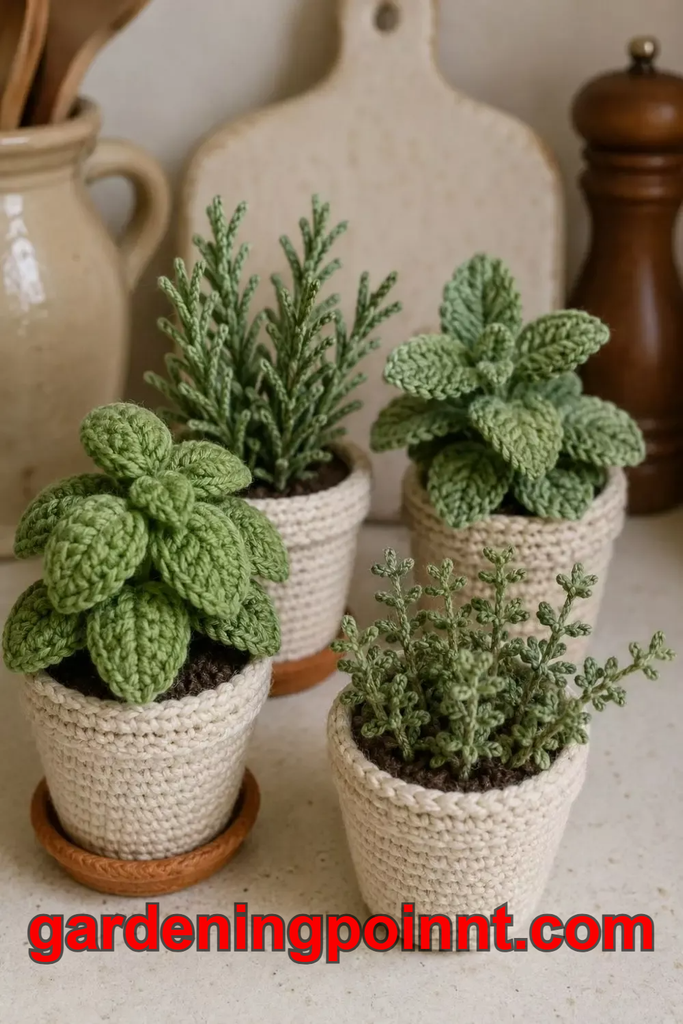
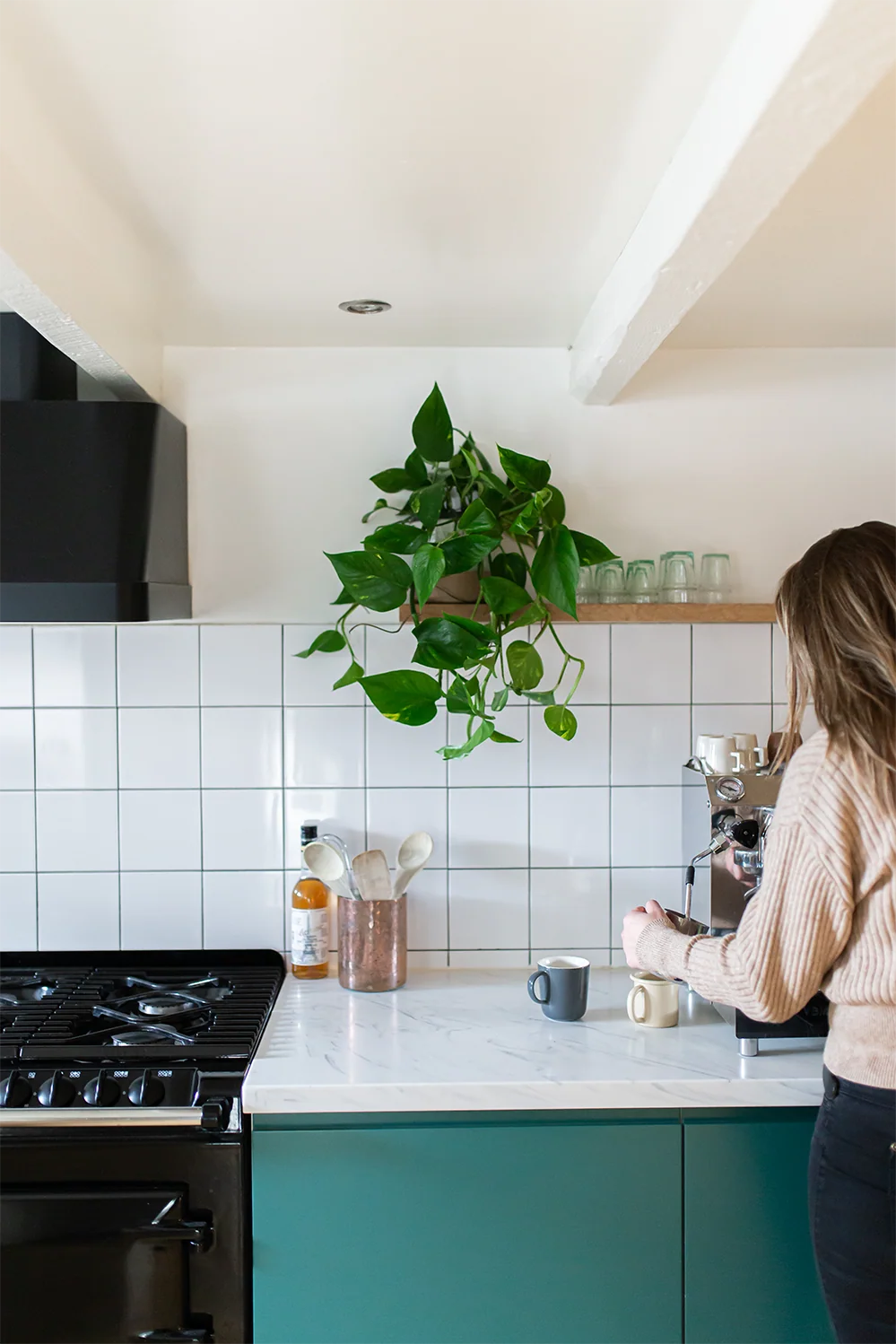
If counter space is limited, hanging planters are a smart alternative. Suspend trailing plants like pothos or string of pearls near a window using ceiling hooks or wall-mounted brackets, freeing up valuable workspace while still incorporating greenery into the room.
Using Vertical Space with Shelves and Plant Stands
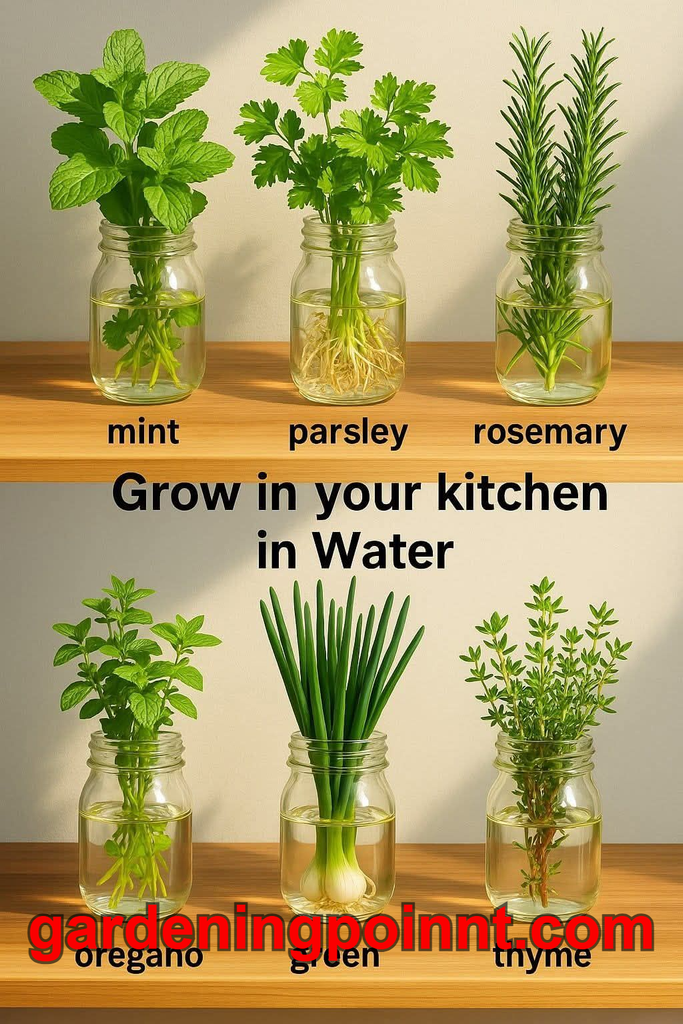
Vertical storage solutions like floating shelves, tiered plant stands, or wall-mounted planters allow you to maximize greenery without cluttering your food prep areas. This is especially useful in smaller kitchens where every inch of counter space matters.
Choosing the Right Planters for a Kitchen Environment
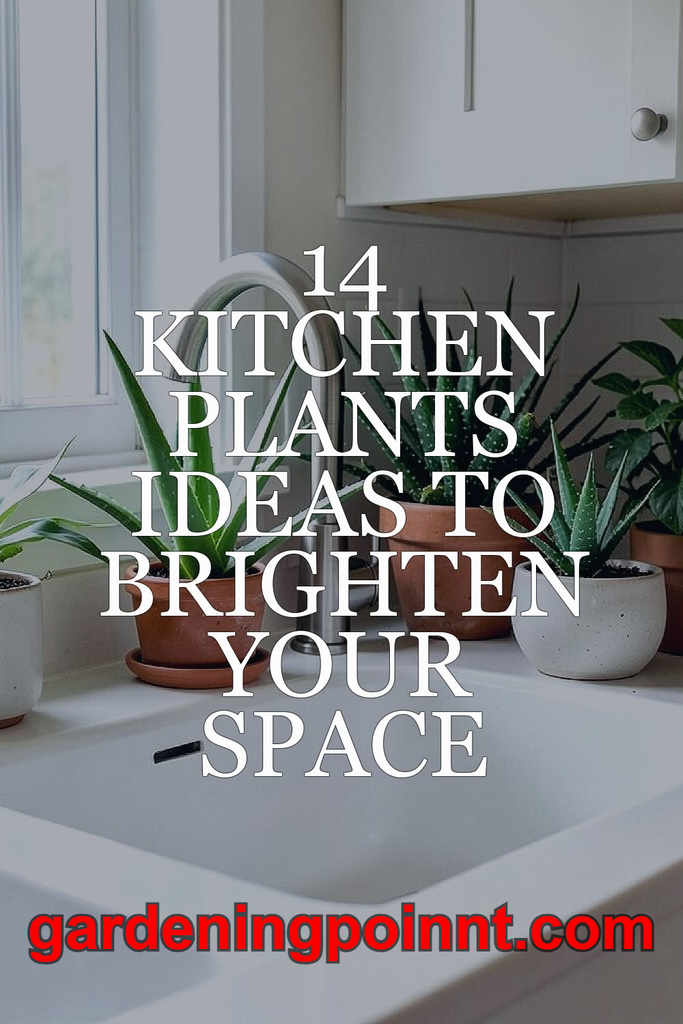
Kitchen plants benefit from planters that are both functional and moisture-resistant, given the humidity and occasional spills common in cooking spaces. Ceramic, terracotta, or glazed pots with drainage holes work well, and using a matching saucer prevents water damage to wooden countertops or shelving.
Incorporating Plants into Different Kitchen Styles
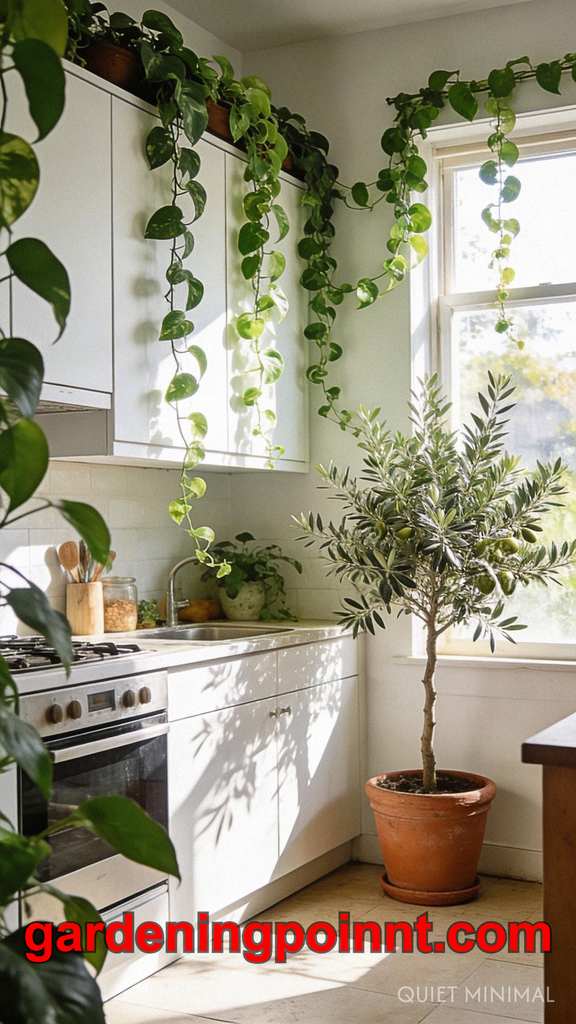
Plants can be tailored to complement nearly any kitchen aesthetic:
- Farmhouse: Herbs in galvanized metal buckets or mason jars.
- Modern minimalist: Sleek pothos or snake plants in white ceramic pots.
- Rustic: Terracotta pots with trailing greenery on open wood shelves.
- Scandinavian: Simple wooden plant stands paired with soft green foliage.
Growing a Kitchen Herb Garden Hydroponically
For those without much windowsill space or natural light, hydroponic herb gardens offer a soil-free, low-maintenance alternative. These compact systems typically include built-in grow lights and water reservoirs, making it possible to grow fresh herbs year-round regardless of your kitchen’s natural conditions.
Watering and Care Tips for Kitchen Plants
Kitchen plants, especially herbs, generally need more frequent watering than typical houseplants due to their smaller pots and active growth cycles. Check soil moisture every day or two, and water thoroughly when the top inch feels dry. Avoid overwatering, which can lead to root rot, particularly in pots without adequate drainage.
Keeping Plants Safe from Heat and Cooking Fumes
While kitchens offer warmth that many plants enjoy, it’s important to keep them a safe distance from stovetops, ovens, and other heat sources that can scorch leaves or dry out soil too quickly. Similarly, some plants are sensitive to smoke or strong cooking fumes, so placing them near a window with good ventilation is ideal.
Combining Plants with Other Kitchen Decor Elements
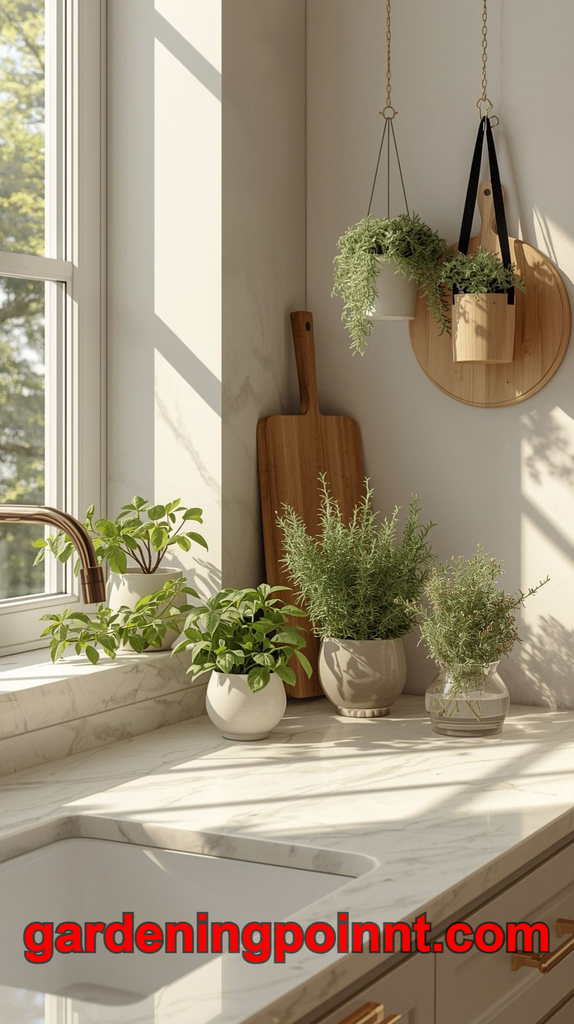
Plants pair beautifully with other natural materials commonly found in kitchens, such as wood cutting boards, woven baskets, and ceramic dishware. Grouping your plants near these elements creates a cohesive, organic look that ties the whole room together.
Seasonal Kitchen Plant Ideas
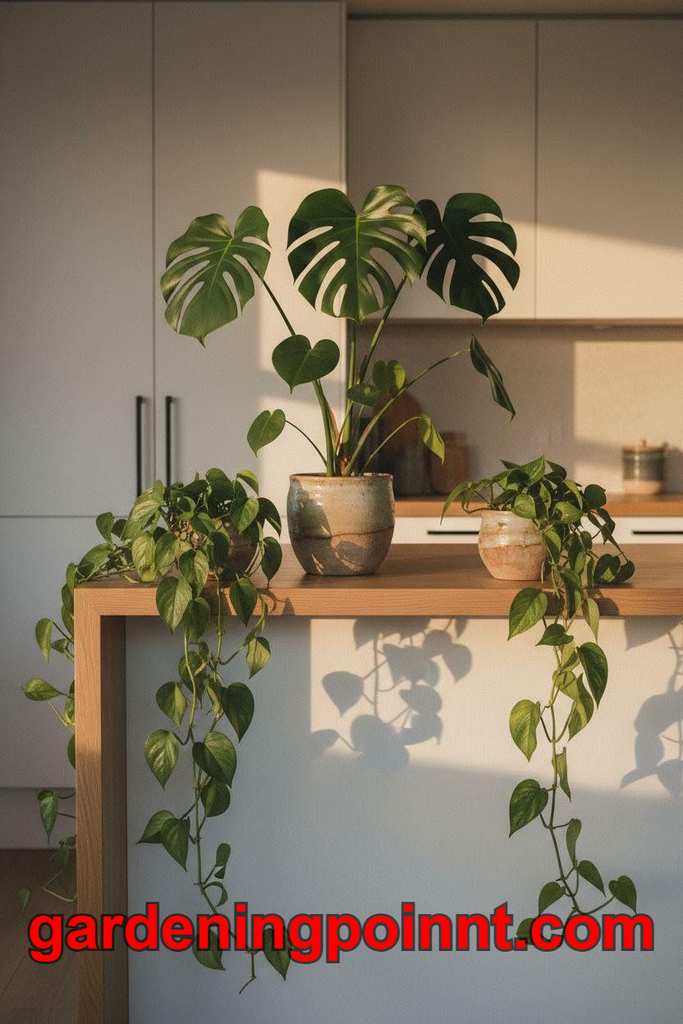
Refreshing your kitchen plants seasonally keeps the space feeling current and functional. In spring and summer, focus on fast-growing herbs like basil and cilantro that thrive in warm weather, while in fall and winter, hardier herbs like rosemary and thyme or low-light foliage plants take center stage.
Common Mistakes to Avoid with Kitchen Plants
Even enthusiastic plant owners can run into issues. Avoid these common mistakes:
- Placing herbs too far from a light source, leading to leggy growth
- Overwatering plants in pots without drainage holes
- Positioning plants too close to stovetops or heat vents
- Overcrowding small kitchens with too many large plants
- Forgetting to harvest herbs regularly, which can cause them to become woody
Frequently Asked Questions
What is the easiest herb to grow in a kitchen? Mint and basil are among the easiest herbs for beginners, growing quickly with minimal care.
Can I grow kitchen plants without a window? Yes, using a small grow light allows you to successfully grow herbs and low-light foliage plants even without natural sunlight.
How often should I water kitchen herbs? Most herbs need watering every one to two days, depending on pot size and indoor humidity levels.
Are there any plants I should avoid in the kitchen? Avoid toxic plants if you have pets or young children frequently in the kitchen, and always research a plant’s safety before placing it near food prep areas.
Conclusion
Kitchen plants bring together beauty and practicality, transforming your cooking space into a fresh, vibrant environment while providing herbs you can use in your everyday meals. By understanding your kitchen’s light conditions, choosing the right herbs and foliage plants, and following proper care and styling tips, you can create a green, functional kitchen that enhances both your cooking and your home’s overall atmosphere.