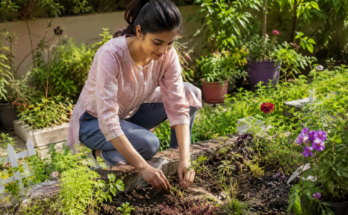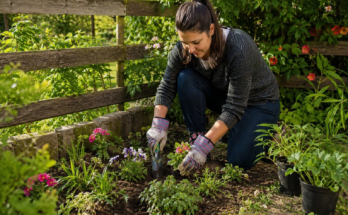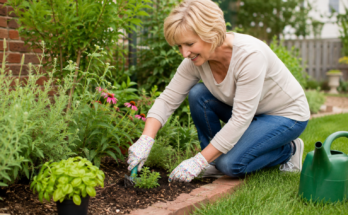
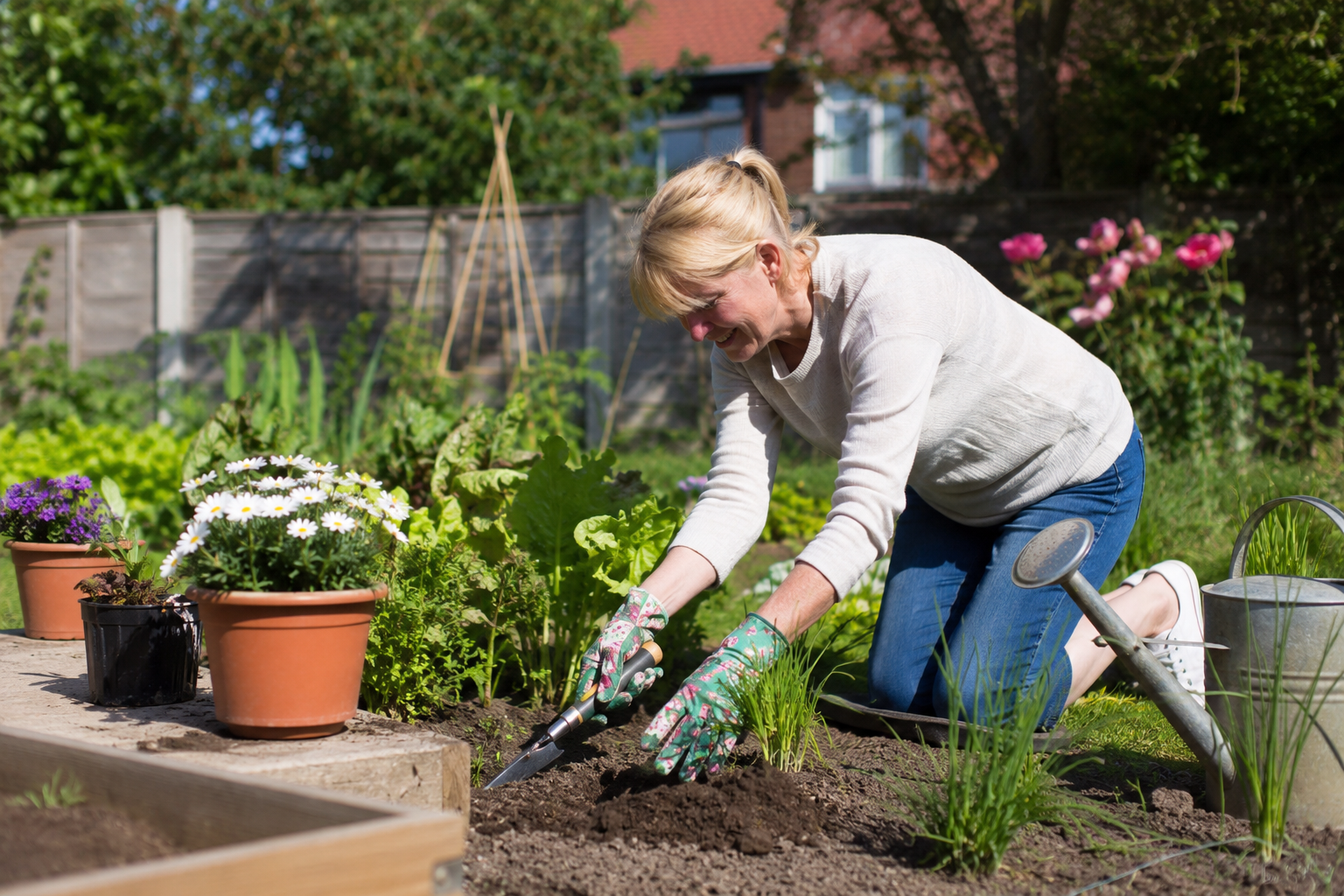
Gardening is often seen as a relaxing hobby that helps make homes and outdoor spaces more beautiful. However, gardening can also be a simple and enjoyable way to improve physical fitness. From digging soil to planting flowers, carrying pots, pulling weeds, and watering plants, many gardening activities require regular movement. Spending time in the garden can help people stay active without feeling like they are following a traditional exercise routine.
For people who do not enjoy going to the gym, gardening can be an excellent alternative. It allows the body to move naturally while completing useful tasks. Regular gardening can support strength, flexibility, balance, endurance, and overall physical health. This makes gardening a healthy hobby for people of different ages and fitness levels.
Gardening Provides Full Body Movement
One of the main benefits of gardening for physical fitness is that it keeps the whole body moving. Gardening involves many different activities, and each activity uses different muscles. Digging, planting, lifting, bending, stretching, and walking around the garden can provide a surprisingly active workout.
For example, digging soil requires the use of the arms, shoulders, back, and legs. Carrying bags of soil or moving plant pots can also challenge the muscles. Even simple activities such as watering plants or walking between different areas of the garden add movement to the day.
Unlike sitting for long periods, gardening encourages people to stay physically active. Regular movement throughout the day can be an important part of maintaining a healthy lifestyle.
Gardening Can Build Muscle Strength
Gardening can help improve muscle strength because many gardening tasks involve resistance. Lifting a watering can, carrying gardening tools, moving soil, or digging hard ground can make muscles work harder.
The legs and core are also involved in many gardening activities. Squatting down to plant seeds, standing up repeatedly, and carrying items around the garden can strengthen the lower body. When these activities are performed regularly, they can help improve functional strength.
Functional strength is useful because it supports everyday activities outside the garden. Stronger muscles can make tasks such as carrying groceries, climbing stairs, or lifting household items easier.
Gardening Supports Flexibility
Flexibility is another important part of physical fitness, and gardening naturally involves many stretching movements. Reaching for plants, bending toward the soil, stretching the arms, and moving around garden spaces can encourage a wider range of motion.
Regular movement can help prevent the body from becoming stiff due to long periods of sitting. Gardening also encourages people to change positions frequently. Instead of remaining in one position for hours, gardeners may walk, bend, kneel, stand, and stretch throughout their gardening session.
However, it is important to use proper body movements. Bending the knees when lifting heavy objects and avoiding sudden movements can help reduce unnecessary strain.
Gardening Can Improve Cardiovascular Fitness
Gardening may also contribute to better cardiovascular fitness. Activities such as digging, mowing, raking, carrying materials, and walking around a larger garden can increase the heart rate.
The intensity of gardening depends on the activity and the amount of effort involved. Light gardening may provide gentle movement, while heavier tasks can feel more like moderate physical exercise.
Spending regular time doing active gardening tasks can therefore help people increase their daily physical activity. When combined with other healthy habits, this movement can support overall heart and body health.
Gardening Helps Burn Calories
Another benefit of gardening for physical fitness is that it can help the body use energy. Gardening is not always an intense workout, but many activities require continuous movement and effort.
Digging, raking, planting, carrying soil, mowing grass, and removing weeds can all require physical energy. The number of calories a person uses depends on factors such as body size, activity level, gardening task, and how long the activity continues.
The important point is that gardening can turn free time into active time. Instead of spending an entire afternoon sitting indoors, a person can spend that time moving and working in the garden.
Gardening Can Improve Balance and Coordination
Gardening also provides opportunities to improve balance and coordination. Walking across different surfaces, stepping around plants, kneeling, standing, and carrying gardening tools require the body to coordinate different movements.
Activities that involve reaching, bending, and changing direction can challenge balance in a natural way. Good balance is especially important as people get older because it can support independence and confidence during everyday activities.
Gardening should always be done in a safe environment. Clear pathways and suitable footwear can make outdoor activities more comfortable and reduce the risk of accidents.
Gardening Encourages Regular Physical Activity
One of the biggest challenges with exercise is maintaining a regular routine. Some people start an exercise program with motivation but stop after a short time because they find it boring or difficult.
Gardening can be different because it has a clear purpose. People are not simply exercising. They are growing plants, improving their outdoor space, or producing fresh food. This sense of purpose can make physical activity feel more enjoyable.
When people enjoy an activity, they may be more likely to continue doing it. Regular gardening can therefore become a natural part of an active lifestyle.
Gardening Can Support Healthy Weight Management
Maintaining a healthy weight generally involves a combination of balanced eating habits and regular physical activity. Gardening can contribute to the physical activity side of this equation.
Moving around the garden, lifting, digging, planting, and completing other tasks can help increase daily energy expenditure. Gardening can be especially useful for people who prefer practical activities over formal workouts.
Growing vegetables and herbs can also encourage healthier eating habits. When people grow their own food, they may become more interested in adding fresh vegetables, herbs, and fruits to their meals. This combination of physical activity and healthy food choices can support a healthier lifestyle.
Gardening Can Be Suitable for Different Fitness Levels
Another advantage of gardening is that it can be adapted to different physical abilities. A beginner does not need to spend several hours doing heavy gardening work. They can start with simple activities such as watering plants, planting seeds, or removing small weeds.
As fitness improves, a person can gradually include more demanding tasks. For example, they might spend more time digging, raking, carrying soil, or preparing garden beds.
Older adults can also modify gardening tasks according to their comfort level. Using raised garden beds, lightweight tools, and comfortable seating can make gardening easier while still allowing people to stay active.
Gardening Makes Exercise More Enjoyable
Many people avoid exercise because they think it has to happen in a gym or involve repetitive workouts. Gardening offers a different approach. It combines movement with nature, creativity, and a sense of achievement.
There is satisfaction in seeing seeds grow into plants and watching a garden become healthier over time. This emotional reward can make physical activity more enjoyable.
Gardening can also be a social activity. Friends and family members can work together, share gardening responsibilities, and spend time outdoors. This can make an active lifestyle feel more positive and engaging.
Tips for Using Gardening as Physical Exercise
To get more physical fitness benefits from gardening, it is helpful to stay active throughout the session. Start with light movements and gradually increase the intensity. A short warm up can also prepare the muscles before heavier tasks.
Use proper lifting techniques when moving soil, pots, or other heavy objects. Keep the back in a comfortable position and use the legs when lifting. Take regular breaks, especially during hot weather, and drink enough water.
It is also useful to change tasks regularly. Spending too much time repeatedly using the same movement may place stress on certain muscles. Alternating between planting, walking, watering, raking, and other activities can create more balanced movement.
Conclusion
Gardening can be much more than a way to grow beautiful plants. It can be an enjoyable form of physical activity that supports strength, flexibility, balance, endurance, and healthy weight management. Digging, planting, walking, lifting, stretching, and other gardening tasks keep the body active while providing a useful purpose.
The greatest benefit of gardening for physical fitness is that it does not have to feel like exercise. People can stay active while caring for plants, improving their outdoor space, or growing fresh food. With regular participation and safe gardening habits, this simple hobby can become an effective part of a healthy lifestyle.
For anyone looking for a practical and enjoyable way to increase daily physical activity, gardening is a great option. It allows people to move their bodies, spend time outdoors, and enjoy the satisfaction of creating something healthy and beautiful.