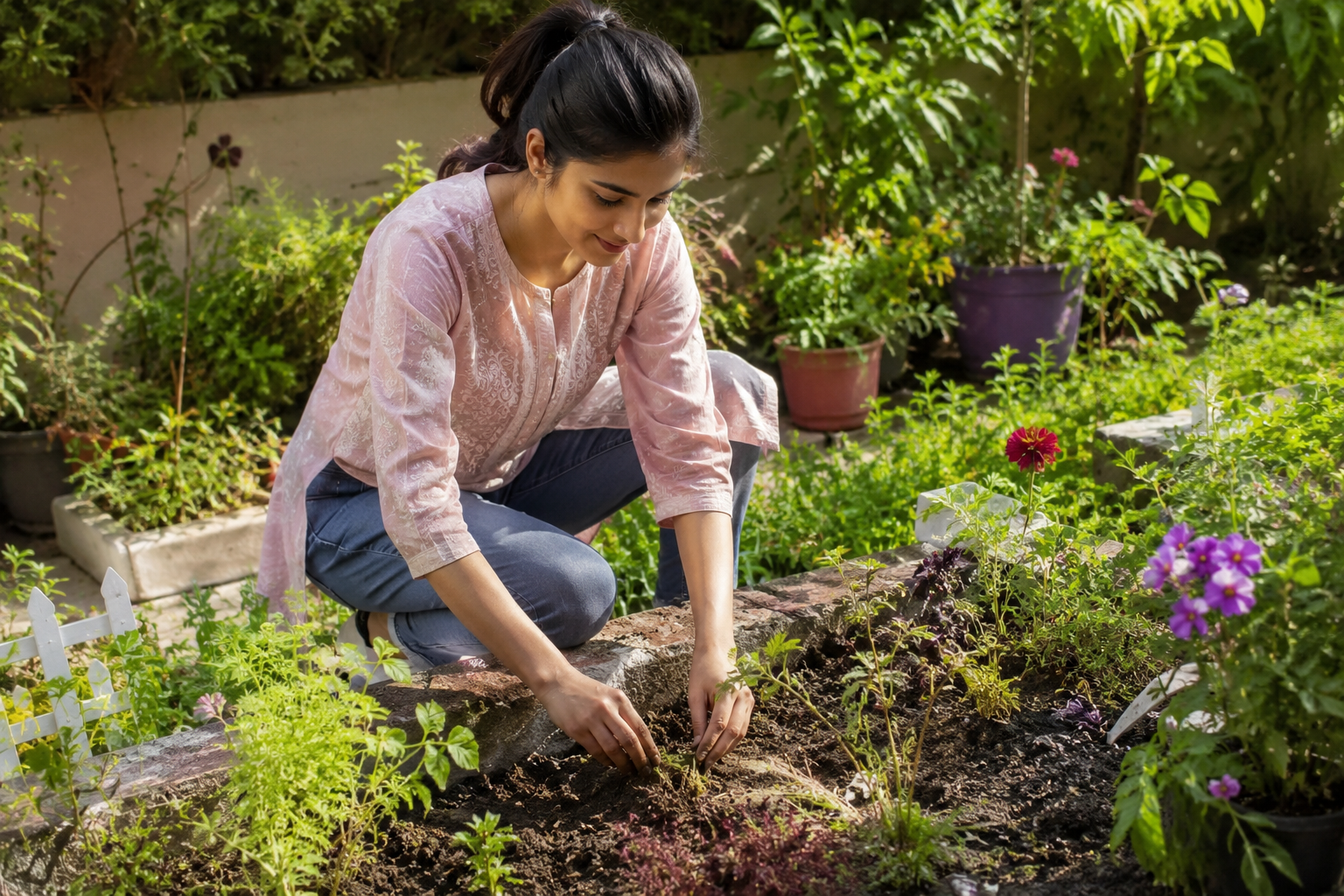
Gardening is more than planting seeds, watering plants, and watching flowers grow. It is a simple hobby that can have a positive effect on many areas of life. Spending time in a garden gives people an opportunity to slow down, connect with nature, learn new skills, and develop better habits. For anyone looking for a hobby that supports personal growth, gardening can be an excellent choice.
Personal growth means becoming better, stronger, more patient, and more confident over time. Gardening naturally teaches many of these qualities because plants need regular care and attention. The results are not always immediate, so gardeners learn to enjoy the process instead of expecting quick rewards. From building patience to improving responsibility, gardening can help people grow both personally and practically.
Gardening Teaches Patience
One of the biggest lessons gardening provides is patience. Plants do not grow overnight. A seed needs the right soil, water, sunlight, and time before it becomes a healthy plant. Even when a gardener takes good care of a garden, growth happens according to nature’s schedule.
This teaches an important lesson about personal development. Many goals in life also require time and consistent effort. Whether someone wants to improve their skills, build a career, or develop healthier habits, progress may be slow at first. Gardening helps people understand that good results often come from small actions repeated over time.
Gardening Builds Responsibility
Taking care of plants requires responsibility. Plants depend on regular watering, proper sunlight, healthy soil, and protection from pests. If a gardener ignores these needs for too long, the plants may become weak or stop growing properly.
This daily responsibility can improve personal discipline. Gardeners learn to create routines and complete simple tasks even when they do not feel motivated. These habits can also be useful in other parts of life. A person who becomes responsible for a garden may find it easier to manage household tasks, work responsibilities, and personal goals.
Gardening Improves Self Confidence
Gardening can also help improve self confidence. Growing a plant from a small seed into a healthy vegetable, herb, or flower gives a person a clear sense of achievement. The gardener can see the direct result of their effort.
This feeling can be especially valuable for beginners. When someone successfully grows their first tomato plant, flowers, or herbs, they realize that they are capable of learning something new. Each successful gardening project can encourage them to take on bigger challenges.
Personal growth often begins when people believe they can improve. Gardening provides regular opportunities to experience success and build confidence through practical achievements.
Gardening Encourages Learning
A garden is like a small classroom. There is always something new to learn about plants, soil, watering, sunlight, compost, insects, and seasonal changes. Beginners may start with basic knowledge and gradually develop a deeper understanding of gardening.
This continuous learning keeps the mind active. Gardeners often research different plants, experiment with growing methods, and observe how their garden responds to changing conditions. This habit of learning can encourage curiosity and make people more comfortable with trying new things.
Learning through gardening is also practical because mistakes can become useful lessons. If a plant does not grow well, the gardener can think about what went wrong and try a different approach next time.
Gardening Develops Problem Solving Skills
Every garden has challenges. Plants may receive too much water, soil may not have enough nutrients, insects may damage leaves, or extreme weather may affect growth. Gardeners must identify problems and find suitable solutions.
This develops problem solving skills in a natural way. Instead of giving up when something goes wrong, gardeners learn to observe the situation, understand the cause, and make changes.
These skills are useful beyond gardening. Life often presents unexpected problems, and people need to remain calm while looking for practical solutions. Gardening provides regular practice in dealing with challenges and learning from mistakes.
Gardening Helps Create Healthy Routines
A successful garden usually requires regular care. Watering plants, removing weeds, checking leaves, and harvesting produce can become part of a daily or weekly routine. These simple activities encourage consistency.
Healthy routines are important for personal growth because they help people become more organized. Gardening can also motivate people to spend more time outdoors and move their bodies through activities such as digging, planting, carrying soil, and caring for plants.
Creating a routine around gardening can make free time more meaningful. Instead of spending every spare moment on screens, people can use some of their time to work on something productive and enjoyable.
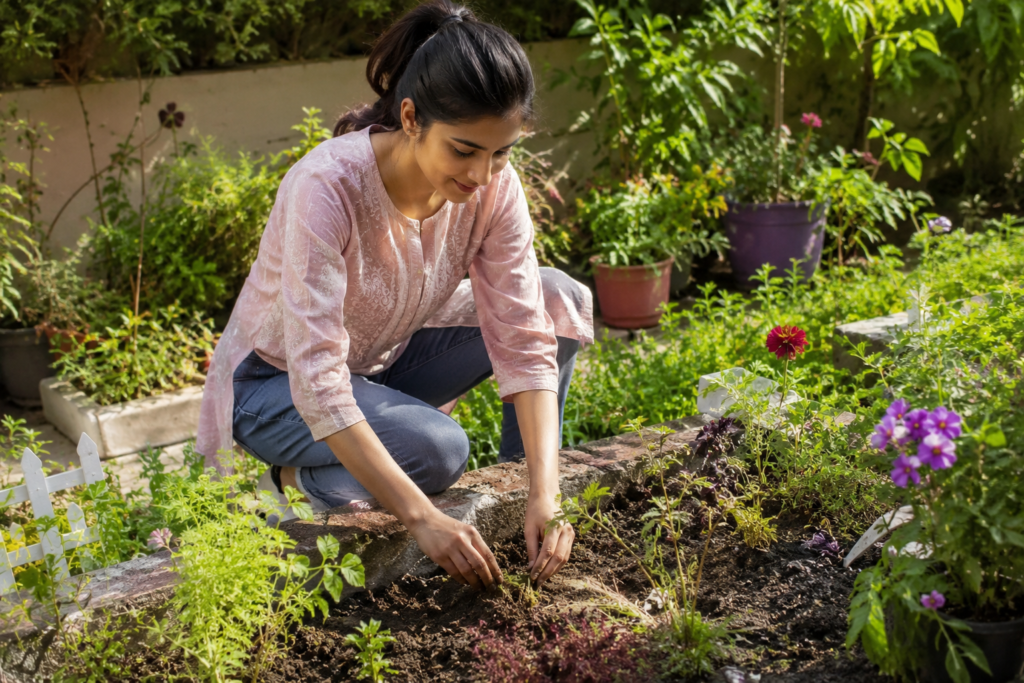
Gardening Connects People With Nature
Modern life can keep people indoors for long periods. Gardening provides a simple way to reconnect with nature. Touching soil, watching plants grow, listening to birds, and observing changes in the seasons can make everyday life feel more connected to the natural world.
This connection can encourage a greater appreciation for the environment. Gardeners begin to notice how sunlight, rain, soil, insects, and temperature affect plant growth. They may also become more interested in protecting natural resources and creating healthier outdoor spaces.
A stronger connection with nature can influence personal values and encourage more thoughtful choices in everyday life.
Gardening Encourages Creativity
Gardening is not only practical. It can also be creative. Gardeners can choose different flowers, arrange plants in attractive patterns, create container gardens, or design spaces according to their personal style.
Creative gardening allows people to express themselves. There is no single correct way to create a beautiful garden. Someone may prefer colorful flowers while another person may enjoy growing vegetables and herbs.
Creative hobbies can help people discover interests and develop new abilities. Gardening gives individuals the freedom to experiment and create something that reflects their personality.
Gardening Teaches Acceptance of Mistakes
Not every gardening project will be successful. Sometimes seeds fail to grow, plants become damaged, or a harvest is smaller than expected. These experiences can teach an important personal growth lesson: mistakes are part of learning.
Gardeners learn that failure does not always mean they have done something wrong. Nature can be unpredictable, and even experienced gardeners face problems. The important thing is to learn from the experience and try again.
This mindset can make people more comfortable with mistakes in other areas of life. Instead of seeing failure as the end, they can see it as an opportunity to learn and improve.
Gardening Can Strengthen Time Management
Gardening involves many tasks that need to be completed at the right time. Seeds may need to be planted during a particular season, plants may require regular watering, and vegetables should be harvested when they are ready.
Managing these tasks can improve time management skills. Gardeners learn to plan ahead and organize their activities. Even a small home garden can teach the importance of timing and consistency.
These skills can be transferred to work, education, family responsibilities, and personal projects. Good time management often develops through simple daily practices, and gardening provides an enjoyable way to practice them.
Gardening Provides a Sense of Purpose
Having something to care for can give people a sense of purpose. Plants depend on regular attention, and seeing them become healthier can create a rewarding feeling.
For many people, gardening becomes a meaningful part of their routine. They have a reason to go outside, care for their plants, and look forward to new growth. This sense of purpose can make ordinary days feel more productive.
Personal growth is not always about achieving huge goals. Sometimes it comes from having small responsibilities that make life feel meaningful. Gardening offers exactly this type of experience.
Gardening Encourages a Growth Mindset
Perhaps the most important connection between gardening and personal growth is the idea of a growth mindset. A garden shows that improvement happens gradually. With the right conditions, care, and time, a small seed can become a strong plant.
People can think about themselves in the same way. Skills and abilities can develop through practice and effort. Someone who knows very little about gardening can become an experienced gardener by learning step by step.
This perspective can encourage people to be more patient with themselves. Personal development takes time, just like growing a garden.
Conclusion
Gardening is a good hobby for personal growth because it teaches patience, responsibility, confidence, creativity, problem solving, and consistency. It encourages people to learn from mistakes, create healthy routines, connect with nature, and appreciate gradual progress.
The beauty of gardening is that anyone can start with a small space and simple plants. You do not need a large yard or advanced knowledge. A few containers, some soil, and a willingness to learn can be enough to begin.
As plants grow, gardeners often discover that they are growing too. The lessons learned through caring for a garden can become valuable lessons for everyday life. For anyone searching for a meaningful hobby that supports personal growth, gardening is a simple and rewarding place to start.