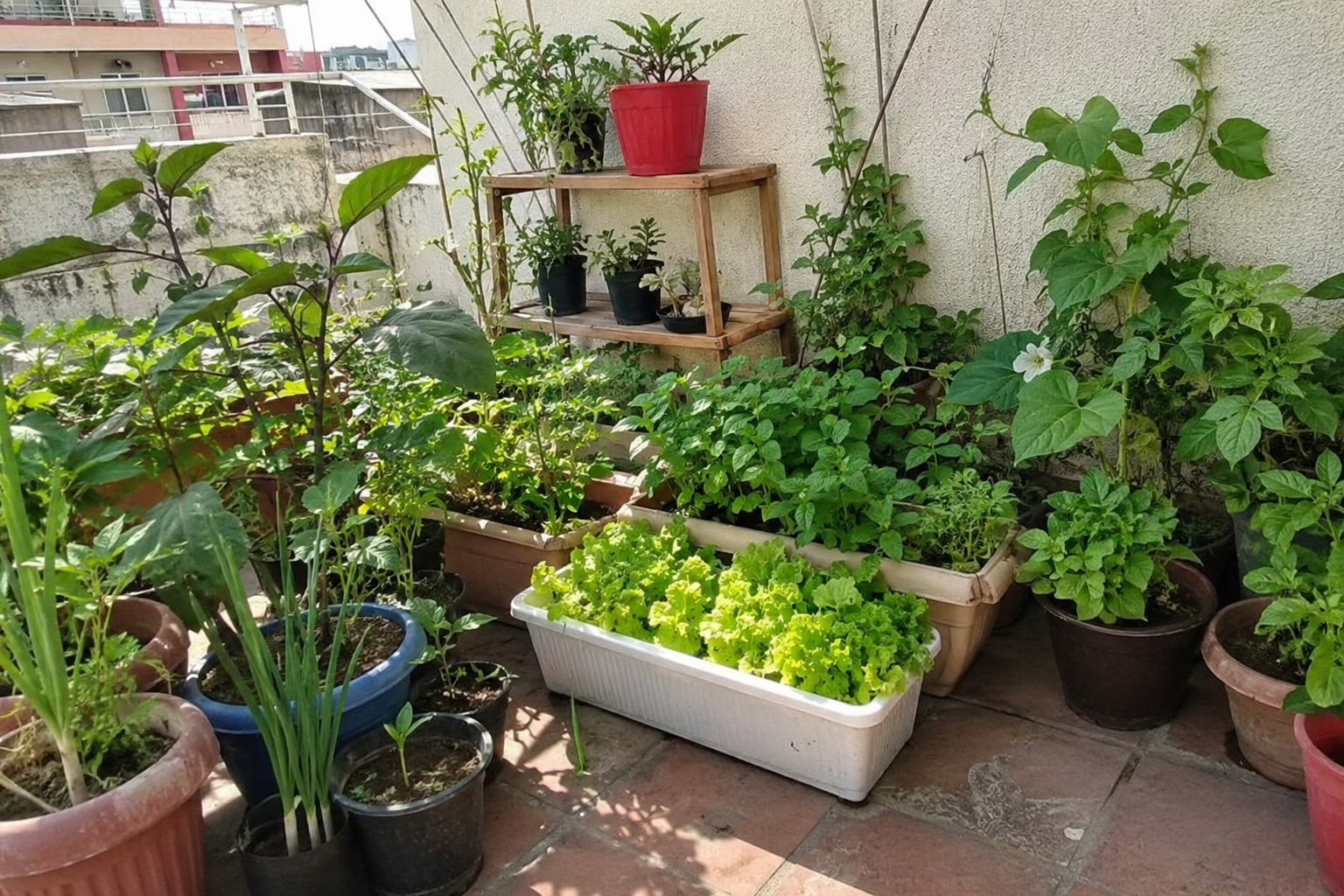
Starting a home garden can be one of the most enjoyable and rewarding hobbies for beginners. You do not need a large backyard, expensive tools, or years of gardening experience to grow plants successfully. With a little planning, some basic supplies, and regular care, anyone can start a simple home garden and enjoy fresh flowers, herbs, fruits, or vegetables.
A home garden can also make your living space more attractive and peaceful. Spending time around plants can help you connect with nature and develop a healthy daily routine. If you have always wanted to grow your own plants but did not know where to begin, this guide will help you understand the basic steps of starting a simple home garden.
Choose the Right Location for Your Home Garden
The first step in starting a home garden is choosing a suitable location. Most plants need sunlight, water, good soil, and enough space to grow. Before planting anything, look around your home and decide where your plants will receive enough natural light.
Many vegetables and herbs grow well when they receive several hours of sunlight each day. A balcony, rooftop, backyard, patio, or sunny area near a window can be useful for a small garden. If you have limited outdoor space, you can use containers, pots, or hanging planters.
Pay attention to the amount of sunlight your chosen location receives throughout the day. This will help you select plants that are suitable for your garden.
Start With Easy Plants
Beginners should avoid starting with plants that require complicated care. It is better to choose easy growing plants that can handle small mistakes while you learn.
Some good choices for a beginner home garden include mint, basil, coriander, lettuce, spinach, tomatoes, green chilies, radishes, and spring onions. These plants can be grown in containers or small garden beds, depending on the available space.
Herbs are especially useful for beginners because many of them grow quickly and do not require a lot of space. Growing herbs at home can also encourage you to use fresh ingredients while cooking.
Decide Between Containers and Garden Beds
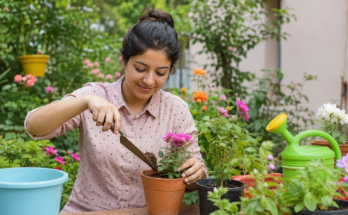
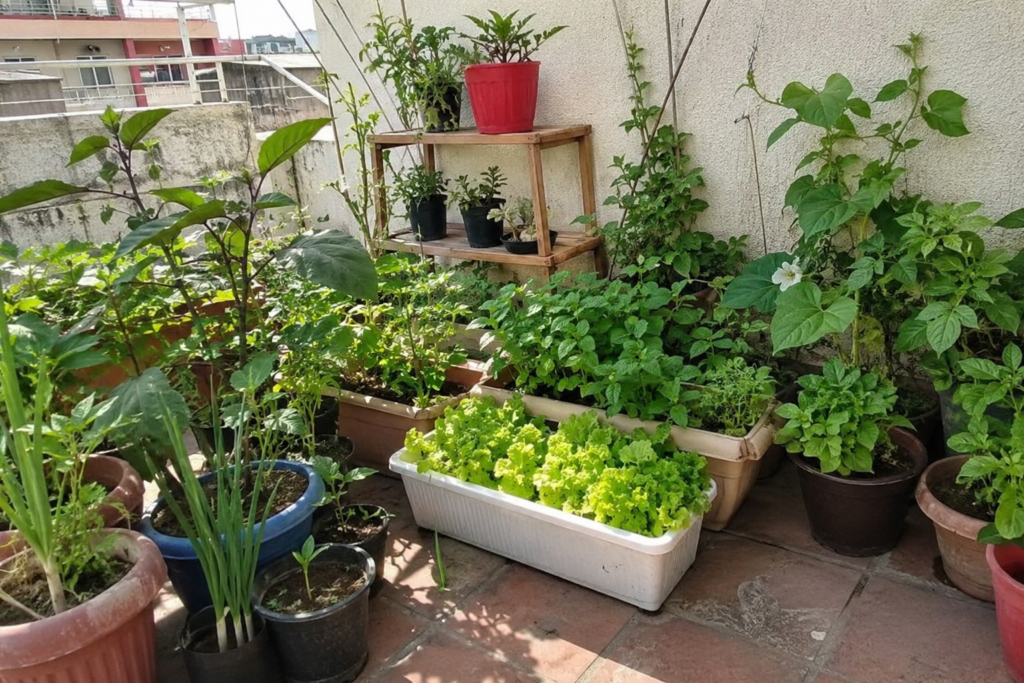
You do not need a traditional garden bed to start gardening. Container gardening is an excellent choice for beginners who live in apartments or homes with limited outdoor space.
Choose containers that have drainage holes at the bottom. Proper drainage is important because excess water can damage plant roots. You can use plastic pots, clay pots, wooden boxes, or other suitable containers.
If you have a backyard, you can create a small garden bed. Start with a small area rather than trying to grow too many plants at once. A simple garden is easier to manage and can help you gain confidence.
Prepare Good Soil
Healthy soil is one of the most important parts of a successful home garden. Plants depend on soil for nutrients, moisture, and support. Poor soil can make it difficult for plants to grow properly.
For container gardening, use good quality potting soil that allows water to drain properly. You can improve garden soil by adding compost or other organic material. Compost provides nutrients and can improve the structure of the soil.
Avoid using very hard or compact soil in containers because plant roots need air and space to develop. Good soil gives your plants a much better start.
Learn How Much Water Plants Need
Watering is another important part of home gardening. Beginners sometimes make the mistake of giving plants too much water. While plants need water to survive, excessive watering can cause root problems.
Check the soil before watering. If the top layer feels dry, the plant may need water. If the soil is still wet, you may be able to wait longer.
The amount of water required depends on the type of plant, weather, soil, and container size. During hot weather, plants may need water more frequently. During cooler or rainy periods, they may require less.
Try to develop a simple watering routine instead of watering without checking the soil.
Use Basic Gardening Tools
A beginner home garden does not require a large collection of tools. A few simple tools are enough to get started.
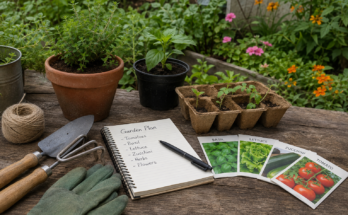
A small hand trowel can help you plant seedlings and move soil. Gardening gloves can protect your hands while working with soil. A watering can makes watering easier, while pruning scissors can be useful for removing damaged leaves and small branches.
As your gardening experience grows, you can buy additional tools when you actually need them. Starting with basic equipment can save money and keep gardening simple.
Plant Seeds or Seedlings
Beginners can start a garden using seeds or young plants called seedlings. Seeds are usually less expensive and give you the experience of watching a plant grow from the beginning. However, seedlings can be easier for beginners because they have already started growing.
If you choose seeds, read the instructions on the seed packet carefully. Plant seeds at the recommended depth and leave enough space between them.
Do not plant too many seeds in a small container. Crowded plants compete for sunlight, water, and nutrients. Giving each plant enough room can improve growth.
Create a Simple Gardening Routine
Consistency is one of the most important lessons for new gardeners. Plants need regular attention, but they do not require constant care.
Spend a few minutes each day or several times a week checking your plants. Look at the leaves, soil, and overall growth. Check whether the soil is dry and whether there are signs of insects or plant damage.
A simple gardening routine can make plant care easier. You can water plants when necessary, remove weeds, clean dead leaves, and observe new growth.
Regular observation also helps you notice problems before they become serious.
Protect Your Plants From Pests
Garden pests can become a problem even in a small home garden. You may notice insects eating leaves or damaging young plants.
Check your plants regularly for unusual holes, spots, or insects. Removing damaged leaves can sometimes help prevent problems from spreading.
Keeping your garden clean and avoiding excessive watering can also support healthier plants. If you notice a serious pest problem, learn about the specific insect before choosing a treatment.
It is better for beginners to focus on prevention and careful observation rather than using unnecessary chemicals.
Do Not Be Afraid of Mistakes
Every gardener makes mistakes, especially when starting out. Some seeds may not grow. A plant may receive too much water. Another plant may struggle because it does not receive enough sunlight.
These experiences are part of learning how to garden. Instead of becoming discouraged, try to understand what went wrong.
You can keep simple notes about your plants. Write down when you planted seeds, how often you watered them, and how they responded. Over time, these notes can help you understand what works best in your home garden.
Gardening becomes easier when you learn from each season.
Make Your Home Garden Enjoyable
A home garden should not feel like a difficult job. Choose plants that you enjoy and create a space where you like spending time.
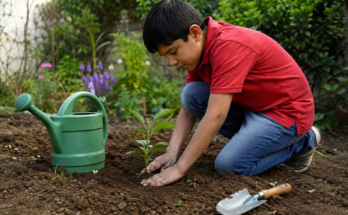
You can grow herbs for cooking, vegetables for fresh meals, flowers for beauty, or a combination of different plants. Children can also participate in simple gardening activities, such as planting seeds and watering plants.
Watching a tiny seed become a healthy plant can be a very satisfying experience. It can also teach patience, responsibility, and appreciation for nature.
Start Small and Grow Slowly
One of the best tips for beginner gardening is to start small. Growing too many plants at the beginning can make gardening feel stressful.
Start with a few containers or a small garden bed. Choose two or three easy plants and learn how they grow. Once you become comfortable with watering, soil care, sunlight, and basic maintenance, you can add more plants.
A small successful garden is better than a large garden that becomes difficult to manage.
Benefits of Starting a Simple Home Garden
Starting a home garden offers many benefits. Growing your own vegetables and herbs can give you access to fresh ingredients. Gardening can also encourage you to spend more time outdoors and develop a healthier routine.
A garden can make your home look more attractive and provide a peaceful place to relax. Caring for plants also gives you a sense of achievement because you can see the results of your effort.
For many people, home gardening becomes more than a hobby. It becomes a simple way to connect with nature and enjoy a slower, more meaningful activity.
Final Thoughts
Starting a simple home garden does not have to be complicated. Choose a suitable location, select easy plants, prepare healthy soil, provide enough sunlight and water, and give your plants regular attention. Most importantly, start with a small garden and allow yourself time to learn.
You do not need to become an expert gardener before planting your first seed. Gardening is learned through practice, observation, and patience. With a few simple steps, beginners can create a healthy home garden and enjoy the experience of growing plants with their own hands.
Whether you have a large backyard or only a small balcony, there is always a way to start. Choose a few plants you like, give them proper care, and enjoy watching your home garden grow.