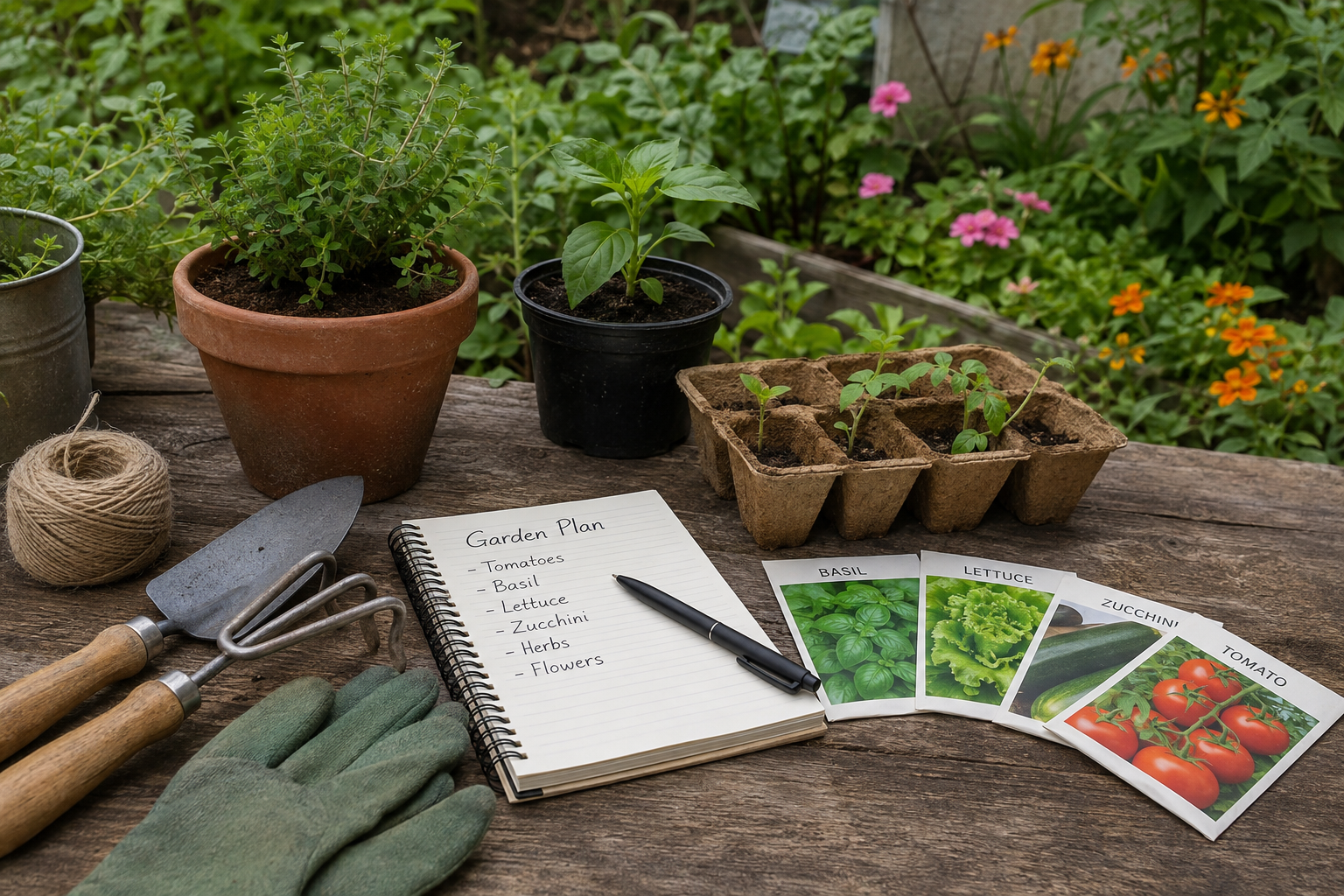
Gardening is a rewarding hobby that can bring fresh food, beautiful plants, physical activity, and a peaceful connection with nature. Many people want to start a garden but feel confused about where to begin. The good news is that gardening does not require years of experience. With a few essential gardening skills, beginners can learn how to grow healthy plants and enjoy the process.
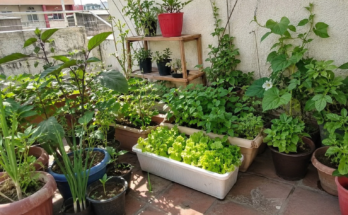
Learning basic gardening skills can help you avoid common mistakes and give your plants a better chance to grow successfully. Whether you have a large backyard, a small garden area, or a few containers on a balcony, these skills can make gardening easier and more enjoyable.
Understanding Your Garden Space
One of the first essential gardening skills every beginner should learn is how to understand the growing space. Before planting anything, look at how much sunlight your garden receives during the day. Most vegetables and flowering plants need several hours of sunlight, while some plants prefer partial shade.
You should also consider the available space, drainage, wind, and nearby trees or buildings. A plant that needs full sunlight may not grow well in a dark corner. Understanding your garden environment helps you choose plants that are suitable for your conditions.
Learning About Soil
Healthy soil is one of the most important parts of successful gardening. Beginners should learn how to recognize good soil and understand what plants need from it. Soil provides plants with water, nutrients, air, and support for their roots.
Good garden soil should be loose enough for roots to grow easily and should drain excess water properly. Adding compost or other organic matter can improve soil structure and provide useful nutrients.
You do not need to become a soil expert immediately. Start by observing your soil and learning whether it is sandy, clay based, or rich in organic matter. Over time, you can learn more about soil improvement and plant nutrition.
Choosing the Right Plants
Plant selection is another important gardening skill. Beginners often make the mistake of choosing plants simply because they look attractive. However, every plant has different needs.
Choose plants that can grow successfully in your local climate and garden conditions. Consider sunlight, temperature, water requirements, and available space before buying seeds or plants.
For beginners, easy growing vegetables and herbs can be a good starting point. Plants such as basil, mint, lettuce, radishes, tomatoes, and green beans can help new gardeners gain confidence.
Learning How to Plant Seeds
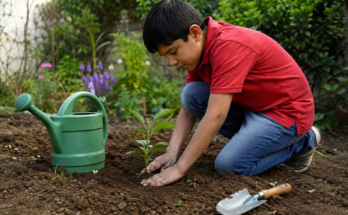
Knowing how to plant seeds correctly is a basic gardening skill that can make a big difference. Seeds should generally be planted at the depth recommended on the seed packet. Planting them too deeply may prevent them from reaching the surface.
Seeds also need suitable moisture and warmth to germinate. After planting, keep the soil consistently moist without making it extremely wet.
Beginners should avoid planting too many seeds in one small area. Giving seedlings enough room allows them to receive sunlight, air, water, and nutrients as they grow.
Proper Watering Techniques
Watering seems simple, but it is one of the most important gardening skills to master. Too little water can cause plants to wilt and become weak, while too much water can damage roots and encourage disease.
Instead of watering plants automatically every day, check the soil first. If the upper layer feels dry, the plant may need water. Water deeply enough to reach the roots rather than giving the surface a small amount of water.
Morning is often a useful time for watering because plants have time to absorb moisture during the day. Learning the water needs of different plants will help you develop better gardening habits.
Understanding Plant Nutrition
Plants need nutrients to grow strong and produce healthy leaves, flowers, fruits, and vegetables. Beginners should learn the basic role of plant nutrients without making gardening unnecessarily complicated.
Compost is a useful way to add organic matter and nutrients to garden soil. Natural materials such as composted leaves, vegetable scraps, and other suitable organic matter can improve soil quality.
If you use commercial fertilizer, follow the instructions carefully. Using more fertilizer does not always mean better plant growth. Too much fertilizer can damage plants and affect soil quality.
Learning Basic Pruning
Pruning is another valuable gardening skill. It involves removing unwanted, damaged, dead, or overgrown parts of a plant. Proper pruning can help some plants maintain a healthy shape and encourage better growth.
Beginners should learn which plants need pruning and when pruning should be done. Always use clean and suitable tools when cutting branches or stems.
Do not remove large amounts of healthy growth without understanding the plant. A little research about each plant can help you prune with confidence.
Controlling Weeds
Weeds compete with garden plants for sunlight, water, nutrients, and space. Learning how to manage weeds is an essential part of gardening.
Small weeds are usually easier to remove than large established ones. Regularly checking your garden can prevent weeds from taking over. Pull weeds carefully so that you remove as much of the root as possible.
Mulching around plants can also help reduce weed growth. Organic mulch can provide additional benefits by helping the soil retain moisture and protecting it from extreme temperature changes.
Identifying Common Garden Pests
Garden pests can damage leaves, stems, flowers, and fruits. Beginners should learn how to recognize common signs of pest problems.
Look at your plants regularly for holes in leaves, damaged stems, insects, sticky surfaces, or unusual marks. Early detection can make pest management easier.
Whenever possible, begin with simple methods such as removing pests by hand, improving plant health, or encouraging beneficial insects. Avoid using garden chemicals without understanding how they should be handled and applied.
Learning About Plant Diseases
Plant diseases can appear as yellow leaves, spots, wilting, mold, unusual growth, or rotting areas. Learning to notice these symptoms is an important gardening skill.
Good air circulation, proper watering, clean tools, and healthy soil can help reduce some garden problems. Avoid watering leaves unnecessarily when plants are prone to fungal issues.
If a plant becomes seriously affected, identify the problem before choosing a treatment. Treating the wrong problem can sometimes make the situation worse.
Using Gardening Tools Correctly
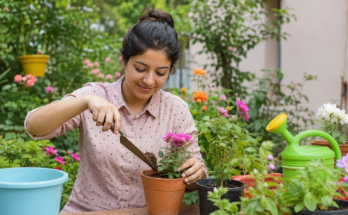
Every beginner should learn how to use basic gardening tools safely and effectively. A simple collection may include a hand trowel, pruning shears, garden gloves, a watering can, and a digging tool.
Keep tools clean and store them properly after use. Sharp tools should be handled carefully and kept away from children.
Taking care of your tools can make gardening work easier and help your equipment last longer.
Learning to Observe Plants
One of the most valuable gardening skills is simply learning to observe. Experienced gardeners often notice small changes in plants before serious problems develop.
Look at the color of leaves, the condition of the soil, new growth, flowers, and signs of insects. Spend a few minutes in your garden regularly and pay attention to changes.
Observation helps you understand what your plants need. Over time, you will begin to recognize when a plant needs water, more sunlight, better soil, support, or protection.
Understanding Seasonal Gardening
Gardening changes with the seasons. Some plants grow well during warm weather, while others prefer cooler temperatures. Beginners should learn which plants are suitable for different times of the year in their local area.
Seasonal gardening can help you plan when to sow seeds, transplant seedlings, harvest vegetables, and prepare the garden for changing weather.
Keeping a simple gardening calendar can make this process easier. Write down planting dates, flowering periods, harvest dates, and useful observations.
Practicing Patience
Patience is an essential gardening skill that is sometimes overlooked. Plants do not grow instantly. Seeds need time to germinate, seedlings need time to develop, and vegetables may require weeks or months before harvest.
Not every plant will succeed, especially when you are learning. A failed plant does not mean you are a bad gardener. Instead, it gives you an opportunity to understand what happened and improve your approach.
Successful gardening comes from practice, observation, and learning from mistakes.
Keeping a Simple Gardening Routine
A regular routine can make gardening much easier. You do not need to spend hours in the garden every day. A few minutes of checking plants, removing weeds, observing soil moisture, and looking for pests can make a noticeable difference.
Set aside specific times each week for garden care. Regular attention allows you to discover problems early and keep plants healthy.
Final Thoughts
Learning essential gardening skills can give beginners the confidence to create and maintain a healthy garden. Understanding soil, choosing suitable plants, planting seeds correctly, watering properly, managing weeds, identifying pests, using tools, and observing plant health are all valuable skills for new gardeners.
The best way to learn gardening is through practice. Start with a small garden and choose a few plants that match your growing conditions. As you gain experience, you can experiment with new vegetables, herbs, flowers, and gardening methods.
Gardening is not about being perfect. It is about learning from nature, paying attention to your plants, and enjoying the process. With patience and regular care, anyone can develop the essential gardening skills needed to grow a productive and beautiful garden.