A well-designed flower garden brings color, fragrance, and life to any outdoor space, whether you are working with a sprawling backyard or a modest patio border. Successful flower gardens balance thoughtful plant selection with smart layout choices, ensuring continuous bloom, visual harmony, and manageable upkeep. This guide covers twenty flower garden ideas, from planning and color theory to plant selection, layout techniques, and long-term care strategies.
1. Assess Your Site Before Choosing Flowers
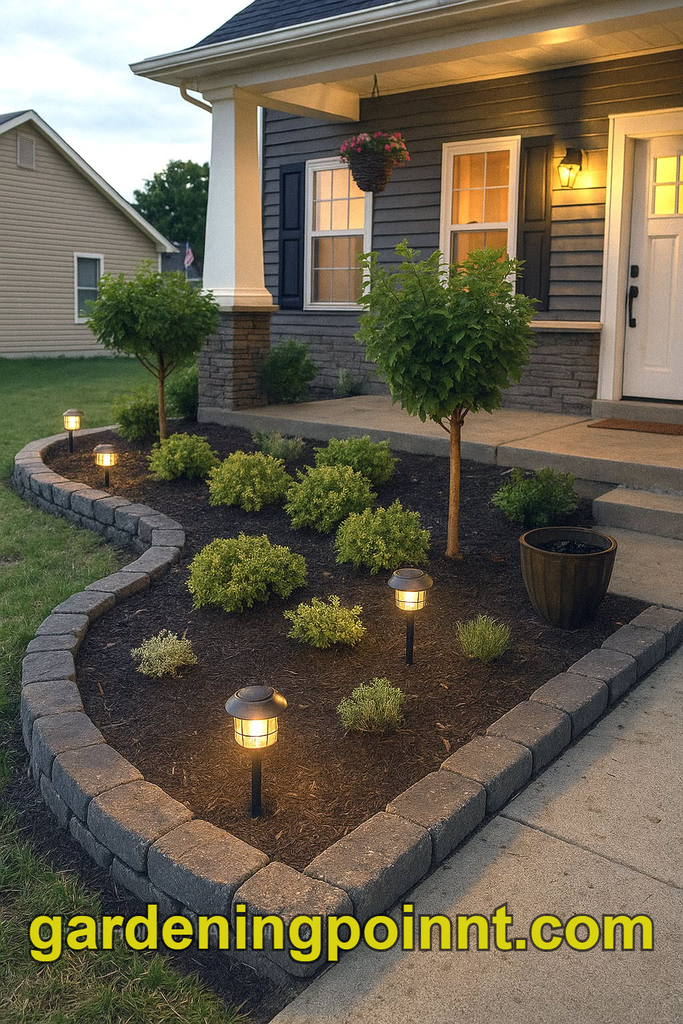
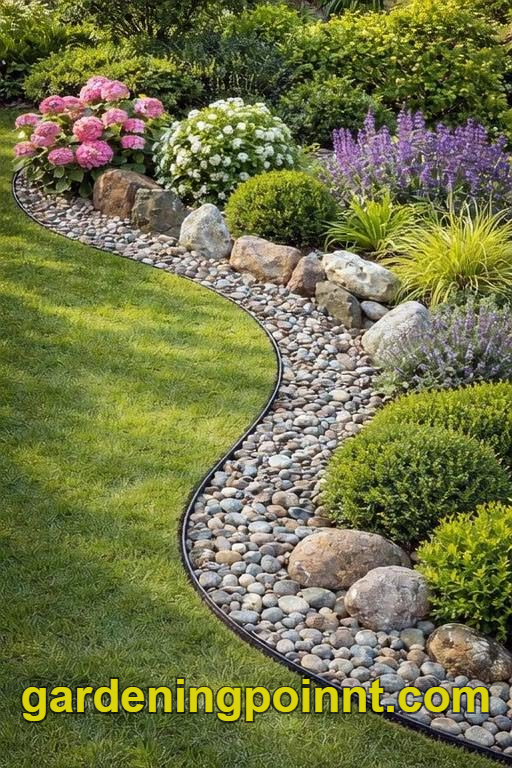
Every successful flower garden begins with an honest assessment of the growing conditions available. Observe how much direct sunlight the area receives throughout the day, check whether the soil drains well or tends to stay soggy, and note any microclimates created by nearby walls, fences, or trees. Matching flower choices to your site’s actual conditions, rather than forcing sun-loving plants into shade or vice versa, is the single most important factor in long-term garden success.
2. Choose a Color Scheme Before Selecting Plants
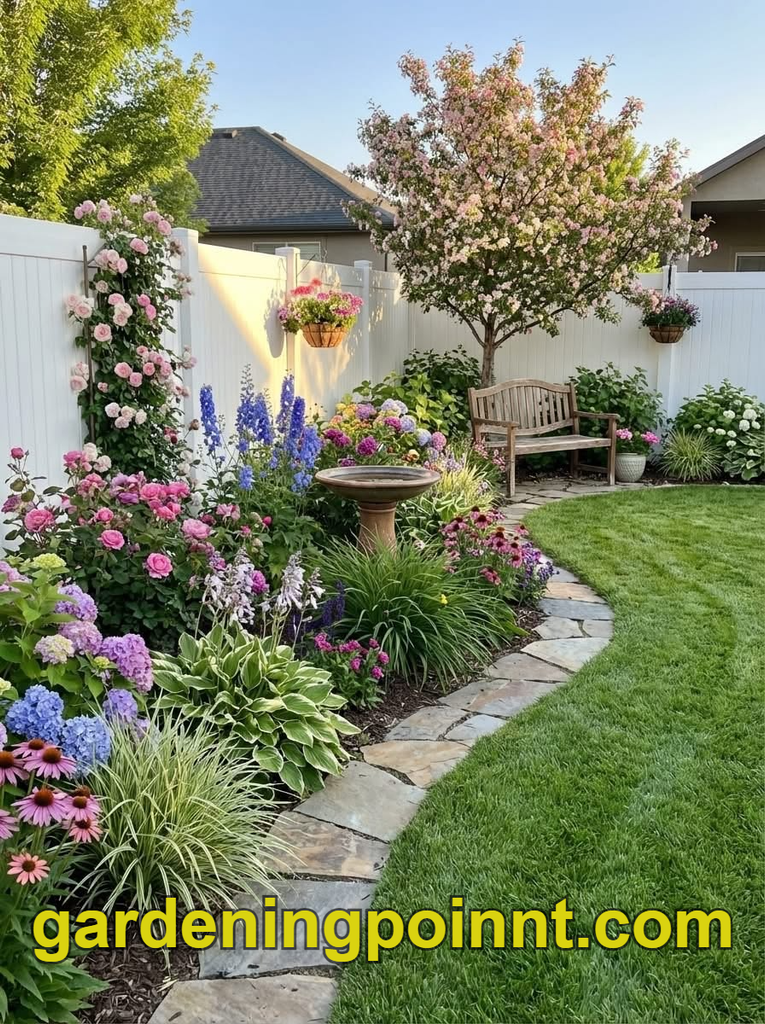
Deciding on a color palette before shopping for individual flowers helps create a cohesive, intentional-looking garden rather than a random assortment of colors competing for attention. Monochromatic schemes using different shades of a single color, such as varying pinks or purples, tend to look elegant and calming, while complementary color schemes pairing opposite colors on the color wheel, like orange and blue, create vibrant, eye-catching contrast. Analogous color schemes using neighboring colors on the wheel, such as yellow, orange, and red, offer a warm, harmonious look that works well in many garden styles.
3. Plan for Continuous Bloom Throughout the Season
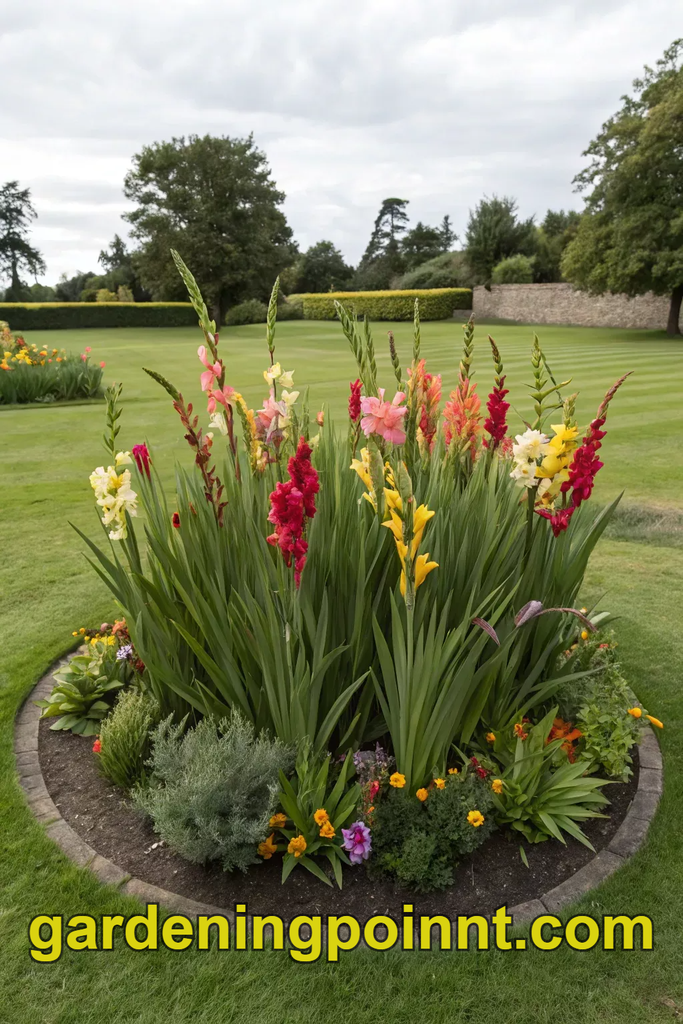
One common flower garden mistake is choosing plants that all bloom at the same time, resulting in a spectacular but brief display followed by weeks of comparatively bare beds. Selecting a mix of early spring bulbs, summer-blooming perennials, and fall-flowering plants ensures the garden maintains color and interest across multiple months. Creating a simple bloom-time chart when planning the garden can help identify any gaps in the seasonal display before plants are purchased and installed.
4. Layer Plants by Height for Visual Depth
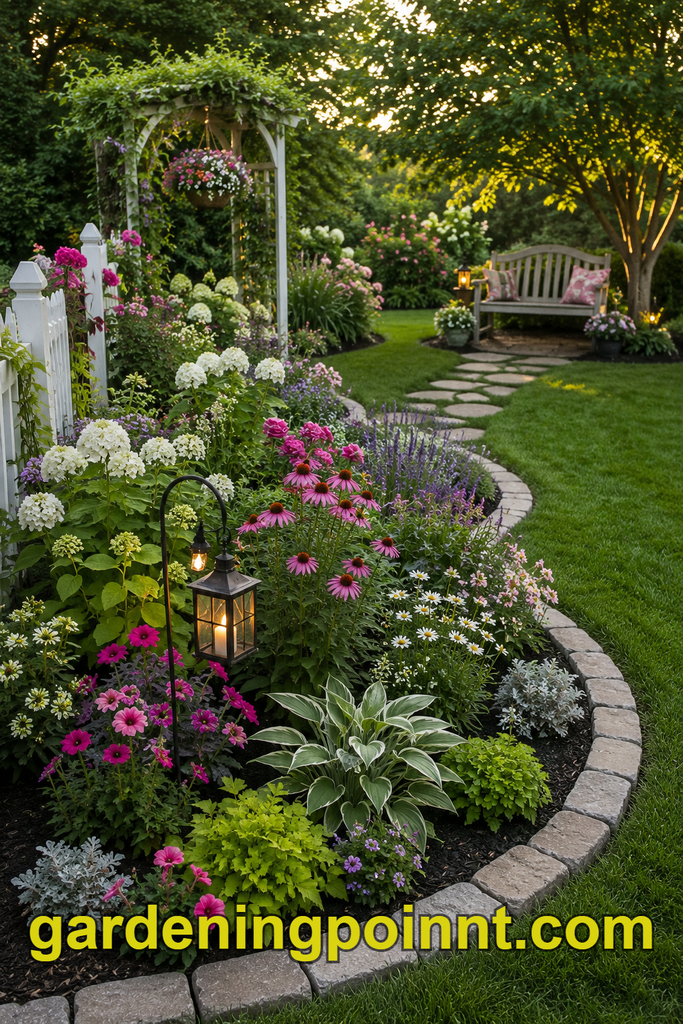
Arranging flowers with taller varieties toward the back of a bed, medium-height plants in the middle, and low-growing or trailing flowers along the front edge creates a sense of depth and ensures every plant remains visible from the primary viewing angle. In island beds viewed from multiple sides, placing the tallest plants in the center and grading downward toward all edges achieves a similar layered effect. This tiered approach also helps prevent shorter plants from being shaded out by taller neighbors.
5. Combine Different Flower Shapes and Textures
A visually interesting flower garden includes a variety of bloom shapes and foliage textures rather than relying on a single type of flower throughout. Combining spiky flowers like salvia or veronica, round blooms like zinnias or dahlias, and airy, delicate flowers like baby’s breath or cosmos creates contrast that makes each individual plant stand out more clearly. Foliage texture matters as well, with the addition of feathery ornamental grasses or bold, broad-leaved plants adding interest even when flowers are not in bloom.
6. Group Plants in Odd-Numbered Clusters
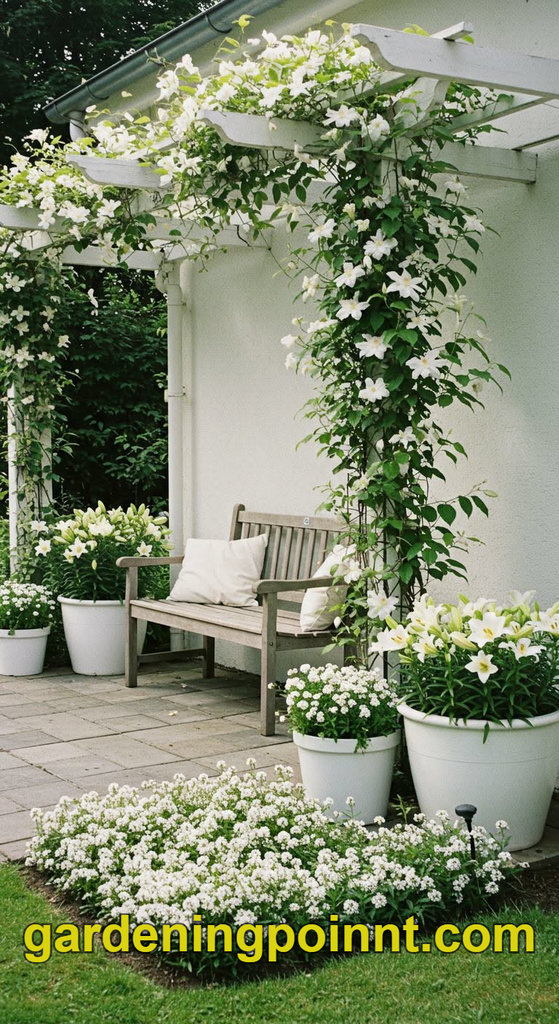
Planting flowers in clusters of three, five, or seven, rather than scattering single specimens throughout a bed, generally creates a more natural and visually pleasing effect. Odd numbers tend to read as more organic to the eye compared to even numbers, which can appear overly symmetrical or mechanical in an informal garden setting. This clustering technique also helps create bolder blocks of color that are more visible from a distance than individual scattered plants.
7. Incorporate Repetition for a Cohesive Look
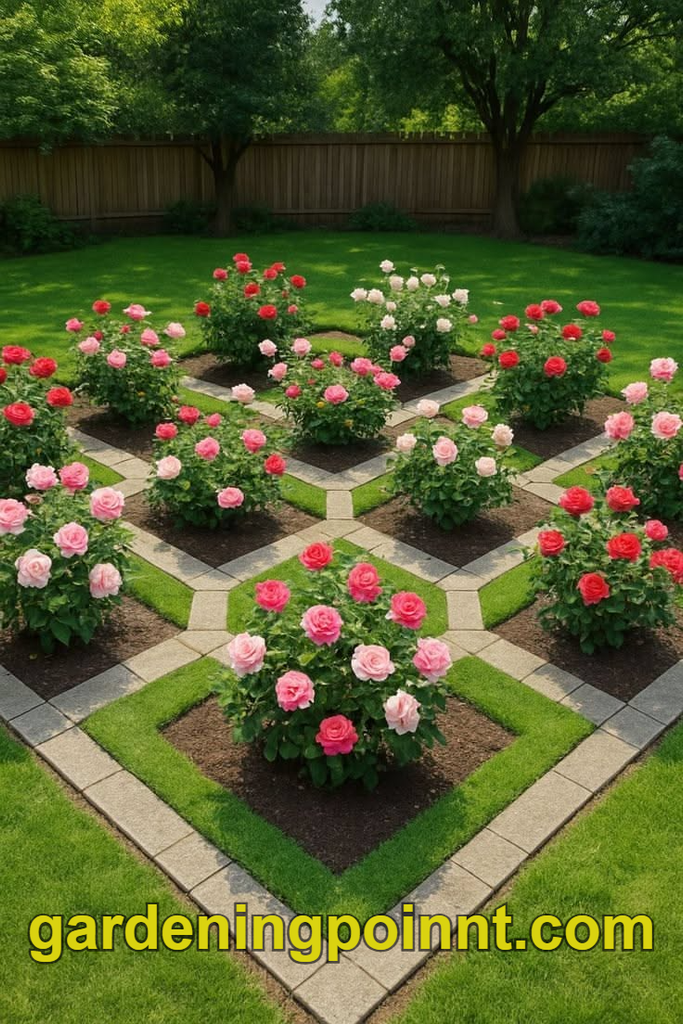
Repeating certain key plants or colors at intervals throughout a flower garden helps tie the entire space together visually, even when a wide variety of different species are included. This repetition creates a sense of rhythm as the eye moves through the garden, preventing the space from feeling chaotic despite its diversity. A good rule of thumb is to choose three to five key plants or colors to repeat throughout the design as connecting elements.
8. Use Annuals for Instant, Long-Lasting Color
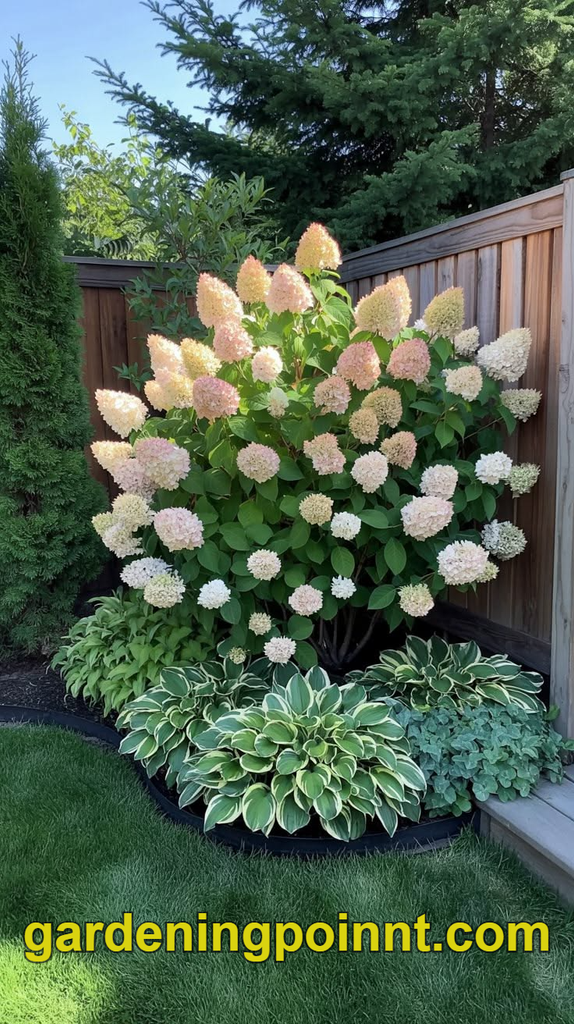
Annual flowers complete their entire life cycle in a single growing season, but they typically bloom continuously from planting until frost, making them valuable for filling gaps and providing reliable, long-lasting color. Popular annuals like petunias, marigolds, and zinnias are also relatively inexpensive and widely available, making them a practical choice for filling large areas or trying out new color combinations without a long-term commitment. Deadheading spent blooms regularly encourages annuals to continue flowering throughout the season.
9. Build a Foundation With Reliable Perennials
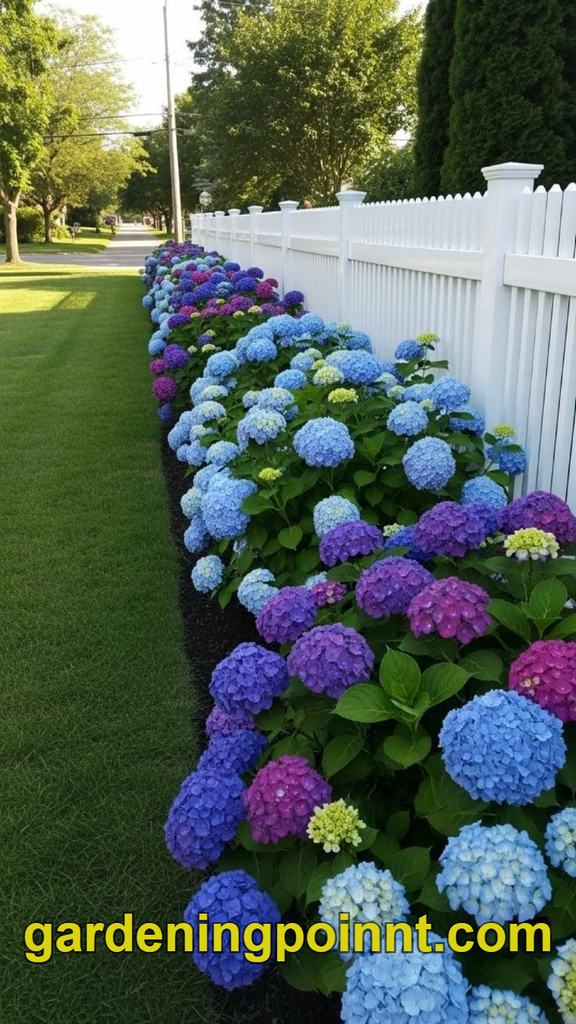
Perennial flowers return year after year, providing a reliable structural foundation for the flower garden that reduces the need for complete replanting each season. Popular perennials like coneflowers, black-eyed Susans, and daylilies are known for their toughness and reliable blooming, making them excellent choices for beginners. While perennials typically have a shorter individual bloom period than annuals, choosing a variety of perennials with staggered bloom times can provide season-long color from an established, low-maintenance base.
10. Add Spring-Blooming Bulbs for Early Color
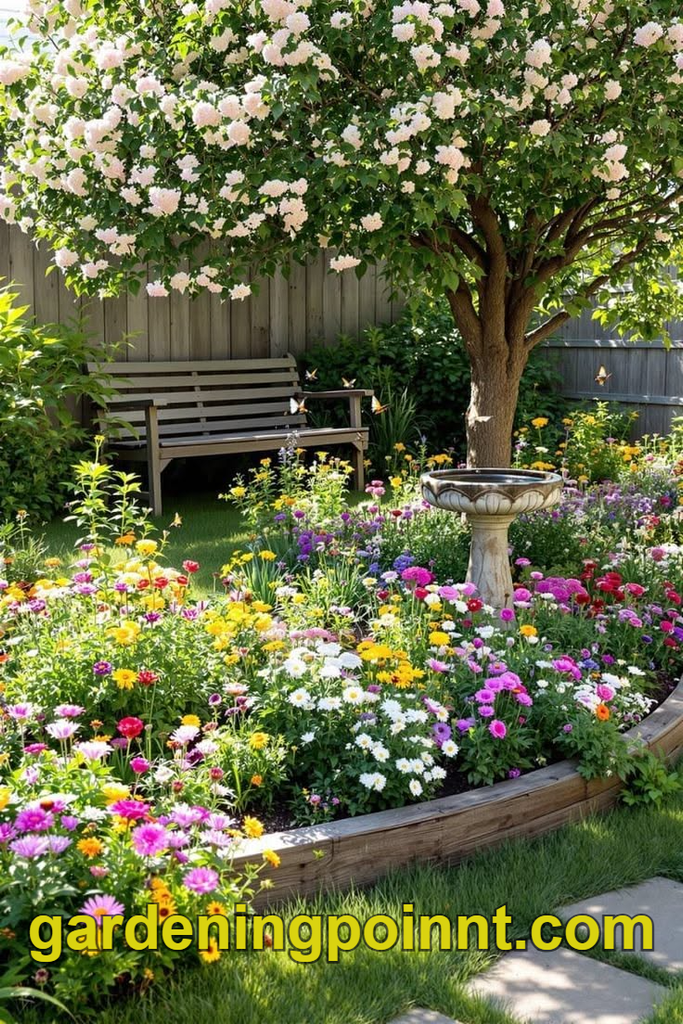
Bulbs like tulips, daffodils, and crocuses provide some of the earliest color in a flower garden, often blooming before many other plants have even begun to emerge from winter dormancy. Planting bulbs in the fall for spring blooming allows gardeners to enjoy a burst of color at a time of year when the rest of the garden may still look bare. Naturalizing bulbs like daffodils, which multiply and spread over time when left undisturbed, can create an increasingly impressive spring display with minimal ongoing effort.
11. Include Fragrant Flowers Near Seating Areas
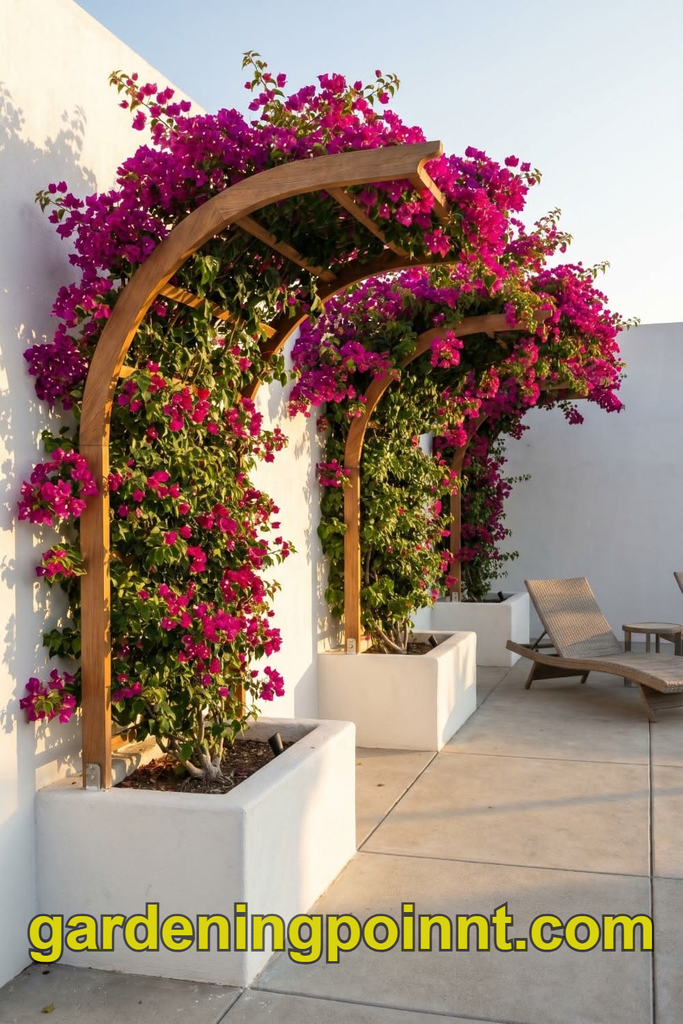
Fragrance adds another sensory dimension to a flower garden, and placing strongly scented flowers like roses, lavender, and sweet peas near patios, benches, or walkways ensures their fragrance is enjoyed as people move through or relax in the space. Evening-blooming fragrant flowers such as nicotiana or four o’clocks can extend this sensory experience into the cooler evening hours. Positioning fragrant plants at nose height, whether in raised beds or on taller stems, also maximizes their impact.
12. Create Defined Garden Beds With Clean Edges
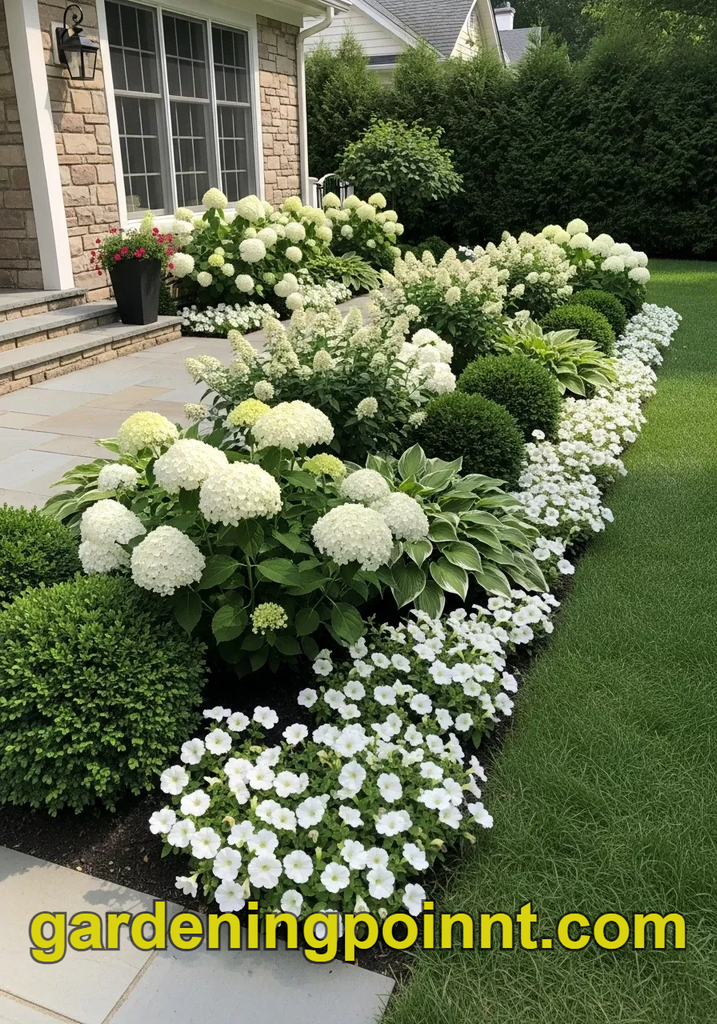
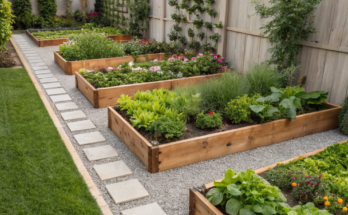
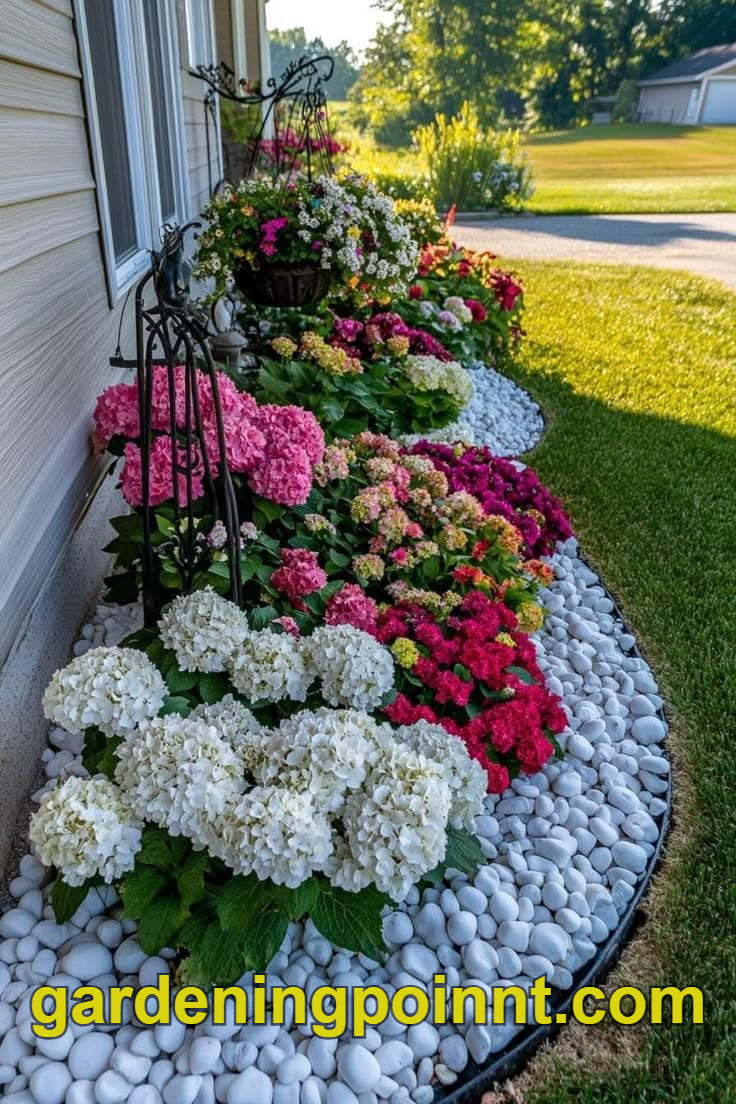
Clearly defined bed edges, whether created with a simple cut edge, brick border, or metal edging strip, give a flower garden a polished, intentional appearance even when the planting style within the bed is loose and informal. Clean edges also help contain mulch and prevent grass from creeping into the flower bed, reducing the amount of ongoing maintenance required. Curved bed edges tend to feel more natural and relaxed compared to straight lines, which can appear more formal.
13. Use Mulch to Support Healthy Growth
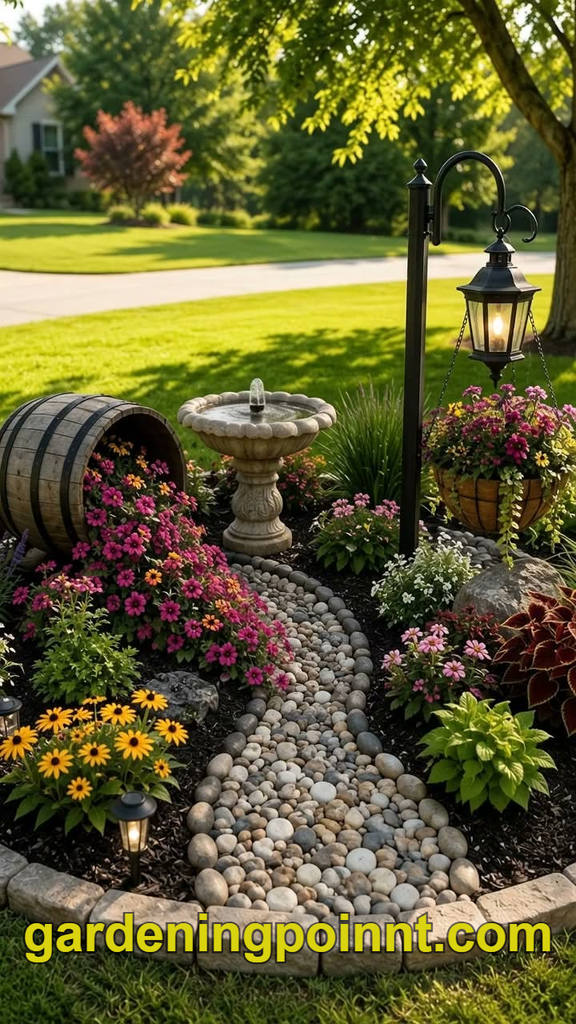
A layer of mulch across flower beds helps retain soil moisture, regulate soil temperature, and suppress weed growth, all of which contribute to healthier, more vigorous flowering plants. Organic mulches like shredded bark or compost also break down gradually, adding beneficial organic matter back into the soil over time. Applying a two to three inch layer of mulch, while keeping it pulled back slightly from plant stems, strikes the right balance between benefit and potential moisture-related stem issues.
14. Add Vertical Interest With Climbing Flowers
Climbing flowers such as clematis, morning glories, and climbing roses add valuable vertical dimension to a flower garden, whether trained onto a trellis, arbor, or fence. This vertical growth makes efficient use of limited ground space while also creating natural focal points and backdrops for the rest of the garden. Fast-growing annual vines like sweet peas or morning glories offer quick results for gardeners who want vertical color without waiting years for an established perennial vine to mature.
15. Attract Pollinators With Bee- and Butterfly-Friendly Flowers
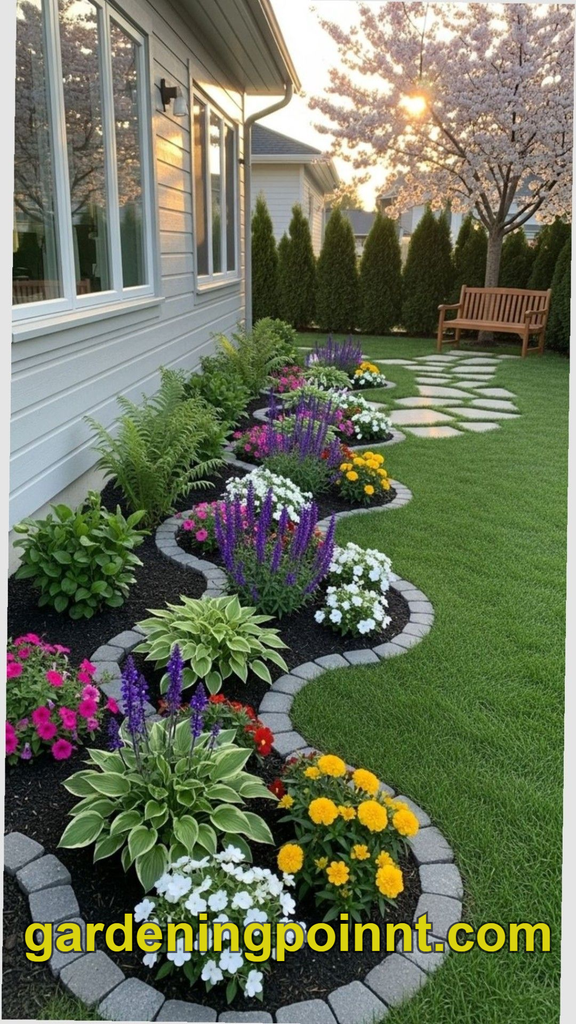
A thriving flower garden benefits significantly from the presence of pollinators, which support better blooming and seed production while adding movement and life to the space. Flowers like coneflowers, bee balm, zinnias, and lavender are particularly attractive to bees and butterflies, and clustering these plants together creates a more effective foraging area than scattering them individually. Avoiding pesticide use in the flower garden helps protect these beneficial visitors and supports a healthier overall ecosystem.
16. Incorporate a Cutting Garden Section
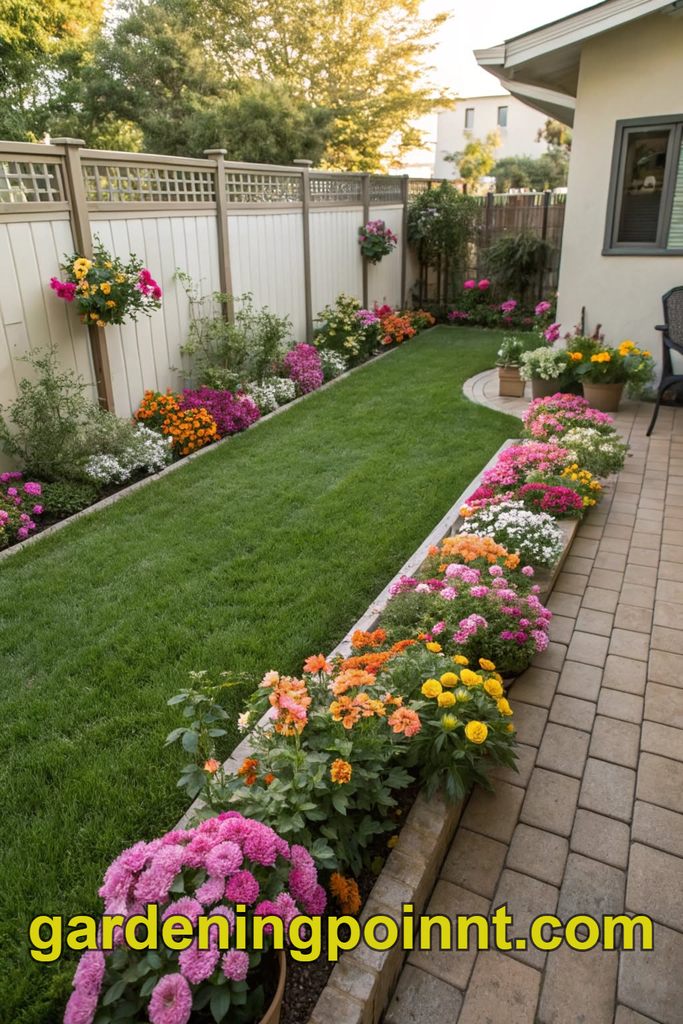
Dedicating a small section of the flower garden specifically to growing cut flowers allows you to enjoy fresh bouquets indoors without depleting the main display beds. Reliable cutting garden flowers include zinnias, dahlias, cosmos, and sunflowers, all of which tend to produce more blooms the more frequently they are cut. Arranging this cutting garden section in simple rows, similar to a small vegetable garden, makes harvesting easier compared to searching through a densely planted ornamental bed.
17. Use Containers to Add Flexibility
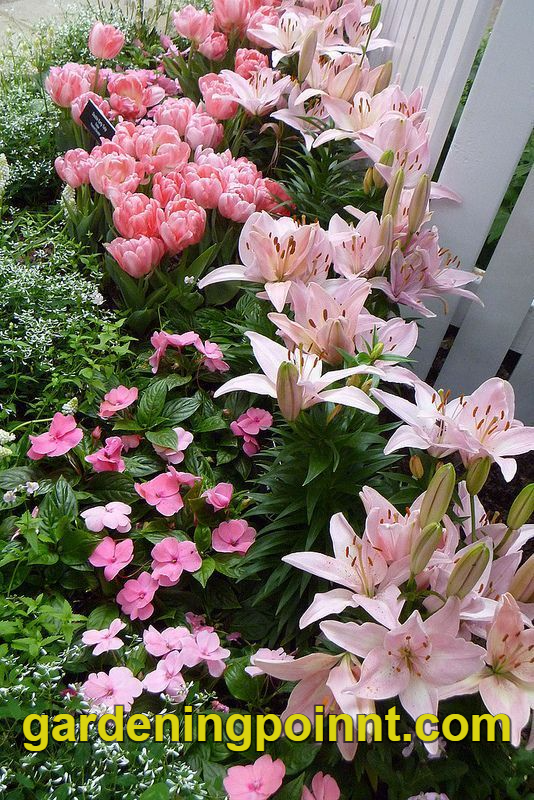
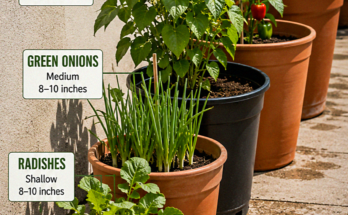
Container-grown flowers offer valuable flexibility within a broader flower garden design, allowing for seasonal changes, experimentation with new color combinations, and the ability to move plants to follow optimal sunlight throughout the day. Grouping several containers of varying heights near a patio or entrance can extend the flower garden’s presence into hardscaped areas that would otherwise remain bare. Choosing a consistent pot material or color across multiple containers helps maintain visual cohesion with the rest of the garden.
18. Add a Focal Point to Anchor the Design
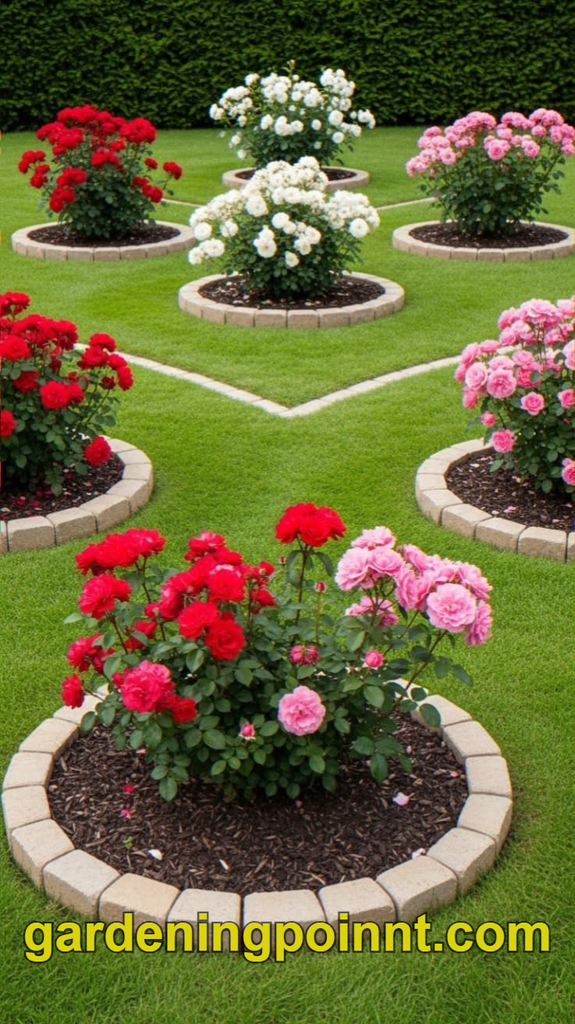
A single distinctive element, such as a small statue, an obelisk trellis, or an especially striking specimen plant, gives a flower garden a clear focal point that draws the eye and adds a sense of intentional design. Positioning this focal point at the end of a pathway or at the center of a circular bed helps organize the surrounding plantings around a central point of interest. Seasonal focal points, such as a large urn planted with a rotating seasonal display, can also keep this feature feeling fresh throughout the year.
19. Consider Low-Maintenance Options for Busy Schedules
For gardeners with limited time for regular upkeep, choosing drought-tolerant perennials, self-seeding annuals, and slow-growing plants can significantly reduce the ongoing maintenance burden of a flower garden. Grouping plants with similar water and light requirements together also simplifies care routines, since the entire group can be watered and maintained on the same schedule. Applying a thick layer of mulch and choosing disease-resistant plant varieties further reduces the time needed for weeding and pest management.
20. Plan for Year-Round Structure With Evergreen Elements
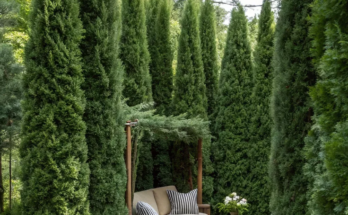
While flowers provide seasonal color, incorporating a few evergreen shrubs or ornamental grasses into the flower garden design ensures the space maintains some visual structure even during the dormant winter months. Boxwood, dwarf conifers, and certain ornamental grasses retain their form and greenery when most flowering plants have died back, providing a stable backdrop for the garden’s seasonal displays. This combination of permanent structure and rotating seasonal color creates a flower garden that remains visually interesting throughout the entire year.
Frequently Asked Questions About Flower Garden Ideas
How do I choose the right flowers for my garden? Start by assessing your site’s sunlight, soil, and moisture conditions, then select flowers suited to those specific conditions rather than choosing based on appearance alone.
What flowers bloom all summer long? Annuals like petunias, zinnias, and marigolds typically bloom continuously from planting until frost, making them reliable choices for consistent summer color when deadheaded regularly.
How can I make my flower garden look more professional? Using a defined color palette, clean bed edges, layered plant heights, and repeated key plants throughout the design all contribute to a more polished, intentional appearance.
What are the easiest flowers to grow for beginners? Marigolds, zinnias, coneflowers, and black-eyed Susans are all known for being forgiving, low-maintenance choices that tolerate a range of conditions and beginner mistakes.
How do I keep my flower garden blooming all season? Combining spring bulbs, summer annuals, and fall-blooming perennials, along with regular deadheading of spent flowers, helps maintain continuous color throughout the growing season.
With thoughtful planning around color, bloom time, and plant selection, along with attention to layout details like layering and repetition, any flower garden can achieve a vibrant, cohesive, and long-lasting display. Starting with a clear plan and a mix of reliable perennials and colorful annuals provides a strong foundation for a garden that continues to reward you season after season.