Container gardening has opened up the world of growing plants to anyone with even a small patio, balcony, or windowsill, removing the need for traditional in-ground garden space. From vegetables and herbs to flowers and small trees, nearly any plant can thrive in a container when given the right conditions. This guide covers twenty essential container gardening ideas and tips, from choosing pots and soil to plant selection, watering strategies, and seasonal care.
1. Understand the Advantages of Container Gardening
Container gardening offers several distinct advantages over traditional in-ground planting, making it an appealing option for renters, apartment dwellers, and anyone with limited or poor-quality soil. Containers can be moved to chase optimal sunlight throughout the day or brought indoors to protect tender plants from frost, offering flexibility that in-ground gardens cannot match. They also allow for complete control over soil quality, since you are not limited by whatever native soil exists on your property, and they naturally limit the spread of aggressive or invasive plants that might otherwise take over a garden bed.
2. Choose the Right Pot Size for Each Plant
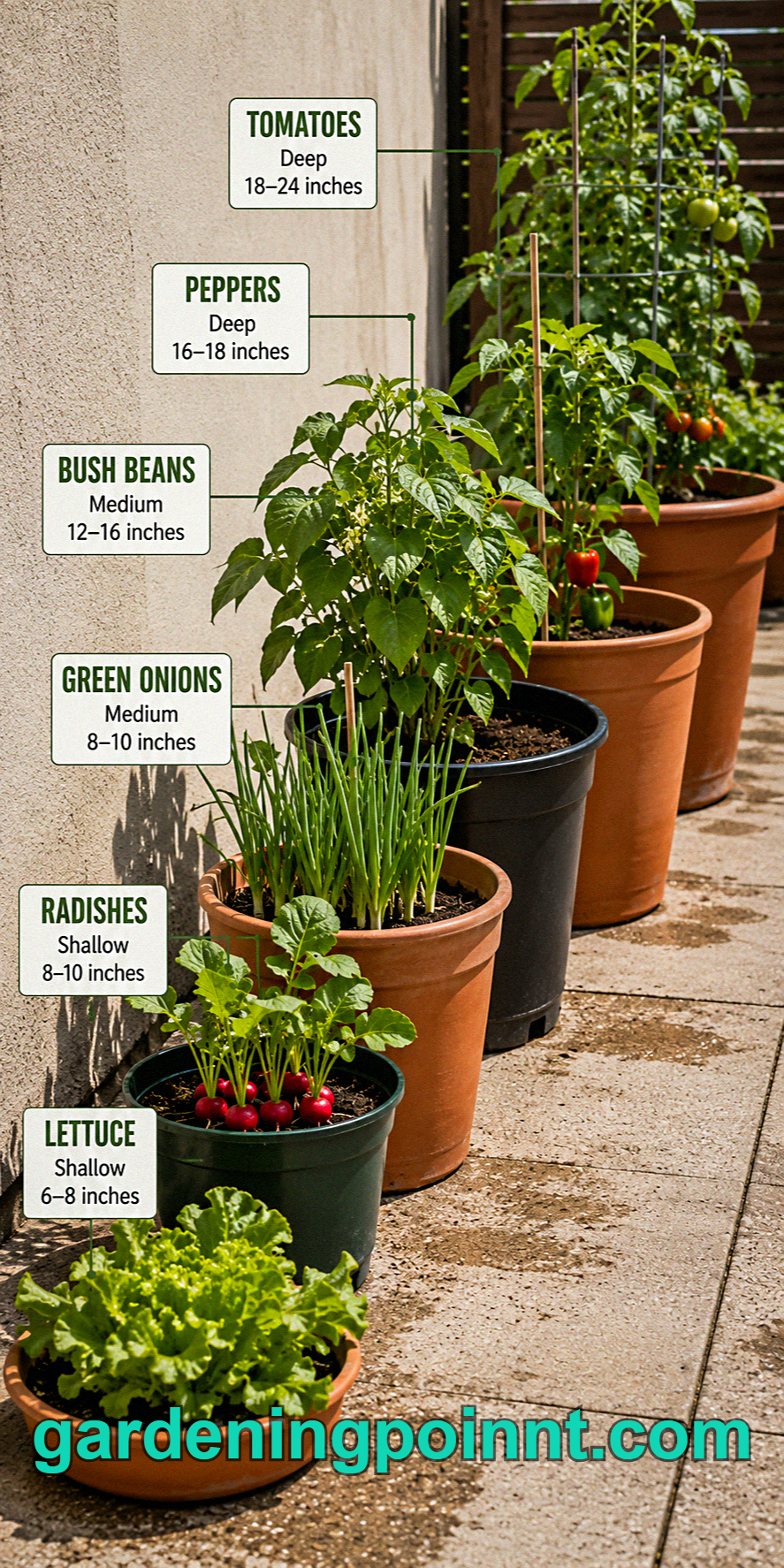
Selecting an appropriately sized container is one of the most important decisions in container gardening, since a pot that is too small will restrict root growth and require excessive watering, while an oversized pot can hold too much moisture and lead to root rot. As a general guideline, small herbs and annual flowers do well in pots six to eight inches in diameter, while larger vegetables like tomatoes or peppers need containers at least twelve to eighteen inches wide and deep. Always check the mature size of a plant before selecting its container to ensure adequate room for root development.
3. Consider Different Pot Materials and Their Trade-offs
Container gardening pots come in a wide range of materials, each with different benefits and drawbacks worth considering before purchase. Terracotta pots are attractive and breathable, allowing excess moisture to evaporate through their porous walls, but this same quality means they dry out faster and require more frequent watering. Plastic and resin containers retain moisture longer and are typically lighter and more affordable, while glazed ceramic and metal containers offer durability and style but can be heavier and, in the case of metal, prone to overheating in direct sun.
4. Ensure Proper Drainage in Every Container
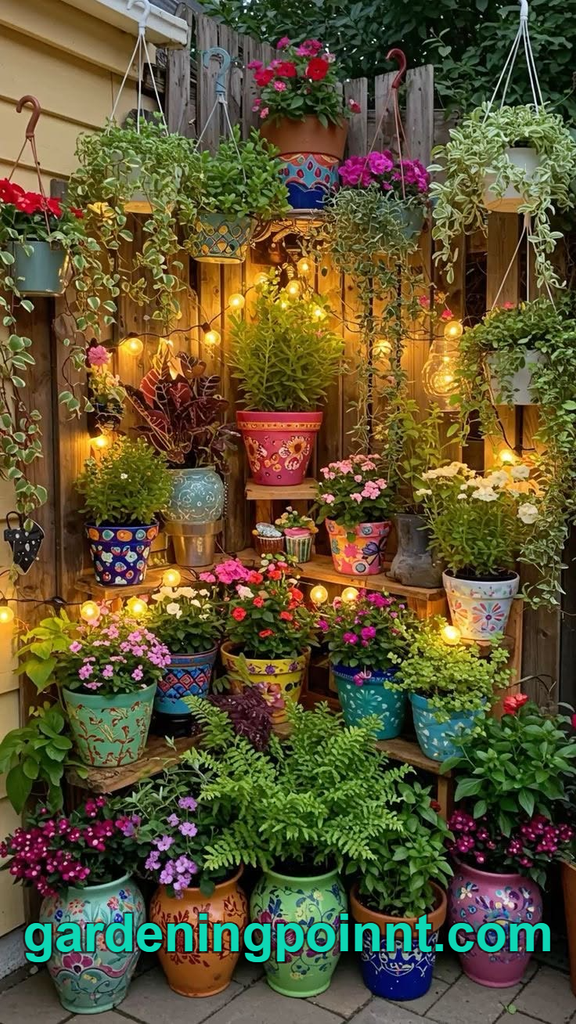
Adequate drainage is essential for container gardening success, since pots without drainage holes trap excess water around plant roots, leading to root rot and other moisture-related problems. Always choose containers with drainage holes, or drill holes into decorative pots that lack them before planting. Placing a layer of gravel or broken pottery at the bottom of a container is generally unnecessary and can sometimes worsen drainage; a quality potting mix combined with proper drainage holes is typically sufficient.
5. Use a High-Quality Potting Mix, Not Garden Soil
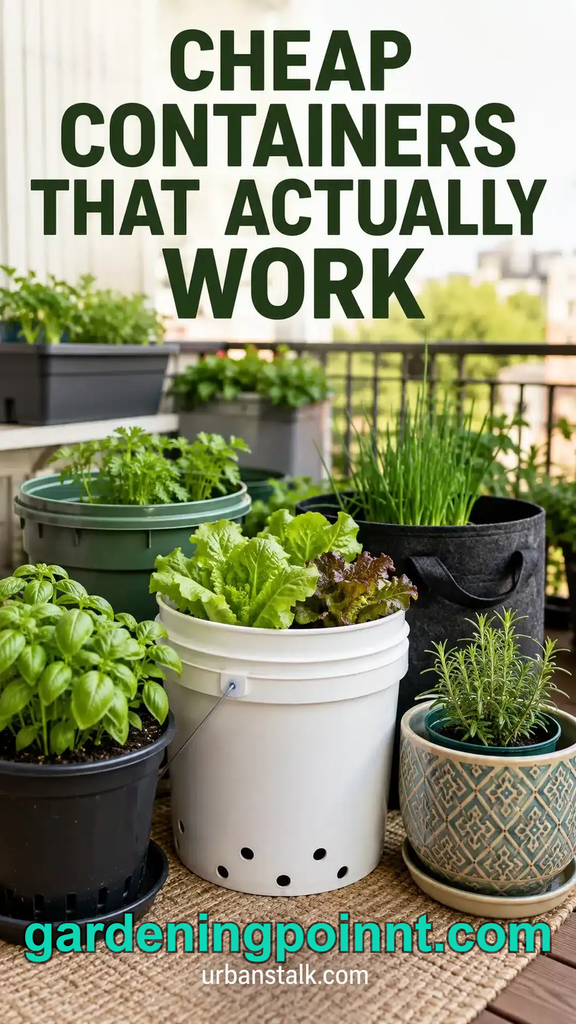
Garden soil is too dense and heavy for container use, often leading to poor drainage and compaction that restricts root growth in the confined space of a pot. A quality potting mix, specifically formulated for container gardening, contains a lighter blend of materials like peat moss, perlite, and compost that provides better drainage and aeration than native soil. Choosing a potting mix suited to the specific plants being grown, such as a cactus and succulent mix for drought-tolerant plants, further improves results.
6. Select Plants Suited to Your Available Light
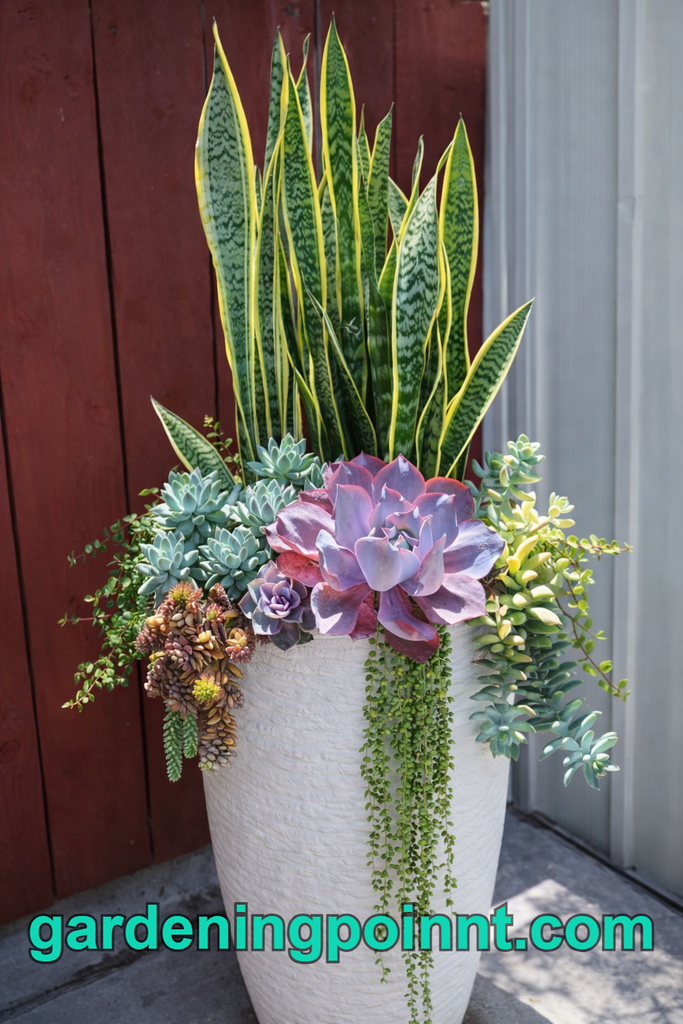
Just as with in-ground gardens, matching container plants to the actual light conditions available is essential for success. Balconies and patios facing south or west typically receive strong, direct sunlight suited to vegetables like tomatoes and peppers or sun-loving flowers like petunias and geraniums. North-facing or heavily shaded spaces are better suited to shade-tolerant plants like ferns, impatiens, or many types of foliage plants, which will struggle or fail entirely in insufficient light.
7. Group Plants With Similar Water Needs Together
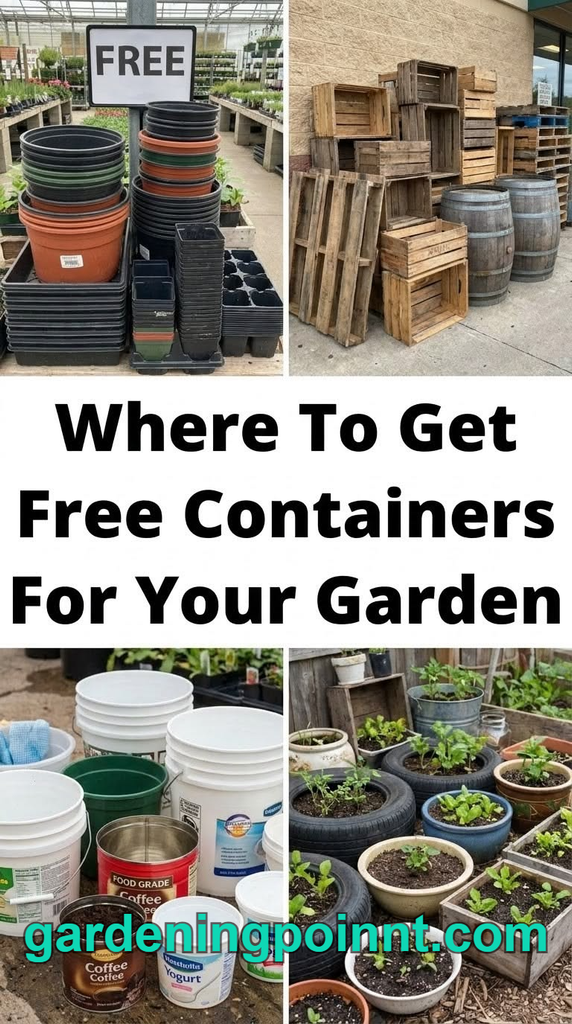
When arranging multiple containers or planting several species together in a single large pot, grouping plants with similar water requirements simplifies care and prevents the common problem of overwatering some plants while underwatering others. Succulents and drought-tolerant herbs like rosemary and thyme should generally be kept separate from moisture-loving plants like ferns or annual flowers, which require more frequent watering. This grouping strategy, sometimes called hydrozoning, makes container garden maintenance significantly more manageable.
8. Try the “Thriller, Filler, Spiller” Design Formula
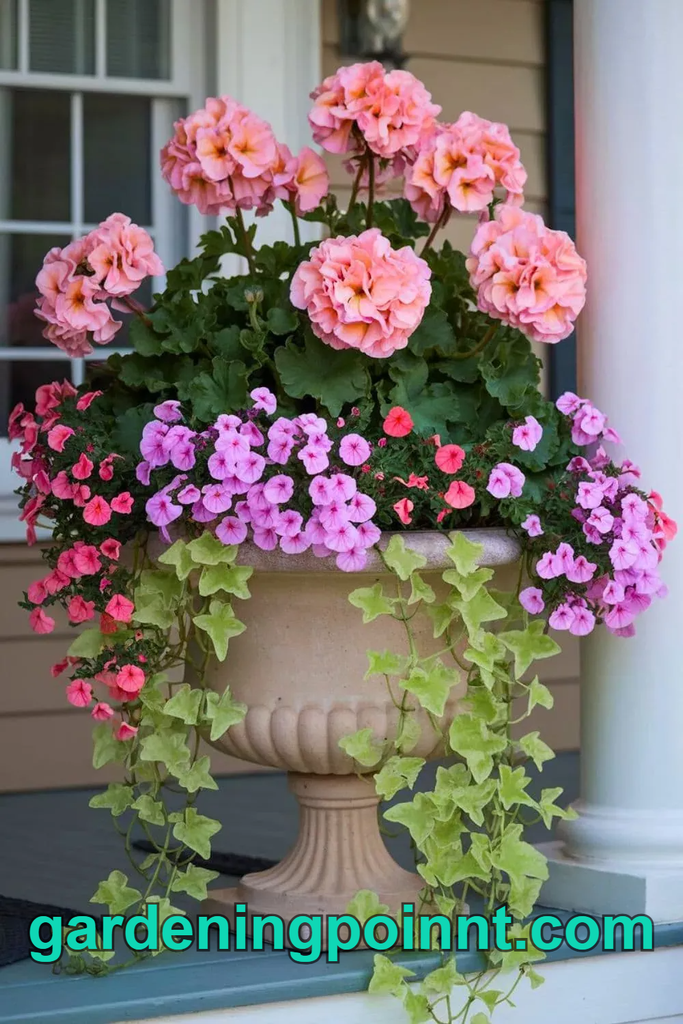
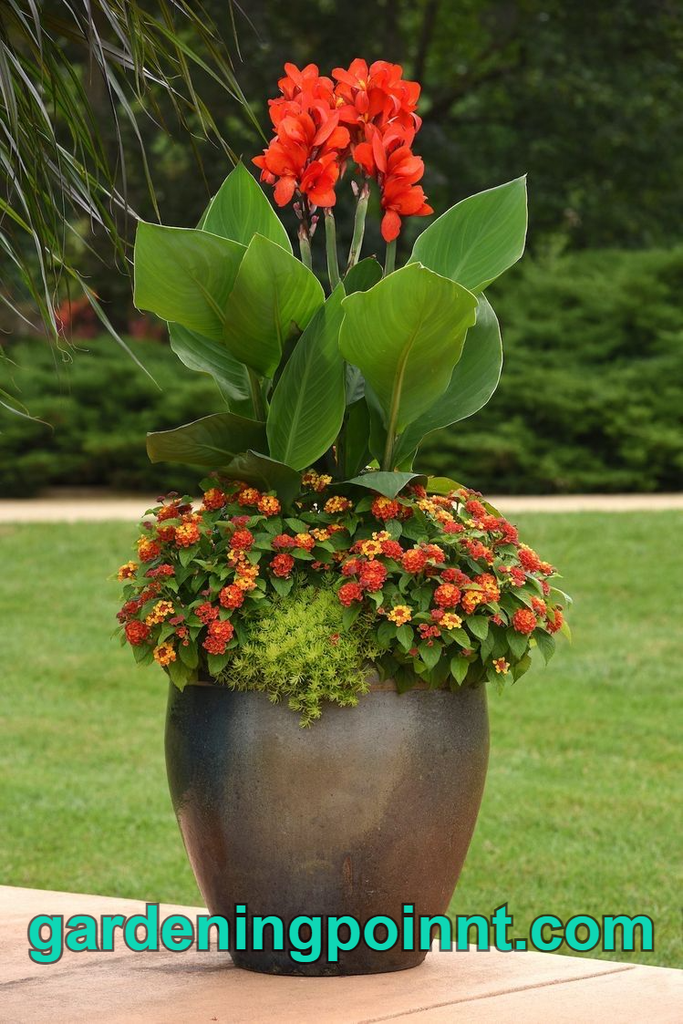
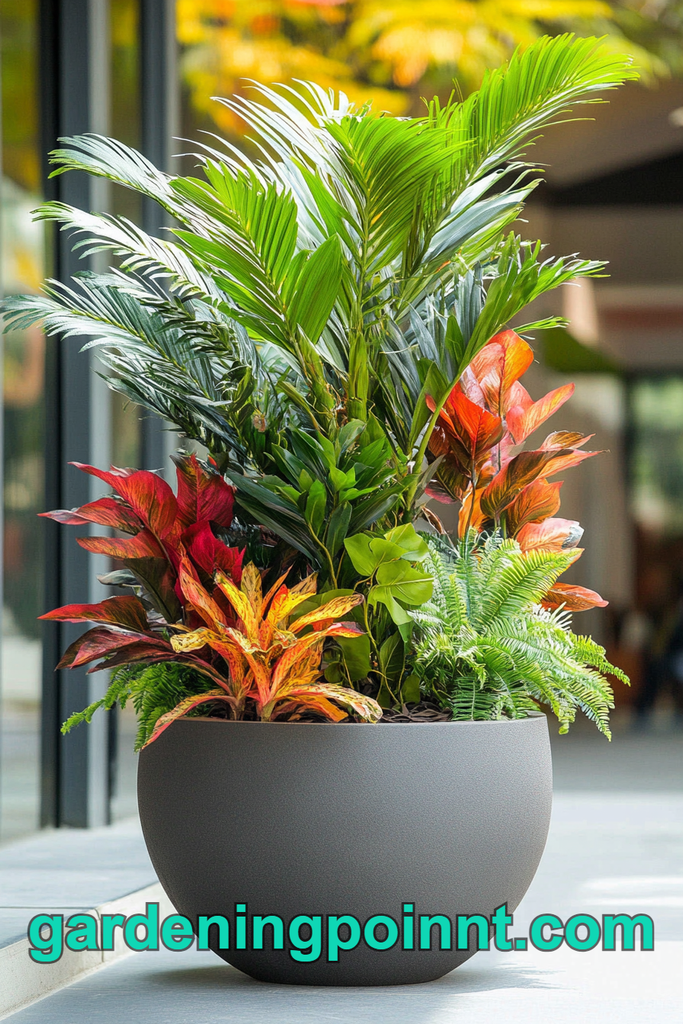
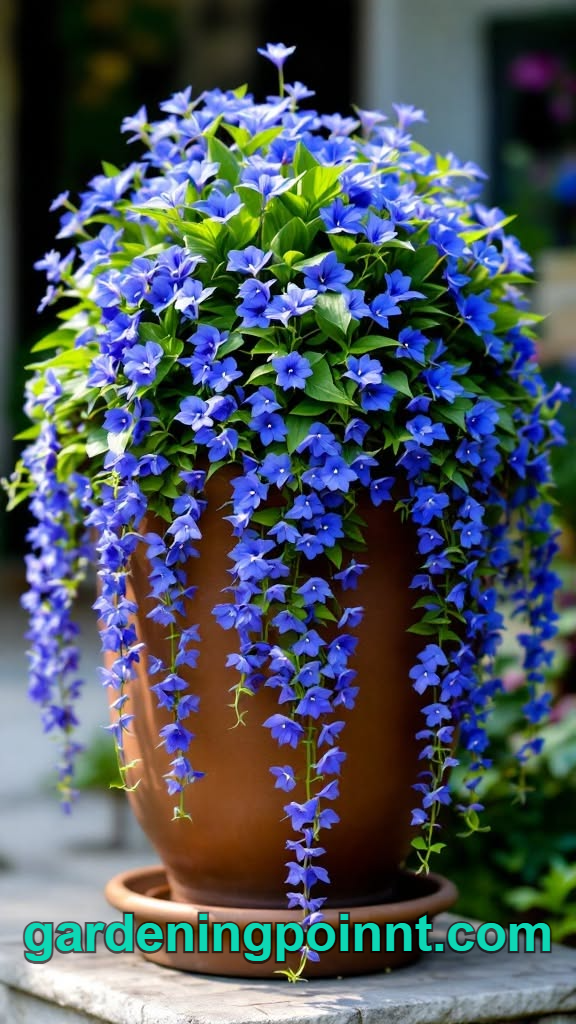
A popular and reliable formula for designing attractive mixed container plantings involves combining three types of plants: a tall, dramatic “thriller” plant at the center or back of the pot, medium-sized “filler” plants surrounding it for fullness, and trailing “spiller” plants that cascade over the container’s edge. This combination creates a dynamic, professionally designed look in a single pot, and countless variations can be created by swapping in different plants that share similar light and water requirements. Ornamental grasses or tall flowering plants work well as thrillers, while petunias or lobelia often serve effectively as spillers.
9. Grow Vegetables Successfully in Containers
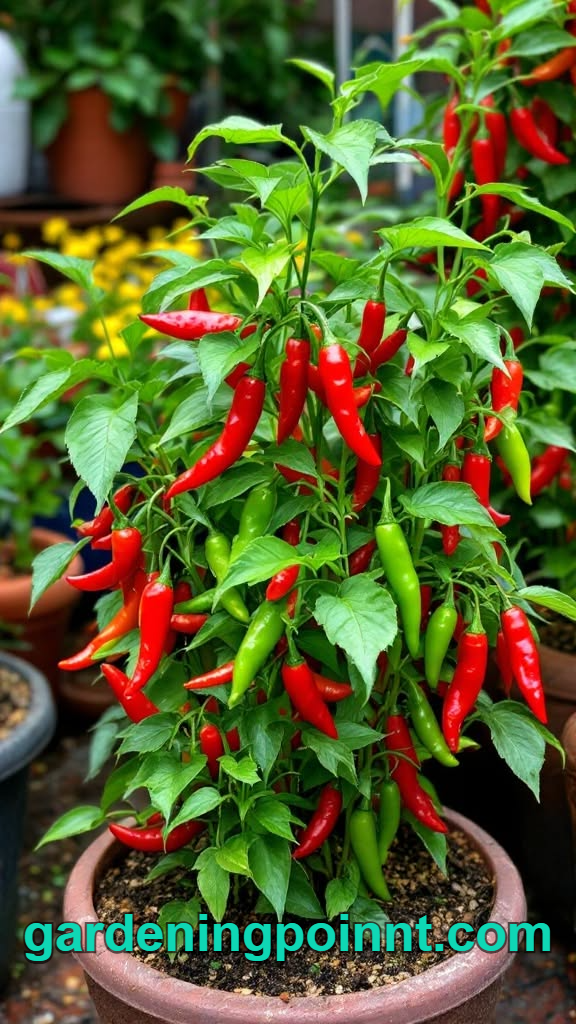
Many vegetables adapt well to container growing, provided they are given adequately sized pots and consistent care. Compact or dwarf varieties bred specifically for containers, such as patio tomatoes, bush cucumbers, and dwarf pepper plants, tend to perform better than full-sized varieties in the more limited root space a container provides. Leafy greens like lettuce and spinach are particularly well suited to container growing due to their shallow root systems and relatively quick harvest times.
10. Create a Container Herb Garden Near the Kitchen
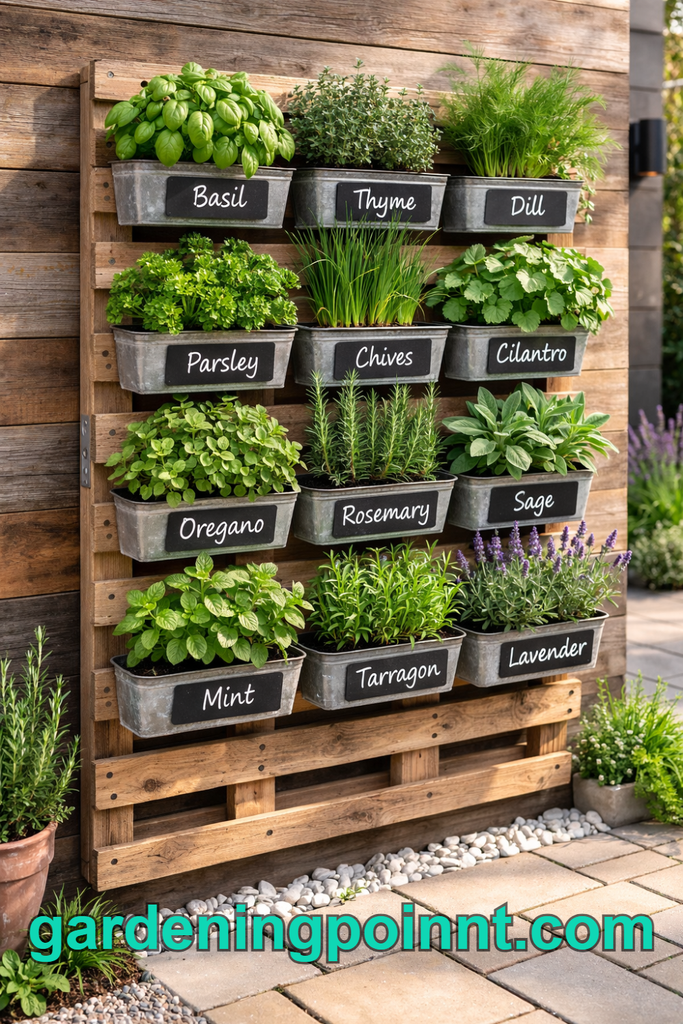
Herbs are among the most popular and practical choices for container gardening, offering fresh flavor for cooking while requiring minimal space. Positioning a container herb garden near a kitchen door or window makes it convenient to snip fresh herbs while cooking, and most culinary herbs like basil, thyme, and parsley thrive in pots with good drainage and adequate sunlight. Grouping herbs with similar water needs, such as drought-tolerant Mediterranean herbs together and moisture-loving herbs like mint separately, improves overall success.
11. Grow Dwarf Fruit Trees in Large Containers
Dwarf and patio varieties of fruit trees, including citrus, fig, and certain apple cultivars, can be successfully grown in large containers, making fresh fruit accessible even to those without garden space for a full-sized orchard tree. These trees typically require containers at least eighteen to twenty-four inches in diameter and need to be repotted every few years as their root systems grow. In colder climates, container-grown fruit trees offer the added advantage of being moved indoors or into a sheltered space during winter to protect them from frost damage.
12. Establish a Consistent Watering Schedule
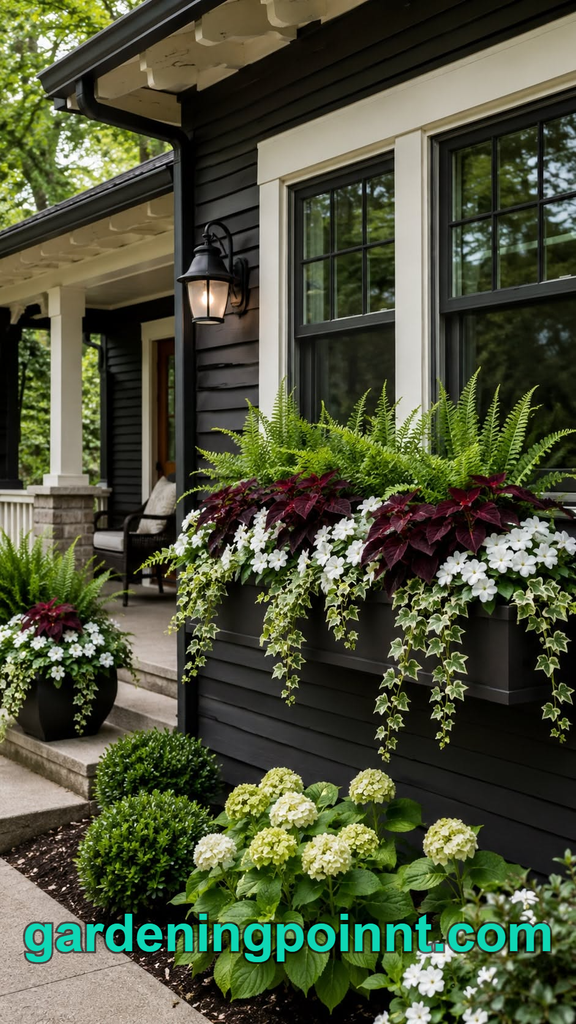
Container plants generally require more frequent watering than in-ground plants, since their limited soil volume dries out much faster, especially during hot summer months. Checking soil moisture by inserting a finger an inch or two into the pot before watering helps prevent both overwatering and underwatering, since visual appearance alone can be misleading. During peak summer heat, many containers may need daily watering, while cooler spring and fall conditions typically allow for less frequent attention.
13. Consider Self-Watering Containers for Convenience
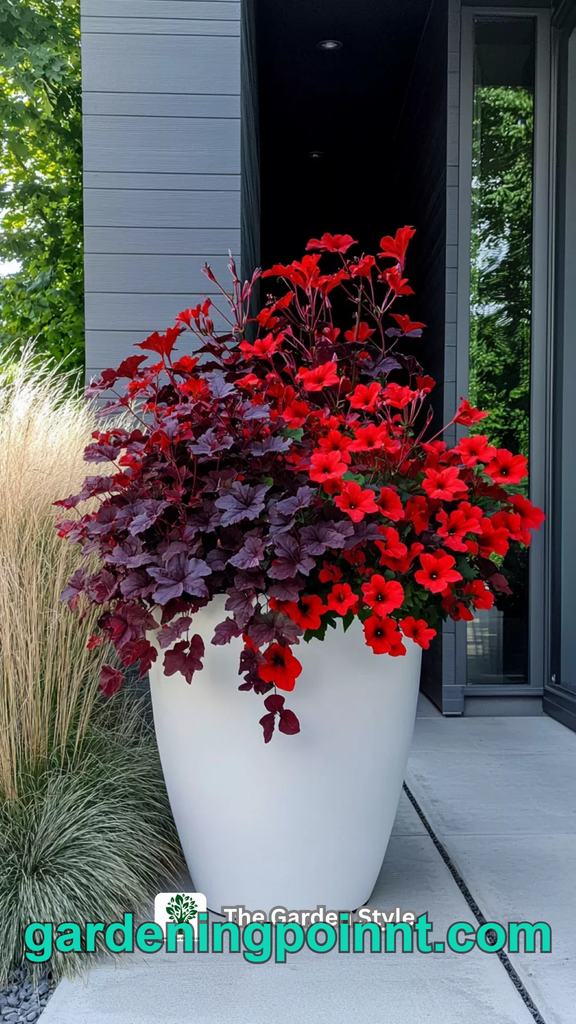
Self-watering containers, which include a reservoir at the base that supplies water to the soil through wicking action, can significantly reduce the frequency of manual watering required for container gardens. These containers are particularly useful for vacation periods, busy schedules, or for plants like tomatoes that are sensitive to inconsistent moisture levels. While self-watering containers involve a higher upfront cost than standard pots, many gardeners find the reduced maintenance burden well worth the investment.
14. Fertilize Container Plants Regularly
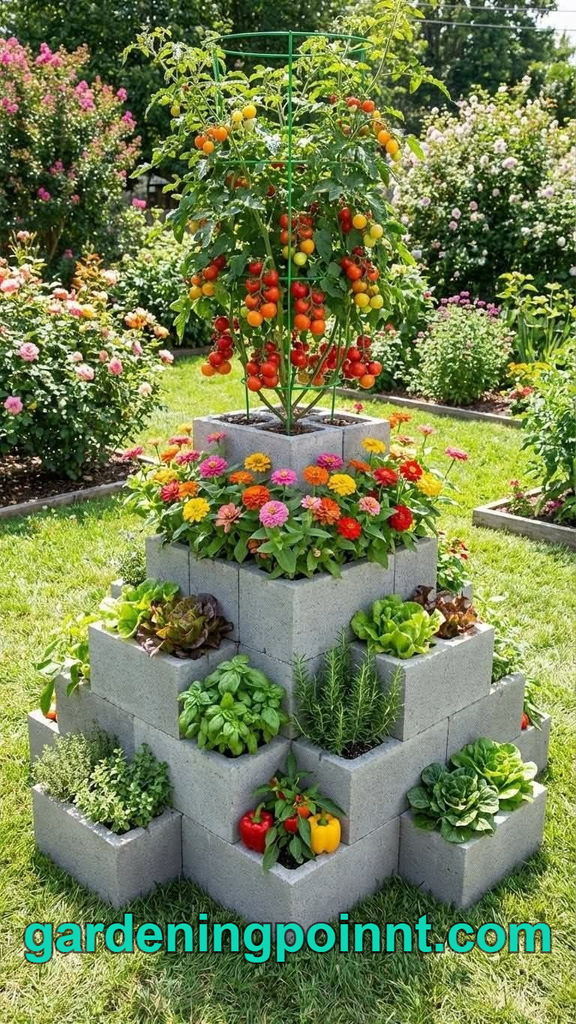
Because container plants have a limited volume of soil from which to draw nutrients, and because frequent watering can wash nutrients out of the pot more quickly than in garden beds, regular fertilization is particularly important for container gardening success. A balanced liquid fertilizer applied every two to four weeks during the growing season typically provides adequate nutrition for most container plants, though heavy feeders like tomatoes may benefit from more frequent applications. Slow-release granular fertilizers mixed into the potting soil at planting time can also provide a steady nutrient supply throughout the season.
15. Rotate and Refresh Containers Seasonally
One of the greatest advantages of container gardening is the ease of changing plantings from season to season, allowing for a continuously evolving display throughout the year. Spring bulbs can give way to summer annuals, which can then be replaced with fall mums or ornamental kale as temperatures cool. Refreshing the top few inches of potting soil or adding fresh compost when switching out seasonal plantings helps replenish nutrients that may have been depleted by the previous planting.
16. Protect Containers From Temperature Extremes
Container-grown plants are more vulnerable to temperature extremes than their in-ground counterparts, since their roots are not insulated by the surrounding earth. During periods of intense summer heat, moving containers to a spot with afternoon shade or grouping pots together can help reduce moisture loss and root stress. In winter, moving containers against a sheltered wall, wrapping pots in insulating material, or bringing tender plants indoors can protect roots from freezing temperatures that could otherwise kill the plant.
17. Use Vertical Space With Hanging and Tiered Containers
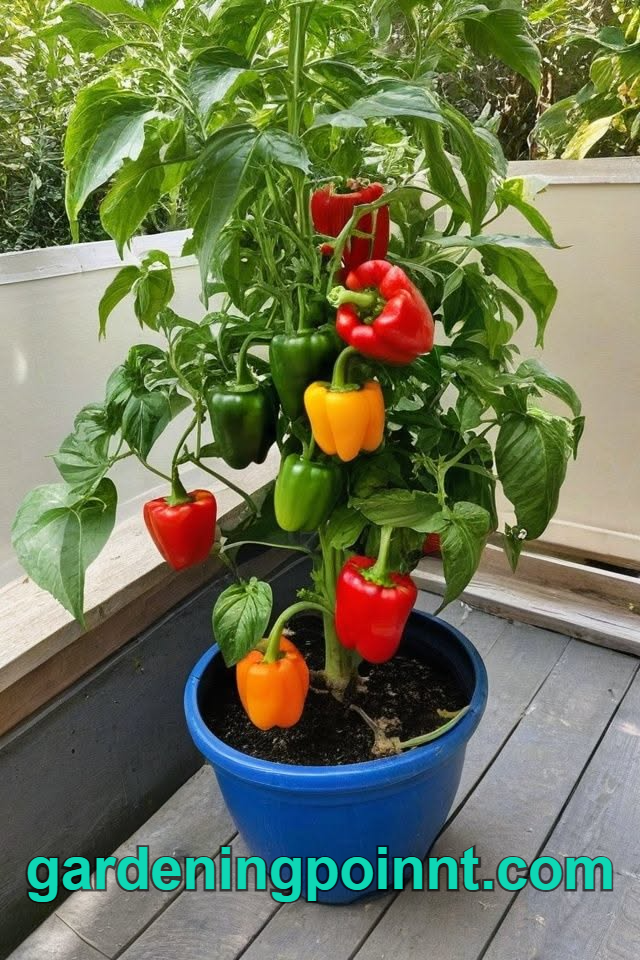
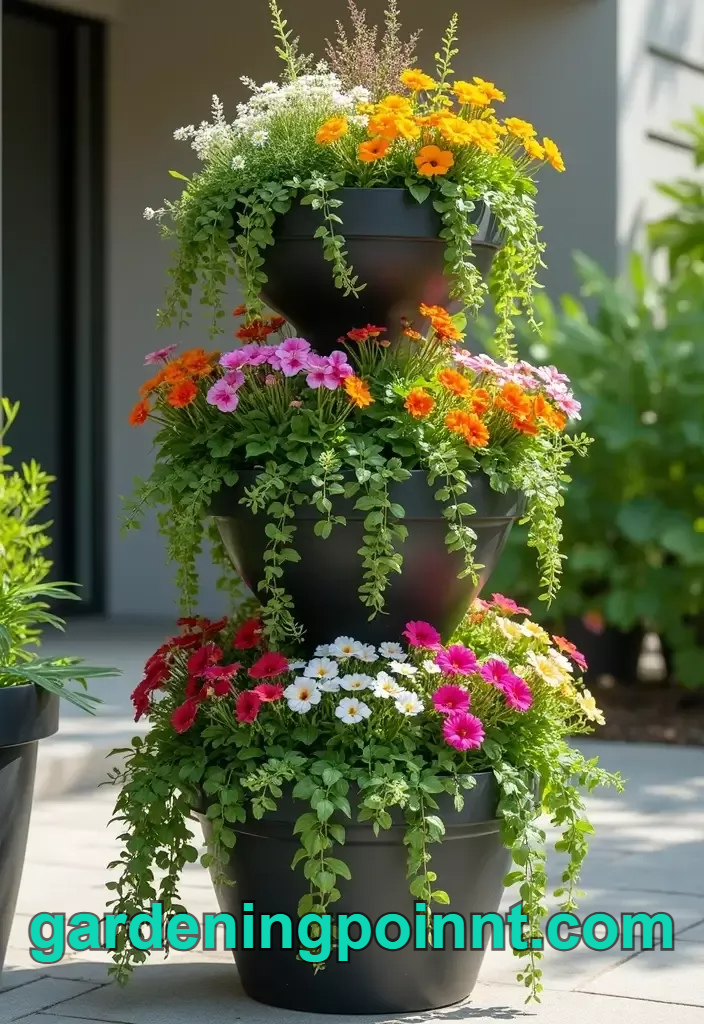
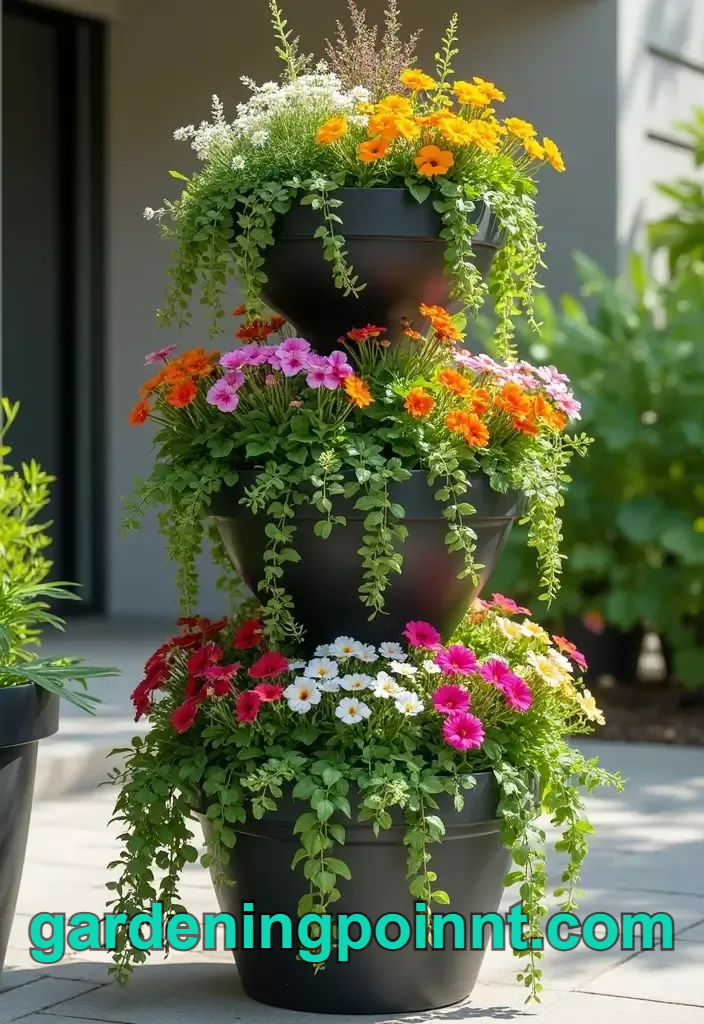
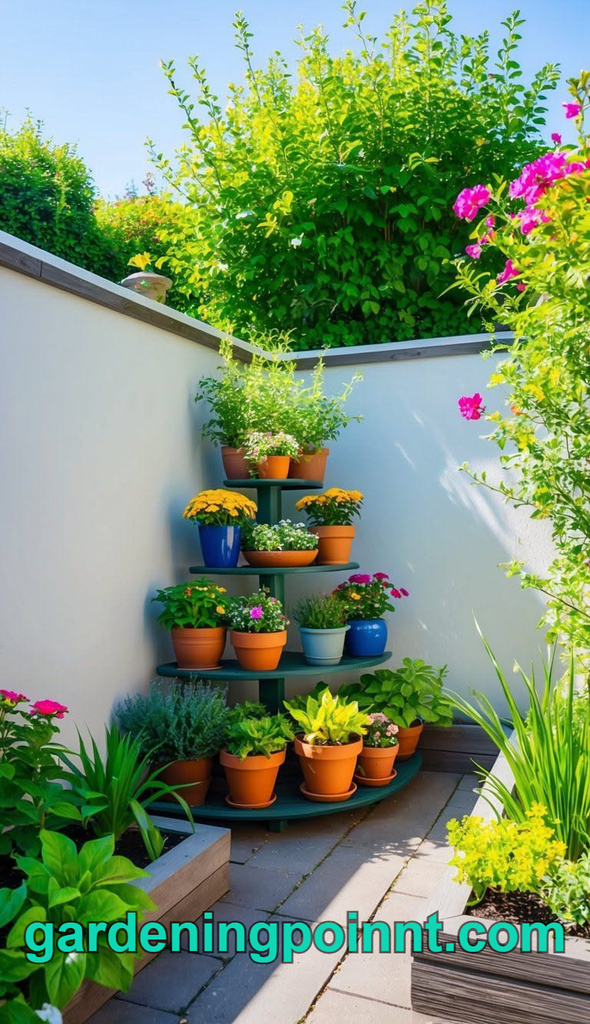
Container gardening does not need to be limited to ground-level pots; hanging baskets, wall-mounted planters, and tiered plant stands allow for significant expansion of growing space, particularly valuable on balconies or small patios. Trailing plants like petunias, ivy, or cherry tomatoes bred for hanging baskets take advantage of this vertical space effectively. Combining ground-level containers with hanging and tiered options creates a fuller, more dynamic display within a limited footprint.
18. Address Pests and Diseases Promptly in Container Gardens
While container gardening can reduce certain pest and disease pressures compared to in-ground growing, container plants are not immune to problems and require regular monitoring. Inspecting leaves regularly, particularly the undersides, helps catch issues like aphids or spider mites before they spread significantly. Because containers hold a limited soil volume, fungal and pest issues can sometimes progress more quickly than in garden beds, making prompt attention especially important.
19. Repot Plants as They Outgrow Their Containers
As container plants grow, their root systems eventually fill the available soil volume, a condition known as being root-bound, which can restrict further growth and reduce the plant’s ability to take up water and nutrients effectively. Signs that a plant needs repotting include roots visibly emerging from drainage holes, water running through the pot too quickly without being absorbed, or noticeably slowed growth. When repotting, choosing a container only a few inches larger in diameter than the previous one helps prevent the new pot from holding excess moisture that outpaces the plant’s root growth.
20. Plan for Year-Round Container Gardening Success
A truly successful container garden accounts for how plantings will change and adapt throughout the entire year, rather than focusing only on a single peak season. Combining evergreen or perennial anchor plants with rotating seasonal annuals ensures containers maintain visual interest even during quieter periods of the year. Regularly assessing each container’s health, adjusting watering and fertilizing schedules with the changing seasons, and being willing to swap out struggling plants all contribute to a container garden that remains vibrant and productive year after year.
Frequently Asked Questions About Container Gardening
What is the best soil for container gardening? A high-quality potting mix specifically formulated for container use, rather than garden soil, provides the lighter texture and better drainage that container plants need to thrive.
How often should container plants be watered? This varies by plant and climate, but many containers need watering every one to three days during warm weather, since their limited soil volume dries out faster than in-ground garden beds.
Can vegetables really grow well in containers? Yes. Many vegetables, especially compact or dwarf varieties bred specifically for containers, produce well when given an appropriately sized pot, quality soil, and consistent watering and fertilizing.
Do container plants need more fertilizer than garden plants? Generally yes, since frequent watering can wash nutrients out of the limited soil volume more quickly than in garden beds, making regular fertilization an important part of container plant care.
What size pot do I need for a tomato plant? Tomatoes generally need a container at least eighteen inches in diameter and depth to accommodate their extensive root systems and support healthy fruit production throughout the season.
With the right containers, quality potting soil, and consistent care, container gardening makes it possible to grow a thriving mix of vegetables, herbs, and flowers in almost any space, regardless of available yard size. Paying attention to watering, fertilizing, and seasonal adjustments will help ensure your container garden remains healthy and productive throughout the year.