Raised garden beds have become one of the most popular ways to grow vegetables, herbs, and flowers, offering better soil control, improved drainage, and easier access compared to traditional in-ground gardening. Whether you are working with a small backyard, a sloped lot, or poor native soil, raised beds provide a flexible and highly productive growing solution. This guide covers twenty raised garden bed ideas, from materials and layout to plant selection, construction tips, and long-term maintenance strategies.
1. Understand the Benefits of Raised Garden Beds
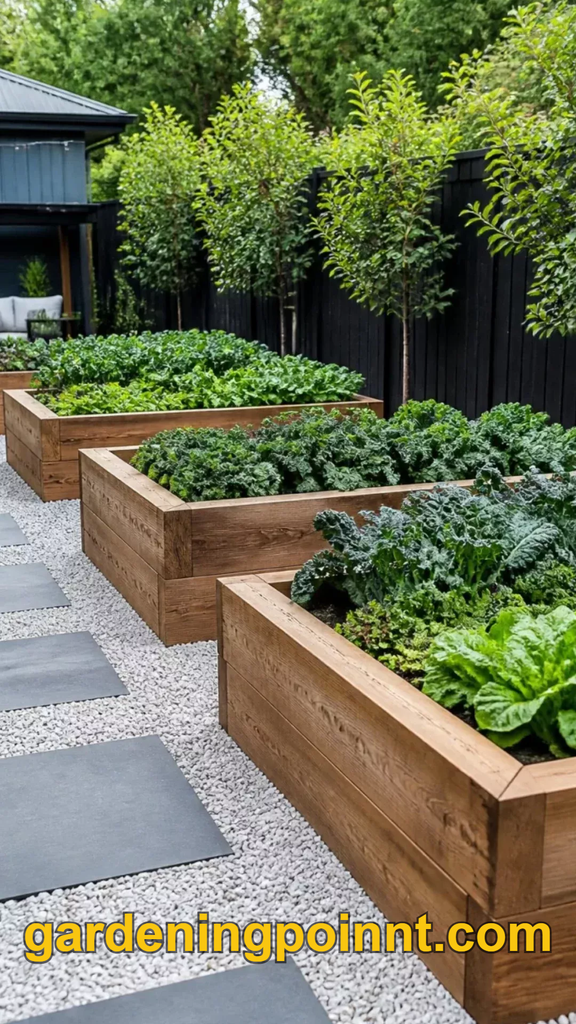
Before diving into design choices, it helps to understand why raised beds have become so popular among gardeners of all experience levels. Raised beds allow complete control over soil quality, since you fill them with a custom blend rather than relying on existing native soil that may be compacted, rocky, or nutrient-poor. They also warm up faster in spring, drain more effectively after heavy rain, and reduce the need for bending or kneeling when built at a comfortable height. For gardeners dealing with poor soil, limited space, or mobility concerns, raised beds often solve multiple problems at once.
2. Choose the Right Material for Your Climate and Budget
Raised beds can be constructed from a wide range of materials, each with different costs, lifespans, and aesthetic qualities. Untreated cedar and redwood are popular choices for their natural rot resistance and attractive appearance, though they come at a higher price point than standard pine. Composite lumber, galvanized metal, concrete blocks, and natural stone all offer longer-lasting alternatives for those willing to invest more upfront, while budget-conscious gardeners often start with basic pine boards, accepting that they may need replacement after several years.
3. Determine the Ideal Height for Your Needs
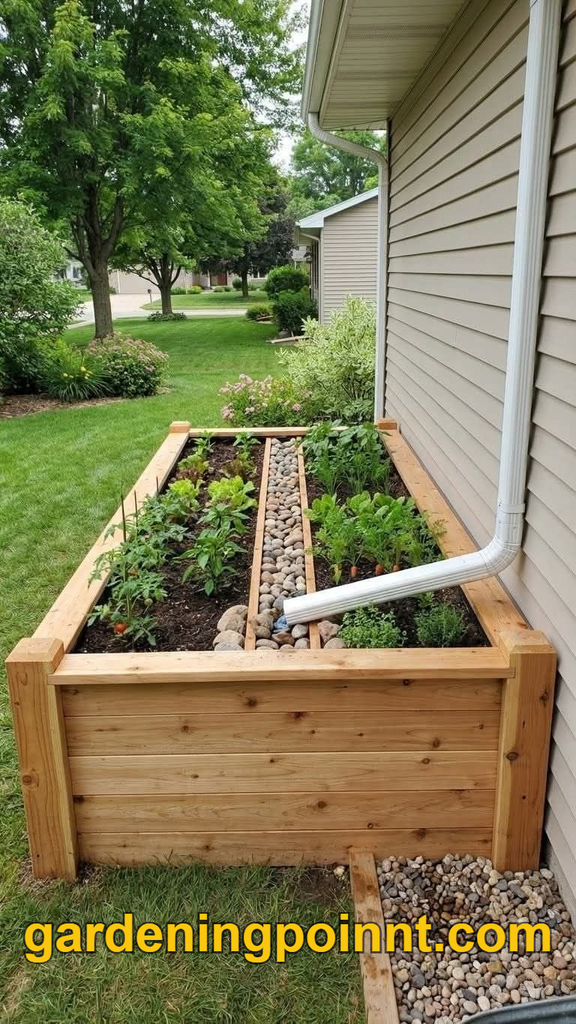
The height of a raised bed should be determined by its intended purpose and the physical needs of the gardener using it. A height of eight to twelve inches is generally sufficient for most vegetables and provides adequate soil depth for healthy root development. Gardeners who want to avoid bending or kneeling entirely, including those with mobility limitations, often opt for taller beds in the range of twenty-four to thirty-six inches, sometimes incorporating a seating ledge around the perimeter for added comfort.
4. Plan the Width for Easy Access Without Stepping In
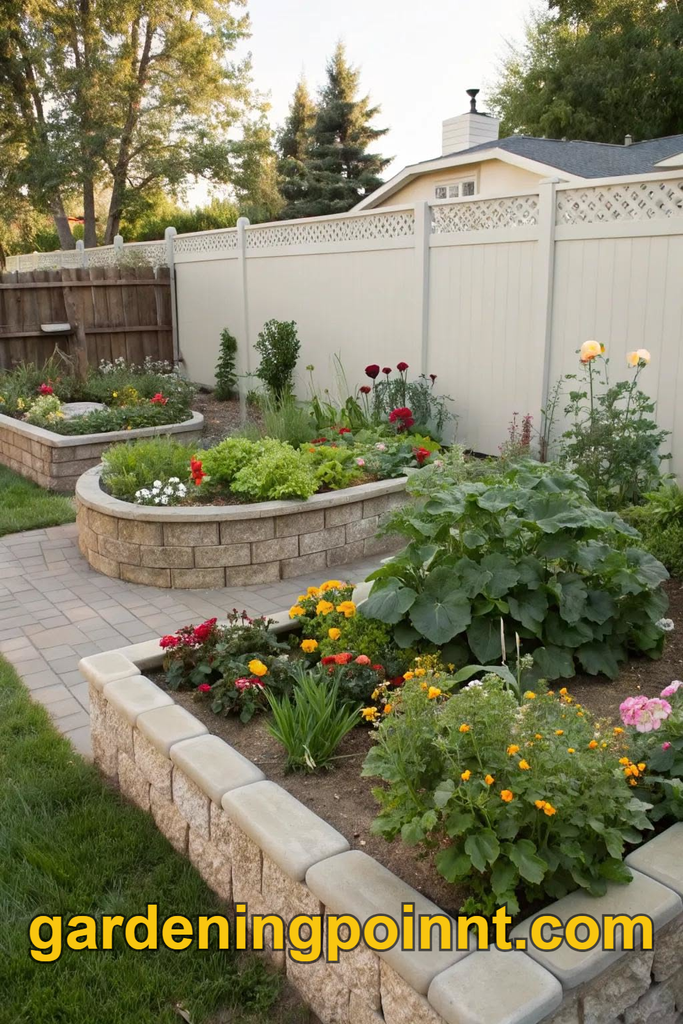
A well-designed raised bed should never require stepping into the growing area to reach the center, since this compacts the soil and undoes many of the benefits raised beds provide. A width of three to four feet is generally recommended for beds accessible from both sides, allowing an average adult to comfortably reach the middle without straining. Beds positioned against a wall or fence, accessible from only one side, should be narrower, typically no more than two to three feet wide.
5. Consider Length Based on Available Space and Material Sizing
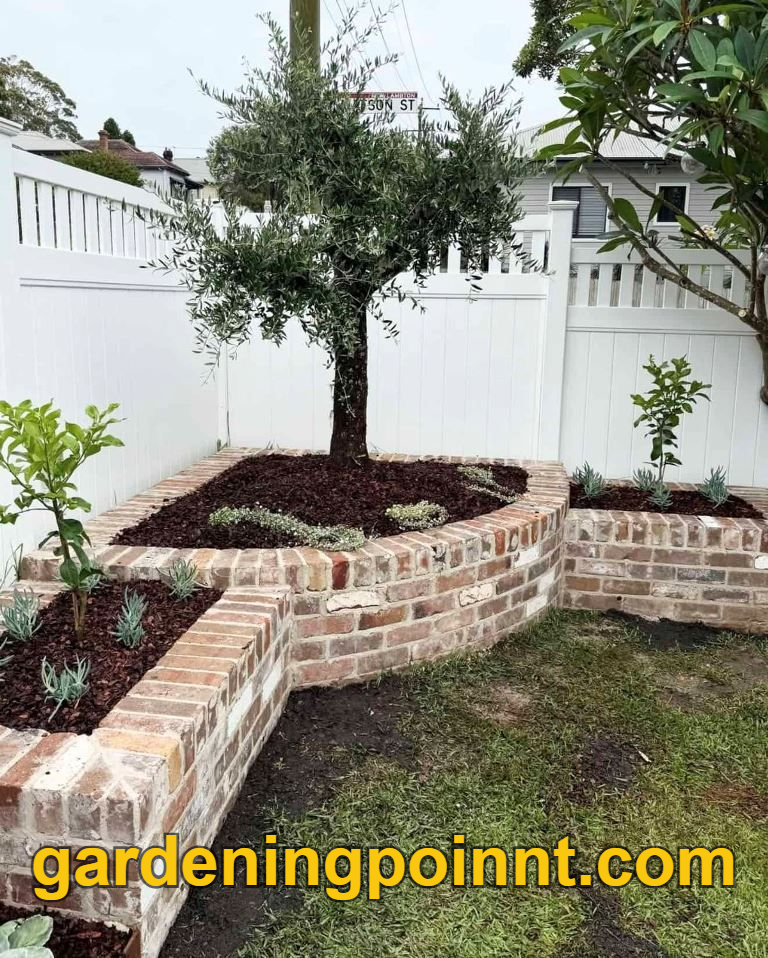
While bed length is more flexible than width, it is worth considering standard lumber dimensions when planning to minimize cutting and waste. Beds built to lengths of four, six, or eight feet align well with common board sizes and simplify the construction process. Longer beds can be highly productive but may require additional bracing at the midpoint to prevent the sides from bowing outward under the weight of the soil.
6. Design a Layout With Multiple Beds and Pathways
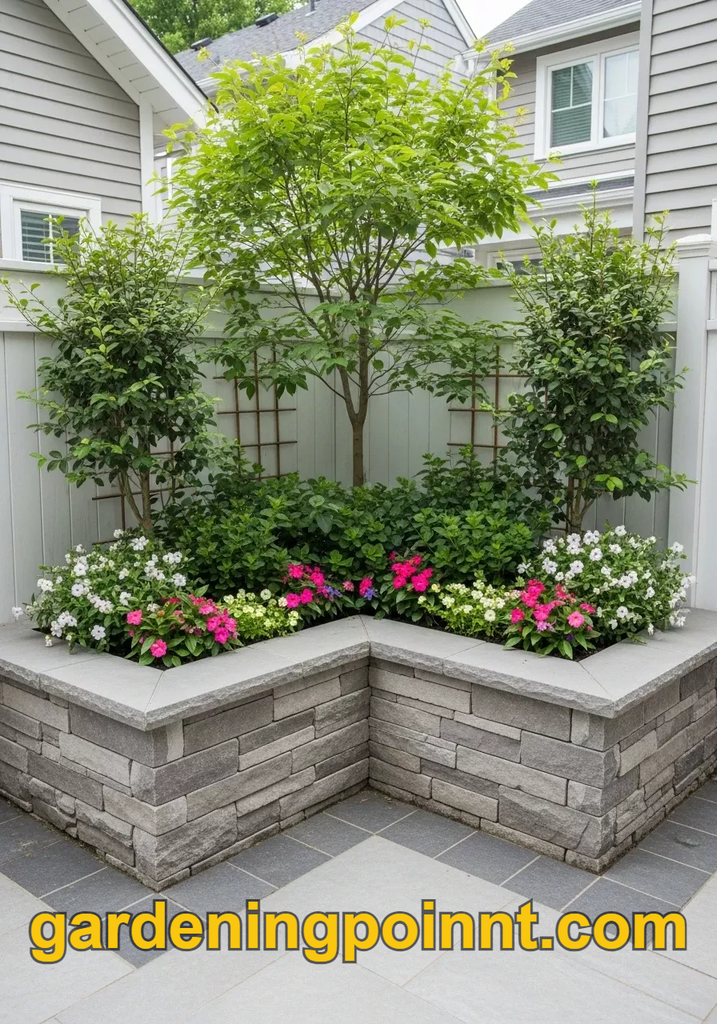
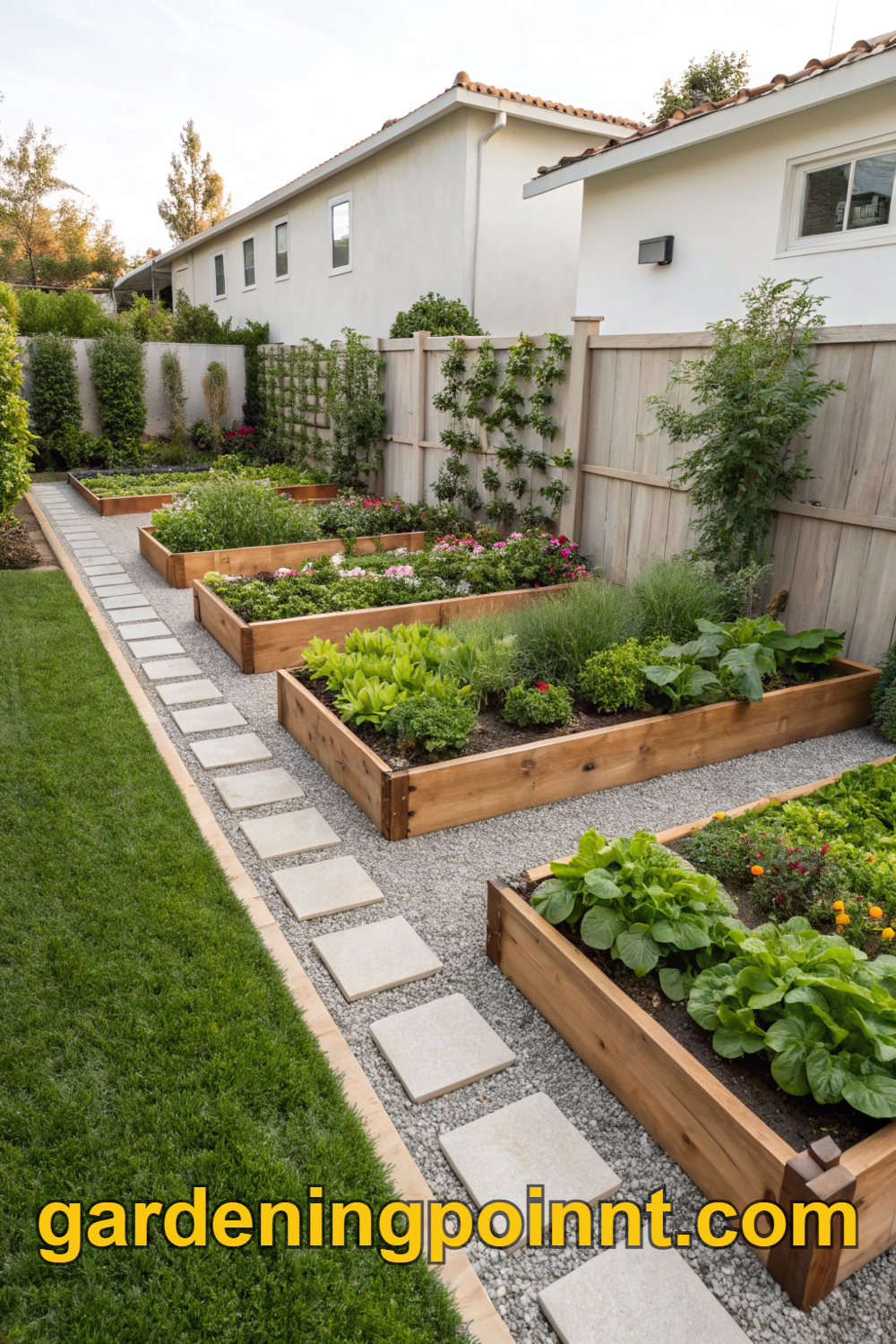
For larger raised bed gardens involving multiple beds, planning clear pathways between them is just as important as the beds themselves. Pathways should be wide enough to comfortably accommodate a wheelbarrow, typically at least two to three feet, and can be finished with mulch, gravel, or pavers to reduce mud and weed growth. Arranging beds in a grid pattern with consistent spacing creates an organized, efficient layout that also makes crop rotation and garden planning more straightforward from year to year.
7. Fill Beds With a Quality Soil Mix
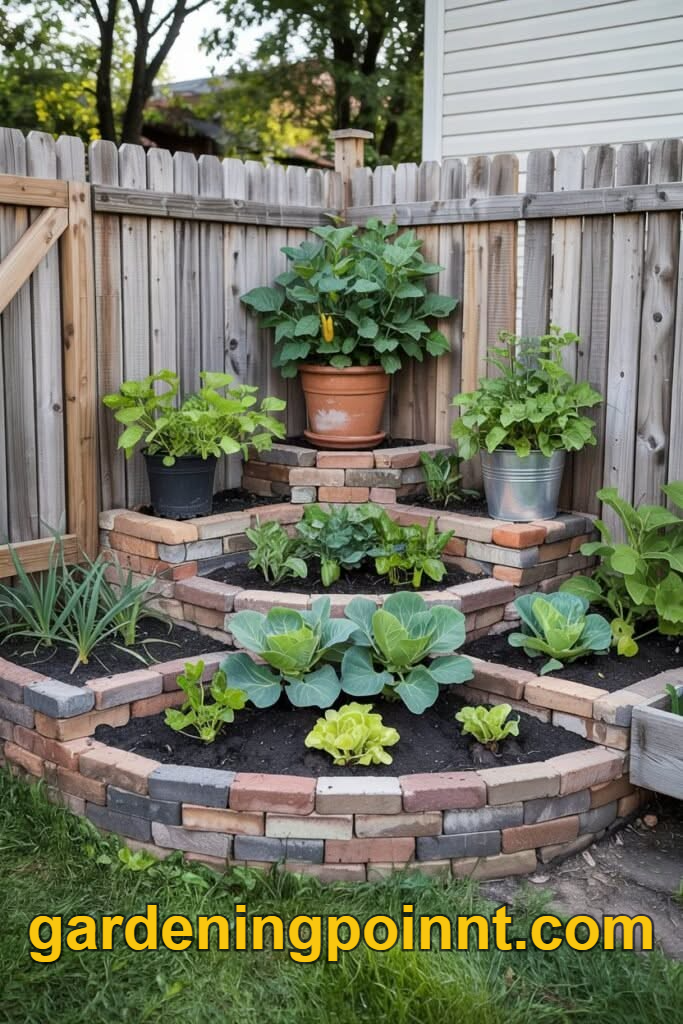
The soil used to fill a raised bed has a significant impact on plant health and productivity, making it worth investing in a quality mix rather than using whatever native soil is on hand. A common and effective approach combines topsoil, compost, and materials like peat moss or coconut coir in roughly equal parts, creating a blend that retains moisture while still draining well. Topping off beds with an inch or two of fresh compost each season helps replenish nutrients without requiring a complete soil replacement.
8. Use the Square Foot Gardening Method for Small Beds
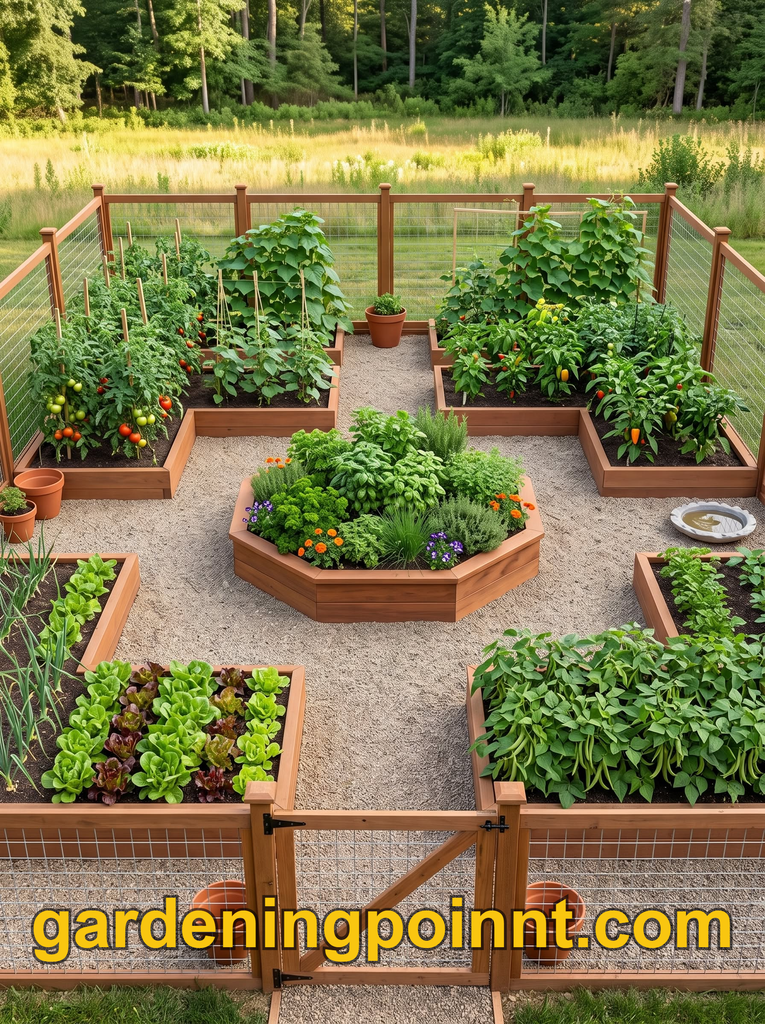
Square foot gardening divides a raised bed into a grid of one-foot squares, with each square planted according to the specific spacing needs of a given crop, maximizing productivity in a compact area. This method works particularly well in beds around four feet by four feet, making every square easily reachable and simplifying garden planning through a straightforward visual grid. Beginners often find this method helpful for avoiding the common mistake of overcrowding or underutilizing space in a new raised bed.
9. Incorporate Companion Planting for Healthier Crops
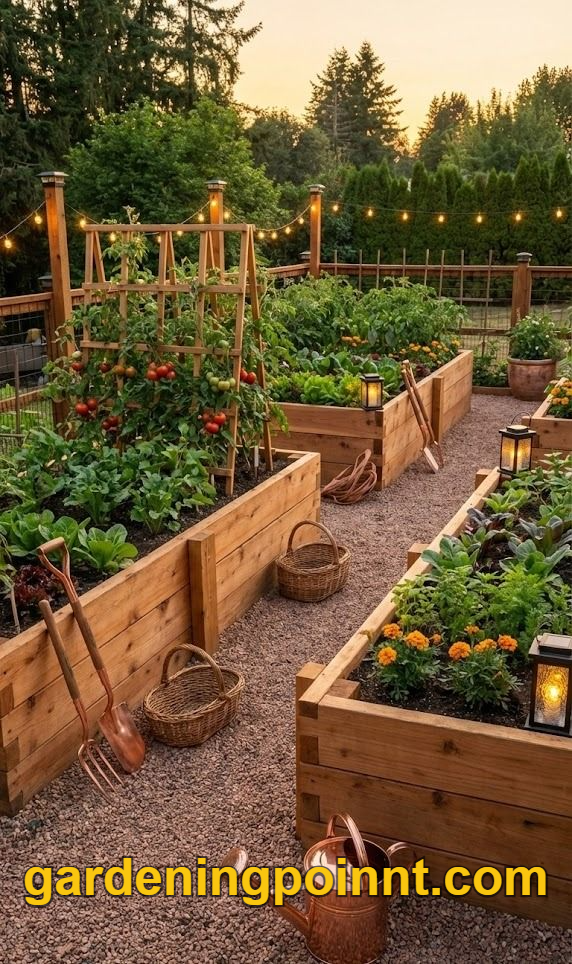
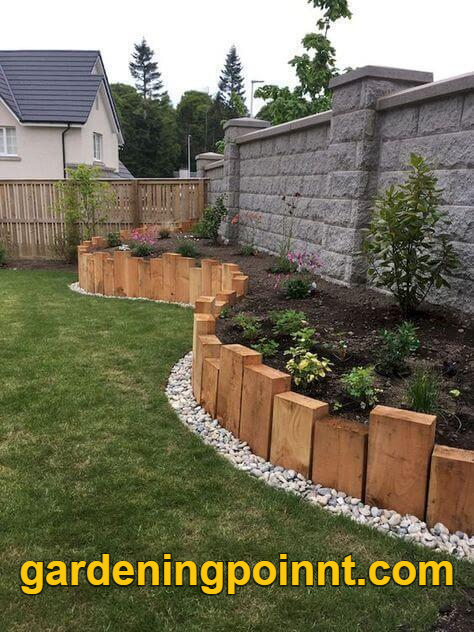
Companion planting involves growing certain plants together that benefit one another through pest deterrence, improved pollination, or more efficient use of space, and raised beds provide an ideal contained environment for this technique. Classic combinations include tomatoes with basil, which is believed to improve flavor and repel certain pests, and the traditional “three sisters” planting of corn, beans, and squash. Researching companion planting charts specific to the vegetables you intend to grow can help maximize the productivity and health of a raised bed.
10. Add Trellises for Vertical Growing
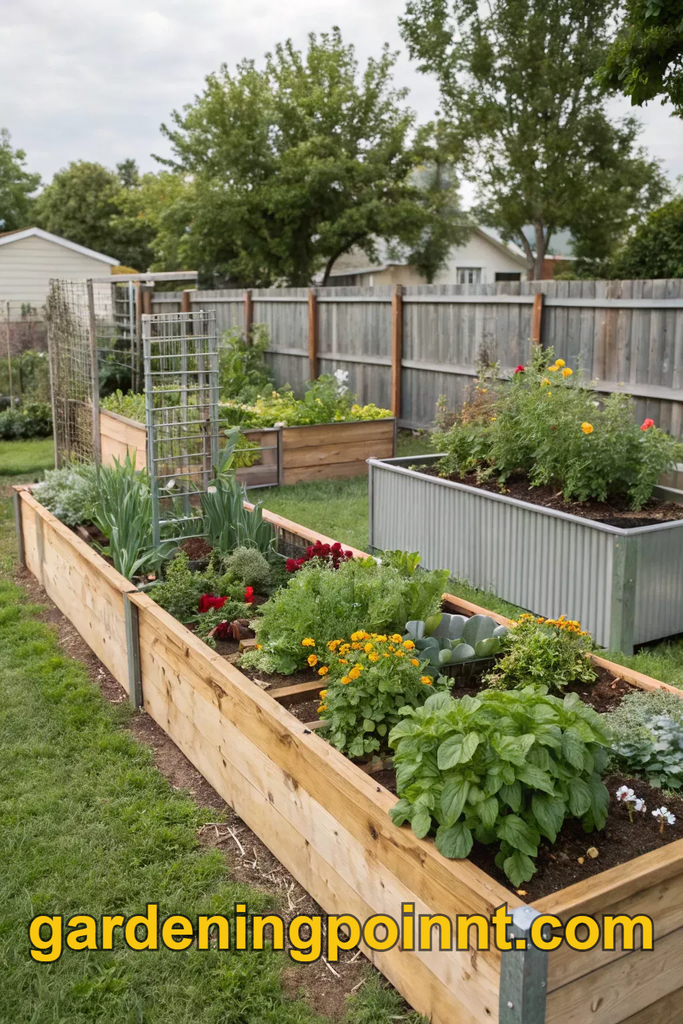
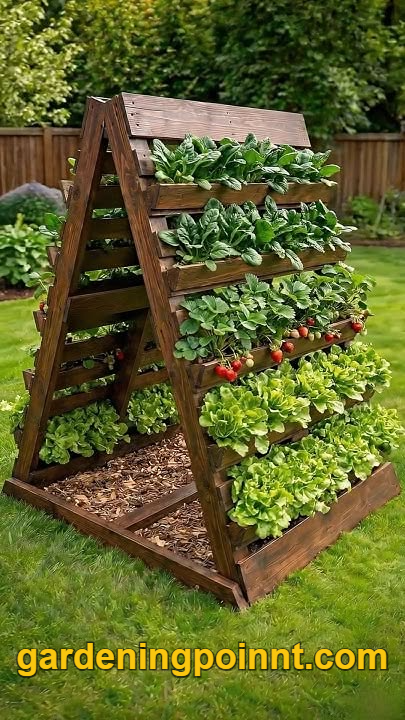
Installing a trellis at the back or center of a raised bed allows vining crops like cucumbers, pole beans, and peas to grow vertically rather than sprawling across the bed and competing with other plants for space. This vertical growing approach also improves air circulation around the plants, potentially reducing the risk of fungal diseases common in humid conditions. Simple trellises can be constructed from wooden stakes and twine, cattle panel arched over the bed, or purpose-built metal trellis panels attached directly to the bed frame.
11. Install Drip Irrigation for Consistent Watering
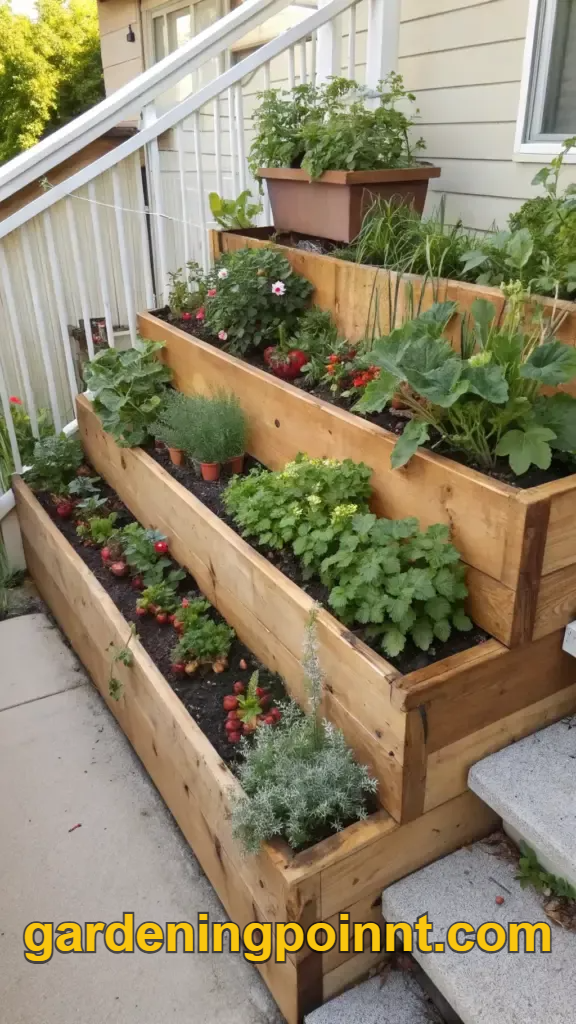
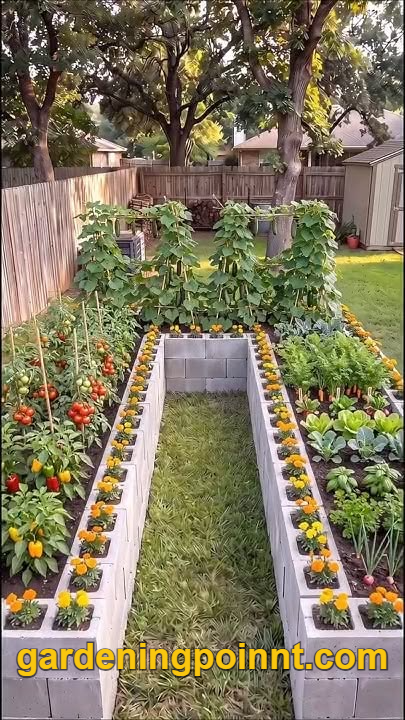
Raised beds tend to dry out faster than in-ground gardens due to their improved drainage, making consistent watering especially important for healthy plant growth. Installing a simple drip irrigation system with a timer ensures beds receive regular, even moisture without requiring daily manual watering, which is particularly valuable during hot summer months or for gardeners who travel frequently. Drip irrigation also delivers water directly to the soil rather than the foliage, reducing the risk of fungal diseases associated with wet leaves.
12. Add a Cold Frame or Cover for Extended Growing Seasons
Attaching a simple cold frame, hoop house, or removable cover to a raised bed can extend the growing season significantly by protecting plants from frost in early spring and late fall. Clear plastic sheeting or floating row covers stretched over hoops inserted into the bed’s sides create an effective, low-cost season extension system. For gardeners in colder climates, this addition can allow for earlier spring planting and a longer harvest window into the fall.
13. Build Beds at Varying Heights for Visual Interest and Function
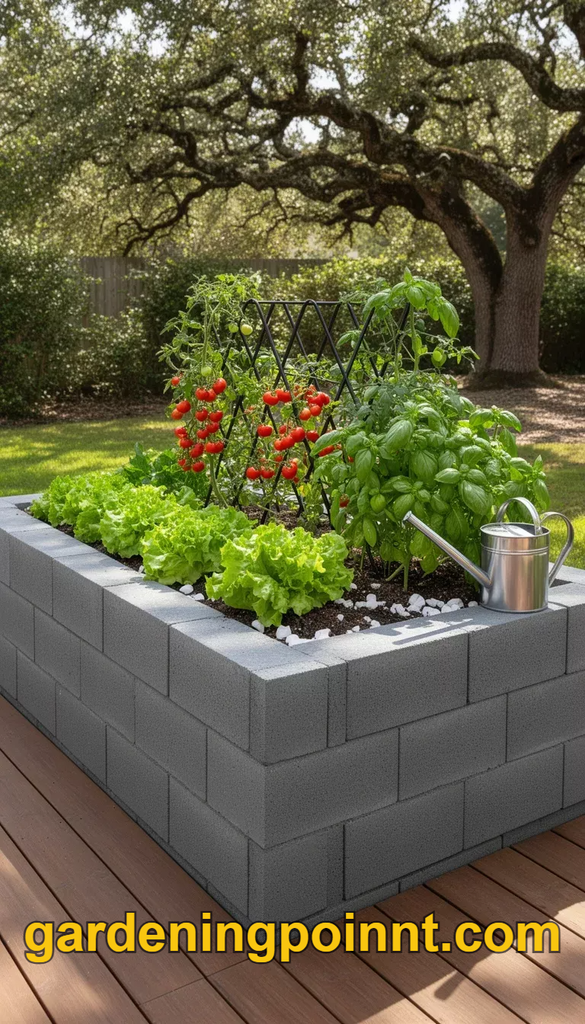
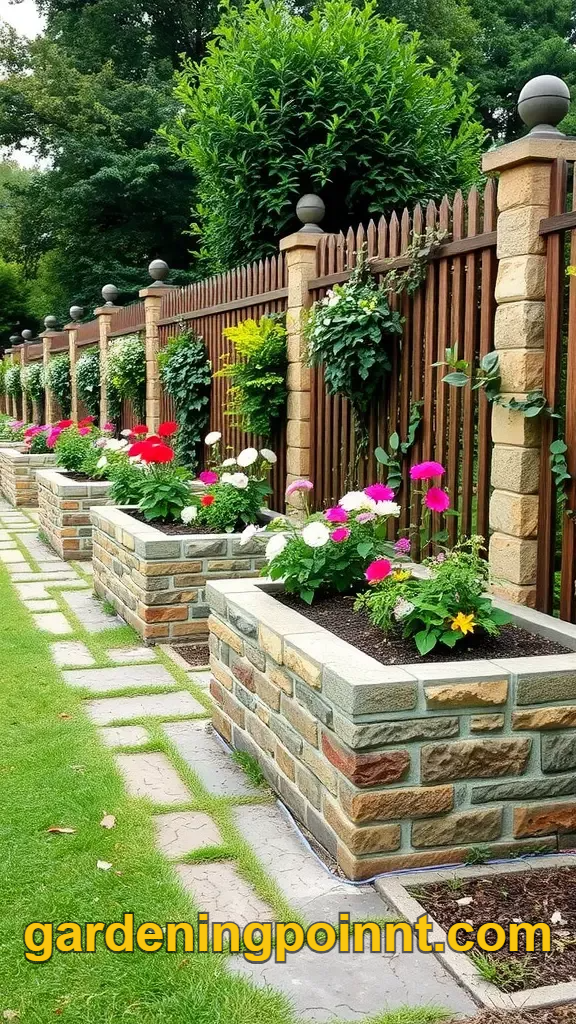
Rather than building every raised bed to the same height, incorporating some variation can add visual interest to the garden while also serving different functional purposes. Taller beds work well for deep-rooted crops like carrots and potatoes, or for gardeners who want to minimize bending, while shorter beds suit shallow-rooted herbs and lettuces that require less soil depth. This tiered approach can also create an attractive, layered appearance when viewed from a distance.
14. Line the Bottom of Beds to Deter Pests and Weeds
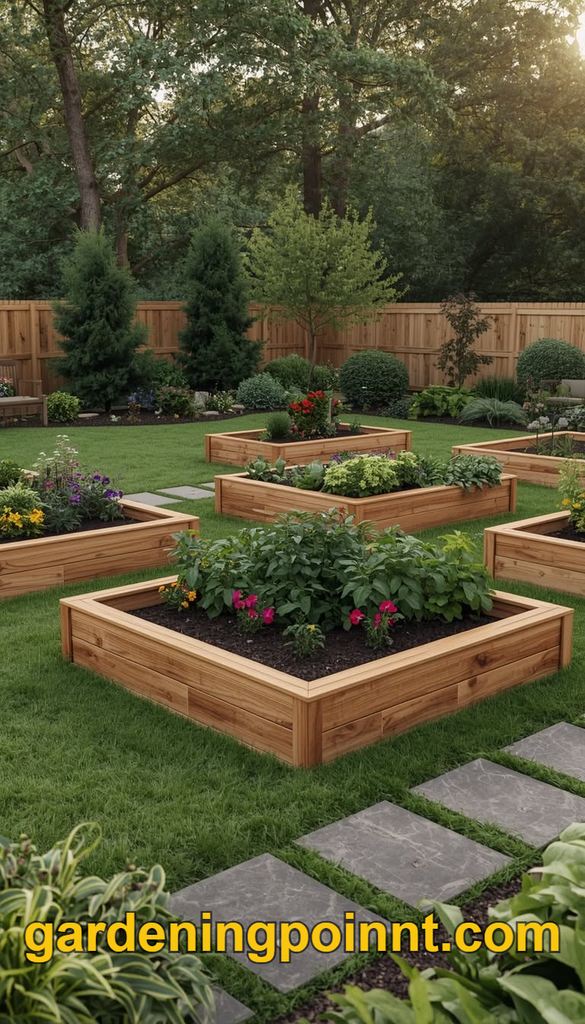
Lining the bottom of a raised bed with hardware cloth before filling it with soil helps prevent burrowing pests like gophers and voles from tunneling up into the growing area from below. For beds built directly on top of grass or weedy areas, adding a layer of cardboard or landscape fabric beneath the soil can help suppress existing vegetation from growing up into the new bed. These preventative steps taken during initial construction can save significant maintenance headaches later on.
15. Choose Corner Bracket Kits for Easy DIY Construction
For gardeners who want the customization of a DIY raised bed without the complexity of traditional woodworking, corner bracket kits offer a simplified construction method. These brackets typically allow standard dimensional lumber to be assembled into a sturdy bed frame using only a drill, eliminating the need for measuring and cutting complex joints. This approach makes raised bed construction accessible even to those with minimal carpentry experience or tools.
16. Consider Metal Raised Beds for Modern Style and Durability
Galvanized metal raised beds have grown in popularity for their sleek, modern appearance and impressive durability compared to wood, which eventually rots and requires replacement. Metal beds also heat up faster in spring, which can be an advantage for early planting, though this same quality means soil may dry out more quickly during hot summer months, requiring more frequent watering. Many prefabricated metal bed kits are available in a range of shapes and sizes, simplifying installation for those who prefer not to build from scratch.
17. Group Raised Beds by Water and Sunlight Needs
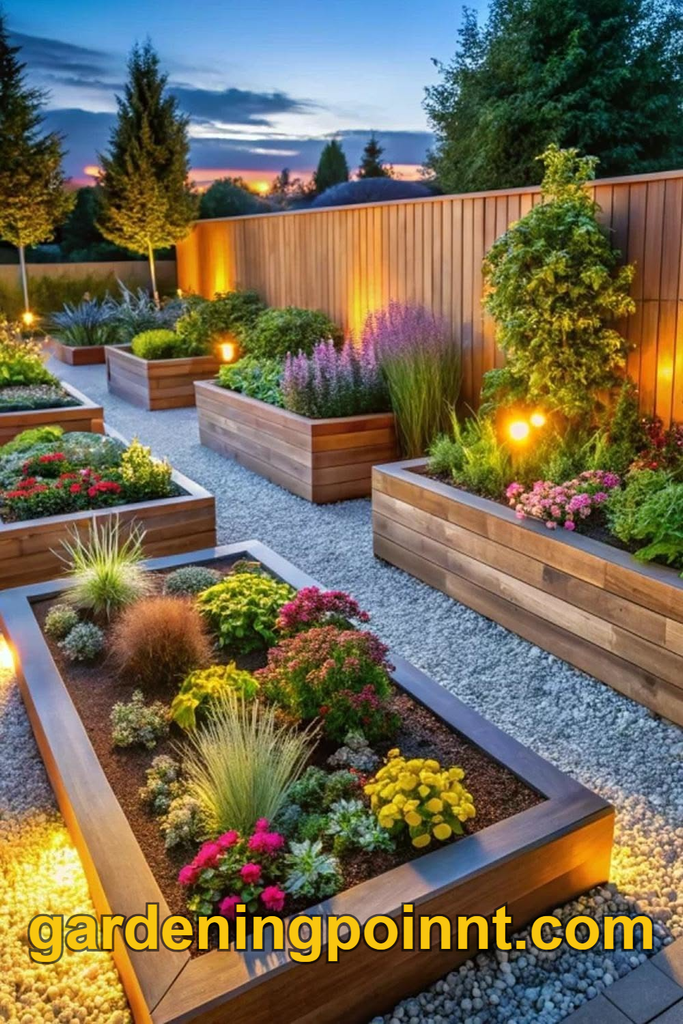
When planning multiple raised beds, grouping plants with similar water and sunlight requirements into the same bed simplifies care and improves overall plant health. For example, drought-tolerant Mediterranean herbs like rosemary and thyme can be grown together in one bed, while moisture-loving vegetables like lettuce and spinach occupy another. This grouping strategy prevents the common problem of overwatering some plants while underwatering others within the same growing space.
18. Rotate Crops Between Beds Each Season
Practicing crop rotation, or moving plant families to different beds each growing season, helps prevent the buildup of soil-borne diseases and pest populations that can occur when the same crops are grown in the same location year after year. Keeping a simple record of what was planted in each bed from season to season makes this rotation process straightforward to manage over time. This practice is particularly important for heavy feeders like tomatoes and members of the brassica family, which can deplete specific soil nutrients if grown continuously in the same spot.
19. Add Mulch to Retain Moisture and Suppress Weeds
Applying a layer of mulch, such as straw, shredded leaves, or wood chips, across the surface of a raised bed helps retain soil moisture between waterings and suppresses weed growth throughout the season. This is particularly valuable in raised beds, which tend to dry out faster than in-ground gardens due to their improved drainage. Organic mulches also break down gradually over time, contributing beneficial organic matter back into the soil.
20. Plan for Winterizing and Off-Season Care
Preparing raised beds for winter helps protect the soil investment and sets the stage for a successful start the following growing season. Removing spent plants, adding a fresh layer of compost, and covering the bed with mulch or a cover crop like clover can help protect and enrich the soil during the dormant months. For gardeners in colder climates, this off-season preparation also reduces the amount of spring cleanup needed before planting can begin again.
Frequently Asked Questions About Raised Garden Beds
How deep should a raised garden bed be? Most vegetables grow well in beds with at least eight to twelve inches of soil depth, though root vegetables and gardeners wanting to avoid bending may prefer beds twenty-four inches or taller.
What is the best material for raised garden beds? Untreated cedar and redwood are popular for their natural rot resistance, while galvanized metal and composite lumber offer longer-lasting, low-maintenance alternatives at a higher upfront cost.
What should I fill a raised garden bed with? A blend of topsoil, compost, and organic matter like peat moss or coconut coir in roughly equal parts creates a well-draining yet moisture-retentive mix suited to most vegetables and flowers.
How often do raised garden beds need to be watered? Because raised beds drain more quickly than in-ground gardens, they generally require more frequent watering, often needing attention every one to two days during hot summer weather.
Can I build a raised garden bed without any construction experience? Yes. Corner bracket kits and prefabricated raised bed kits are widely available and require only basic tools like a drill, making raised bed construction accessible to gardeners with little to no carpentry experience.
With the right materials, thoughtful sizing, and quality soil, raised garden beds offer a productive and manageable way to grow vegetables, herbs, and flowers regardless of your yard’s existing soil conditions. Taking the time to plan bed placement, irrigation, and seasonal care will help ensure your raised bed garden remains productive and easy to maintain for years to come.