Cottage gardens are beloved for their relaxed, romantic charm, overflowing flower beds, and sense of abundance that feels both effortless and carefully tended at the same time. Originating from English cottage gardens historically grown for both beauty and practicality, this style blends flowers, herbs, and even vegetables in informal, densely planted arrangements. This guide covers twenty ideas for creating a cottage garden of your own, from plant selection and layout to structural elements, color schemes, and long-term care.
1. Understand the Cottage Garden Aesthetic
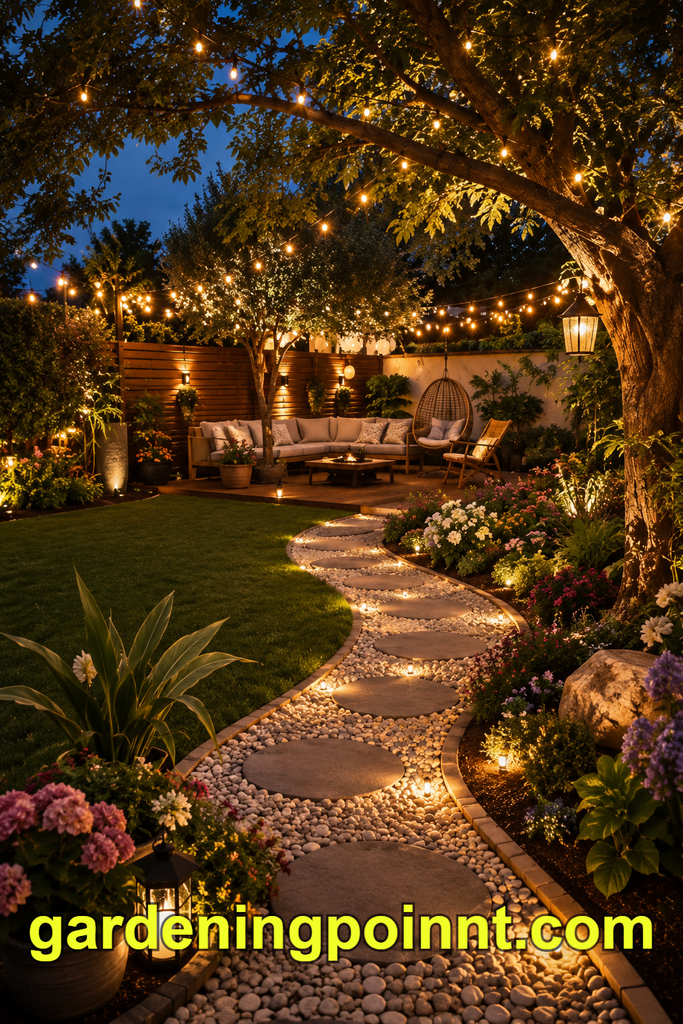
Before diving into specific plants or features, it helps to understand what defines the cottage garden style. Unlike formal gardens with neat rows and clipped hedges, cottage gardens embrace a loose, layered, and slightly wild appearance, as though the plants have grown together naturally over time. Flowers of varying heights and colors mingle freely, pathways are often narrow and meandering, and there is a general sense of abundance rather than sparse, minimalist spacing. Keeping this relaxed philosophy in mind will guide every other decision as you design your own cottage garden.
2. Choose a Classic Cottage Garden Color Palette
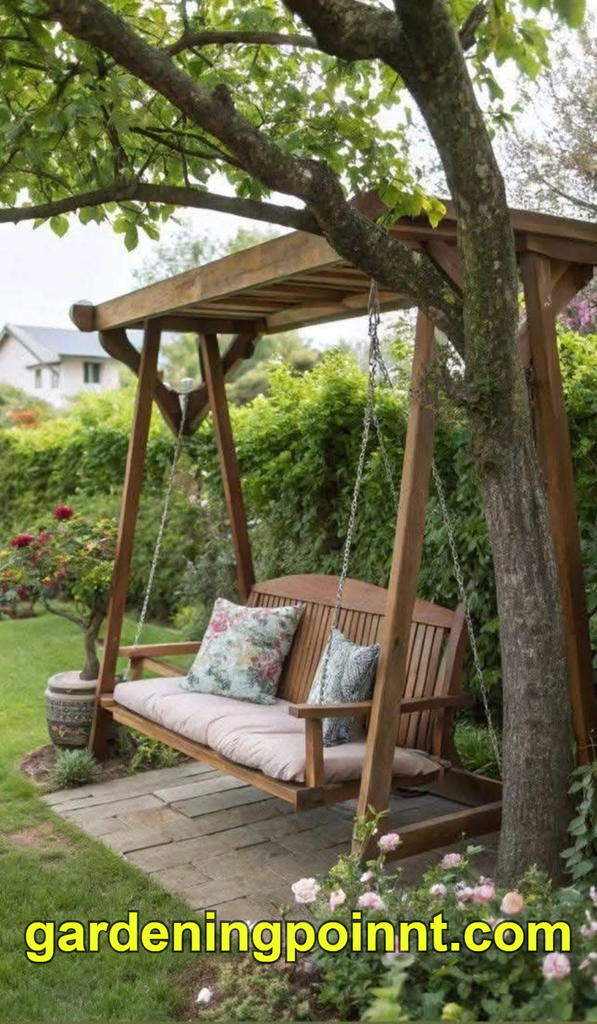
Traditional cottage gardens often favor soft, romantic color palettes featuring pastel pinks, lavenders, whites, and pale yellows, though many modern interpretations incorporate bolder colors like deep reds and vibrant blues for added drama. Repeating a core set of colors throughout the garden, even as different plants bloom and fade across the seasons, helps maintain a cohesive look despite the informal planting style. Mixing warm and cool tones together, rather than sticking to a single hue, contributes to the layered, abundant feeling central to the cottage aesthetic.
3. Layer Plants by Height for a Naturalistic Look
Cottage gardens typically avoid the strict height tiering seen in more formal designs, instead allowing taller plants like hollyhocks and delphiniums to mingle informally with medium-height perennials and low-growing groundcovers. This layered but slightly unpredictable arrangement creates the sense that the garden has developed organically over years rather than being planted all at once. Allowing some taller plants to appear unexpectedly throughout the bed, rather than confined strictly to the back row, reinforces this relaxed, naturalistic quality.
4. Include Classic Cottage Garden Flowers
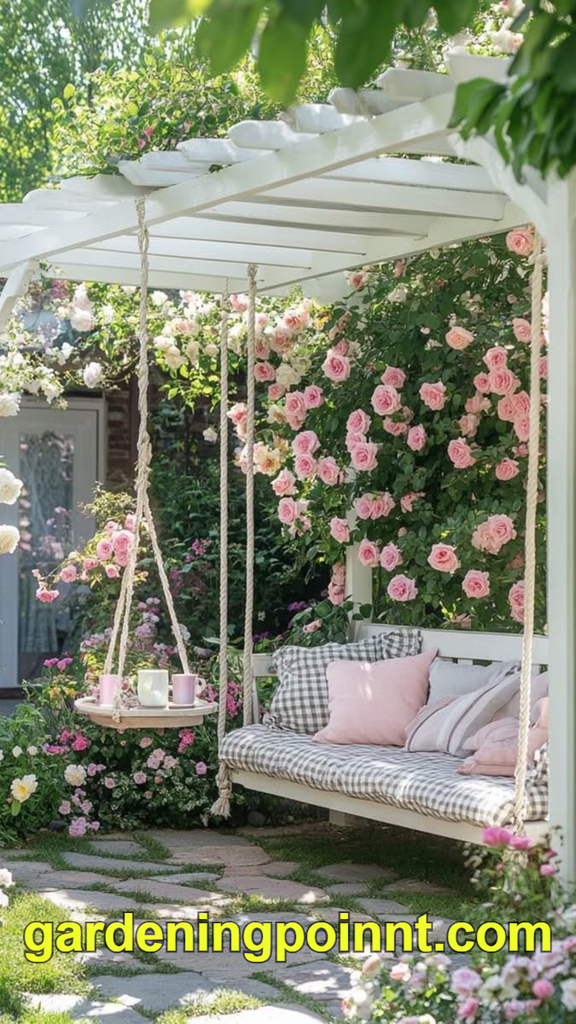
Certain flowers have become closely associated with the cottage garden style due to their romantic appearance and long history in traditional English gardens. Roses, particularly old-fashioned climbing and shrub varieties, are often considered essential, along with foxgloves, delphiniums, hollyhocks, and sweet peas. Filling in gaps between these statement flowers with cottage garden staples like cosmos, snapdragons, and nigella creates the dense, overflowing look that defines the style.
5. Add Fragrant Plants Near Seating and Pathways
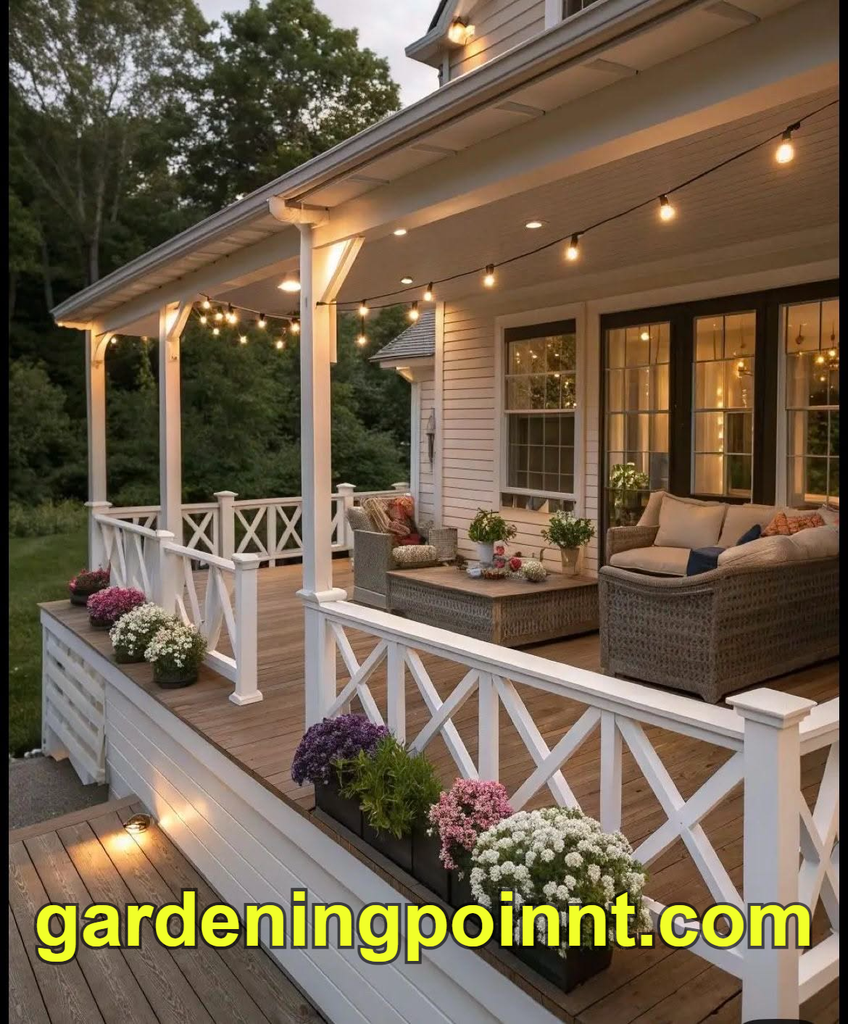
Fragrance plays a significant role in the cottage garden experience, and many classic cottage plants, including roses, lavender, sweet peas, and honeysuckle, offer strong, pleasant scents. Positioning fragrant plants near seating areas, entryways, and along frequently used pathways ensures their scent is enjoyed as people move through the garden. Evening-blooming fragrant flowers like nicotiana or moonflower can also extend the sensory experience of the garden into the evening hours.
6. Incorporate Herbs Among the Flowers
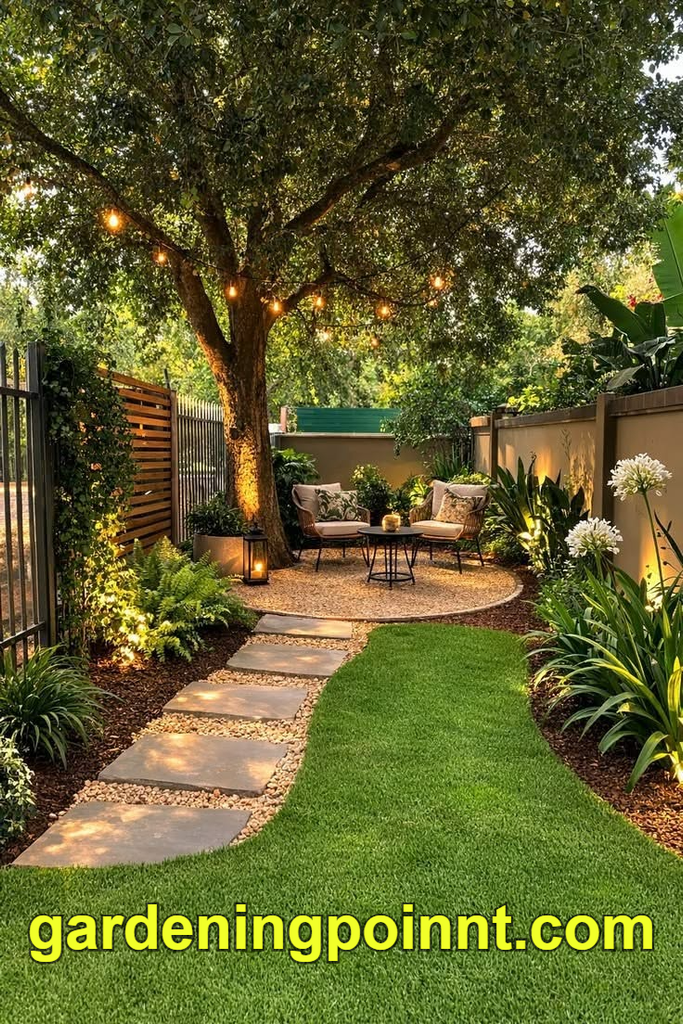
Historically, cottage gardens served practical purposes alongside their ornamental value, often including herbs grown for cooking and medicinal use directly among the flower beds. Continuing this tradition by tucking herbs like rosemary, sage, thyme, and chamomile into flower borders adds both fragrance and functionality to the garden. Many herbs also produce attractive flowers of their own, such as the purple blooms of chives or the delicate white flowers of cilantro left to bolt, blending seamlessly into the overall planting scheme.
7. Use Narrow, Meandering Pathways
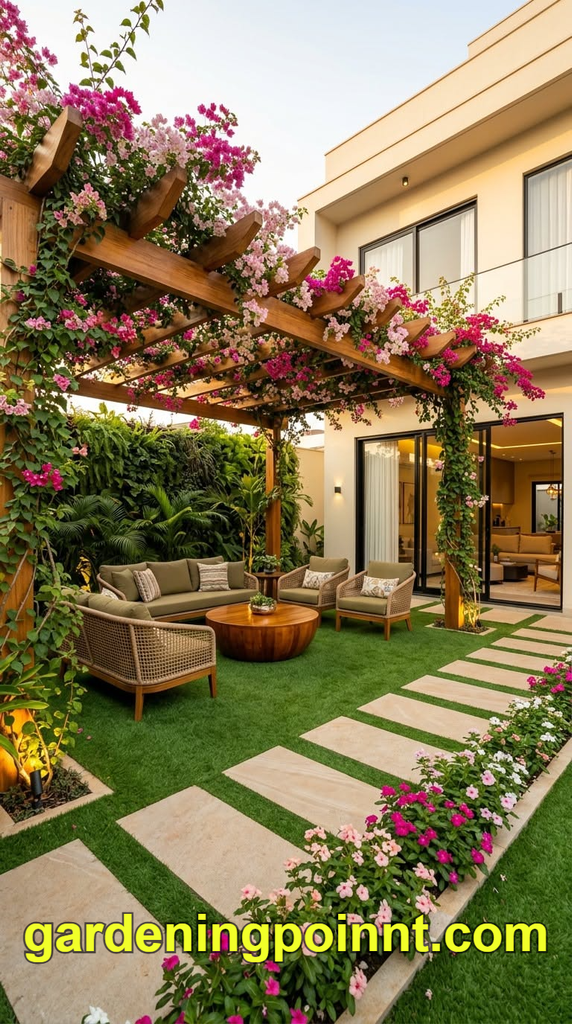
Straight, wide pathways feel too formal for the cottage garden aesthetic, which favors narrow, winding paths that seem to disappear into the surrounding plantings. Materials like brick, natural stone, or gravel work particularly well, especially when allowed to develop a slightly weathered, informal appearance over time. Letting plants spill slightly over the path edges reinforces the abundant, overflowing quality central to the style, though enough clearance should remain for comfortable walking.
8. Add a Picket Fence or Low Garden Border
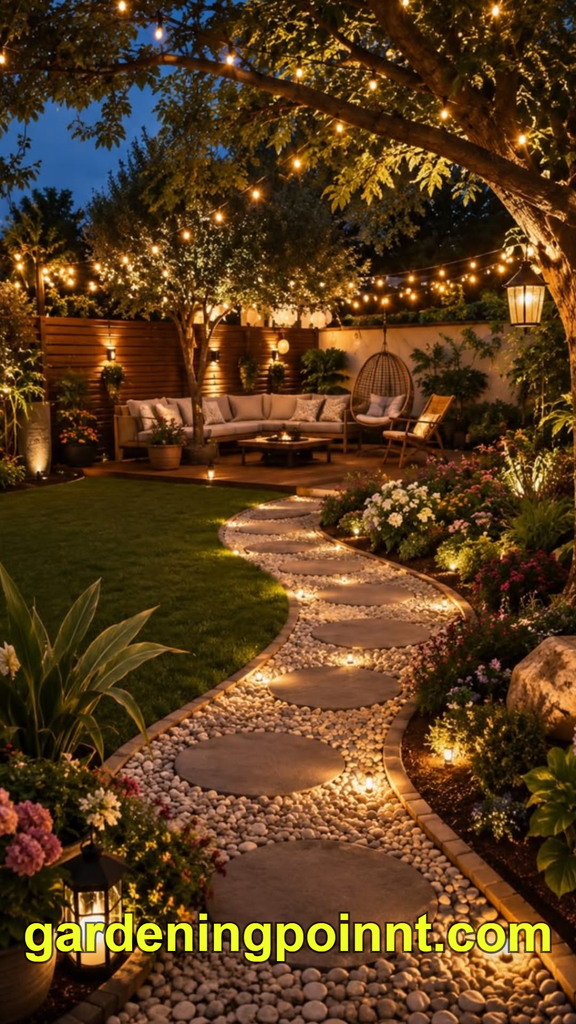
A classic white picket fence has become almost synonymous with the cottage garden image, providing a charming structural boundary that contrasts beautifully with the loose, informal planting inside it. For those without the space or desire for a full fence, a low decorative border using wattle fencing, woven willow edging, or simple wooden pickets can achieve a similar effect on a smaller scale. This structural element helps contain the garden’s informal abundance within a defined, intentional space.
9. Include a Rustic Arbor or Arch
An arbor or arched entryway covered in climbing roses, clematis, or honeysuckle serves as both a functional entry point and a romantic focal point within a cottage garden. Positioning an arch at the garden’s entrance or along a pathway creates a sense of transition and anticipation as visitors move through the space. Wooden or wrought iron arbors both suit the cottage style well, particularly when allowed to weather naturally or paired with climbing plants that soften their structure over time.
10. Add a Vintage or Weathered Garden Bench
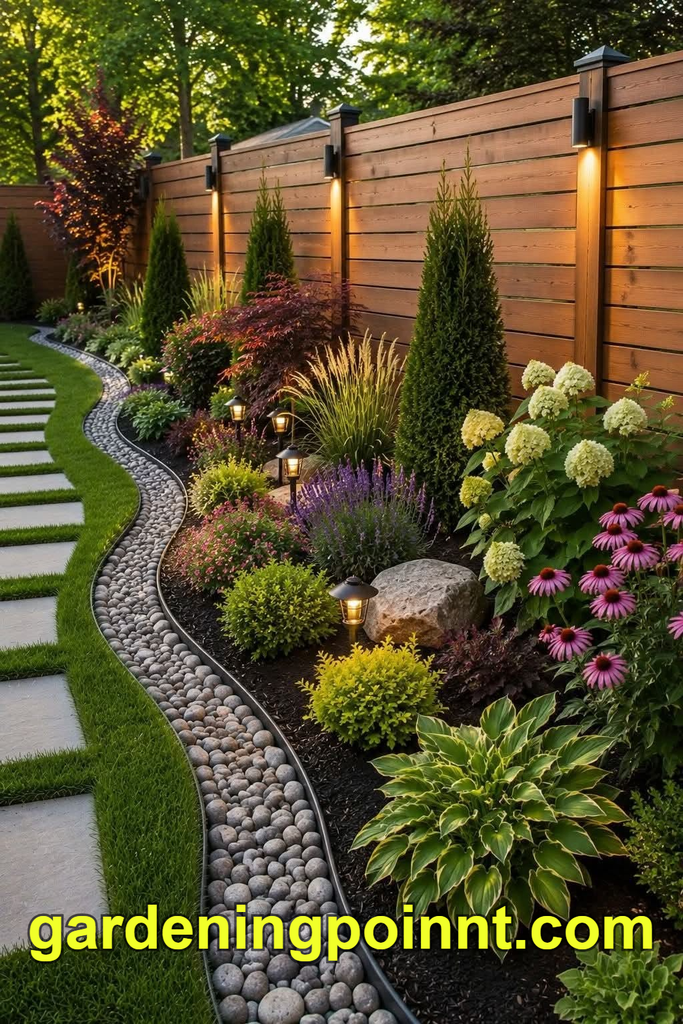
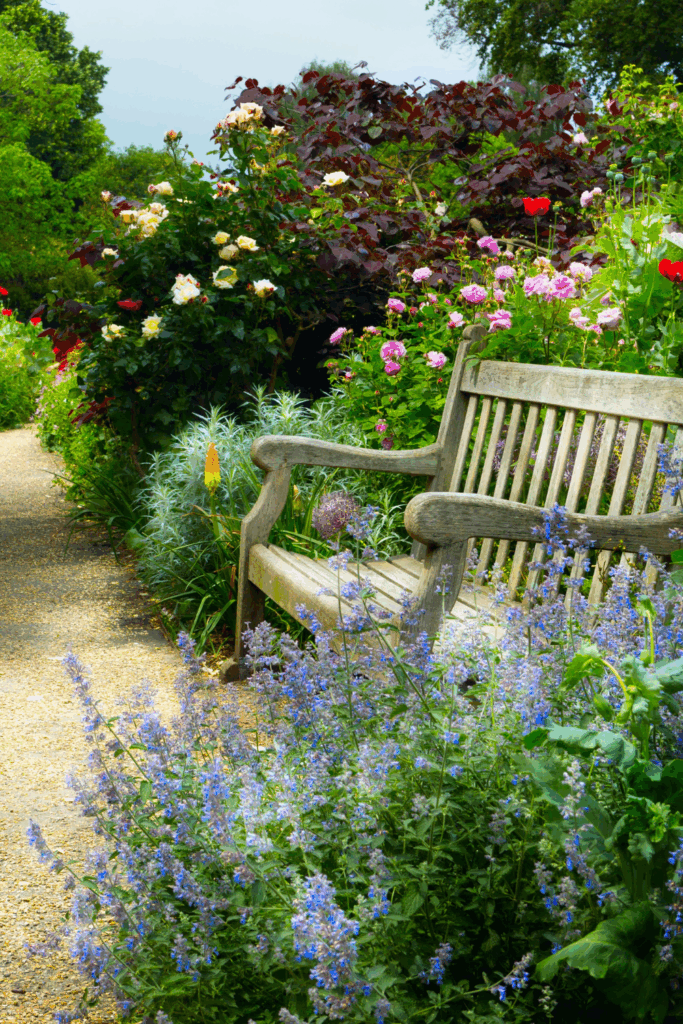
A wooden or wrought iron bench, ideally with a slightly weathered or vintage appearance, provides both a practical seating spot and a charming visual element within a cottage garden. Placing a bench at the end of a pathway or tucked into a quiet corner surrounded by fragrant plants encourages visitors to pause and enjoy the garden rather than simply passing through it. Painted benches in soft, muted colors that complement the garden’s overall palette can enhance the romantic, cohesive feel of the space.
11. Incorporate Climbing Plants on Walls and Structures
Vertical surfaces such as walls, fences, and garden structures offer valuable opportunities to add height and romance to a cottage garden through climbing plants. Roses, clematis, honeysuckle, and jasmine all thrive when trained onto trellises, walls, or arbors, softening hard architectural lines with cascading foliage and flowers. Allowing climbing plants a few seasons to fully establish and cover their supporting structure contributes significantly to the garden’s overall sense of maturity and abundance.
12. Use Self-Seeding Annuals for Effortless Fullness
Many classic cottage garden flowers, including cosmos, nigella, poppies, and forget-me-nots, readily self-seed from year to year, filling in gaps and creating a naturally evolving garden with minimal replanting effort. Allowing some self-seeding plants to spread freely throughout the garden reinforces the relaxed, slightly unpredictable character central to the cottage style. Thinning seedlings occasionally in spring helps maintain a balance between natural abundance and overcrowding.
13. Mix Perennials and Annuals for Continuous Bloom
Combining reliable, long-lived perennials with fast-growing annuals ensures a cottage garden maintains color and interest throughout the entire growing season rather than peaking briefly before fading. Perennials like peonies, lupines, and coneflowers provide a returning structural base each year, while annuals like zinnias and cosmos can be tucked into any gaps that appear as the season progresses. This combination approach also allows for experimentation with new colors and varieties each year without disrupting the garden’s established structure.
14. Add a Small Water Feature for Charm and Wildlife
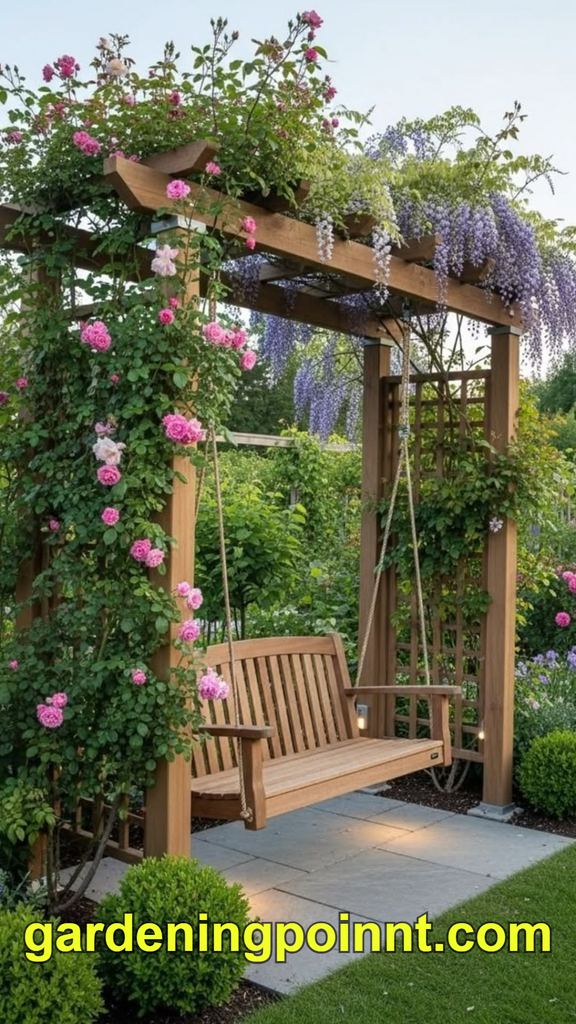
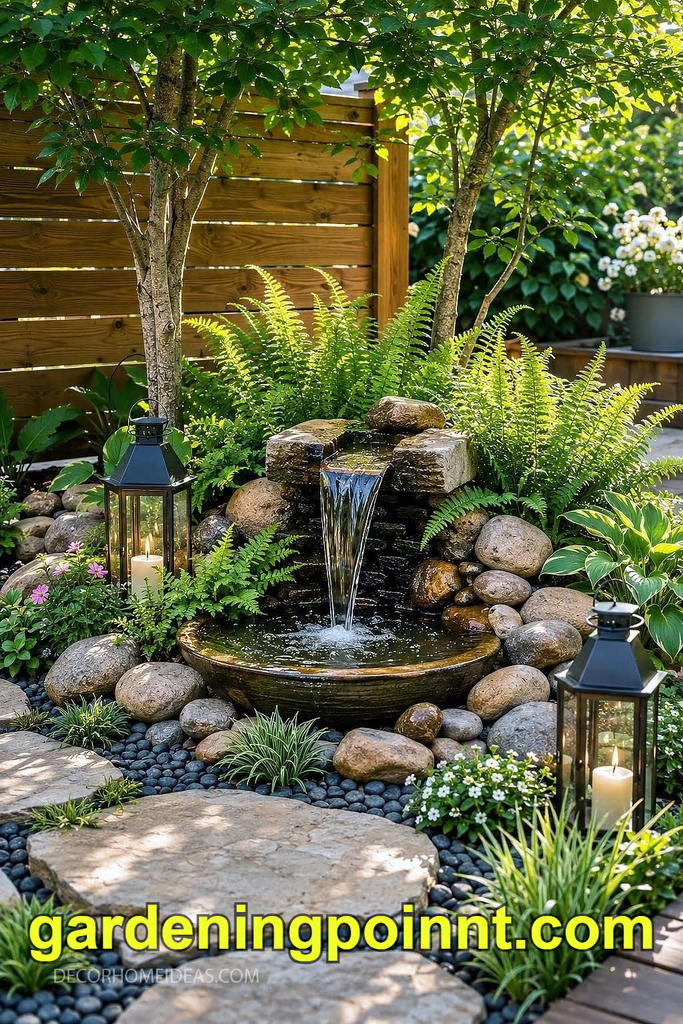
A modest water feature, such as a small pond, birdbath, or bubbling urn fountain, adds another sensory dimension to a cottage garden while attracting birds, butterflies, and other beneficial wildlife. The gentle sound of moving water complements the relaxed, romantic atmosphere of the cottage style, and a birdbath surrounded by dense plantings can become a charming focal point in its own right. Even a simple ceramic bowl filled with water and a few stones for pollinators to land on can serve this purpose in smaller gardens.
15. Grow Vegetables and Fruit Alongside Flowers
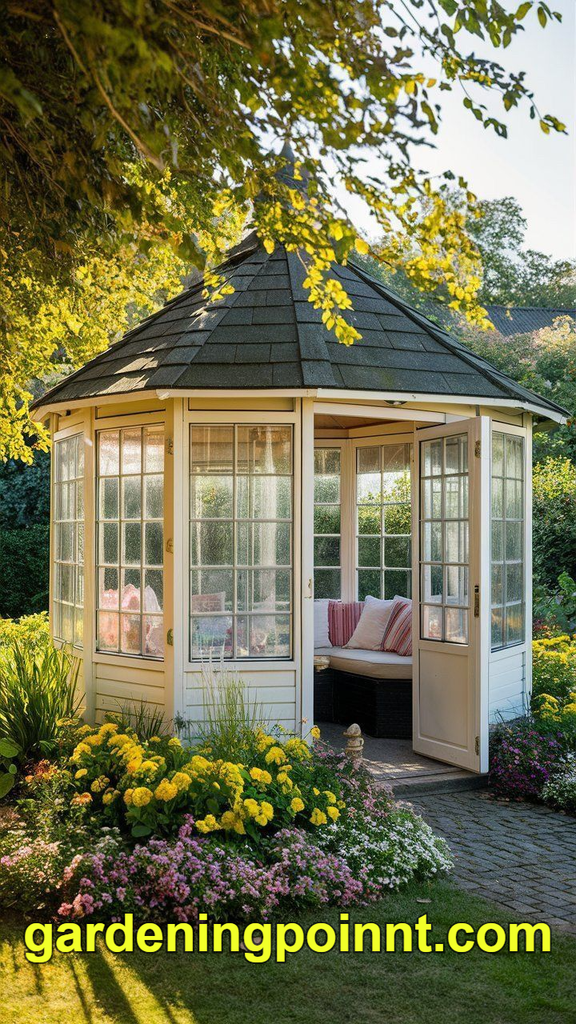
Staying true to the historical roots of the cottage garden, incorporating edible plants like lettuce, beans, and berry bushes directly among ornamental flowers continues the tradition of blending beauty with practicality. Many vegetables, such as rainbow chard or purple-podded beans, offer attractive foliage or flowers that fit naturally within the cottage garden’s informal planting style. Espaliered fruit trees trained flat against a wall or fence can also add both edible yield and structural interest without requiring significant ground space.
16. Use Vintage Containers and Garden Accessories
Weathered terracotta pots, old watering cans repurposed as planters, and vintage-style garden ornaments all contribute to the nostalgic, lived-in feel central to cottage garden design. Grouping mismatched but complementary containers near an entrance or seating area adds charm without appearing overly curated or formal. Sourcing genuinely old items from flea markets or antique shops, or choosing new pieces designed to look weathered, both work well depending on budget and availability.
17. Let Some Areas of the Garden Grow Slightly Wild
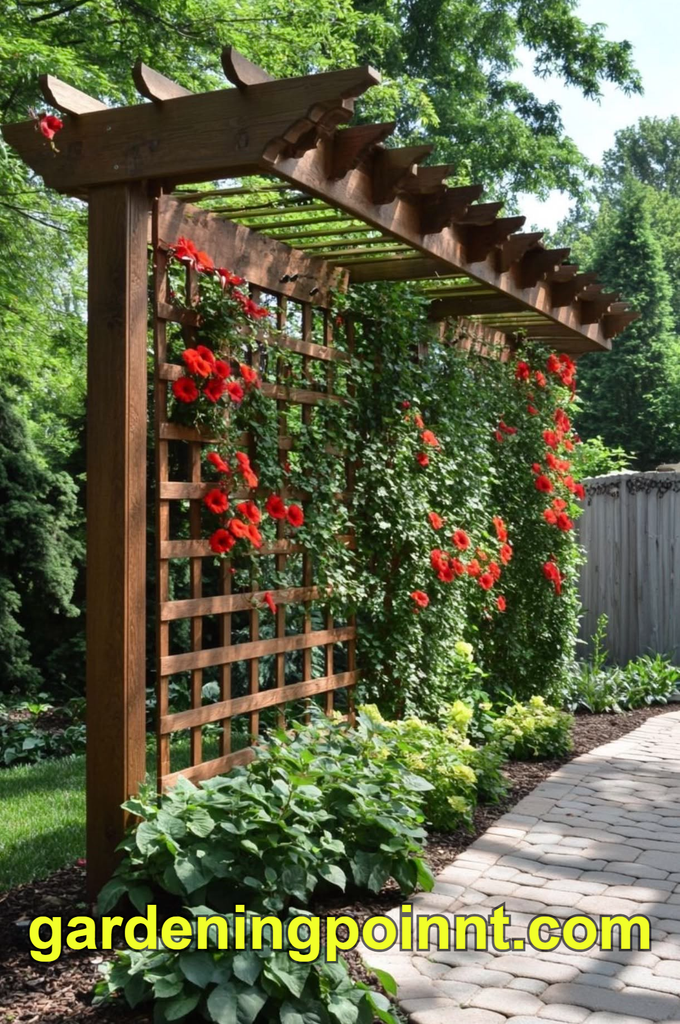
Part of the cottage garden’s appeal lies in its willingness to embrace a bit of controlled wildness rather than pursuing the manicured perfection of more formal garden styles. Allowing certain areas, such as a back corner or the base of a hedge, to grow slightly looser with self-seeded flowers or ornamental grasses reinforces the naturalistic character of the space. This approach also tends to support greater biodiversity, providing habitat for pollinators and other beneficial insects.
18. Choose Plants That Support Pollinators
Cottage gardens have long been cherished by bees, butterflies, and other pollinators due to their dense plantings and wide variety of flowering species. Prioritizing pollinator-friendly plants such as lavender, bee balm, foxglove, and coneflower not only supports local ecosystems but also brings additional life and movement into the garden throughout the growing season. Avoiding pesticides and allowing a few plants to go to seed for birds further enhances the garden’s role as a wildlife-friendly space.
19. Plan for Year-Round Interest With Structural Plants
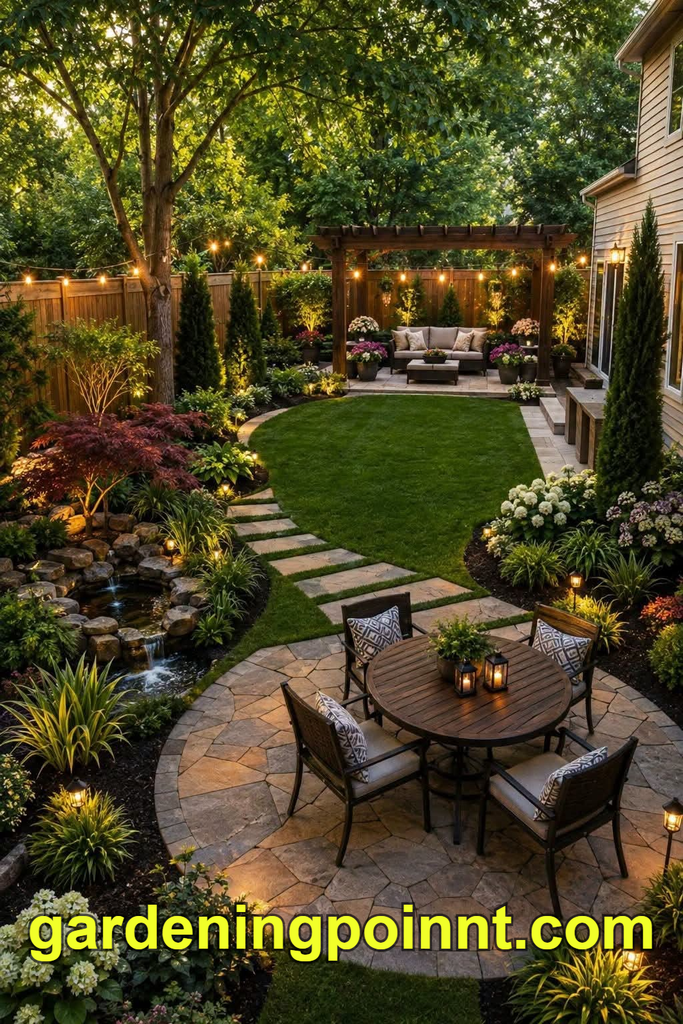
While cottage gardens are often associated with peak summer bloom, incorporating a few structural evergreen shrubs or ornamental grasses ensures the garden maintains visual interest even during the quieter winter months. Boxwood, lavender, and certain ornamental grasses provide form and texture when most flowering plants have died back for the season. Bulbs like snowdrops and crocuses can also be tucked throughout the garden to provide early color before the main summer display begins.
20. Maintain the Relaxed Look Without Letting It Become Overgrown
The cottage garden’s informal appearance requires a surprising amount of ongoing attention to maintain its balance between abundant and overgrown. Regular deadheading encourages continued blooming, while periodic thinning of self-seeded plants prevents any single species from overwhelming the bed. Light, ongoing maintenance throughout the growing season, rather than infrequent major overhauls, is generally the most effective way to preserve the garden’s characteristic relaxed charm without it tipping into genuine neglect.
Frequently Asked Questions About Cottage Garden Ideas
What flowers are essential to a cottage garden? Roses, foxgloves, delphiniums, hollyhocks, and sweet peas are among the most classic cottage garden flowers, often combined with self-seeding annuals like cosmos and nigella to fill in gaps.
Do cottage gardens require a lot of maintenance? Yes, generally more than they appear to at first glance. Regular deadheading, thinning of self-seeded plants, and ongoing light maintenance are needed to keep the look balanced rather than overgrown.
Can I create a cottage garden in a small space? Yes. Cottage garden principles like dense layered planting, climbing plants on vertical structures, and containers can all be adapted to small yards, balconies, or even large planter boxes.
What structures are typically included in a cottage garden? Picket fences, rustic arbors, narrow winding pathways, and vintage garden benches are common structural elements that complement the informal planting style.
Are cottage gardens good for pollinators? Yes. The dense, varied plantings typical of cottage gardens, combined with a wide range of flowering species blooming at different times, make them particularly attractive to bees, butterflies, and other pollinators.
With a relaxed approach to planting, a thoughtfully chosen color palette, and a few classic structural elements like an arbor or picket fence, anyone can create a charming cottage garden filled with romance and abundance. Embracing the style’s natural, slightly unpredictable character, while still providing regular light maintenance, will keep the garden looking beautifully full for years to come.