Your front yard is the first thing visitors, neighbors, and passersby notice about your home. A well-designed front yard not only boosts curb appeal and property value but also creates a welcoming transition from the street to your front door. This guide covers twenty practical and creative front yard landscaping ideas, from layout and plant selection to hardscaping, lighting, and long-term maintenance strategies.
1. Start With a Front Yard Landscaping Plan
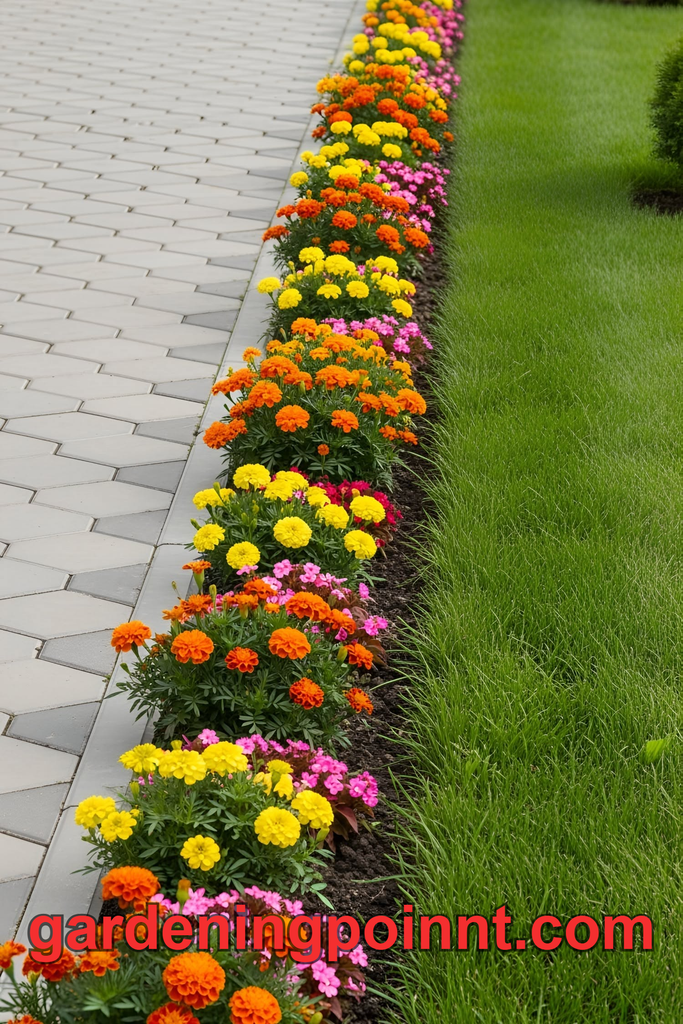
Before making any changes, take time to assess your front yard’s existing conditions, including sun exposure, soil type, drainage patterns, and the architectural style of your home. Sketch a rough layout that identifies key zones such as the walkway, planting beds, lawn area, and any features like a mailbox or driveway border. Having a clear plan prevents piecemeal decisions that can leave a front yard looking disjointed, and it helps you budget and phase the project if you cannot complete everything at once.
2. Match Your Landscaping Style to Your Home’s Architecture
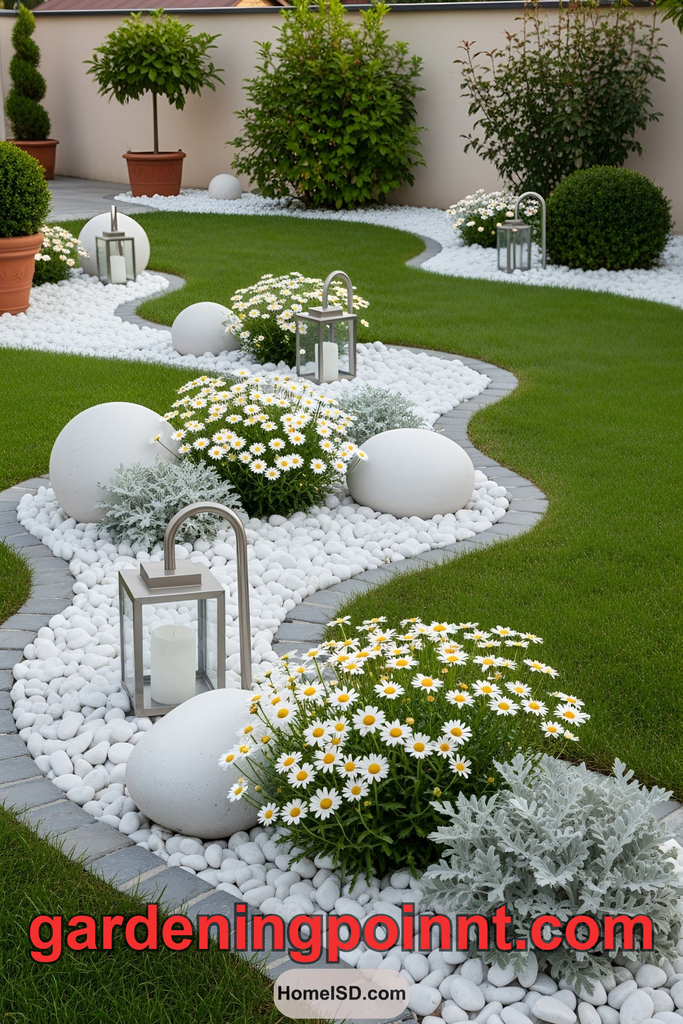
A cohesive front yard design complements the architectural style of the house rather than competing with it. Formal homes with symmetrical facades often pair well with structured hedges, matching planters, and clean geometric lines, while cottage-style or craftsman homes suit looser, more naturalistic plantings with a mix of textures and colors. Taking cues from your home’s rooflines, trim colors, and overall character helps ensure the landscaping feels like a natural extension of the house rather than an afterthought.
3. Define a Clear and Inviting Walkway
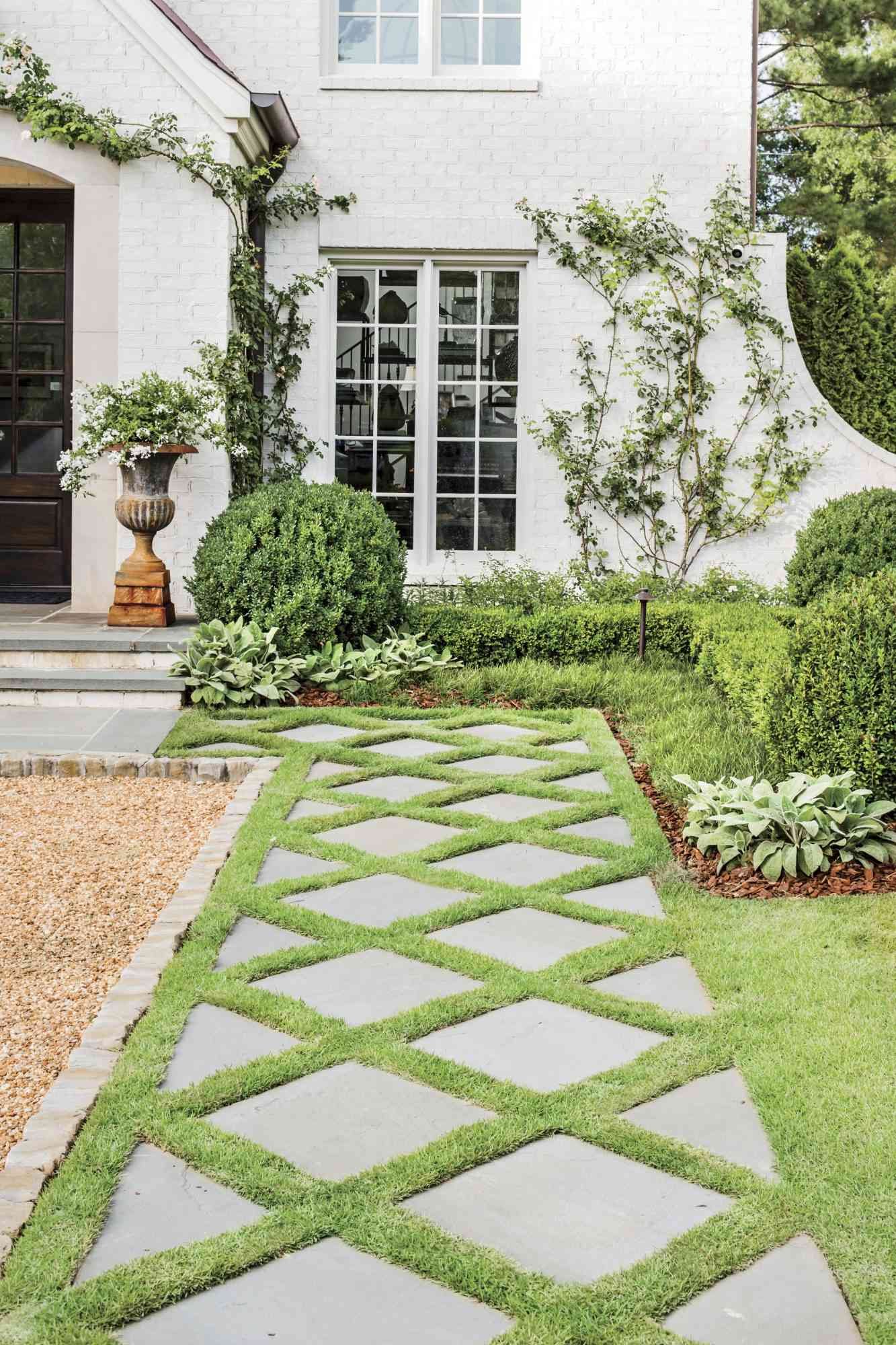
The path from the street or driveway to the front door is one of the most important elements of front yard design, both functionally and visually. A walkway that is too narrow, oddly placed, or poorly lit can make a home feel less welcoming, even if the rest of the landscaping is beautiful. Widening an existing path, adding decorative pavers, or introducing a gentle curve can make the entrance feel more intentional and inviting without requiring a complete yard overhaul.
4. Frame the Entrance With Symmetrical Plantings
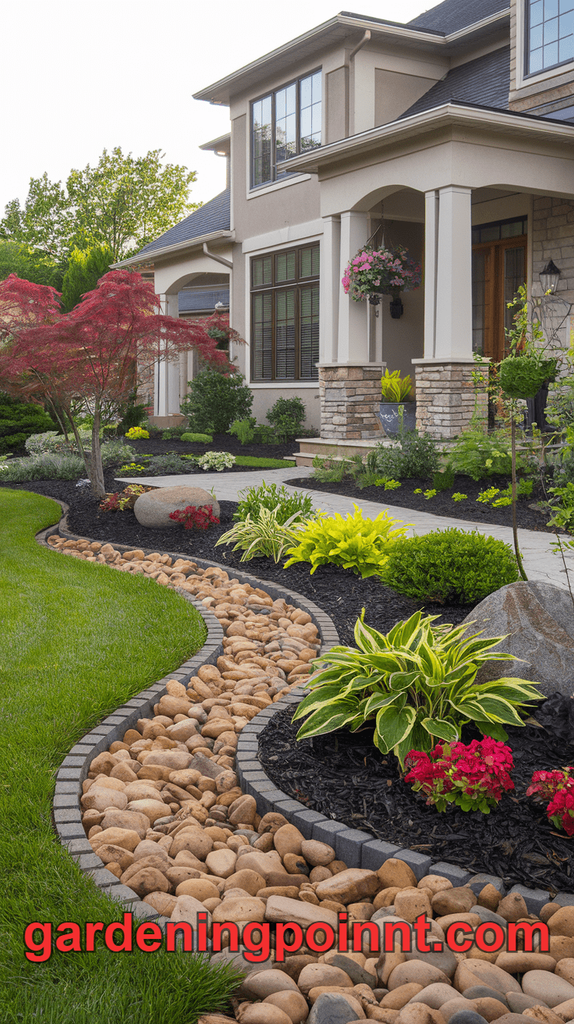
Placing matching plants, planters, or small trees on either side of the front door or walkway entrance creates a sense of balance and formality that draws the eye directly to the entryway. This technique works particularly well for homes with a centered front door and symmetrical facade. Even simple matching pots filled with seasonal flowers can create this framing effect without a significant investment in permanent landscaping.
5. Choose a Foundation Planting Scheme
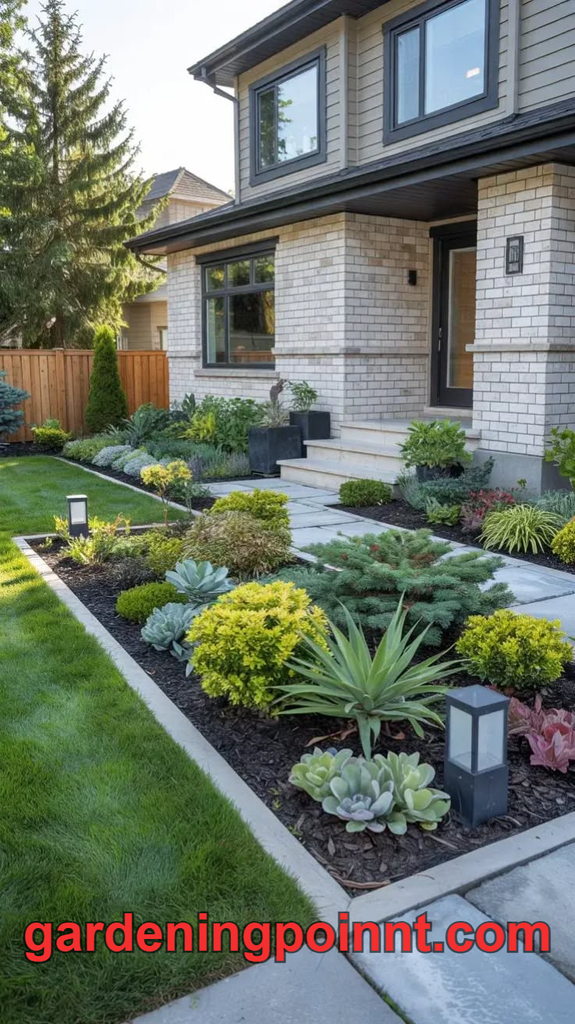
Foundation plantings, the beds that run along the base of the house, help soften the transition between the structure and the surrounding landscape while hiding utility elements like foundation vents or exposed concrete. A well-planned foundation bed typically layers taller shrubs toward the back, medium-sized plants in the middle, and low-growing groundcovers or flowers along the front edge. Keeping plant heights below window sills near the house ensures natural light is not blocked and sightlines remain open for security.
6. Add Layers of Height and Texture
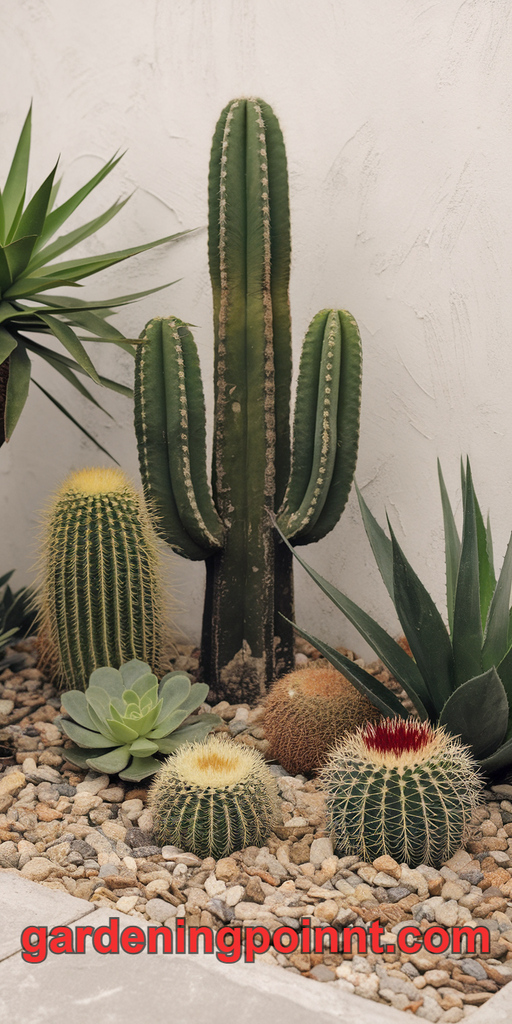
A front yard with plants of varying heights, leaf shapes, and textures reads as more dynamic and professionally designed than one with uniform plantings. Combining upright ornamental grasses, rounded shrubs, spiky architectural plants, and soft flowering perennials creates visual interest throughout the seasons. This layered approach also ensures the yard has something appealing to look at even when certain plants are not in bloom.
7. Incorporate Color With Seasonal Flowers
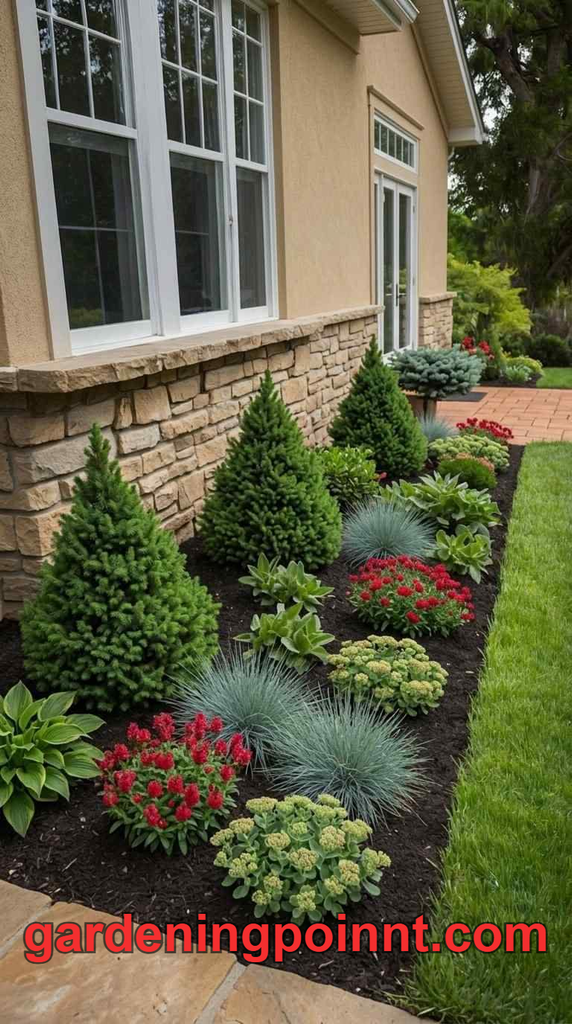
Rotating seasonal flowers through key planting areas keeps the front yard looking fresh and vibrant throughout the year rather than relying solely on evergreen structure. Bulbs like tulips and daffodils provide early spring color, while annuals such as petunias or marigolds can carry the display through summer, and mums or ornamental kale extend interest into fall. Concentrating seasonal color near the entrance or along the walkway maximizes its visual impact for visitors approaching the home.
8. Use Trees Strategically for Shade and Structure
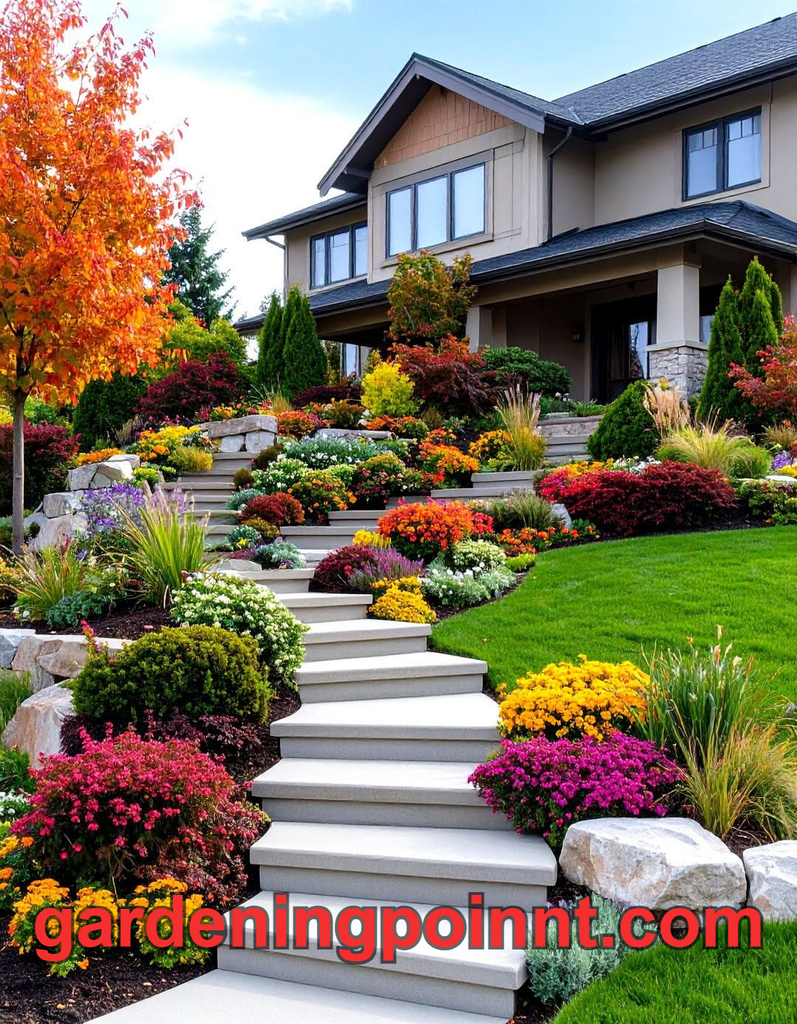
A well-placed tree can dramatically improve a front yard’s appearance while also providing practical benefits like shade, privacy, and energy savings on cooling costs. When selecting a tree for the front yard, consider its mature size in relation to the house, power lines, and driveway, since a tree planted too close to the structure can eventually cause issues with roots or overhanging branches. Flowering trees like dogwood or crepe myrtle offer seasonal beauty in addition to structural presence.
9. Keep the Lawn Healthy and Well-Maintained
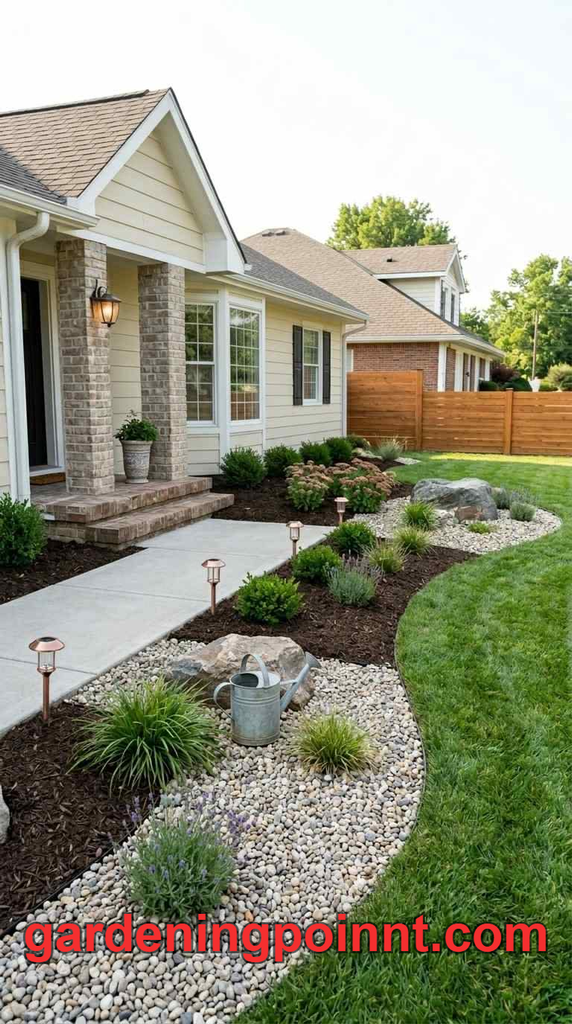
A healthy, well-maintained lawn remains one of the most impactful elements of front yard curb appeal, serving as a green backdrop that ties the rest of the landscaping together. Regular mowing at the correct height, consistent watering, and periodic aeration and fertilization all contribute to a lush, even lawn. For yards in particularly shaded or drought-prone areas, replacing a struggling lawn with a low-maintenance groundcover or native grass alternative can reduce upkeep while still providing a neat, green appearance.
10. Define Bed Edges for a Clean, Polished Look
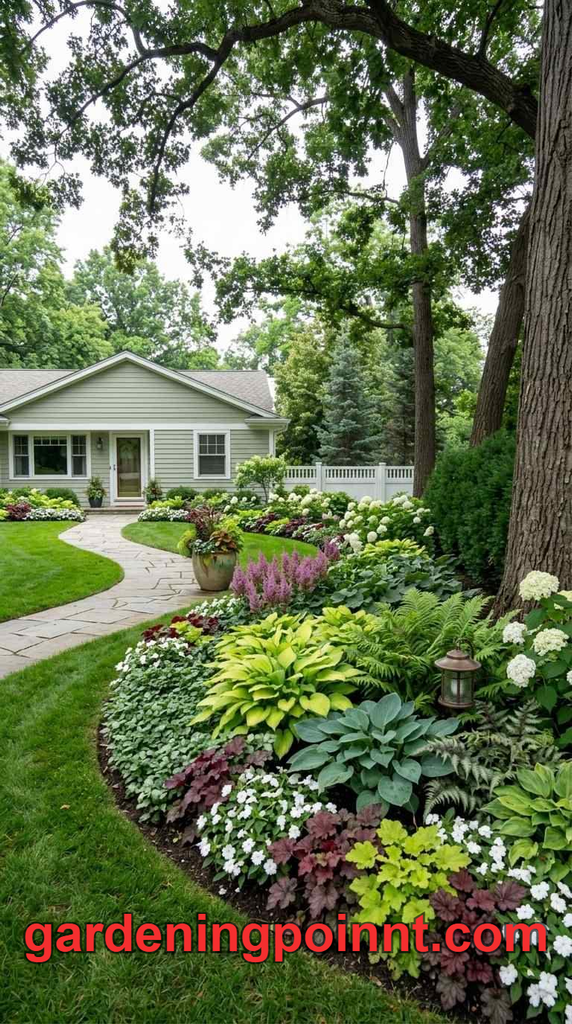
Crisp, clearly defined edges between lawn and planting beds instantly make a front yard look more intentional and well cared for. Edging can be achieved with simple cut edges maintained with a half-moon edger, or with more permanent materials like brick, stone, or metal edging strips. Clean bed edges also help contain mulch and prevent grass from creeping into planting areas, reducing long-term maintenance.
11. Add Mulch for a Finished, Cohesive Appearance
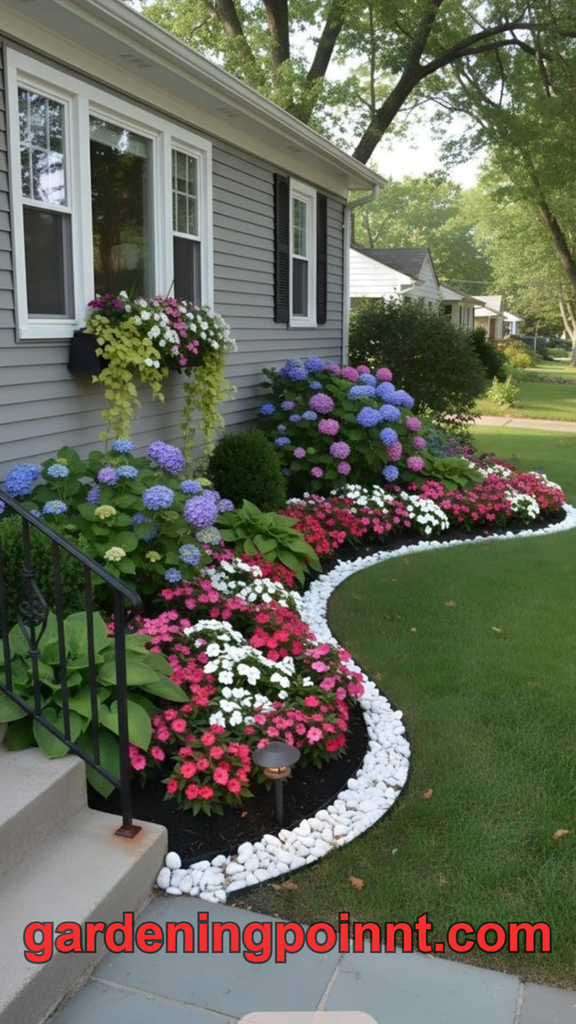
A fresh layer of mulch across planting beds not only improves the visual appearance of a front yard but also helps retain soil moisture, suppress weeds, and regulate soil temperature. Choosing a consistent mulch color and material throughout the front yard creates a cohesive look, rather than mixing several different mulch types across different beds. Refreshing mulch annually, typically in spring, keeps beds looking tidy throughout the growing season.
12. Install Pathway and Landscape Lighting
Outdoor lighting extends the visual appeal of a front yard into the evening hours while also improving safety and security around the entrance. Low-voltage path lights along a walkway guide visitors safely to the door, while uplighting on trees or architectural features creates dramatic focal points after dark. Solar-powered lighting options have become increasingly reliable and eliminate the need for extensive electrical wiring in most front yard applications.
13. Use Hardscaping to Add Structure
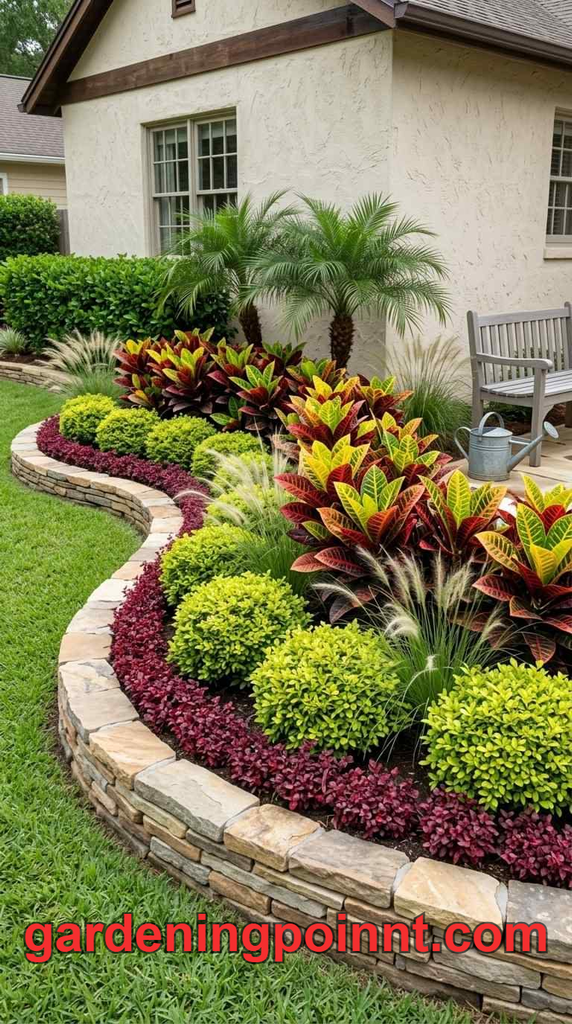
Hardscaping elements such as retaining walls, garden borders, and decorative rock features add permanent structure to a front yard that plants alone cannot provide. A low retaining wall can help manage sloped front yards while creating additional planting terraces, and decorative stone or gravel borders can define bed edges in a more permanent way than mulch alone. Choosing hardscaping materials that complement the home’s exterior, such as matching brick or stone tones, helps tie the entire design together.
14. Add a Focal Point Near the Entrance
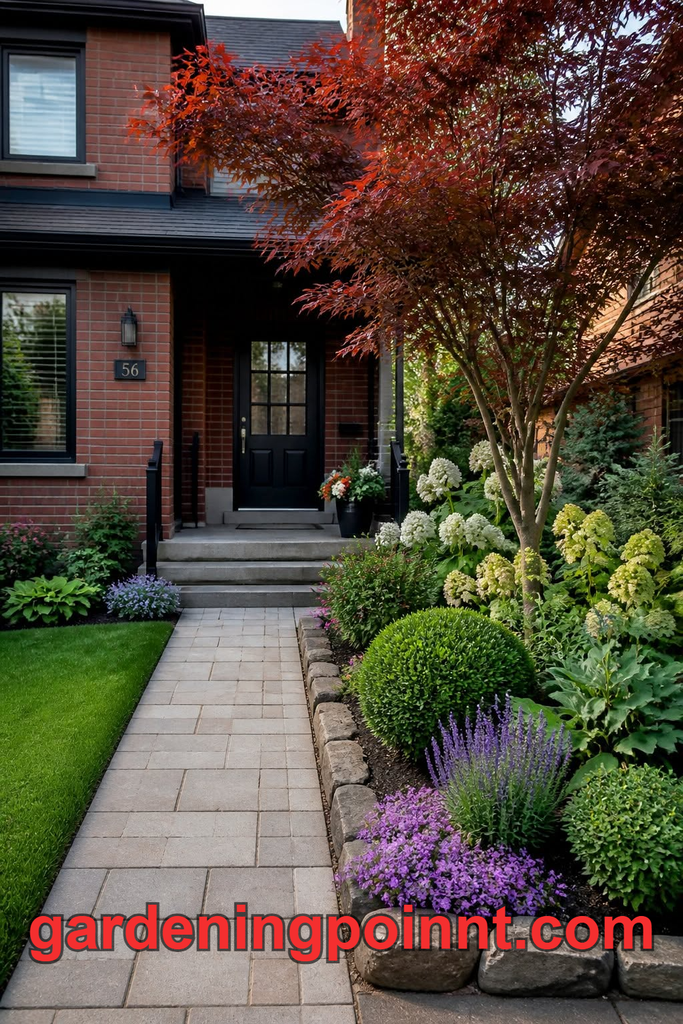
A single well-chosen focal point near the front entrance, such as a decorative urn, a small statue, or a distinctive specimen plant, draws the eye and adds personality to the front yard design. This focal point works best when it is placed with intention rather than as one of many competing features, allowing it to stand out and create a memorable first impression. Seasonal focal points, like a decorated planter that changes with the holidays, can also keep the entrance feeling fresh throughout the year.
15. Consider Privacy Screening Where Needed
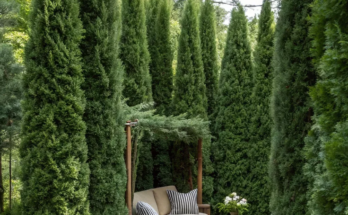
For homes close to the street or neighboring properties, strategic privacy screening can create a greater sense of enclosure and comfort without appearing unwelcoming. Layered shrub plantings, decorative fencing sections, or a well-placed tree can soften views into windows or outdoor seating areas near the front of the house. Balancing privacy needs with an open, inviting feel is key, since front yards that feel too enclosed can appear less approachable to visitors.
16. Choose Low-Maintenance Plants for Long-Term Ease
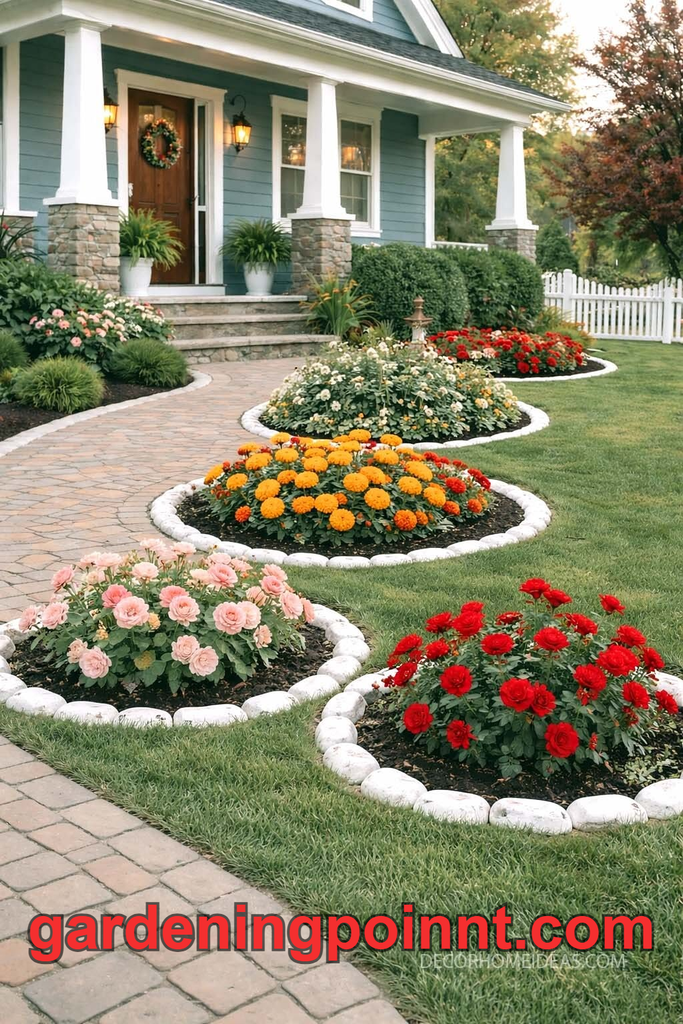
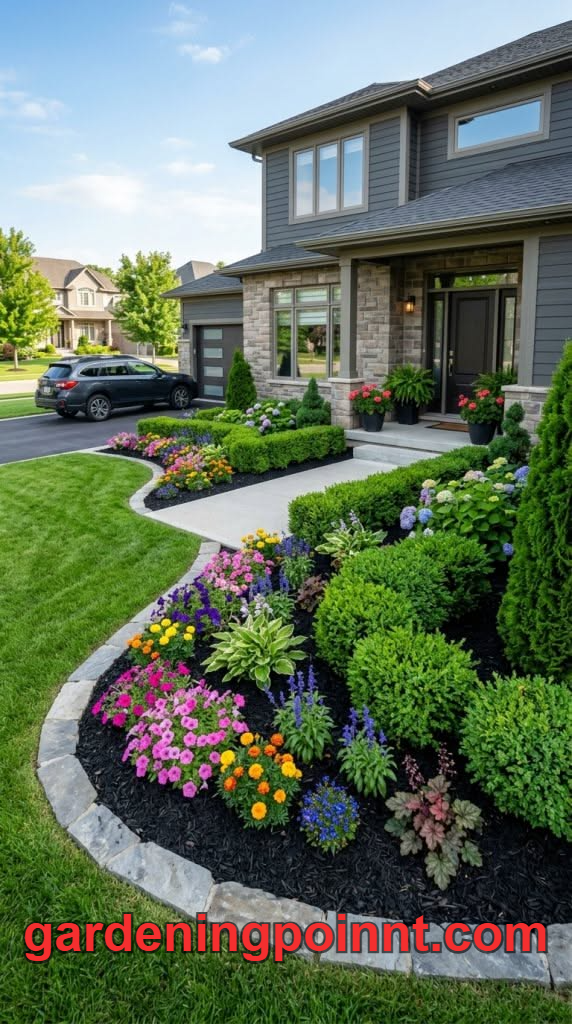
Front yards often receive less daily attention than backyards, since they are typically viewed rather than used for everyday activities. Selecting drought-tolerant shrubs, slow-growing evergreens, and perennial plants that return reliably each year reduces the ongoing maintenance burden compared to high-maintenance annuals or fast-growing hedges that require frequent pruning. Grouping plants with similar water and sunlight needs together also simplifies irrigation and care routines.
17. Incorporate Native Plants for Sustainability
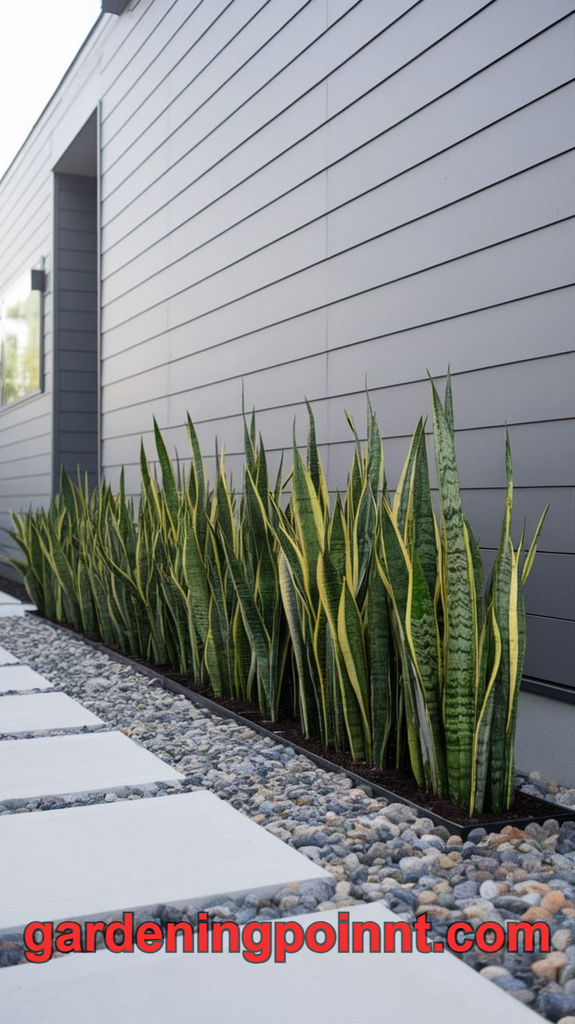
Native plants are adapted to the local climate and soil conditions, typically requiring less water, fertilizer, and pest management than non-native alternatives once established. Incorporating native shrubs, perennials, and grasses into a front yard design supports local pollinators and wildlife while reducing the long-term resource demands of the landscape. Many native plant nurseries and extension offices can provide region-specific recommendations suited to a home’s particular climate zone.
18. Improve Drainage to Protect Plantings and Foundation
Proper drainage is an often-overlooked but essential aspect of front yard landscaping, particularly for beds located near the home’s foundation. Grading the yard so water flows away from the house, installing French drains in problem areas, and choosing plants suited to the yard’s natural moisture levels all help prevent standing water and potential foundation issues. Addressing drainage problems before installing new plantings or hardscaping prevents costly repairs and plant losses down the line.
19. Add House Number and Mailbox Landscaping Details
Small design details like a well-landscaped mailbox base or clearly visible house numbers integrated into the front yard design add polish and functionality to the overall landscape. A modest planting bed around the base of a mailbox post, or a decorative marker highlighting the house number, contributes to a cohesive, finished appearance without requiring significant additional investment. These small touches often make a noticeable difference in how put-together a front yard feels.
20. Plan for Year-Round Curb Appeal
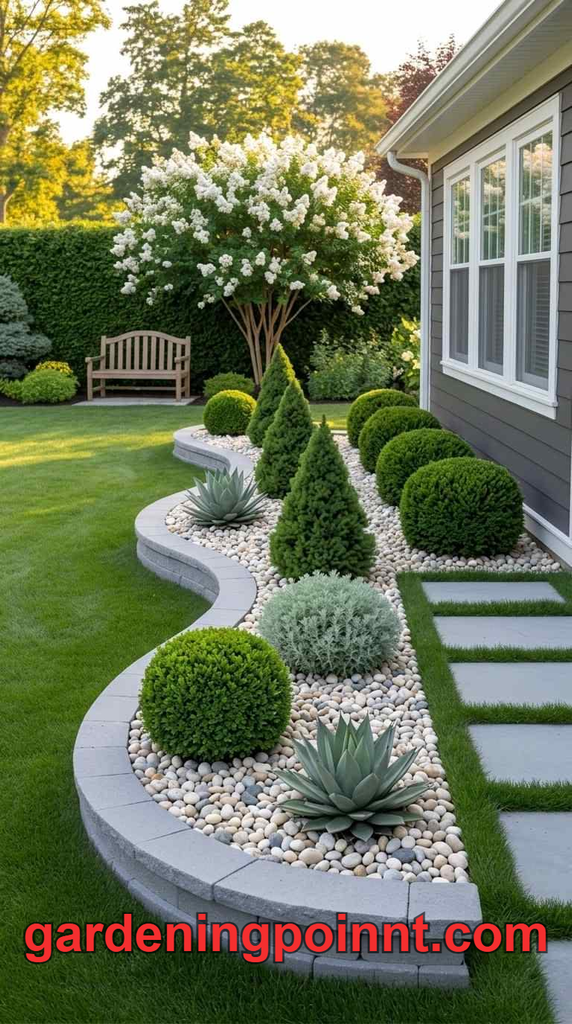
A truly successful front yard landscaping design accounts for how the space will look across all four seasons, not just during peak bloom times. Balancing evergreen structure with seasonal color, choosing trees with interesting bark or fall foliage, and incorporating elements like ornamental grasses that remain attractive through winter all contribute to consistent curb appeal throughout the year. Reviewing the front yard design during each season and making small adjustments ensures the landscape continues to make a strong first impression no matter the time of year.
Frequently Asked Questions About Front Yard Landscaping
What is the most important element of front yard landscaping? A clearly defined, well-maintained walkway paired with healthy foundation plantings typically has the greatest overall impact on a front yard’s curb appeal and sense of welcome.
How much should I spend on front yard landscaping? Costs vary widely depending on the scope of the project, but starting with foundational elements like plant health, mulch, and edge definition can dramatically improve appearance before investing in larger hardscaping features.
What plants work best for front yard foundation beds? Compact evergreen shrubs paired with seasonal flowering perennials generally work well, since they provide year-round structure while still allowing seasonal color to be layered in.
How can I make my front yard look bigger? Using curved walkways, layered plant heights, and a cohesive color and material palette can create the impression of a larger, more expansive front yard even in a modest space.
Do I need professional help for front yard landscaping? Many front yard improvements, such as adding mulch, defining bed edges, and planting seasonal flowers, can be done without professional help, though larger projects involving grading, drainage, or major hardscaping may benefit from expert input.
With a clear plan, thoughtful plant selection, and attention to details like lighting, edging, and seasonal color, any front yard can be transformed into a welcoming and visually appealing entrance to your home. Focusing on both immediate curb appeal and long-term maintenance ease ensures the landscape continues to look its best for years to come.