A small garden does not mean limited possibilities. With thoughtful planning, clever layout choices, and the right plant selection, even the tiniest courtyard, balcony, or backyard strip can become a lush, functional, and beautiful outdoor retreat. This guide walks through twenty practical and creative small garden ideas, covering layout strategies, plant choices, vertical gardening techniques, and design tricks that make compact spaces feel larger and more inviting.
1. Start With a Clear Plan Before You Plant Anything
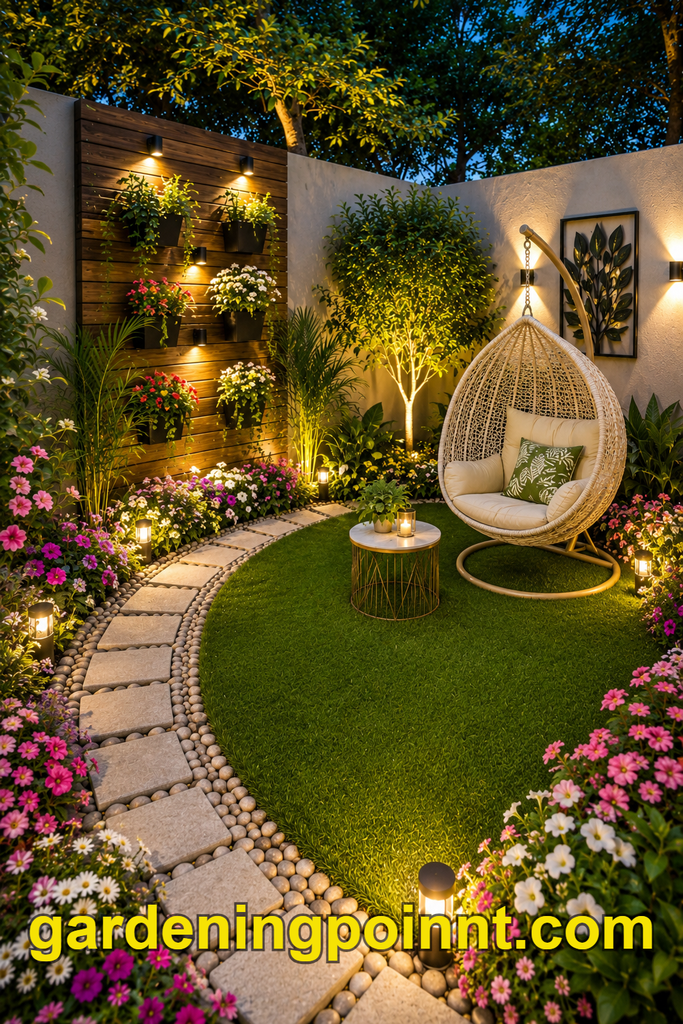
Before buying a single plant or piece of furniture, take time to map out your small garden on paper or with a simple garden-planning app. Measure the space accurately, note where sunlight falls throughout the day, and identify any existing features like drainage points, fences, or utility access that need to remain clear. A clear plan prevents the common mistake of overcrowding a small area with impulse purchases, and it helps you decide early on whether the space will prioritize seating, growing food, or purely ornamental planting.
2. Use Vertical Space to Multiply Your Growing Area
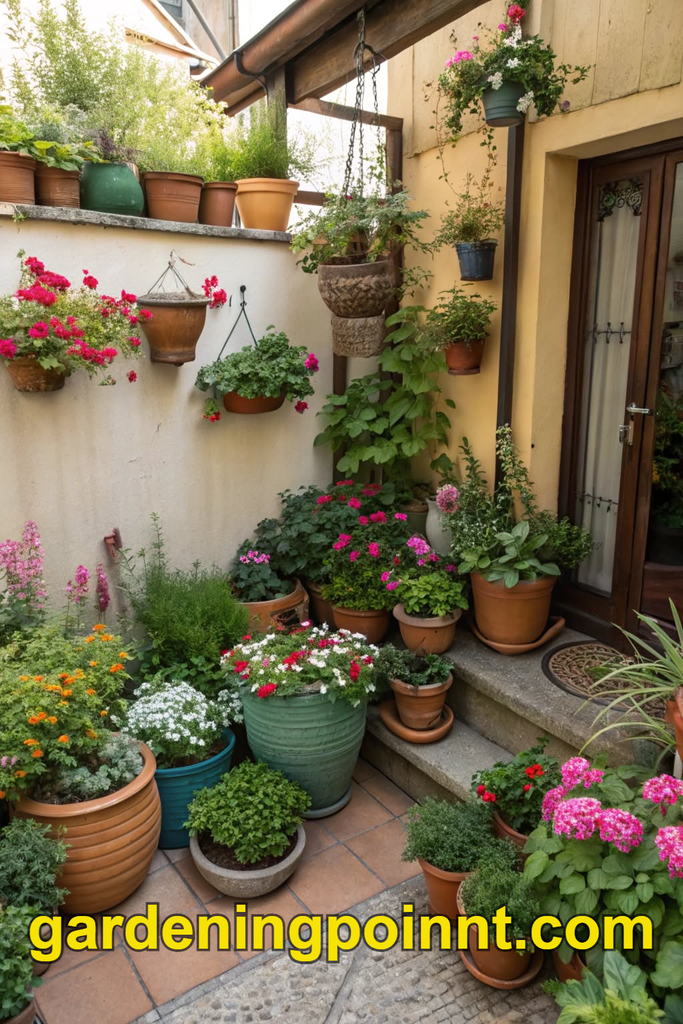
When floor space is limited, going vertical is one of the most effective ways to expand what a small garden can hold. Wall-mounted planters, trellises, and vertical garden towers allow you to grow climbing vegetables, trailing flowers, and herbs without sacrificing ground space. A simple lattice panel attached to a fence can support climbing plants like clematis, sweet peas, or runner beans, turning a plain boundary into a green, productive wall.
3. Choose a Cohesive Color Palette
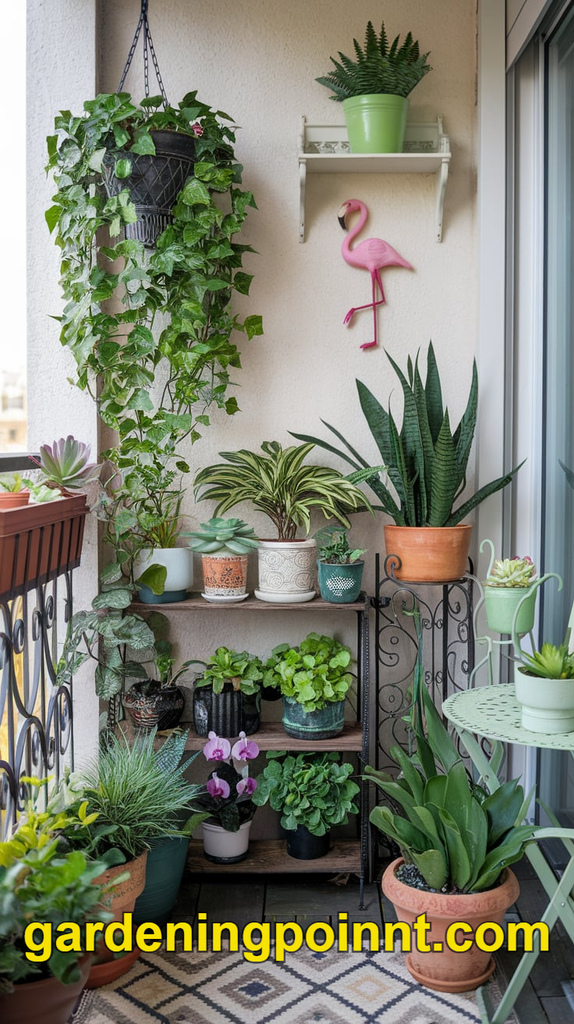
Small gardens tend to look more intentional and spacious when the color palette is kept relatively simple. Choosing two or three main colors for flowers, pots, and furniture creates visual harmony, rather than a chaotic mix of competing hues. Cool tones like blues, purples, and whites can make a space feel calmer and larger, while warm tones like oranges and reds create a cozy, intimate feel that works well in shaded courtyards.
4. Incorporate Multi-Level Planting With Tiered Shelving
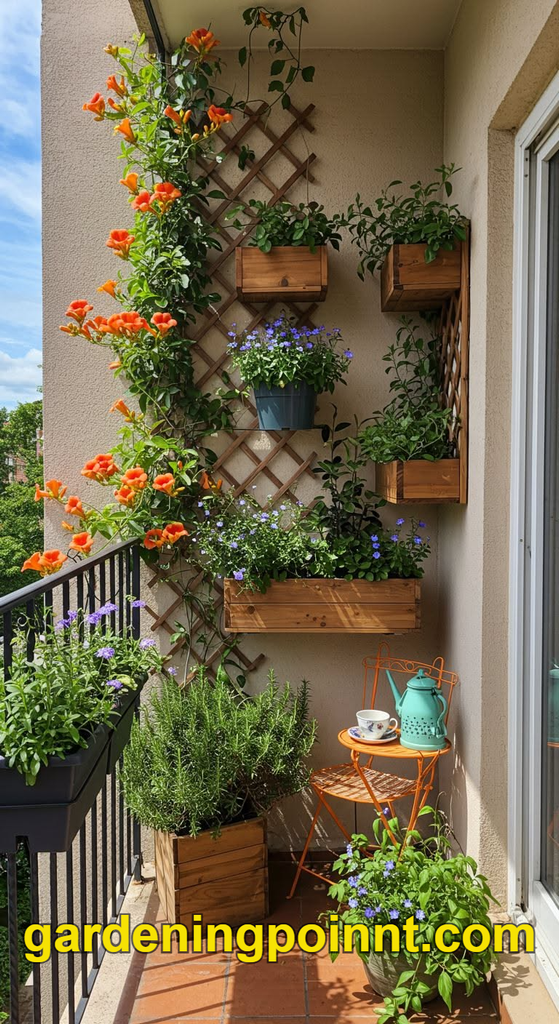
Tiered plant stands and shelving units allow you to display multiple pots in a compact footprint by stacking them vertically rather than spreading them across the ground. This approach is especially useful for herb gardens, succulent collections, or seasonal flower displays, since it keeps plants at varying heights easy to see and access. Wooden ladder-style shelves or metal tiered stands both work well and can be tucked into corners that would otherwise go unused.
5. Use Mirrors to Create the Illusion of Space
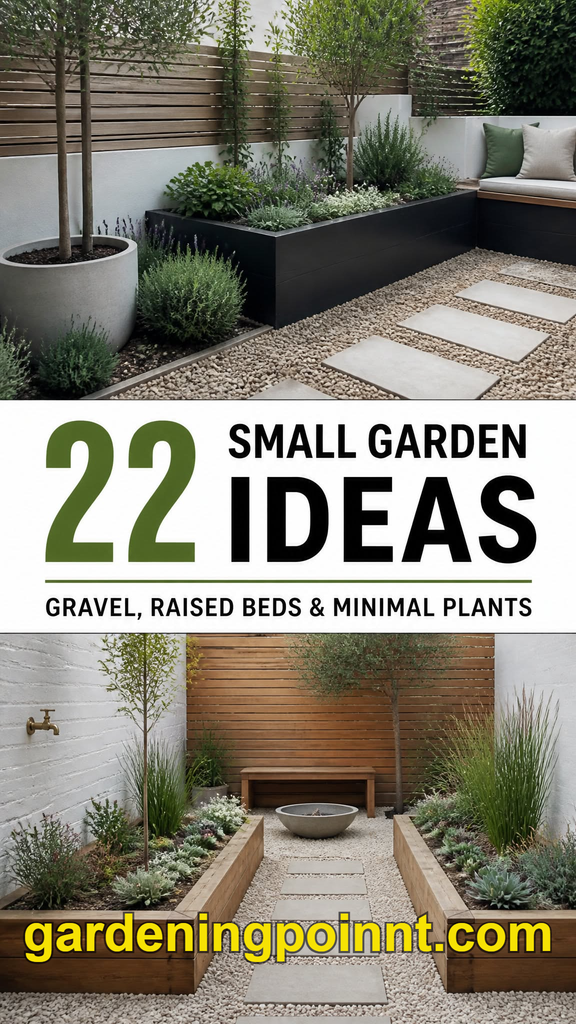
A well-placed outdoor mirror can dramatically change how a small garden feels by reflecting greenery and light, creating the illusion of a much larger area. Position mirrors on a fence or wall where they reflect plants rather than empty space, and choose weatherproof options designed specifically for outdoor use. This trick is particularly effective in narrow side gardens or small courtyards enclosed by walls.
6. Choose Compact and Dwarf Plant Varieties
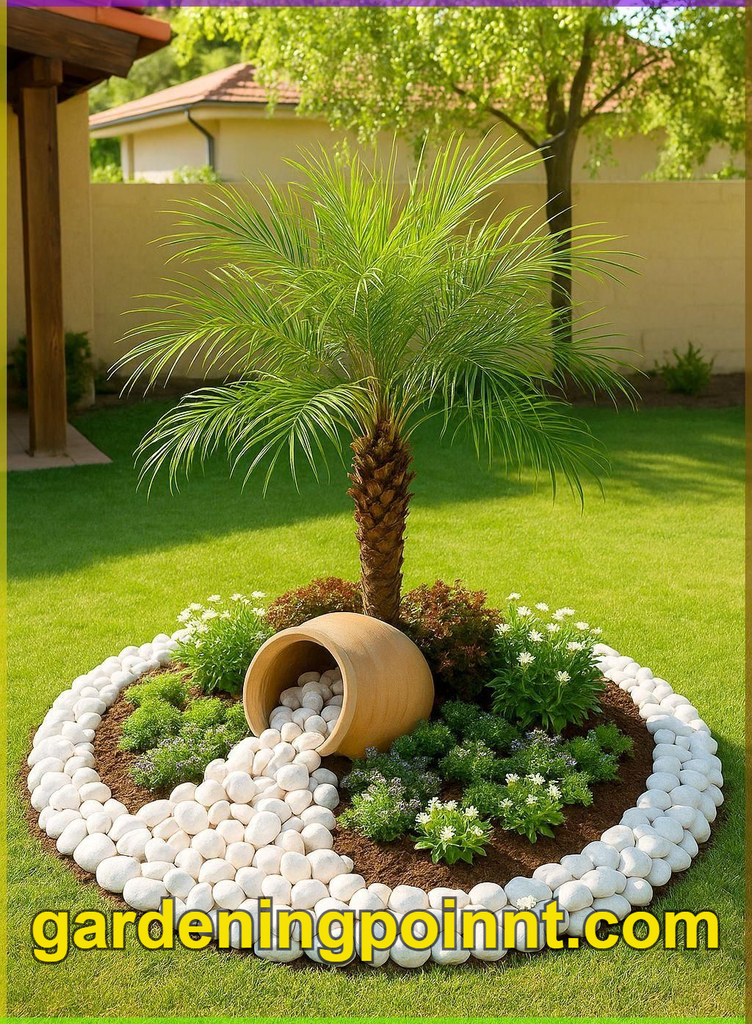
Many popular plants now come in dwarf or compact cultivars specifically bred for small spaces, offering the same visual appeal as their full-sized counterparts without overwhelming a limited area. Dwarf fruit trees, compact hydrangeas, and miniature ornamental grasses allow you to enjoy a wider variety of plant types without them outgrowing the space within a season or two. Checking a plant’s mature size before purchasing is one of the simplest ways to avoid overcrowding later on.
7. Create a Focal Point to Anchor the Design
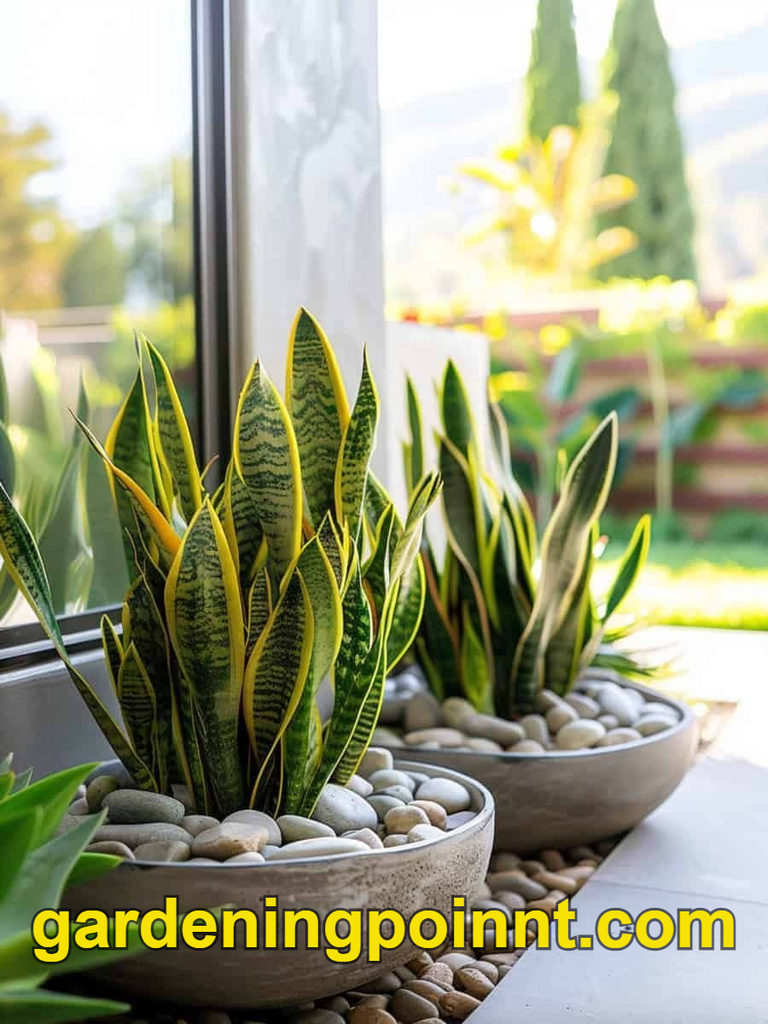
Every small garden benefits from a single focal point that draws the eye and gives the space a sense of purpose. This could be a small water feature, a striking sculptural plant, a piece of garden art, or a brightly colored container. Placing this focal point at the far end of the garden, opposite the main viewing point, also has the effect of making the space feel longer and more expansive.
8. Use Raised Beds to Define Growing Areas
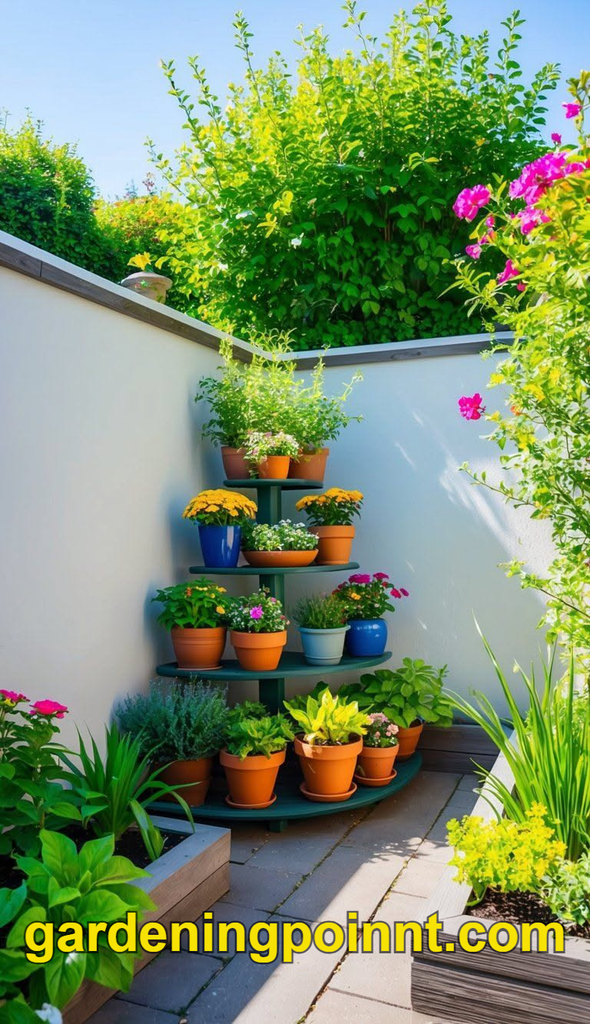
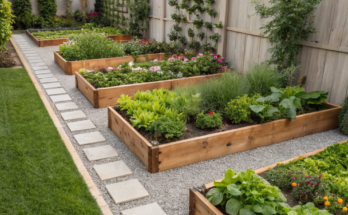
Raised beds are particularly useful in small gardens because they create clearly defined planting zones, improve drainage, and reduce the need for bending down during maintenance. Even a single raised bed along a fence line can provide enough growing space for a productive vegetable patch or a dense flower border. Raised beds also allow you to fill them with high-quality soil, which is especially helpful in small urban gardens where the existing ground soil may be poor or compacted.
9. Add Container Gardening for Flexibility
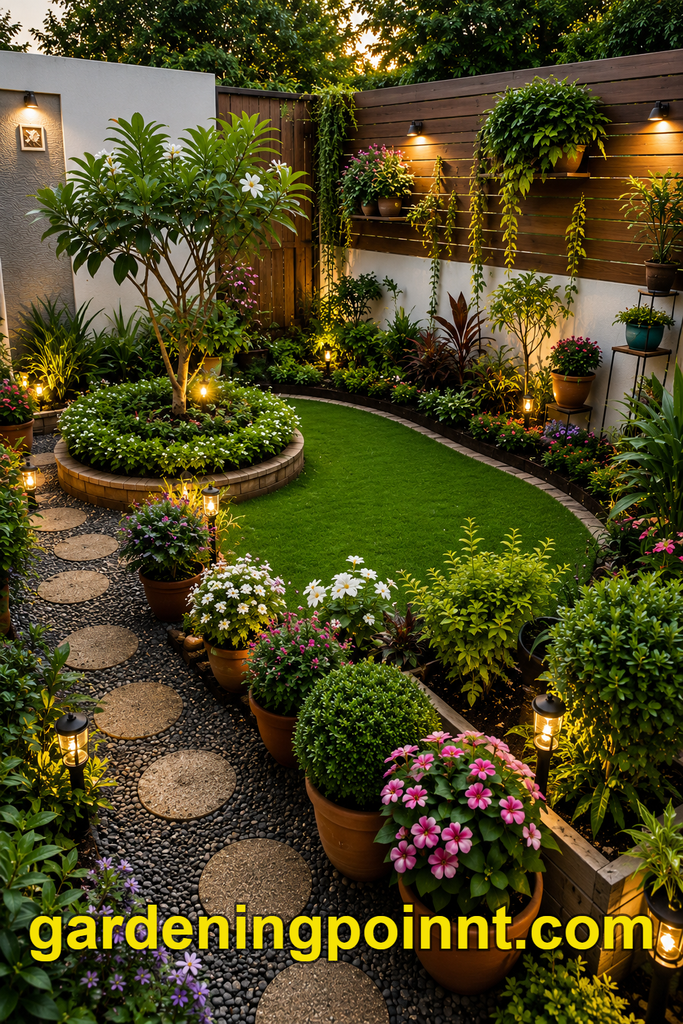
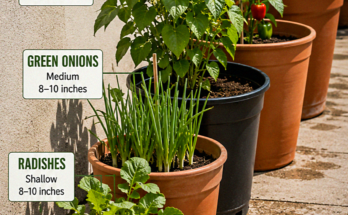
Containers offer unmatched flexibility in small gardens, allowing you to rearrange plants seasonally, move sun-loving species to follow the light, and bring tender plants indoors during colder months. Grouping containers of varying heights and sizes together creates visual interest, while a matching set of pots in one material and color keeps a small space looking cohesive rather than cluttered. Self-watering containers can also reduce maintenance for those who are away from home frequently.
10. Grow Vertically With Hanging Baskets
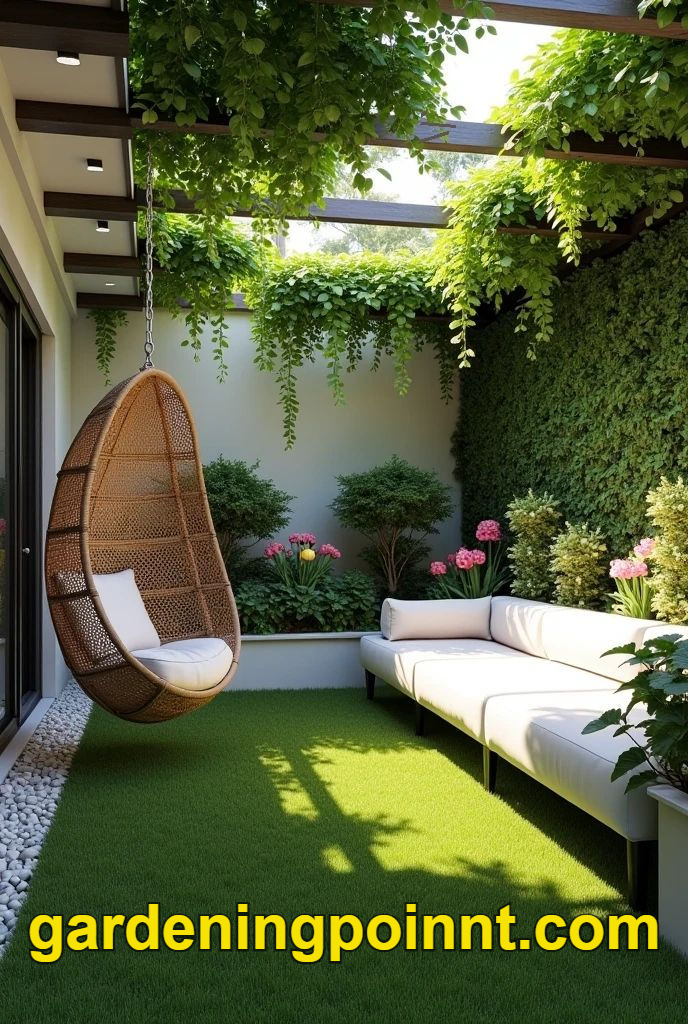
Hanging baskets suspended from pergolas, wall brackets, or fences add another layer of greenery without using any ground space at all. Trailing flowers like petunias, lobelia, and fuchsias thrive in hanging baskets and add cascading color at eye level. Positioning baskets at varying heights along a wall or fence line creates a lush, layered effect that draws attention upward and away from the limited floor area below.
11. Install a Small Water Feature for Ambiance
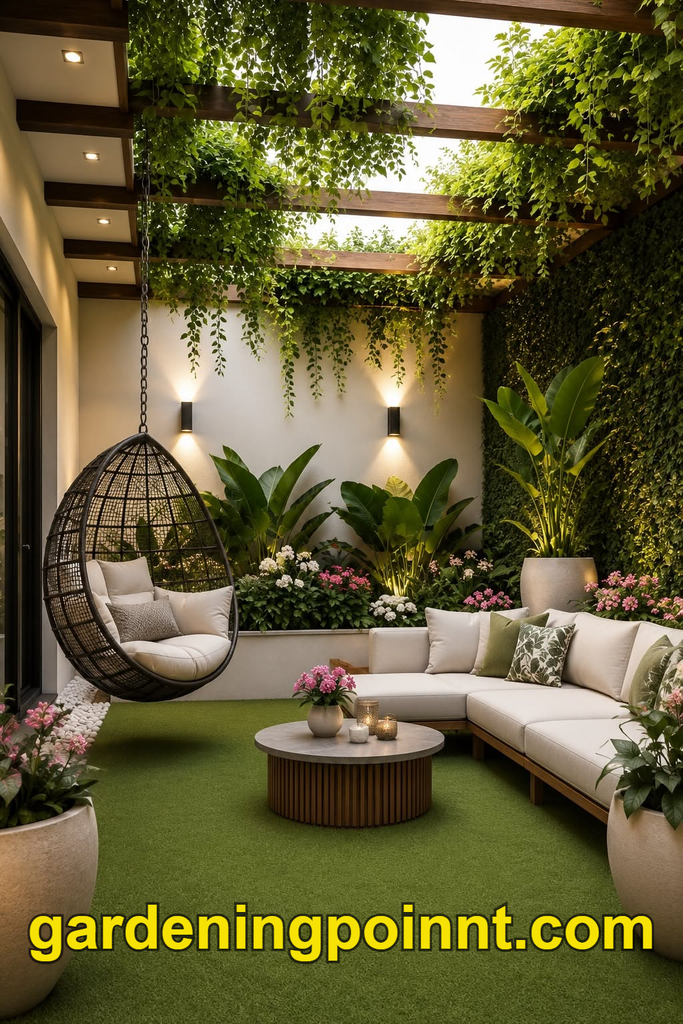
Even a modest water feature, such as a small tabletop fountain or a compact wall-mounted design, can transform the atmosphere of a small garden by introducing the soothing sound of moving water. Water features also attract birds and beneficial pollinators, adding natural movement and life to the space. Solar-powered options eliminate the need for nearby electrical outlets, making them easy to install in almost any corner.
12. Use Multi-Functional Furniture
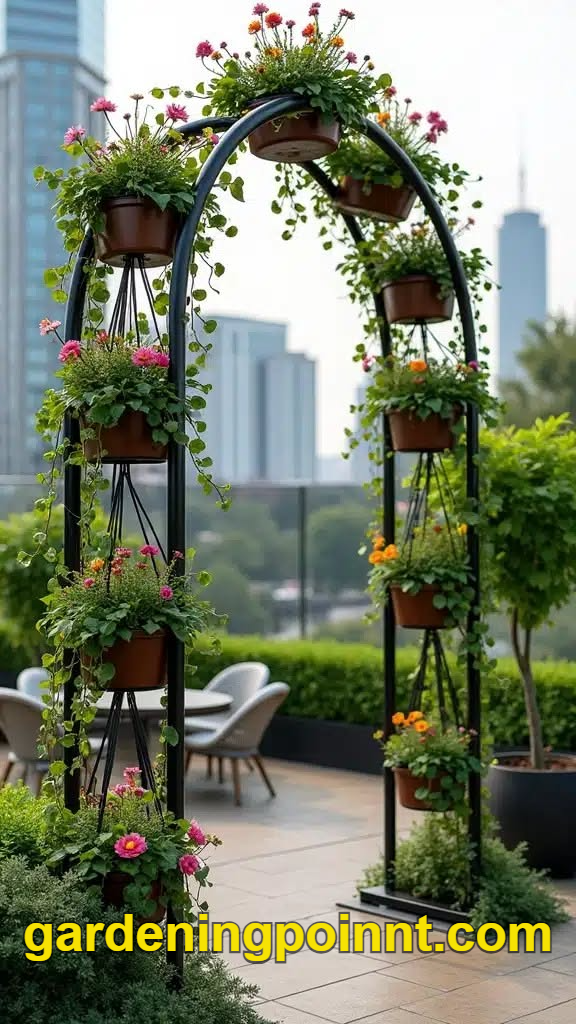
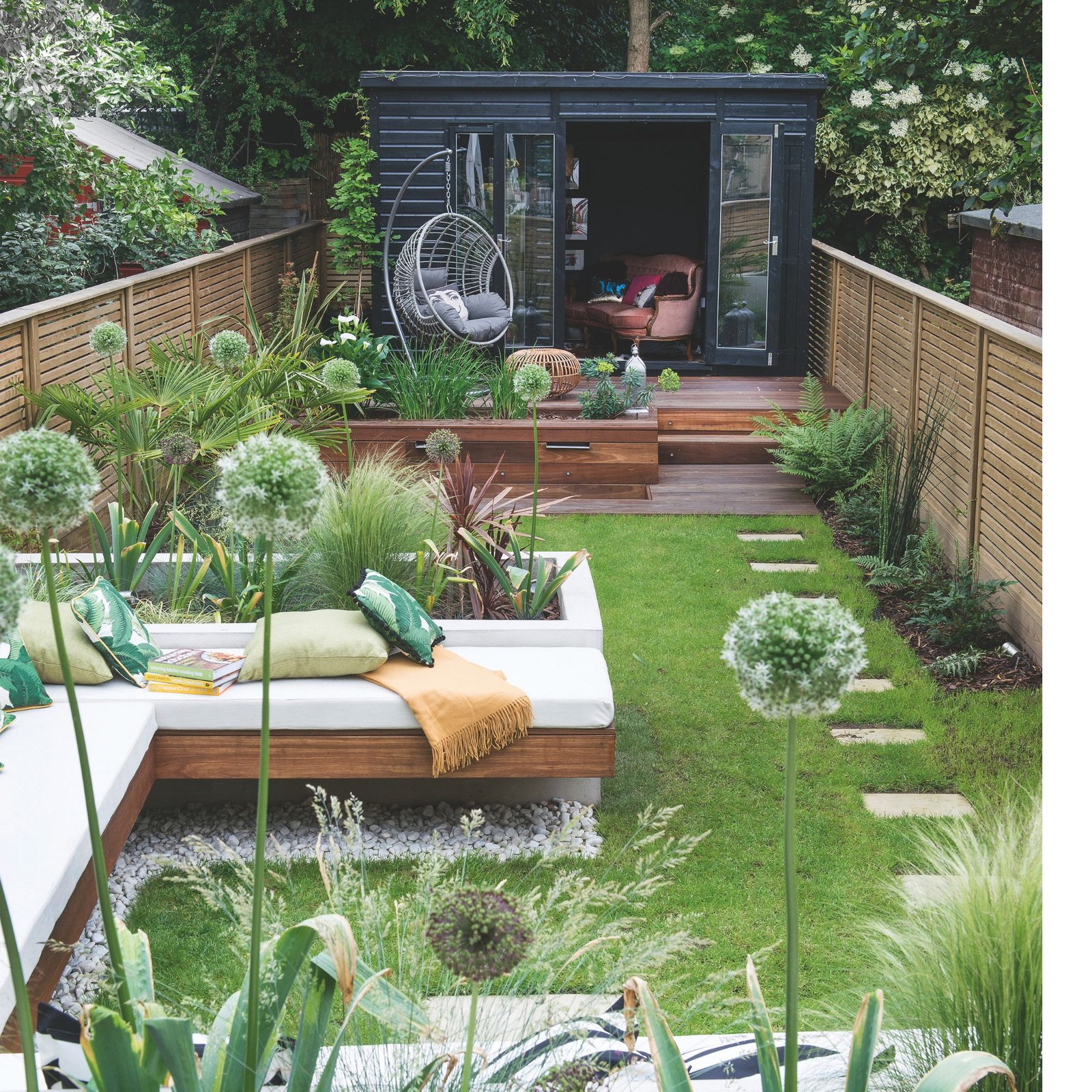
In a small garden, furniture that serves more than one purpose helps maximize usable space without cluttering the area. Benches with built-in storage, foldable tables that can be tucked away when not in use, and stools that double as side tables all help keep the garden functional without feeling cramped. Choosing furniture scaled appropriately to the size of the space is just as important as its function, since oversized pieces can quickly overwhelm a compact garden.
13. Create Curved Pathways to Add Visual Length
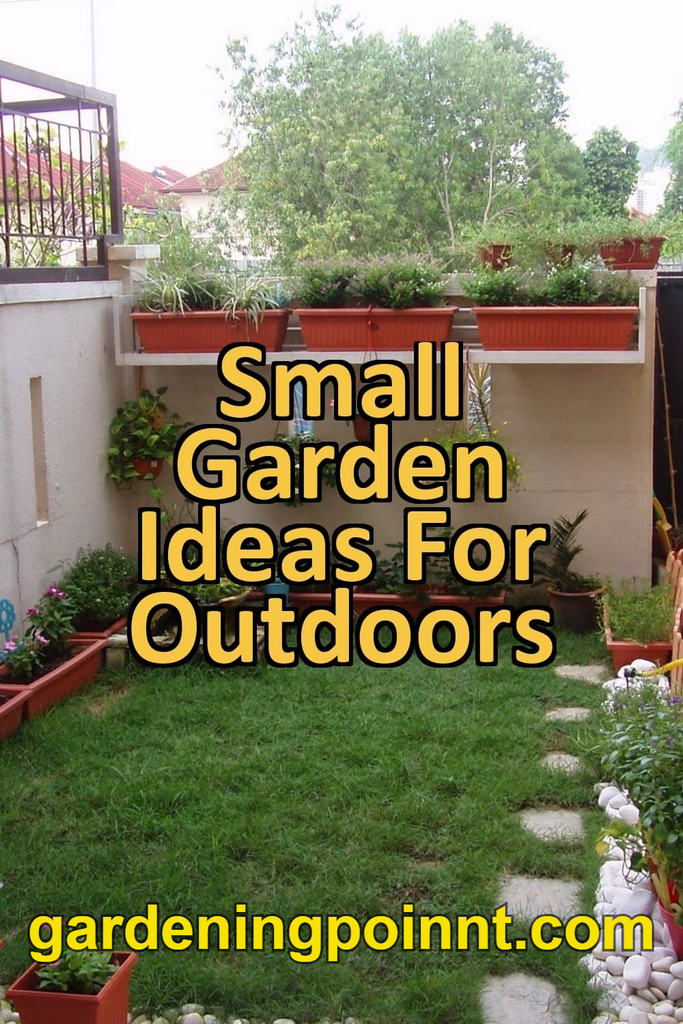
Straight pathways in a small garden often emphasize just how short the space actually is, while a gently curved path can make the same area feel longer and more intriguing by concealing the full view at a glance. Materials like gravel, stepping stones, or narrow brick pavers work well for compact curved paths and can be installed without professional help in many cases. Even a subtle curve leading to a hidden corner or seating area adds a sense of discovery to a small garden.
14. Use Climbing Plants to Soften Vertical Surfaces
Fences, walls, and trellises offer valuable vertical growing space that is often overlooked in small gardens. Climbing plants like jasmine, clematis, climbing roses, and ivy can transform a plain boundary into a living, textured backdrop for the rest of the garden. Fast-growing annual climbers like sweet peas or morning glories are a good option for renters or those who want quicker results without a long-term commitment.
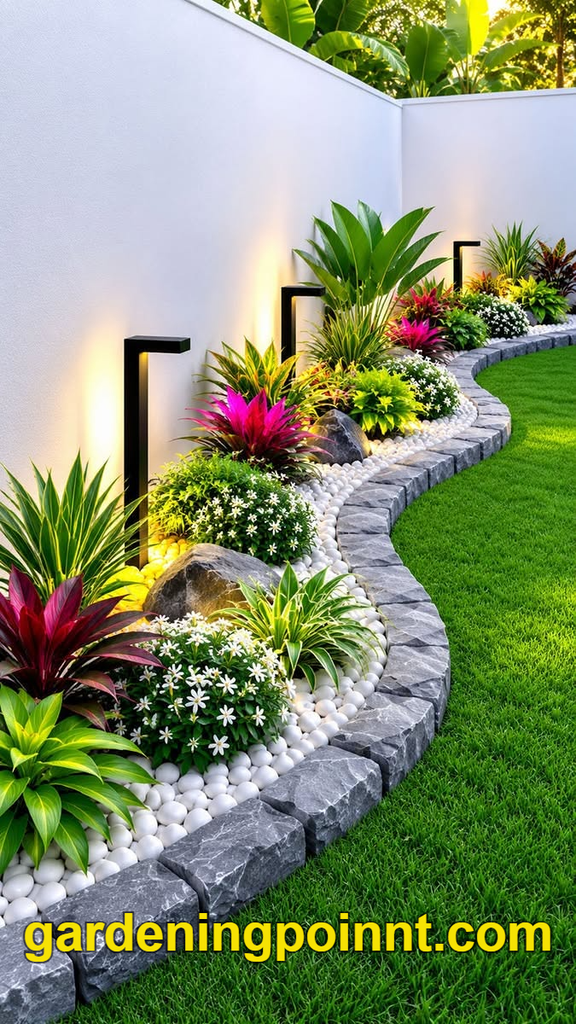
15. Grow an Edible Garden in a Compact Footprint
Small gardens can still produce a meaningful harvest of herbs, vegetables, and fruit with the right planning. Vertical planters, hanging strawberry baskets, and compact raised beds allow for productive growing even in a few square feet of space. Herbs like basil, thyme, and mint thrive in containers and can be positioned near the kitchen door for easy access while cooking. Compact vegetable varieties bred specifically for containers, such as patio tomatoes or bush-type cucumbers, make small-space vegetable gardening more achievable than ever.
16. Add Lighting to Extend Garden Use Into the Evening
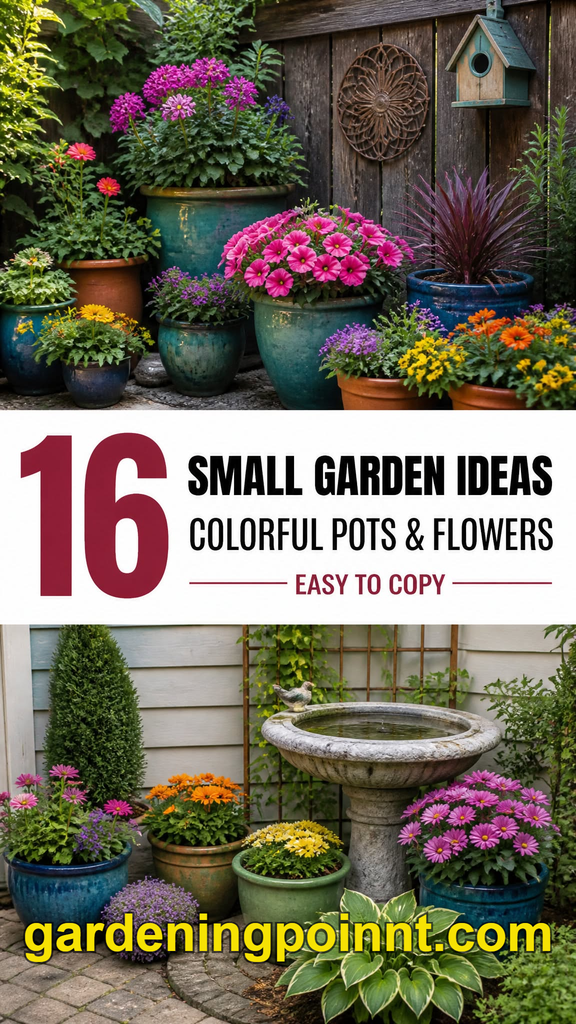
Outdoor lighting transforms a small garden from a daytime-only space into a functional evening retreat. String lights strung across a pergola or fence add a warm, ambient glow, while solar-powered path lights help define walkways safely after dark. Uplighting a single feature plant or piece of garden art can also create dramatic shadows and highlight the garden’s best features once the sun goes down.
17. Use Evergreen Plants for Year-Round Structure
While seasonal flowers add color, evergreen plants provide the structural backbone that keeps a small garden looking intentional throughout the year. Compact evergreen shrubs like boxwood, dwarf conifers, or small hollies maintain their shape and greenery through winter when deciduous plants have lost their leaves. Positioning a few evergreen anchors throughout the garden ensures there is always some greenery and structure, even in the coldest months.
18. Choose a Consistent Hardscaping Material
Using the same material for pathways, patio flooring, and raised bed edges throughout a small garden creates a sense of continuity that makes the space feel more organized and larger than it actually is. Mixing too many different materials, such as gravel, brick, and concrete pavers, in a small area can make the garden feel busy and fragmented. Sticking to one or two complementary materials throughout the hardscaping keeps the design clean and cohesive.
19. Incorporate Privacy Screening Without Losing Light
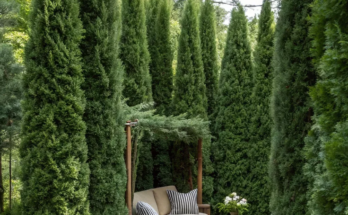
Small gardens, especially in urban settings, often need some form of privacy screening from neighboring properties without sacrificing the limited natural light available. Slatted wooden screens, trellis panels with climbing plants, or tall ornamental grasses can create a sense of enclosure while still allowing light and airflow through gaps in the structure. Bamboo screening is another popular option that provides quick, affordable privacy while adding a natural, textured backdrop to the garden.
20. Keep Maintenance Simple With Low-Care Plant Choices
A small garden is easiest to enjoy when it does not require constant upkeep to look its best. Choosing drought-tolerant plants, slow-growing shrubs, and perennial flowers over high-maintenance annuals reduces the time spent watering, pruning, and replanting each season. Mulching around plants also helps retain soil moisture and suppress weeds, cutting down on regular maintenance tasks so you can spend more time enjoying the garden rather than working in it.
Frequently Asked Questions About Small Garden Ideas
How can I make a small garden look bigger? Using curved pathways, a cohesive color palette, vertical planting, and strategically placed mirrors are all effective ways to create the illusion of more space in a small garden.
What are the best plants for a small garden? Compact and dwarf plant varieties, climbing plants for vertical interest, and low-maintenance evergreens are generally the best choices, since they provide visual impact without quickly outgrowing a limited area.
Can I grow vegetables in a small garden? Yes. Raised beds, vertical planters, and container gardening all make it possible to grow a productive selection of herbs, vegetables, and fruit even in a compact space.
Do I need a lot of furniture in a small garden? No. Multi-functional and appropriately scaled furniture pieces work best in small gardens, since oversized or excessive furniture can make the space feel cluttered and cramped.
How do I add privacy to a small garden without blocking light? Slatted screens, trellis panels covered in climbing plants, and tall ornamental grasses all provide privacy while still allowing light and air to pass through, unlike solid fencing or walls.
With thoughtful planning and a few strategic design choices, even the smallest garden can become a vibrant, functional, and inviting outdoor space. Focusing on vertical growing opportunities, a cohesive design, and low-maintenance plant choices will help ensure your small garden remains both beautiful and manageable for years to come.