Not every home has bright, sun-drenched windows. Apartments with north-facing rooms, offices set back from natural light, and hallways with no windows at all can still be filled with healthy, vibrant plants. The key is choosing species that are naturally adapted to low-light environments and giving them the right care. This guide walks through everything you need to know about low light plants — what counts as “low light,” the best species to choose, how to care for them, and how to keep them thriving long term.
1. What Does “Low Light” Actually Mean for Plants
Before choosing a plant, it helps to understand what low light really means in a home setting. Low light typically refers to a spot that receives no direct sunlight and only indirect or filtered light for most of the day. This includes north-facing windows, areas several feet back from a window, or rooms with small windows that let in limited daylight. It does not mean total darkness — even low-light plants need some ambient daylight to photosynthesize and survive. A simple test is the “shadow test”: if you hold your hand up in the space during the day and it casts a faint, blurry shadow, the area likely qualifies as low to medium light. If there is no shadow at all, the space may be too dark for most living plants without supplemental grow lights.
2. Why Choose Low Light Plants for Your Home or Office
Low light plants solve a common problem: wanting greenery in a space that simply cannot support sun-loving species. They allow you to bring life into windowless offices, dim hallways, stairwells, and rooms with heavy curtains or tall buildings blocking natural light. Beyond aesthetics, many low light plants are also known for their air-purifying qualities, helping to filter common indoor pollutants. They tend to be slower-growing than sun-loving plants, which means less frequent repotting and pruning. For busy people or beginners, low light plants are often more forgiving of inconsistent care schedules, making them an ideal starting point for anyone new to indoor gardening.
3. Pothos: The Most Forgiving Low Light Plant
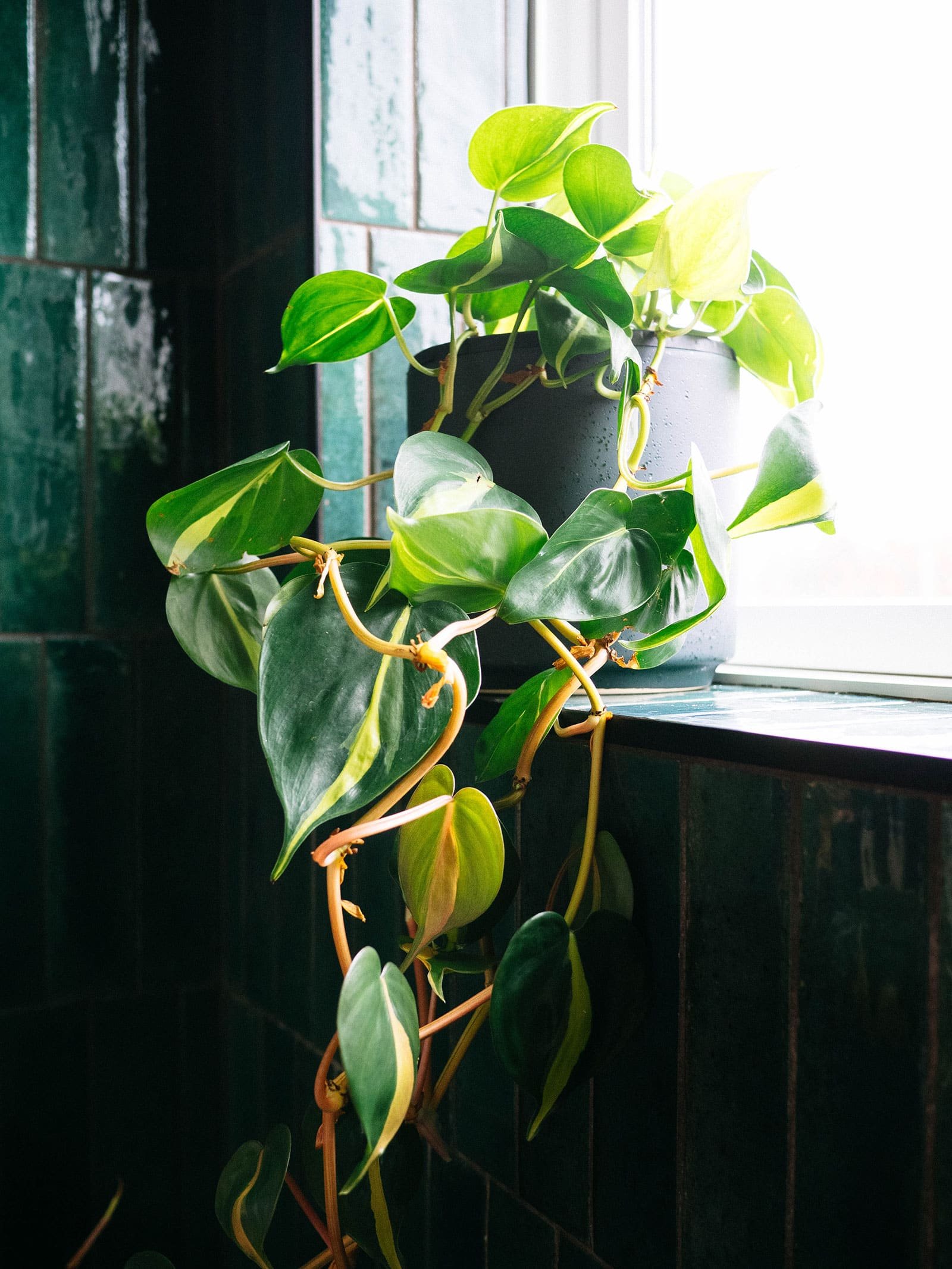
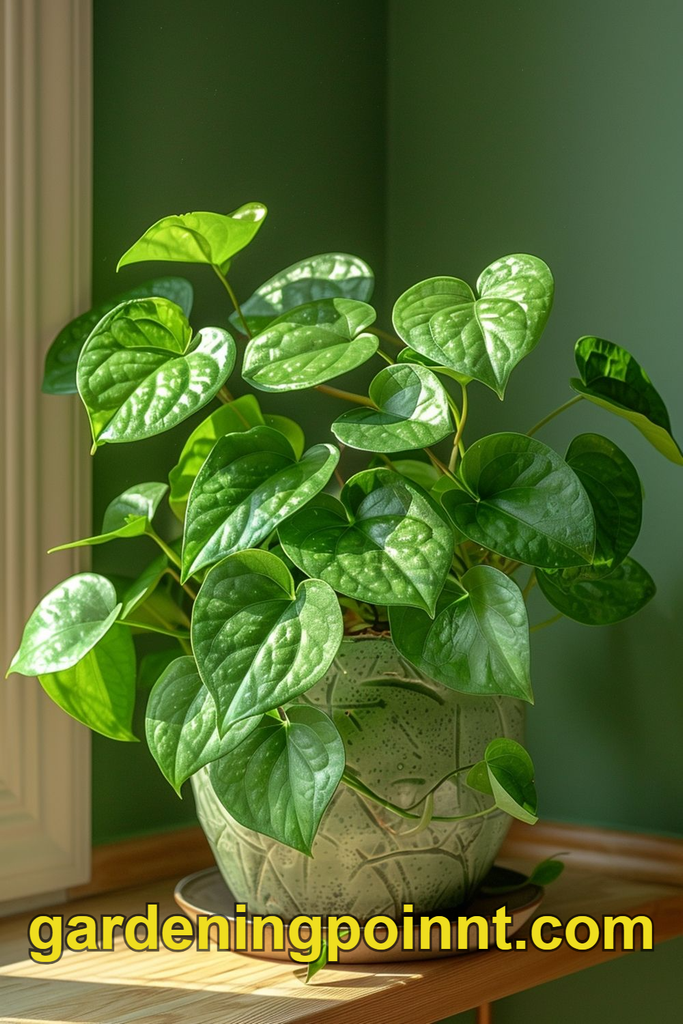
Pothos (Epipremnum aureum) is frequently recommended as the single easiest houseplant to grow in low light. Its heart-shaped leaves trail attractively from hanging baskets or climb when given a support pole. Pothos tolerates a wide range of light conditions, from bright indirect light down to fairly dim corners, though growth will slow considerably in very low light. It is also tolerant of irregular watering, bouncing back quickly even after being neglected for a week or two. Popular varieties include Golden Pothos, Marble Queen, and Jade Pothos, each offering slightly different leaf patterns while sharing the same easygoing nature.
4. Snake Plant: Nearly Indestructible in Dim Rooms
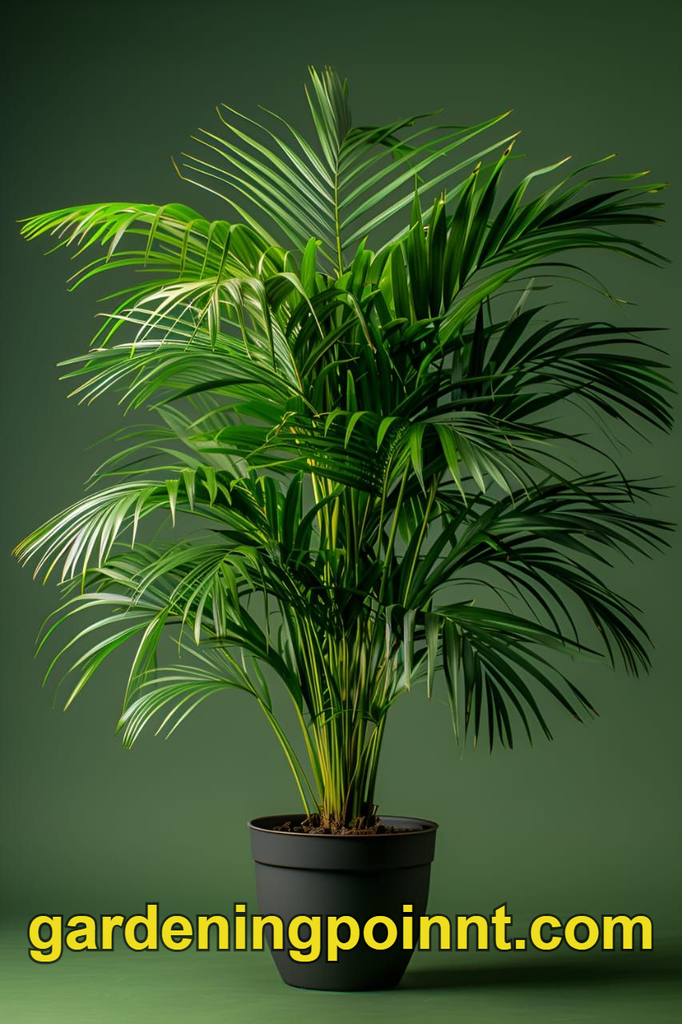
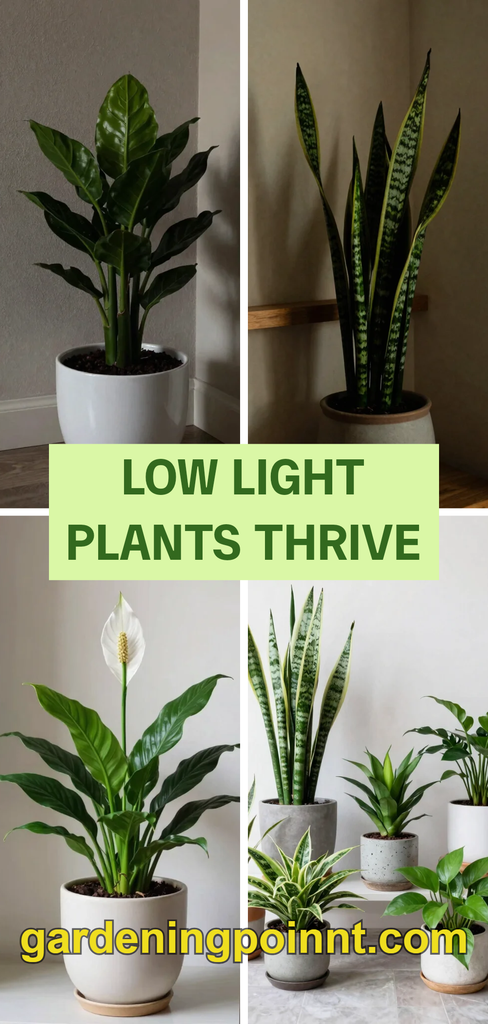
The snake plant (Dracaena trifasciata, formerly Sansevieria) is famous for surviving in conditions that would kill most other houseplants. Its stiff, upright leaves store water efficiently, allowing it to go weeks without watering. Snake plants tolerate very low light better than almost any other common houseplant, making them ideal for corners, bathrooms without windows, or offices with fluorescent lighting only. They are also known for releasing oxygen at night, which has made them a popular choice for bedrooms. Overwatering is the biggest risk with snake plants, so it is important to let the soil dry out completely between waterings.
5. ZZ Plant: Glossy Leaves That Tolerate Neglect
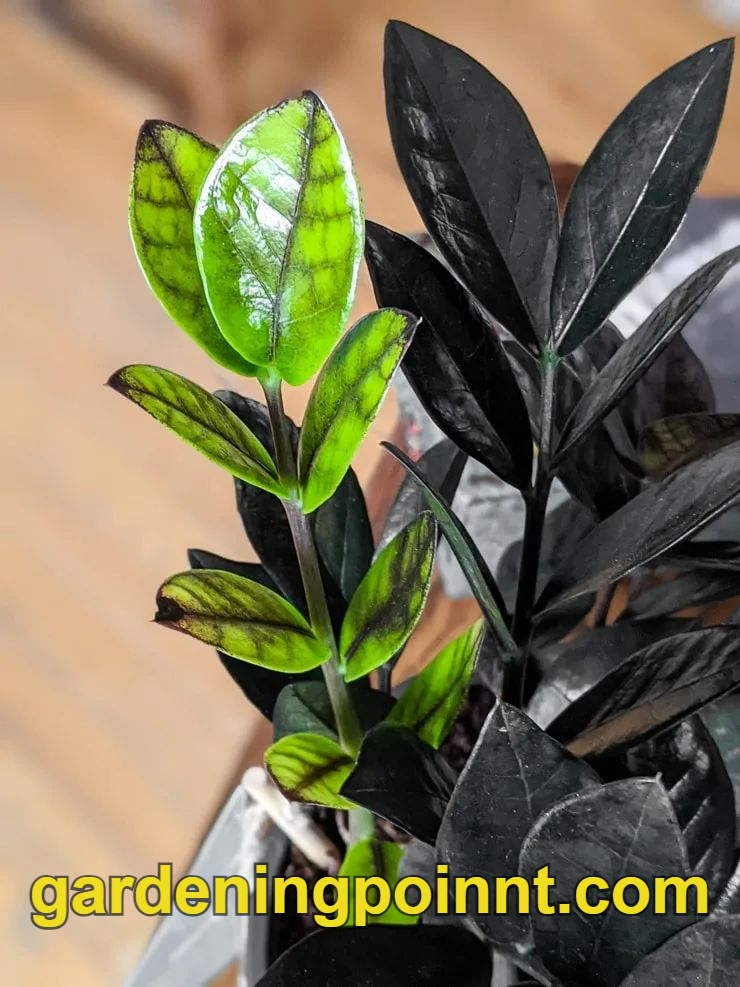
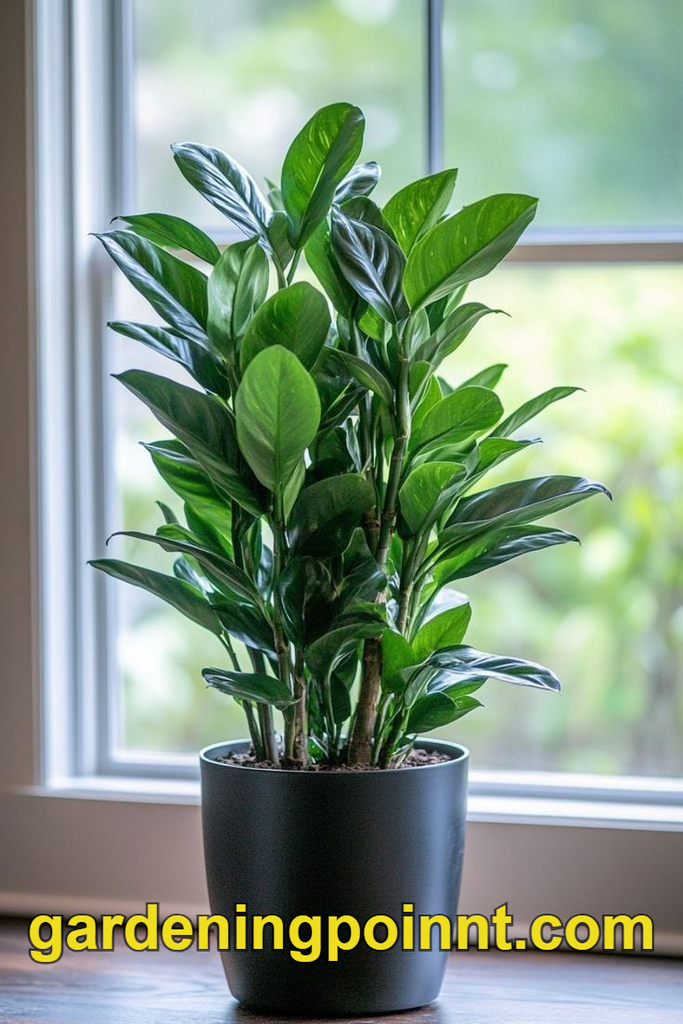
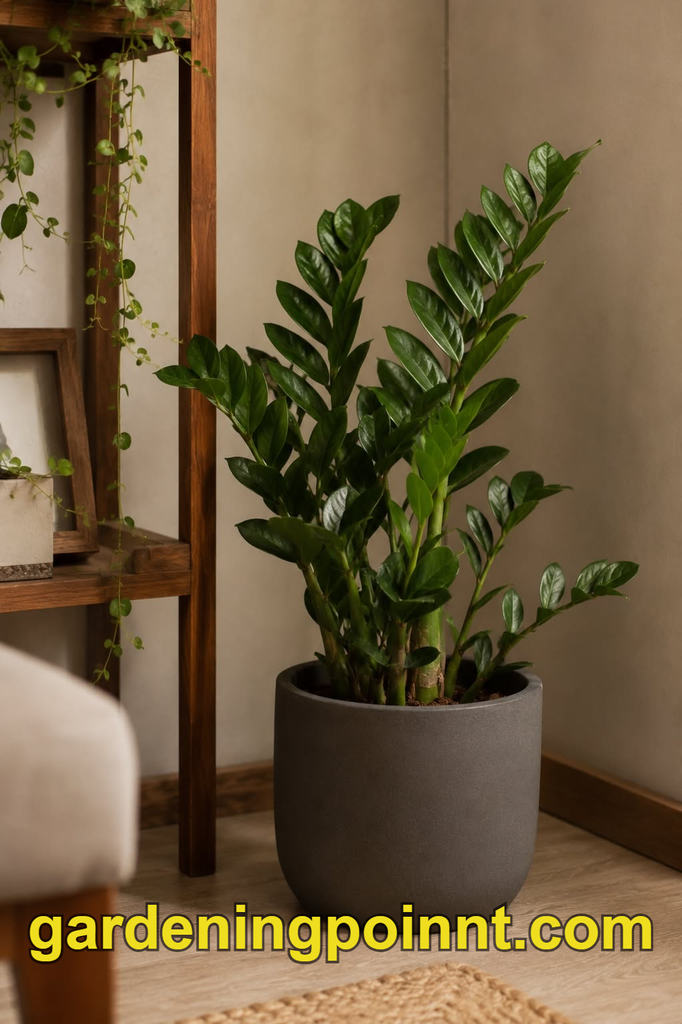
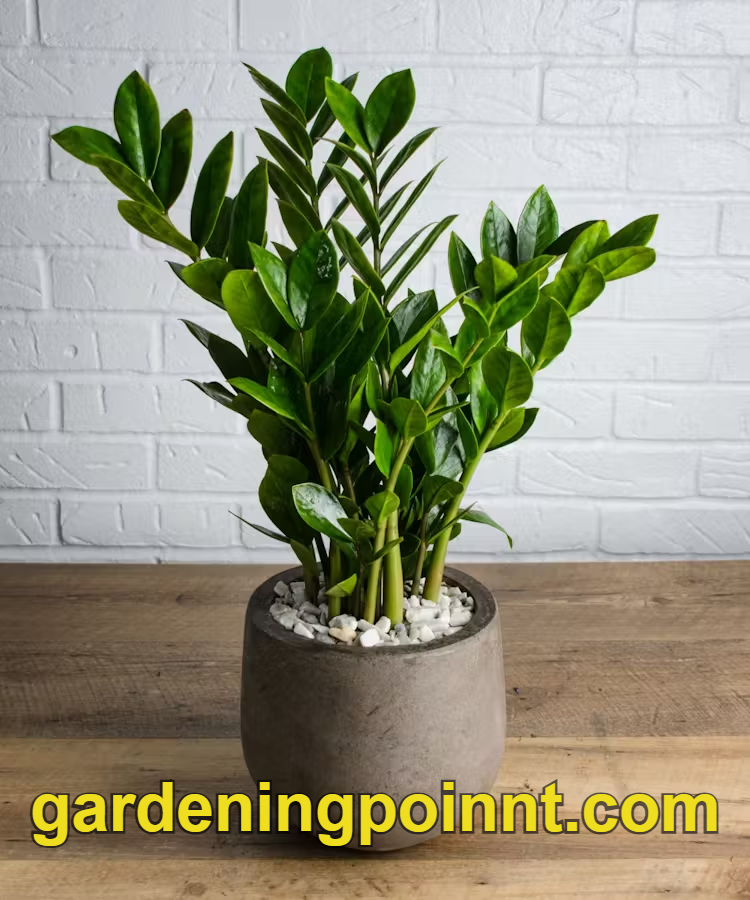
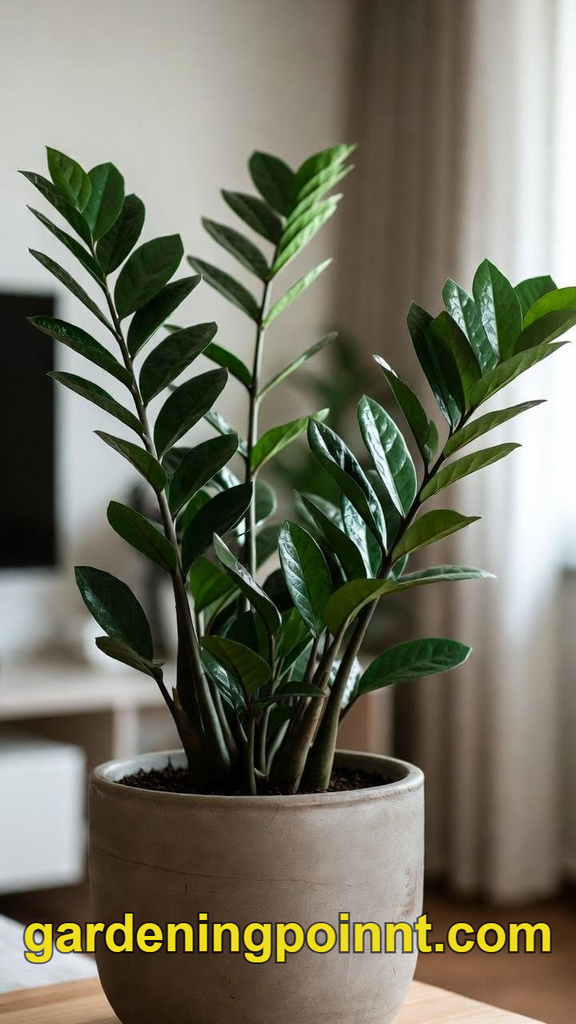
The ZZ plant (Zamioculcas zamiifolia) has become one of the most popular low light houseplants due to its glossy, dark green leaves and remarkable resilience. It stores water in thick rhizomes beneath the soil, allowing it to survive extended periods without watering. ZZ plants grow well in low to medium indirect light and are commonly used in office settings where natural light is minimal. Like the snake plant, its main enemy is overwatering rather than underwatering, so a “water sparingly” approach works best.
6. Peace Lily: Low Light Blooms and Air Purification
Unlike most low light plants, which are grown primarily for foliage, the peace lily (Spathiphyllum) can produce elegant white blooms even in low to medium indirect light. It is also known as one of the more effective indoor plants for filtering common household air pollutants. Peace lilies communicate their watering needs clearly by drooping slightly when thirsty, then perking back up shortly after watering, which makes them relatively easy to read even for beginners. They do prefer consistently moist (but not soggy) soil and appreciate higher humidity, making them a good fit for bathrooms with some natural light.
7. Chinese Evergreen: Colorful Foliage for Dim Corners
Chinese evergreen (Aglaonema) offers a wider range of leaf colors and patterns than many other low light plants, including shades of silver, cream, and pink alongside deep green. It adapts well to low light conditions, though variegated varieties with lighter coloring generally need slightly brighter indirect light to maintain their patterns. Chinese evergreen is slow-growing and low-maintenance, tolerating occasional missed waterings and a range of humidity levels, which makes it a popular choice for offices and living rooms alike.
8. Cast Iron Plant: Built for Tough Conditions
True to its name, the cast iron plant (Aspidistra elatior) is renowned for surviving in conditions that would damage more delicate species, including low light, temperature fluctuations, and inconsistent watering. Its broad, deep green leaves grow slowly but steadily, making it a long-term investment rather than a fast-growing statement piece. Cast iron plants are an excellent choice for shaded entryways, stairwells, or offices where plants are often forgotten for stretches of time.
9. Spider Plant: Adaptable and Pet-Friendly
Spider plants (Chlorophytum comosum) are known for their arching, ribbon-like leaves and the small plantlets, or “babies,” that dangle from long stems. While they grow fastest in bright indirect light, spider plants adapt reasonably well to lower light conditions, making them a flexible option for rooms with moderate shade. They are non-toxic to cats and dogs, which makes them a popular choice for pet owners looking for safe, low-maintenance greenery.
10. Philodendron: Fast-Growing and Easy to Propagate
Heartleaf philodendron shares many of the same easygoing qualities as pothos, with glossy, heart-shaped leaves that trail gracefully from hanging pots or shelves. It tolerates low light well, though it will grow more slowly and produce smaller leaves than it would in brighter conditions. Philodendron is also remarkably easy to propagate from stem cuttings placed in water, making it simple to expand your plant collection or share cuttings with friends.
11. How Much Water Do Low Light Plants Actually Need
One of the most common mistakes with low light plants is overwatering. Because these plants grow more slowly in dim conditions, they use water at a much slower rate than sun-loving plants, meaning their soil stays moist for longer. Always check the top one to two inches of soil before watering, and only water when it feels dry to the touch. Using pots with drainage holes is essential, as standing water in the base of a pot is one of the leading causes of root rot in low light species. When in doubt, it is safer to underwater slightly than to overwater.
12. Best Soil and Pot Choices for Low Light Conditions
Because low light plants take longer to use up moisture in their soil, well-draining potting mixes are especially important. A standard indoor potting mix amended with perlite or orchid bark improves drainage and reduces the risk of waterlogged roots. Terracotta pots are particularly useful for low light plants, as their porous walls allow excess moisture to evaporate more readily than plastic or ceramic containers. Always choose a pot with at least one drainage hole, and avoid pots that are significantly larger than the plant’s root ball, since excess soil volume holds onto moisture longer than the roots can use.
13. Can You Use Artificial Light to Supplement Low Light Plants
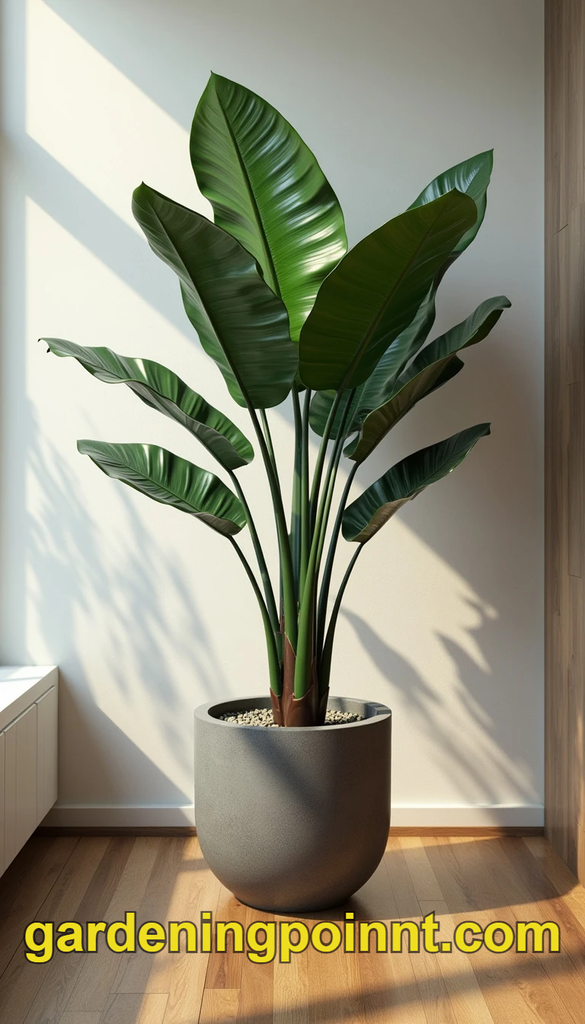
For rooms with extremely limited natural light, such as interior offices or basements, supplemental grow lights can help low light plants thrive rather than merely survive. LED grow lights designed for houseplants are energy-efficient and widely available in styles that blend into home decor, including small clip-on lamps and full-spectrum bulbs for standard fixtures. Running a grow light for around eight to twelve hours a day can noticeably improve the growth rate and leaf color of low light species like pothos, philodendron, and Chinese evergreen. Even a few hours of supplemental light near an otherwise dim spot can make a meaningful difference.
14. Common Problems With Low Light Plants and How to Solve Them
Low light plants face a distinct set of challenges compared to their sun-loving counterparts. Leggy, stretched growth with widely spaced leaves usually signals that the plant is reaching for more light than it is receiving; moving it slightly closer to a window or adding a grow light can help. Yellowing leaves are most often a sign of overwatering rather than a lack of light, since slow growth in dim conditions means the plant needs far less water than expected. Slow or stalled growth during winter is normal and does not necessarily indicate a problem, as most houseplants enter a natural dormancy period during shorter days. If leaves develop brown, crispy edges, check for low humidity or mineral buildup from tap water rather than assuming it is a lighting issue.
15. Styling Tips for Displaying Low Light Plants at Home
Low light plants work particularly well in areas of the home that are often overlooked for greenery, such as hallways, bathrooms without windows, and shaded corners of living rooms. Grouping several low light species of different heights and leaf shapes together creates a layered, jungle-like effect even without bright sun. Trailing varieties like pothos and philodendron look striking on high shelves or in hanging planters, allowing their vines to cascade down a wall. Upright plants like the snake plant and ZZ plant make strong architectural statements in minimalist spaces, requiring little more than an occasional dusting of their leaves to stay looking sharp. Because most low light plants tolerate a range of pot styles and materials, they offer flexibility to match any decor style, from bohemian macrame hangers to sleek, modern ceramic planters.
Frequently Asked Questions About Low Light Plants
What is the best plant for a room with no windows? Snake plants and ZZ plants are among the most tolerant of very low light and can survive for extended periods relying only on ambient light from adjacent rooms, though they will not grow quickly under these conditions.
How do I know if my plant is getting too little light? Signs include leggy, stretched stems, smaller-than-normal leaves, pale or faded coloring, and a general slowing of growth compared to what the plant would produce in brighter conditions.
Do low light plants need less water than other houseplants? Yes, generally. Slower growth in low light means these plants use water more slowly, so their soil should be allowed to dry out more between waterings compared to sun-loving species.
Can low light plants still purify indoor air? Several popular low light species, including pothos, peace lilies, and snake plants, are known for helping filter common indoor air pollutants, making them beneficial choices beyond their decorative appeal.
Which low light plants are safe for pets? Spider plants are non-toxic to cats and dogs, while pothos, philodendron, and peace lilies are toxic if ingested, so pet owners should place these out of reach or choose pet-safe alternatives instead.
With the right species selection and a few adjustments to watering habits, even the dimmest rooms in a home or office can support a thriving collection of houseplants. Starting with forgiving options like pothos, snake plant, or ZZ plant is a reliable way to build confidence before expanding into a wider variety of low light greenery.