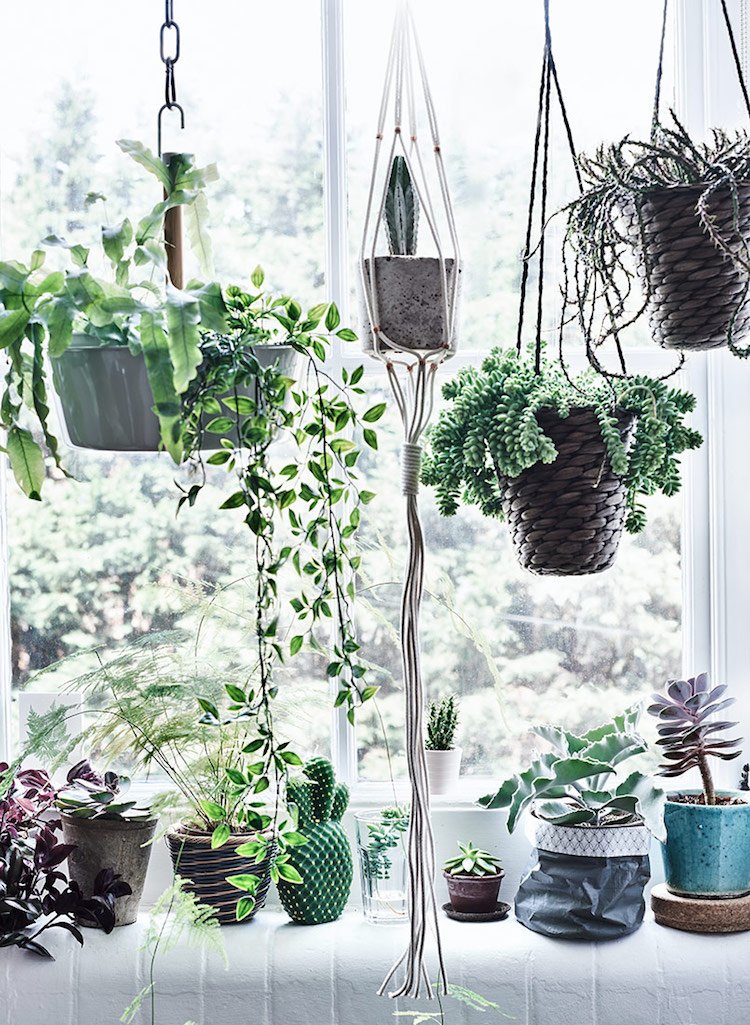
Hanging plants have become one of the most popular ways to bring greenery into modern homes. They save floor space, add vertical interest, soften harsh corners, and turn empty ceiling areas and bare walls into lush, living features. Whether you live in a small apartment, a sunny bungalow, or a low-light office space, there is a trailing or cascading plant that will thrive for you.
This guide covers everything you need to know about indoor hanging plants: the best varieties for different light conditions, how to care for them, creative display ideas, common problems and solutions, and answers to the questions people ask most often. By the end, you will know exactly which plants to choose and how to keep them healthy for years.
Why Choose Hanging Plants for Your Home
Hanging plants offer several advantages over traditional potted plants sitting on shelves or windowsills.
They maximize space. In small apartments or rooms with limited floor and surface area, hanging plants let you add greenery without sacrificing usable space. A macrame hanger or a ceiling hook can turn unused air space into a garden feature.
They create visual layers. A room with plants only at floor level or on tables can feel flat. Hanging plants add height and draw the eye upward, making rooms feel larger and more dynamic.
They improve air quality. Many popular trailing houseplants, such as pothos and spider plants, are known for filtering common indoor air pollutants, contributing to a fresher, healthier indoor environment.
They soften hard edges. Cascading foliage naturally softens the straight lines of furniture, windows, and walls, giving a room a more organic, relaxed feel.
They keep plants safe from pets and children. Elevated planters keep curious pets and toddlers away from soil, leaves, and pots that might otherwise be knocked over or nibbled on.
Best Indoor Hanging Plants by Light Level
Light is the single most important factor in choosing the right hanging plant. Matching the plant to your available light will save you time, money, and frustration.
Low-Light Hanging Plants
If your room has north-facing windows or is set back from natural light, these plants will still perform well.
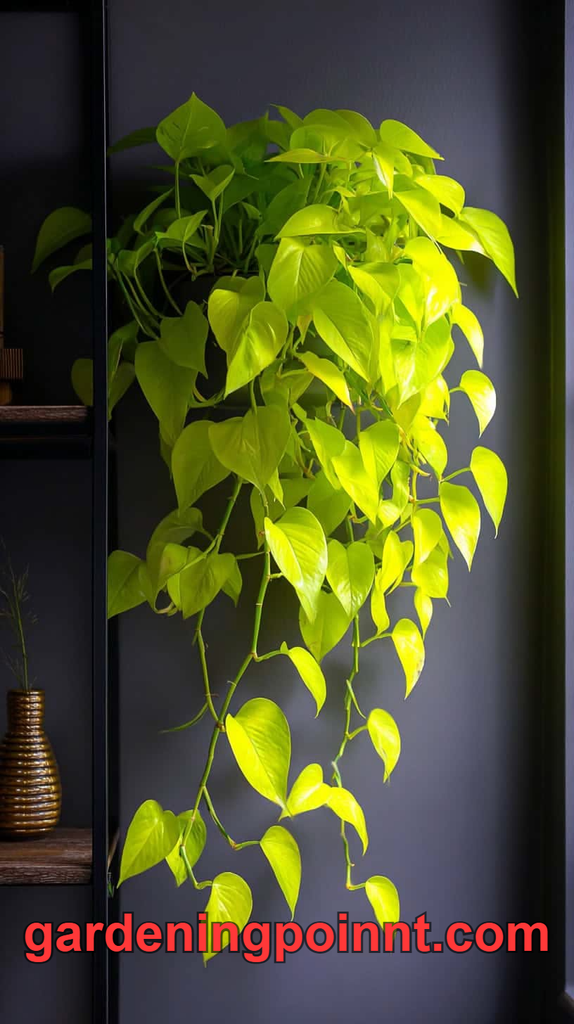
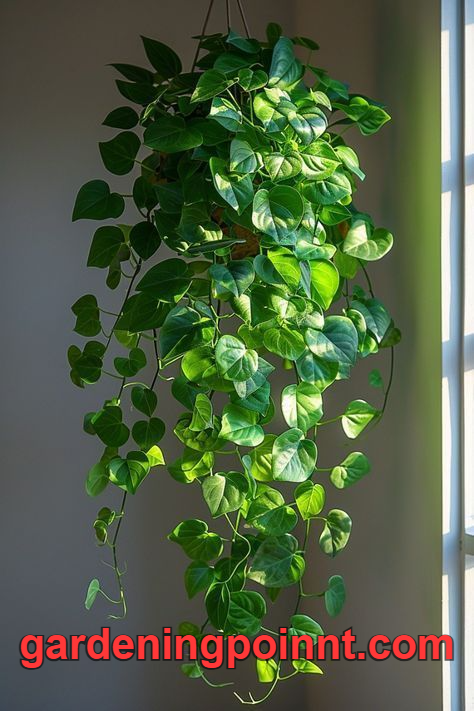
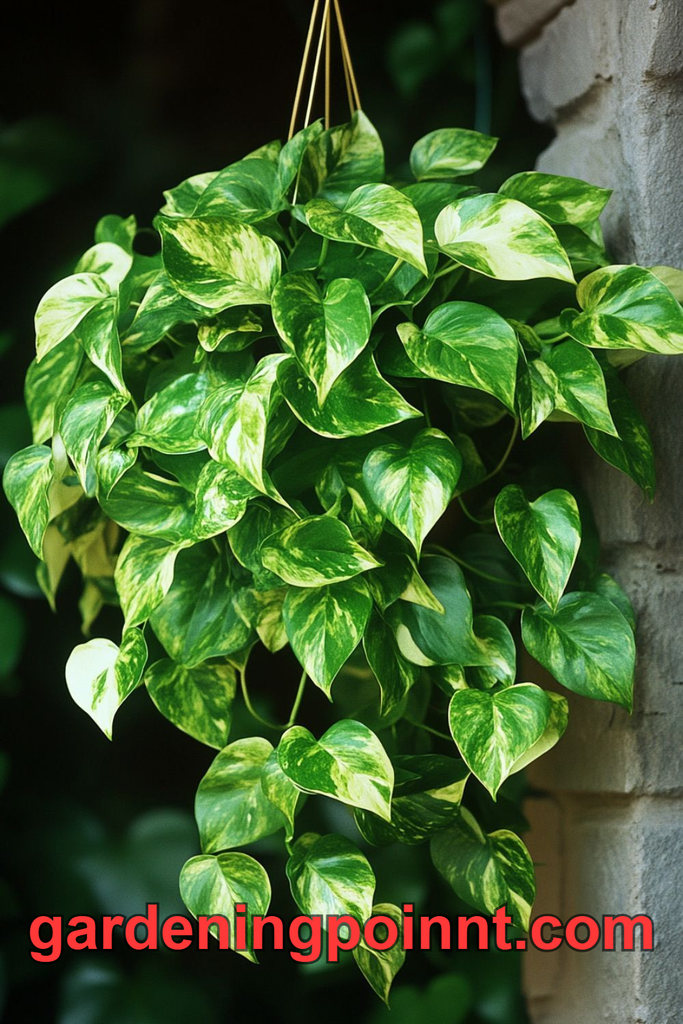
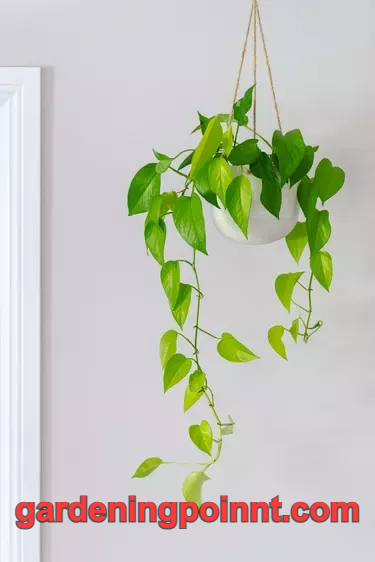
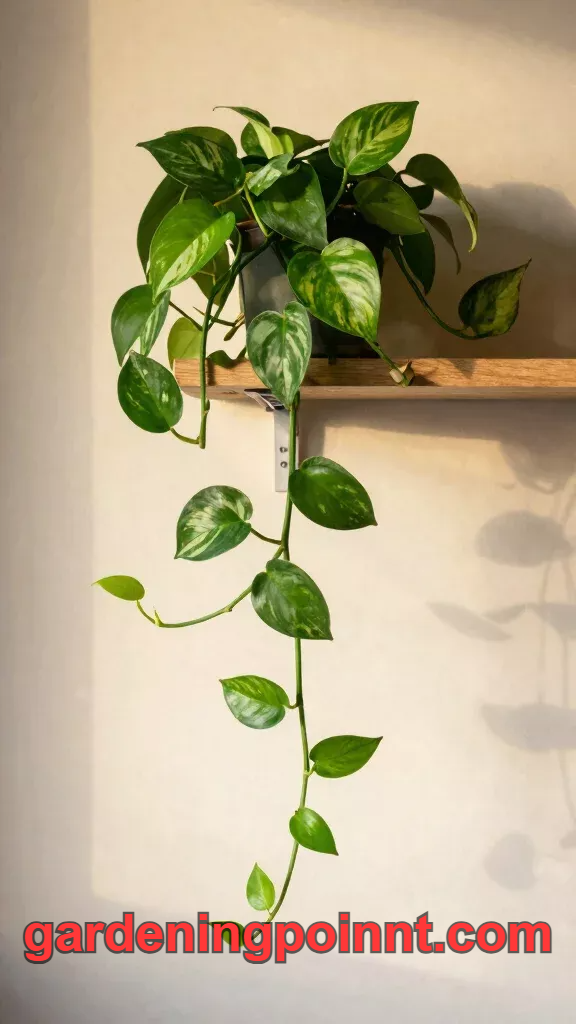
Pothos (Epipremnum aureum). Often considered the easiest houseplant to grow, pothos tolerates low light, irregular watering, and general neglect. Its heart-shaped leaves trail beautifully over the edge of a pot, and varieties like Golden Pothos, Marble Queen, and Neon Pothos offer different color patterns.
Heartleaf Philodendron. Similar in toughness to pothos, this plant has glossy, heart-shaped leaves and grows quickly even in dim corners. It is a favorite for beginners because it recovers easily from underwatering.
ZZ Plant (in trailing form). While typically grown upright, some ZZ plant varieties and related Zamioculcas cultivars can be trained to cascade slightly, and they are nearly indestructible in low light.
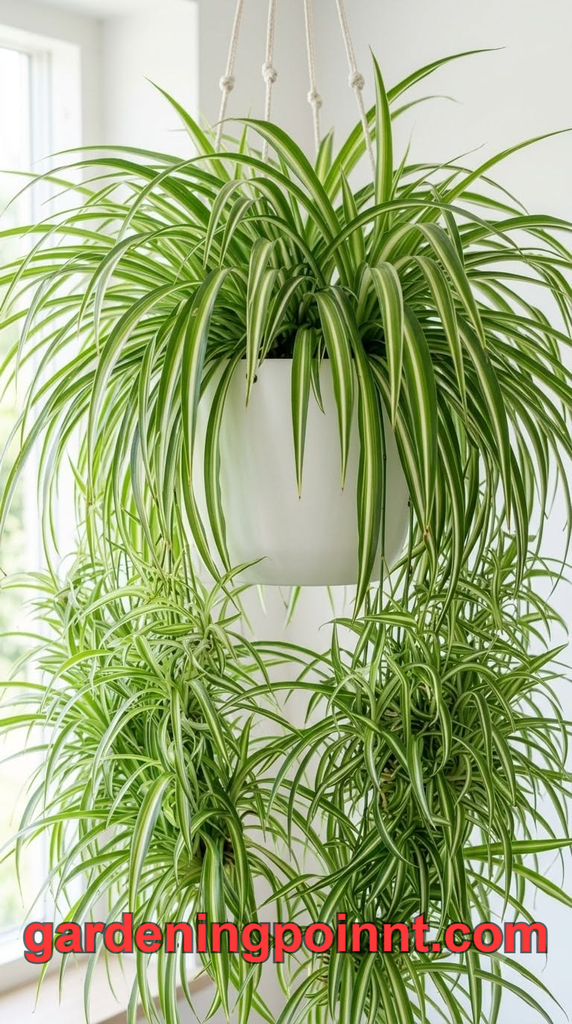
Spider Plant (Chlorophytum comosum). Spider plants produce long, arching leaves and small plantlets (“babies”) that dangle on thin stems, creating a fountain-like effect. They tolerate a range of light conditions and are non-toxic to pets.
Medium-Light Hanging Plants
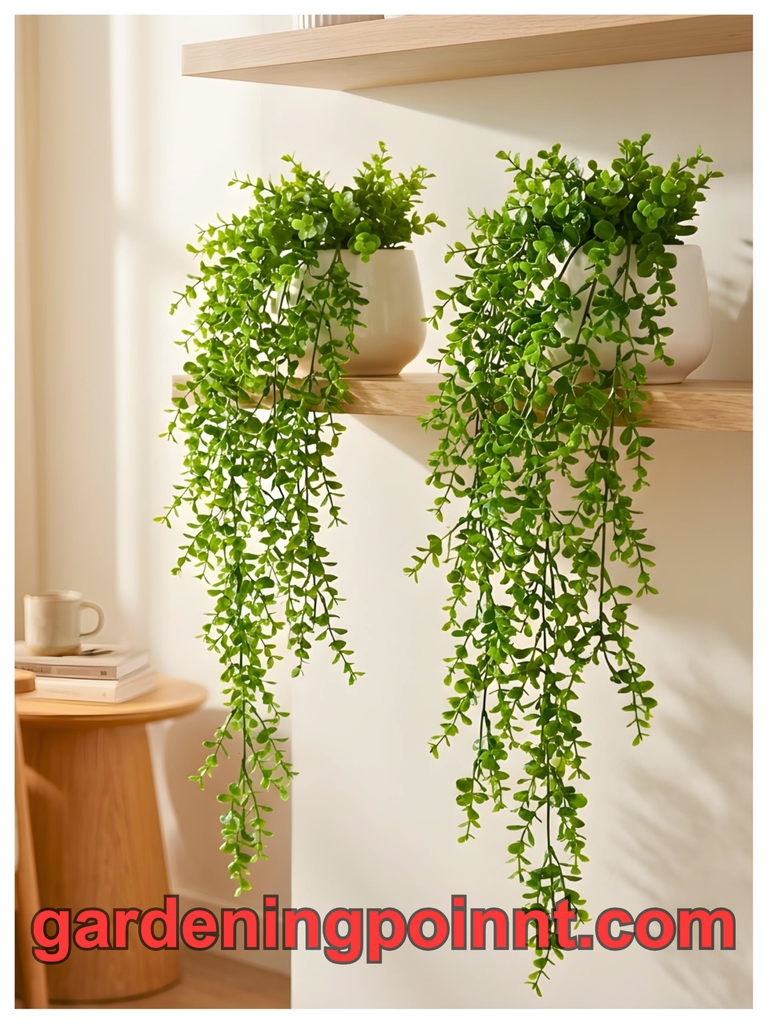
Rooms with filtered light, sheer curtains, or east-facing windows suit these varieties.
English Ivy (Hedera helix). A classic trailing plant with small, lobed leaves. English ivy prefers consistent moisture and cooler temperatures, making it a great choice for bathrooms with a window or bright hallways.
String of Hearts (Ceropegia woodii). With delicate, heart-shaped leaves on thin, wire-like vines, this semi-succulent plant does well in medium to bright indirect light and needs less frequent watering than most trailing plants.
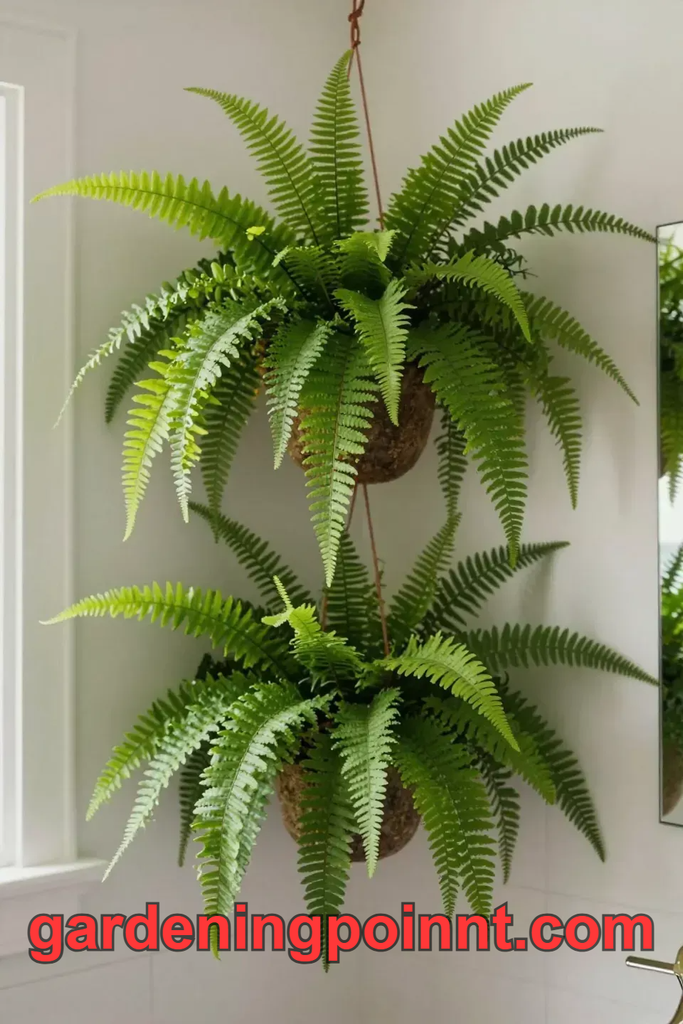
Boston Fern (Nephrolepis exaltata). Known for its full, feathery fronds, the Boston fern prefers humidity and indirect light. It is an excellent choice for bathrooms or kitchens with good natural light.
Swedish Ivy (Plectranthus verticillatus). Fast-growing and forgiving, Swedish ivy produces scalloped leaves on trailing stems and adapts well to medium light.
Bright-Light Hanging Plants
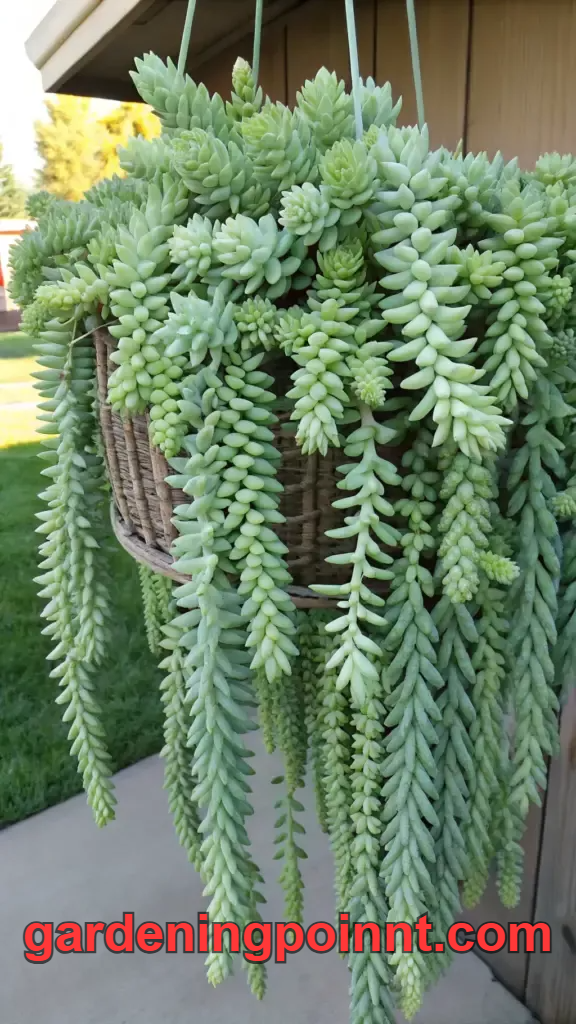
If you have a south- or west-facing window with several hours of direct or bright indirect sun, these plants will flourish.
String of Pearls (Senecio rowleyanus). This striking succulent has bead-like leaves that cascade dramatically over the pot’s edge. It needs bright light and infrequent watering, making it ideal for sunny kitchens.
Burro’s Tail (Sedum morganianum). With plump, teardrop-shaped leaves densely packed on trailing stems, burro’s tail is a slow-growing succulent that thrives in strong light and minimal humidity.
String of Bananas (Senecio radicans). A close relative of String of Pearls, this plant has curved, banana-shaped leaves and shares similar care needs.
Rosary Vine. A close cousin to String of Hearts, this succulent-like trailer enjoys bright light and produces uniquely marbled, heart-shaped leaves.
How to Care for Indoor Hanging Plants
While specific needs vary by species, most hanging plants share a few general care principles.
Watering
Overwatering is the most common cause of houseplant death, and hanging plants are no exception. Because hanging pots often have less visible drainage and can be harder to check, it is easy to either overwater or forget to water altogether.
- Check the top inch of soil before watering; if it feels dry, it is usually time to water.
- Use pots with drainage holes whenever possible, and place a saucer or liner underneath to catch excess water.
- Succulent-type trailers like String of Pearls and Burro’s Tail need much less frequent watering than tropical trailers like pothos or ferns.
- Water thoroughly until it drains from the bottom, rather than giving small frequent sips, which can lead to shallow root growth.
Light
Observe how the light in your room changes throughout the day and across seasons. A spot that gets bright light in summer may become quite dim in winter as the sun’s angle shifts. Rotate hanging plants occasionally so all sides receive even light exposure, which encourages balanced, symmetrical growth.
Humidity
Ferns, ivy, and other tropical trailers appreciate higher humidity than the average home provides, especially during winter when heating systems dry out the air. Grouping plants together, using a small humidifier, or hanging plants in bathrooms and kitchens can help maintain the moisture these species prefer.
Feeding
Most hanging plants benefit from a diluted liquid fertilizer every four to six weeks during the growing season (spring and summer). Reduce or stop feeding in fall and winter when growth naturally slows.
Pruning and Grooming
Regular trimming keeps hanging plants full and prevents legginess. Pinch back the growing tips of pothos, philodendron, and ivy to encourage bushier growth. Remove yellow or dead leaves promptly to keep the plant looking tidy and to reduce the risk of pests or fungal issues.
Repotting
Hanging plants typically need repotting every one to two years, or when roots begin to emerge from the drainage holes or circle tightly around the base. Choose a pot only one to two inches larger in diameter than the current one, since oversized pots hold excess moisture that can lead to root rot.
Creative Ways to Display Hanging Plants
Beyond the basic ceiling hook and pot, there are many stylish ways to showcase trailing plants throughout your home.
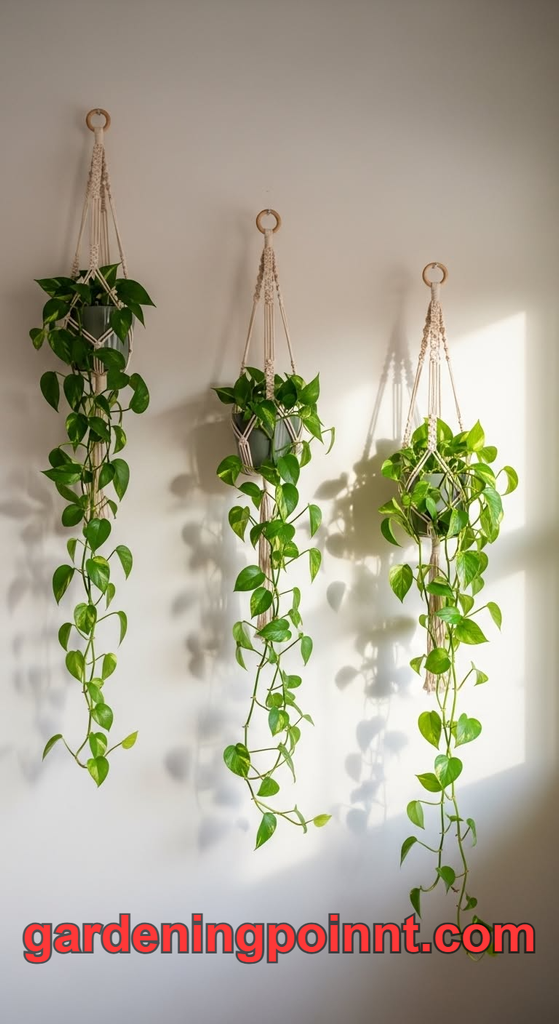
Macrame hangers. These woven cotton or jute hangers add a bohemian, textured touch and work well with a wide range of decor styles.
Wall-mounted brackets. Metal or wooden brackets extending from the wall allow you to display plants without needing ceiling access, ideal for renters or rooms with low ceilings.
Tiered plant stands. For a fuller look, stagger multiple trailing plants at different heights using a tiered stand or a series of hooks along a single wall.
Window displays. Clear glass shelves or tension rods installed inside a window frame let sunlight filter through trailing foliage, creating a beautiful, glowing effect.
Kitchen and bathroom nooks. Hanging a small pothos or ivy near a kitchen window or bathroom mirror brings life to functional spaces that often lack decor.
Room dividers. A row of hanging plants suspended from a beam or curtain rod can create a soft, natural partition between open-plan living areas.
Common Problems and How to Fix Them
Yellowing leaves. Usually a sign of overwatering. Check that the pot drains properly and allow the soil to dry out more between waterings.
Brown, crispy leaf tips. Often caused by low humidity or a buildup of mineral salts from tap water. Try using filtered or distilled water and increasing ambient humidity.
Leggy, sparse growth. Indicates insufficient light. Move the plant closer to a window or supplement with a grow light, and prune to encourage bushier regrowth.
Pests like spider mites or mealybugs. Inspect leaves regularly, especially the undersides. Wipe leaves with a damp cloth and treat with insecticidal soap or neem oil if pests appear.
Slow or no growth in winter. This is normal dormancy for most houseplants. Reduce watering and hold off on fertilizing until spring.
Choosing the Right Hanging Plant for Your Space
When selecting a hanging plant, consider these factors together rather than in isolation:
- Available light: Match the plant to your room’s actual light conditions, not just where you want it to go.
- Time commitment: Succulent trailers like String of Pearls need less frequent attention than moisture-loving ferns.
- Pet safety: If you have curious cats or dogs, choose non-toxic options like spider plants, Boston ferns, or areca palms rather than pothos or philodendron, which are toxic if ingested.
- Humidity levels: Bathrooms and kitchens tend to be more humid and suit ferns and ivy, while living rooms and bedrooms may better suit hardier options like pothos or succulent trailers.
- Aesthetic goals: Decide whether you want dramatic cascading foliage, delicate trailing vines, or a fuller, bushier look, and choose species accordingly.
Frequently Asked Questions
What is the easiest hanging plant to keep alive indoors? Pothos is widely regarded as the most forgiving hanging plant. It tolerates inconsistent watering, low light, and general neglect while still producing attractive trailing foliage.
How often should I water hanging plants? This depends on the species, but a general rule is to check the top inch of soil and water only when it feels dry. Tropical trailers like pothos and ferns typically need water every one to two weeks, while succulents like String of Pearls may only need watering every two to three weeks.
Do hanging plants need direct sunlight? Most hanging plants prefer bright, indirect light rather than direct sun, which can scorch delicate leaves. Succulent varieties like String of Pearls and Burro’s Tail are exceptions and enjoy several hours of direct sunlight.
Can hanging plants purify indoor air? Certain hanging plants, particularly pothos and spider plants, are known for helping filter common indoor air pollutants, making them a popular choice for improving indoor air quality alongside their decorative appeal.
Are hanging plants safe for cats and dogs? Not all of them. Pothos, philodendron, and English ivy are toxic if ingested by pets. Safer alternatives include spider plants, Boston ferns, and areca palms.
Final Thoughts
Indoor hanging plants are a simple, effective way to bring life, color, and texture into any room, regardless of its size or light conditions. By matching the right plant to your space’s light and humidity, following consistent watering and care practices, and choosing a display method that suits your style, you can enjoy lush, cascading greenery that thrives for years to come. Start with an easy, forgiving variety like pothos or spider plant if you are new to hanging plants, and expand your collection as your confidence grows.