Creating an indoor plants aesthetic is about more than just scattering a few pots around your home—it’s about curating a cohesive, intentional look that transforms your living space into a lush, natural sanctuary. From choosing the right plant varieties to selecting complementary planters and arranging them thoughtfully, every detail contributes to the overall vibe. This complete guide covers everything you need to know about achieving a beautiful indoor plant aesthetic in your home.
What Does “Indoor Plants Aesthetic” Really Mean?
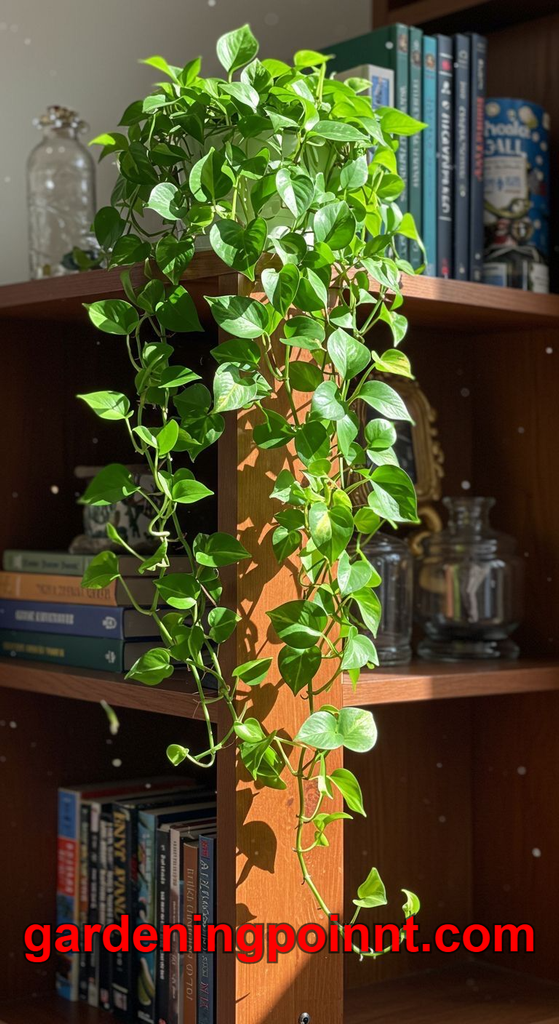
An indoor plants aesthetic refers to the intentional styling and curation of houseplants to create a specific visual mood or theme throughout a space. Rather than randomly placing plants wherever there’s room, this approach considers color palettes, plant shapes, planter styles, and placement to achieve a harmonious, magazine-worthy look.
Why a Cohesive Plant Aesthetic Matters
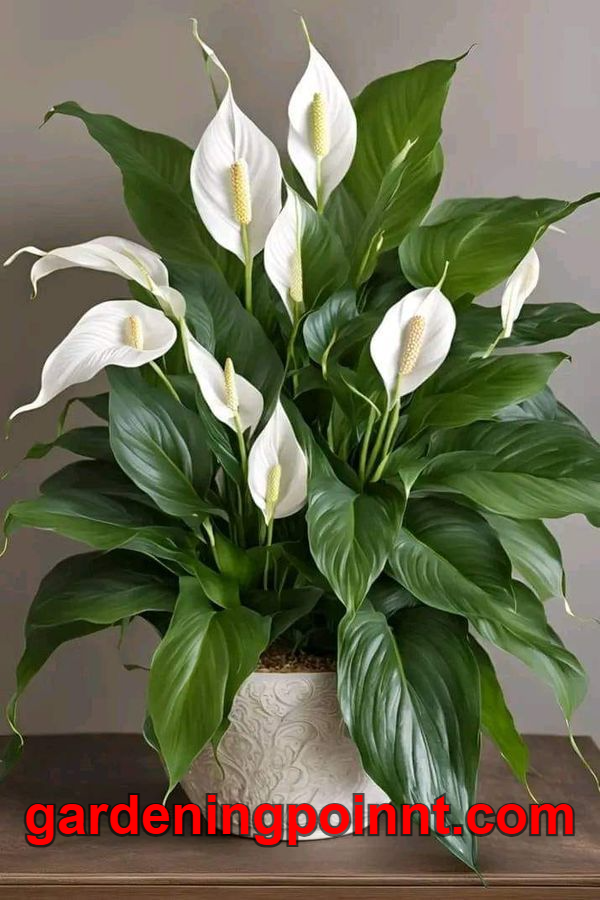
A thoughtfully curated plant collection does more than look pretty—it creates a sense of calm and intentionality throughout your home. Mismatched pots and randomly placed plants can make a space feel cluttered, while a cohesive aesthetic ties different rooms together and enhances your overall interior design.
Popular Indoor Plant Aesthetic Styles
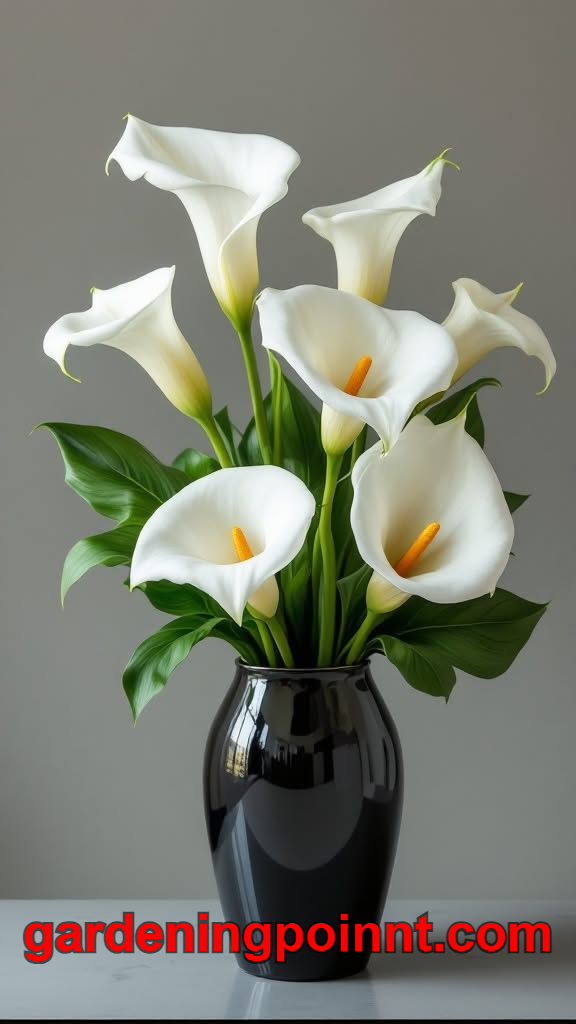
There are several distinct plant aesthetics you can draw inspiration from, each with its own character:
- Urban jungle: Dense, layered greenery with a wide variety of species.
- Minimalist: A few carefully chosen sculptural plants in simple pots.
- Bohemian: Trailing plants, macrame hangers, and eclectic planters.
- Scandinavian: Soft greenery paired with light wood and neutral tones.
- Modern tropical: Bold, large-leafed plants like monstera and banana plants.
Creating an Urban Jungle Aesthetic
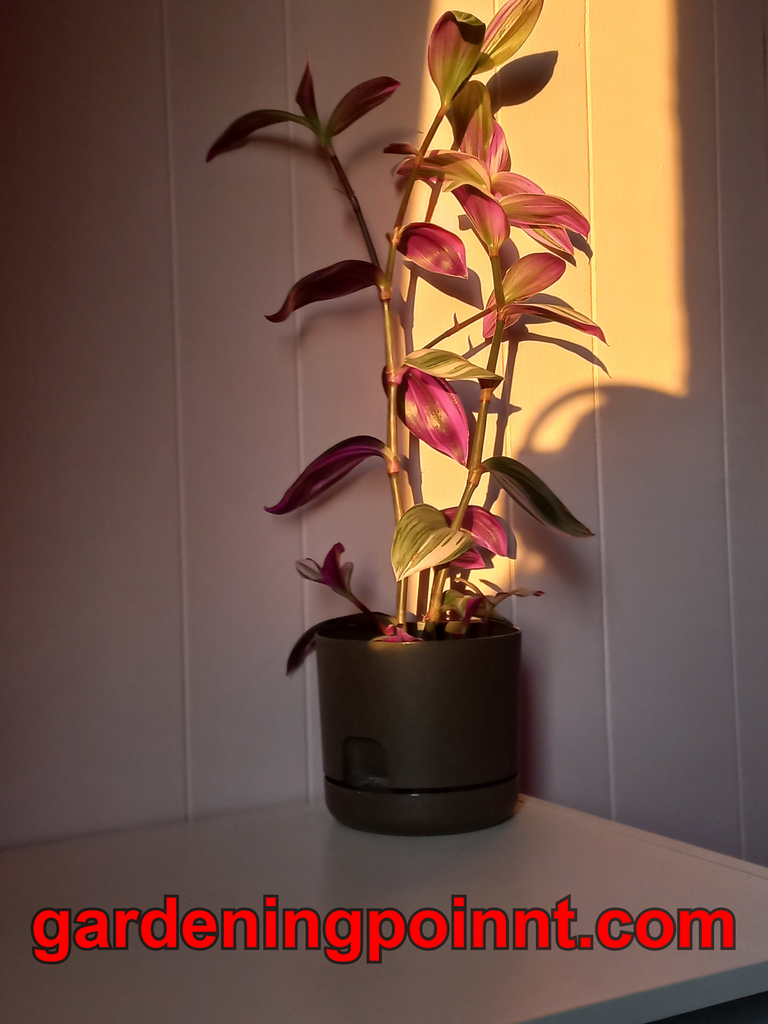
The urban jungle look embraces abundance, filling a space with a diverse mix of plant species, sizes, and textures. To achieve this look, layer plants at different heights using shelves, stands, and hanging planters, and don’t be afraid to mix large statement plants with smaller trailing varieties for a lush, immersive feel.
Achieving a Minimalist Plant Aesthetic
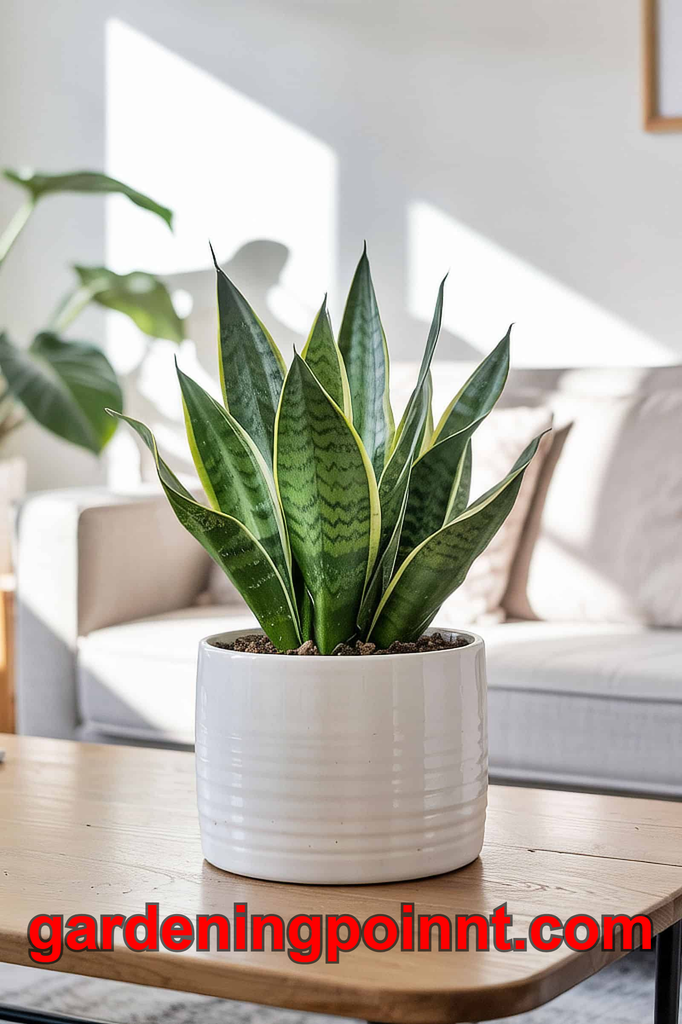
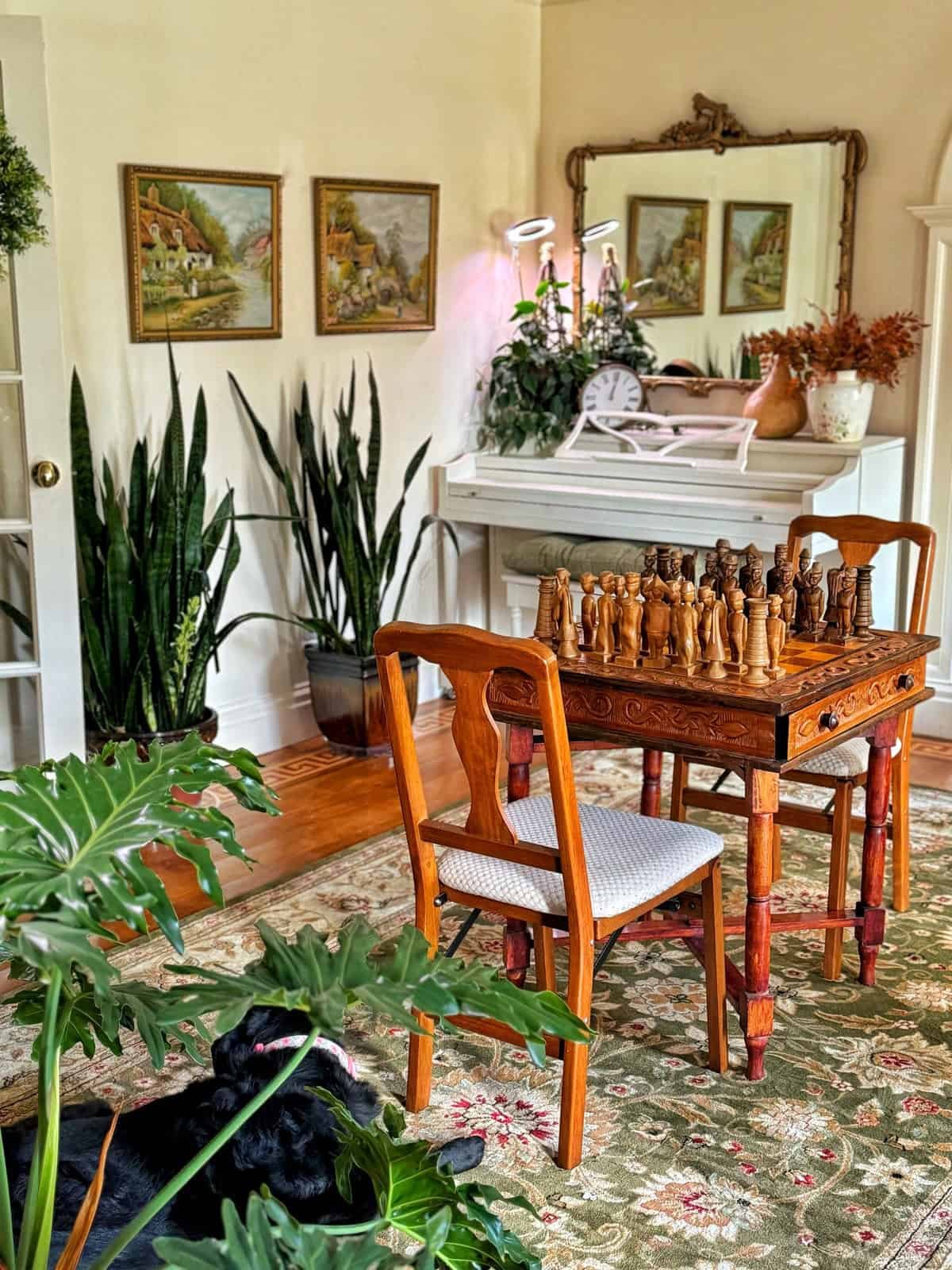
For those who prefer a cleaner look, the minimalist plant aesthetic focuses on quality over quantity. Choose a handful of sculptural plants, such as a snake plant or fiddle leaf fig, and display them in simple, neutral-toned pots. Negative space around each plant allows it to stand out as a deliberate design choice rather than clutter.
Bohemian Plant Styling Tips
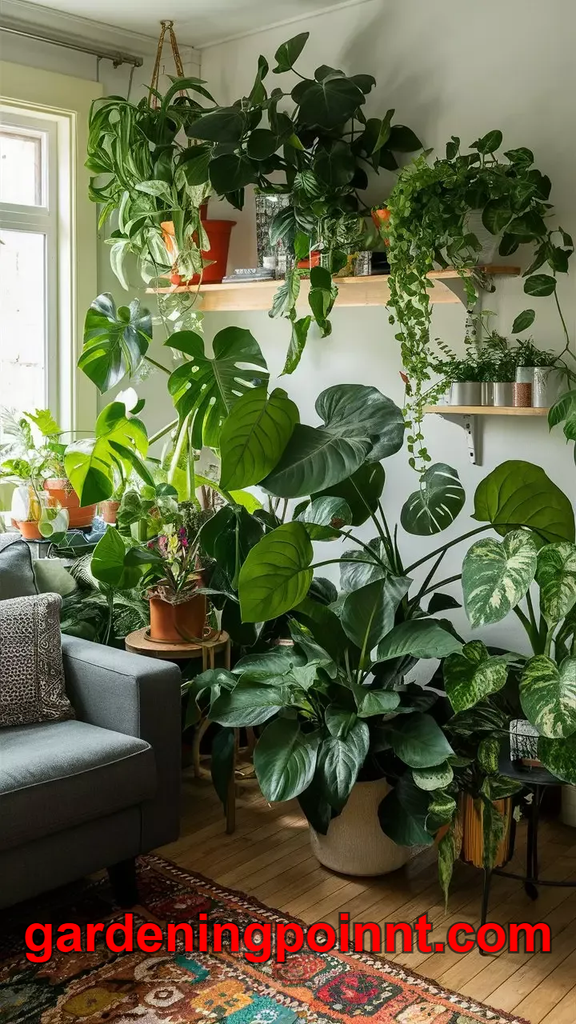
The bohemian aesthetic embraces a relaxed, eclectic vibe with an emphasis on trailing plants and natural textures. Macrame plant hangers, rattan baskets, and mismatched vintage pots all contribute to this laid-back look. Combine plants like pothos, string of pearls, and spider plants for that signature cascading effect.
Scandinavian-Inspired Indoor Greenery
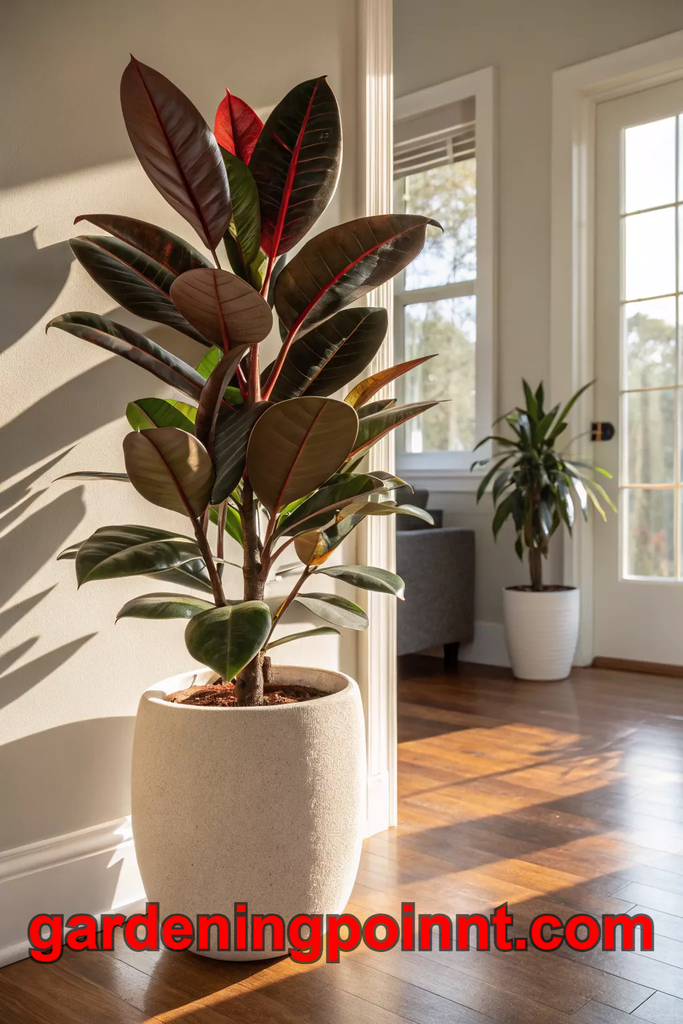
Scandinavian design favors simplicity, natural materials, and soft, muted color palettes. To achieve this aesthetic, pair plants with light wood plant stands and simple white or terracotta pots. Fewer, well-placed plants work better here than a dense collection, keeping the overall look airy and uncluttered.
Modern Tropical Plant Aesthetic
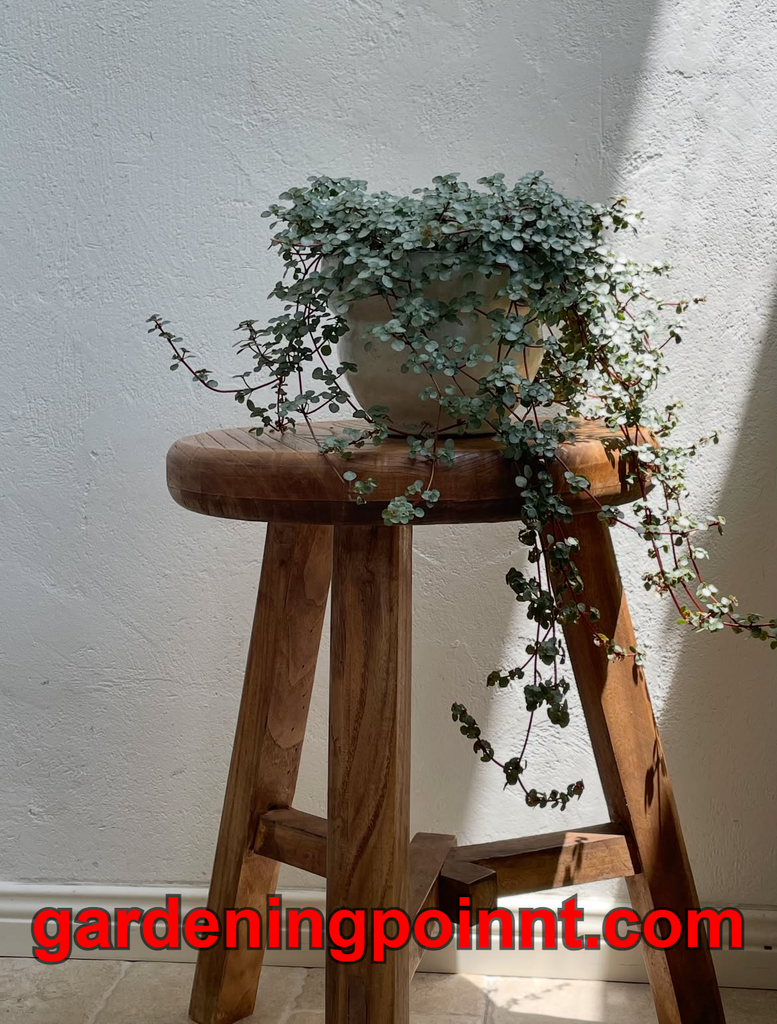
If you love bold, dramatic foliage, the modern tropical aesthetic centers on large-leafed plants like monstera, bird of paradise, or banana plants. These statement pieces work best in bright, open rooms where their size and shape can truly shine as a focal point.
Choosing the Right Plants for Your Desired Aesthetic
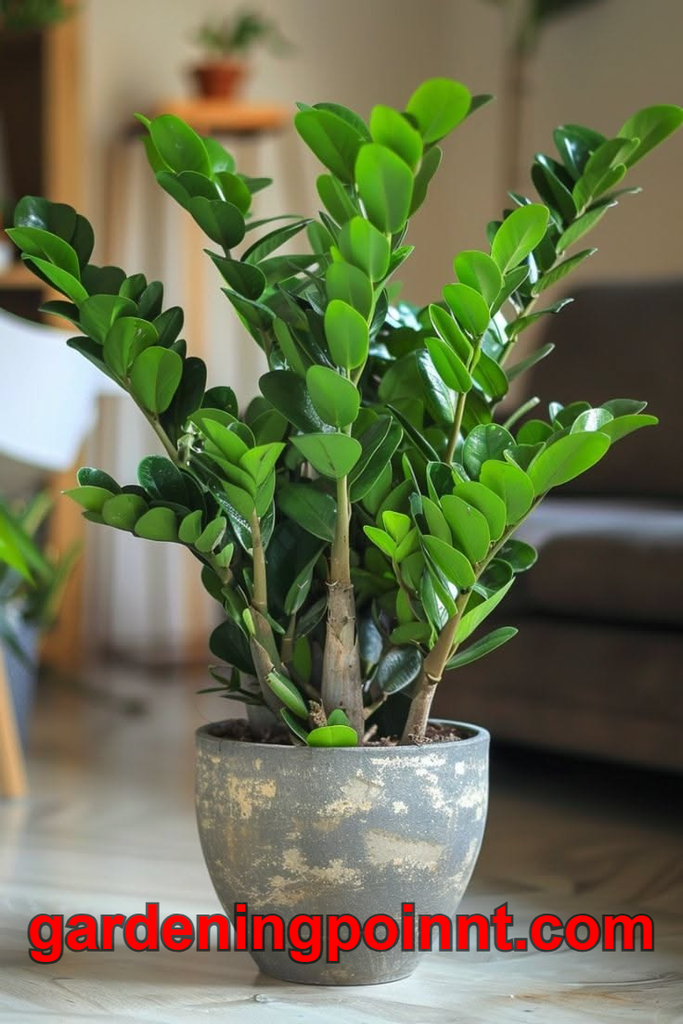
Different plants naturally lend themselves to different aesthetics. Trailing plants like pothos and philodendron suit bohemian looks, while structural plants like snake plants and ZZ plants fit minimalist designs. Large, bold-leafed plants like monstera and fiddle leaf figs are best for tropical or statement-focused aesthetics.
Selecting Planters That Match Your Aesthetic
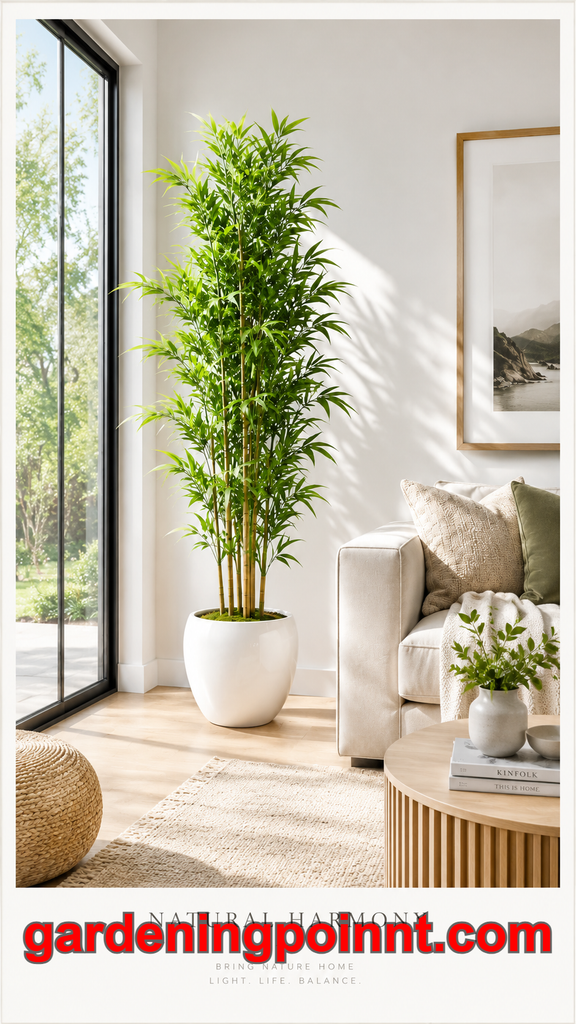
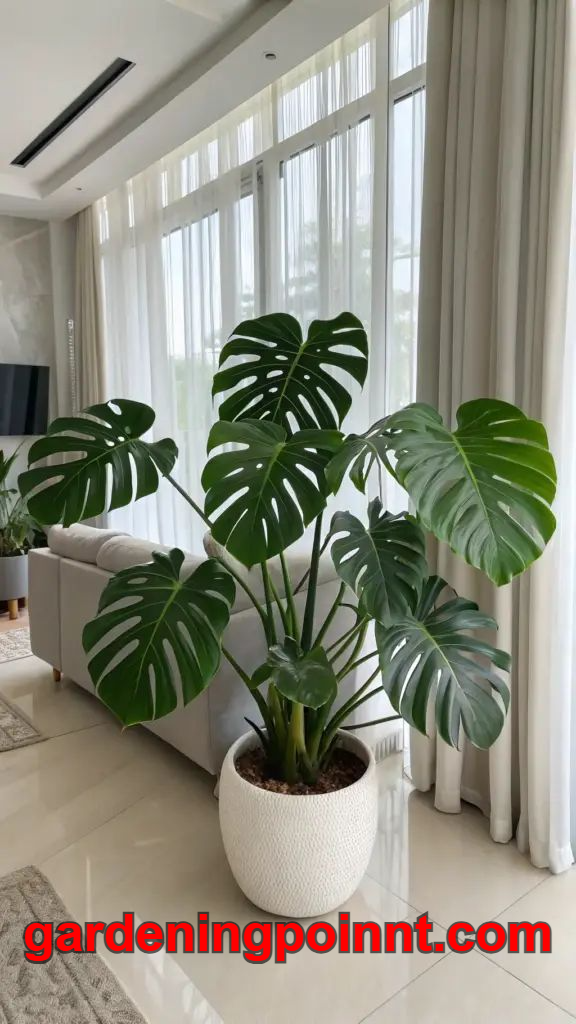
Planters play a crucial role in tying your indoor plant aesthetic together. Neutral tones like white, black, or terracotta work well for minimalist and Scandinavian looks, while woven baskets and colorful ceramic pots suit bohemian styles. Consistency in planter material or color creates a more polished, intentional appearance.
Arranging Plants for Visual Balance
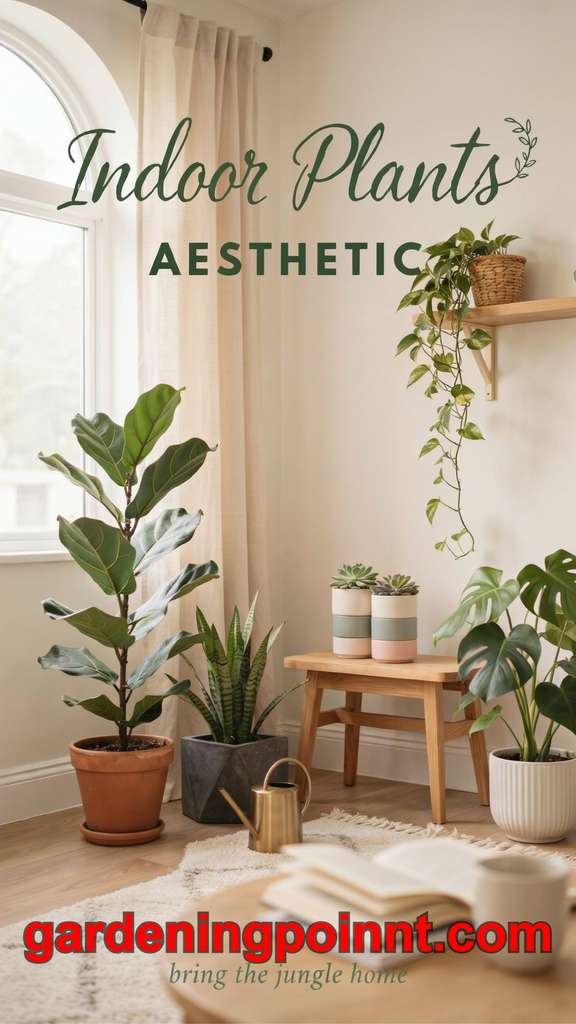
Regardless of your chosen aesthetic, thoughtful arrangement is key to a successful plant display. Group plants in odd numbers for a more natural look, vary heights using stands and shelves, and leave breathing room between larger plants so each one can be appreciated individually rather than blending into a cluttered mass.
Using Color Palettes to Enhance Your Plant Aesthetic
Consider how your plants’ greens interact with your existing wall colors, furniture, and textiles. Deep green foliage pairs beautifully with warm neutrals and earthy tones, while variegated plants with white or yellow patterns can complement brighter, more colorful interiors.
Incorporating Natural Textures Alongside Plants
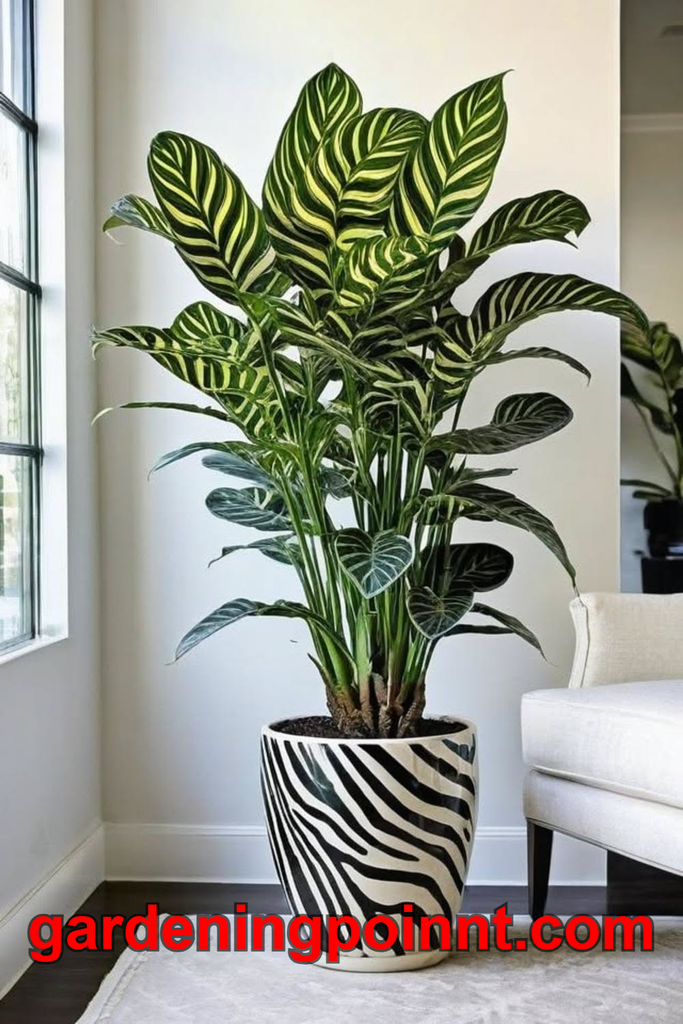
An indoor plant aesthetic is enhanced when paired with complementary natural textures like wood, rattan, linen, and stone. Adding a jute rug, wooden furniture, or woven baskets alongside your plants reinforces the organic, grounded feel that makes a plant-filled room so inviting.
Statement Plants That Define a Room’s Aesthetic
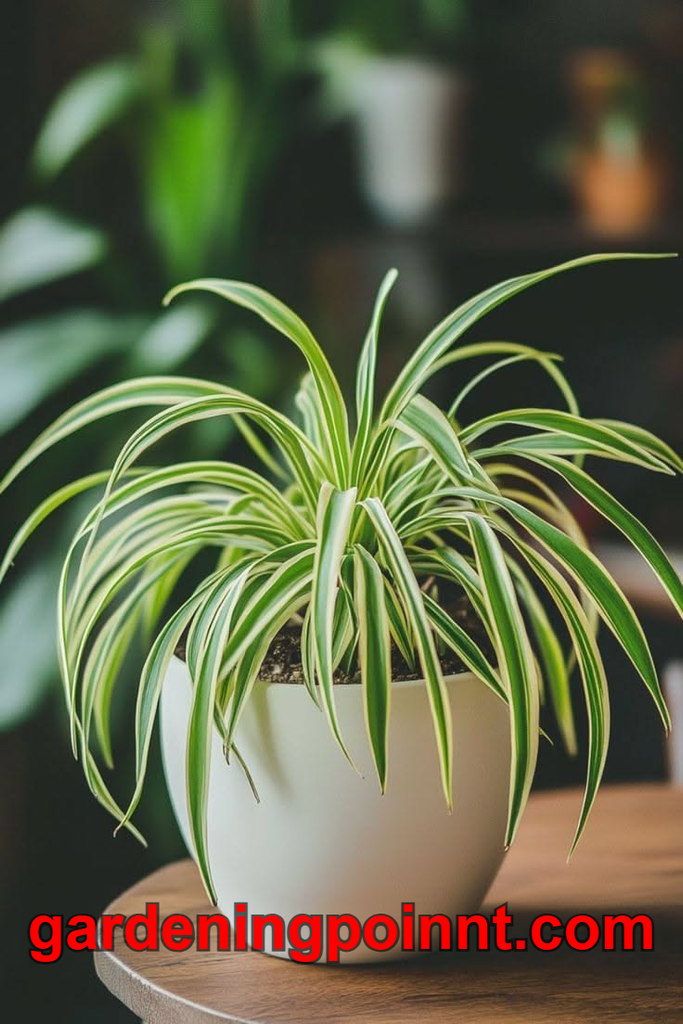
Certain plants have become iconic for their ability to instantly elevate a room’s aesthetic. The fiddle leaf fig, monstera deliciosa, and bird of paradise are particularly popular for their dramatic, sculptural leaves that serve as natural works of art in any well-designed space.
Small-Space Plant Aesthetic Ideas
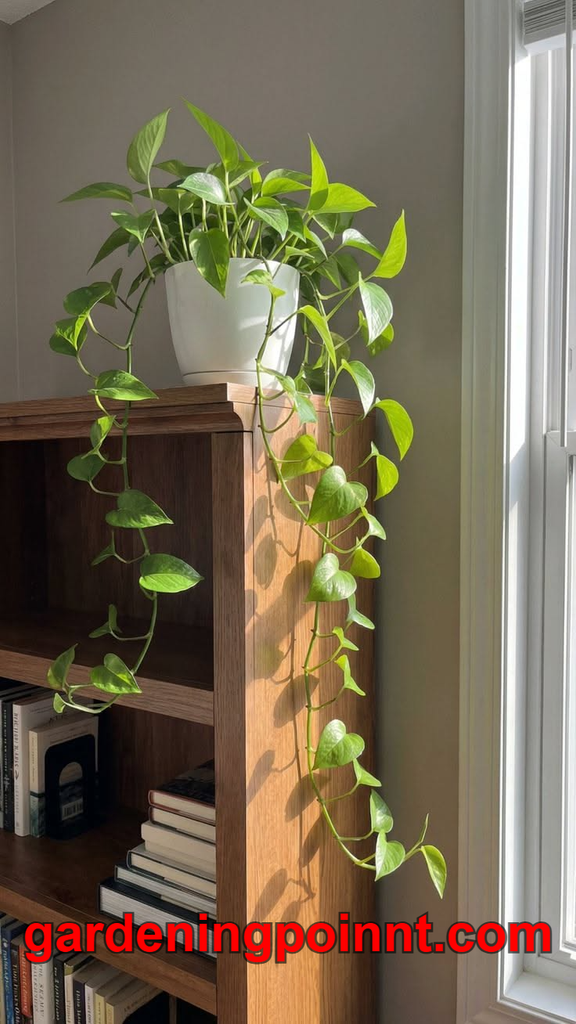
Achieving a beautiful plant aesthetic doesn’t require a large home. In smaller spaces, focus on vertical solutions like hanging planters and wall-mounted shelves, and choose a few high-impact plants rather than trying to fill every corner, which can make a small room feel cramped rather than curated.
Seasonal Adjustments to Your Indoor Plant Aesthetic
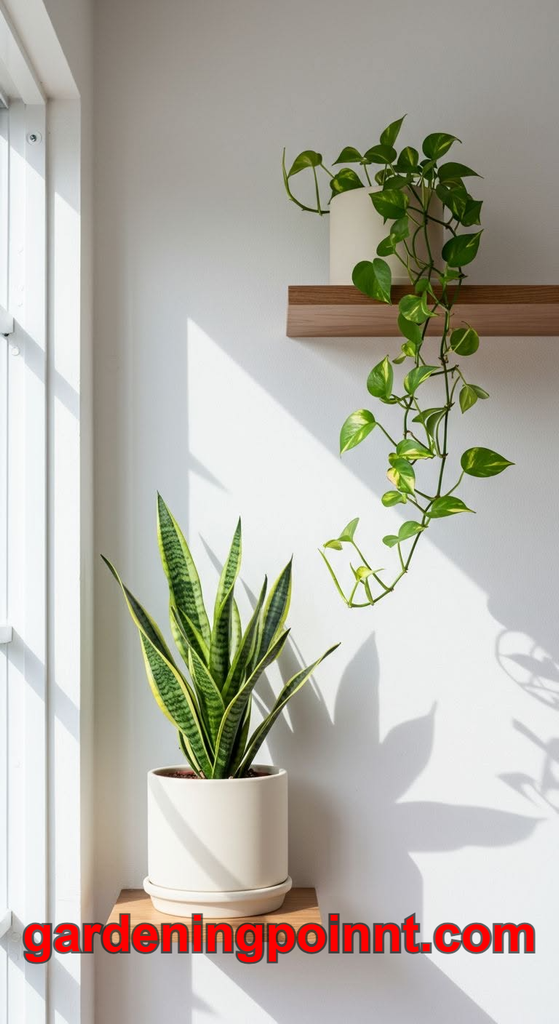
Your plant aesthetic can evolve with the seasons. In warmer months, incorporate flowering plants like orchids for a pop of color, while in cooler months, lean into hardy foliage plants that maintain their lush appearance despite lower light and humidity levels indoors.
Photographing Your Indoor Plants for Social Media
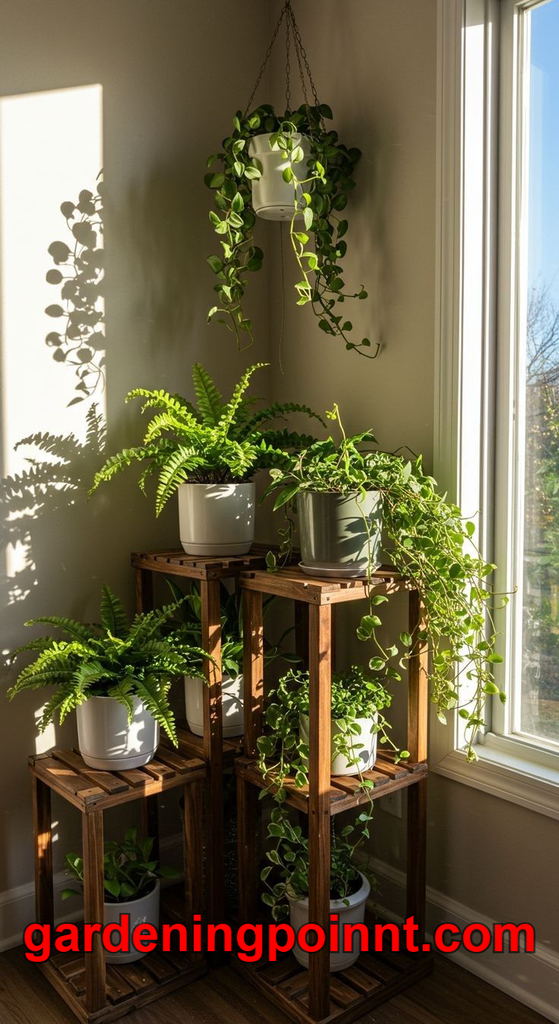
If you enjoy sharing your plant aesthetic online, natural lighting is key to capturing your greenery at its best. Photograph plants near a window during soft morning or late afternoon light, and consider a clean, uncluttered background that keeps the focus on your plants’ natural beauty.
Common Mistakes That Ruin an Indoor Plant Aesthetic
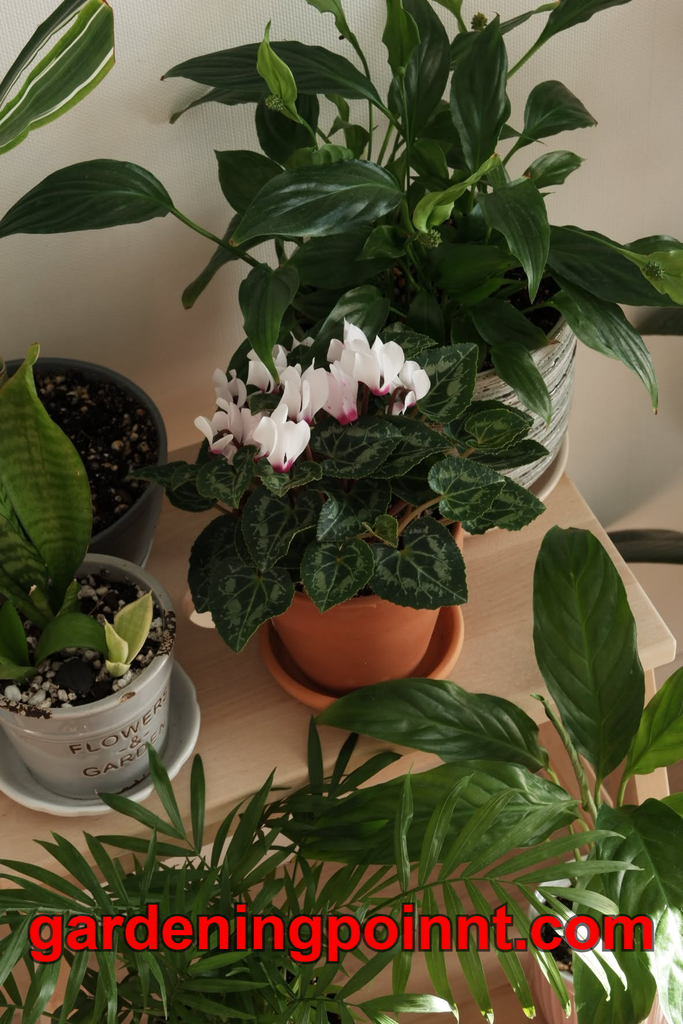
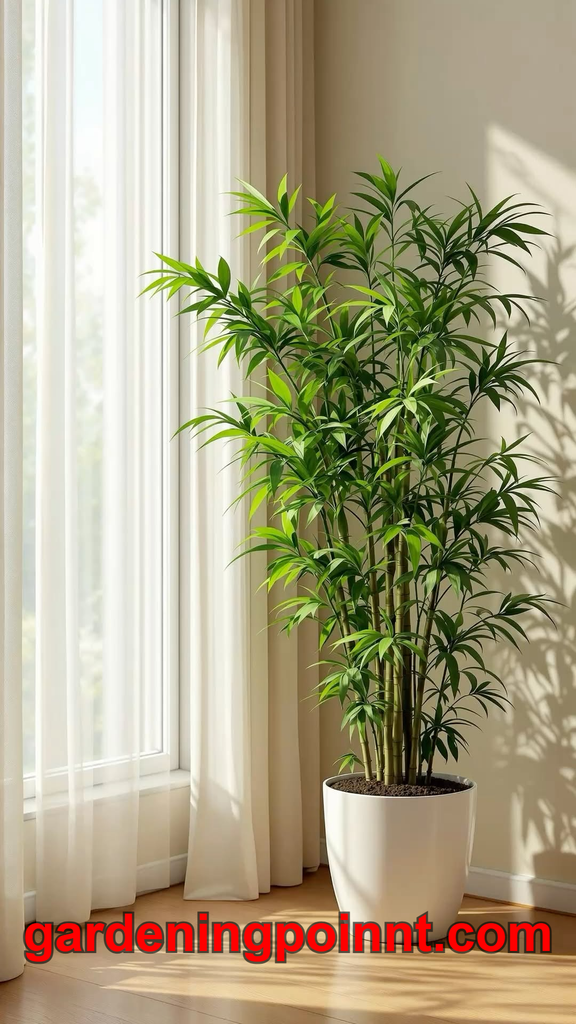
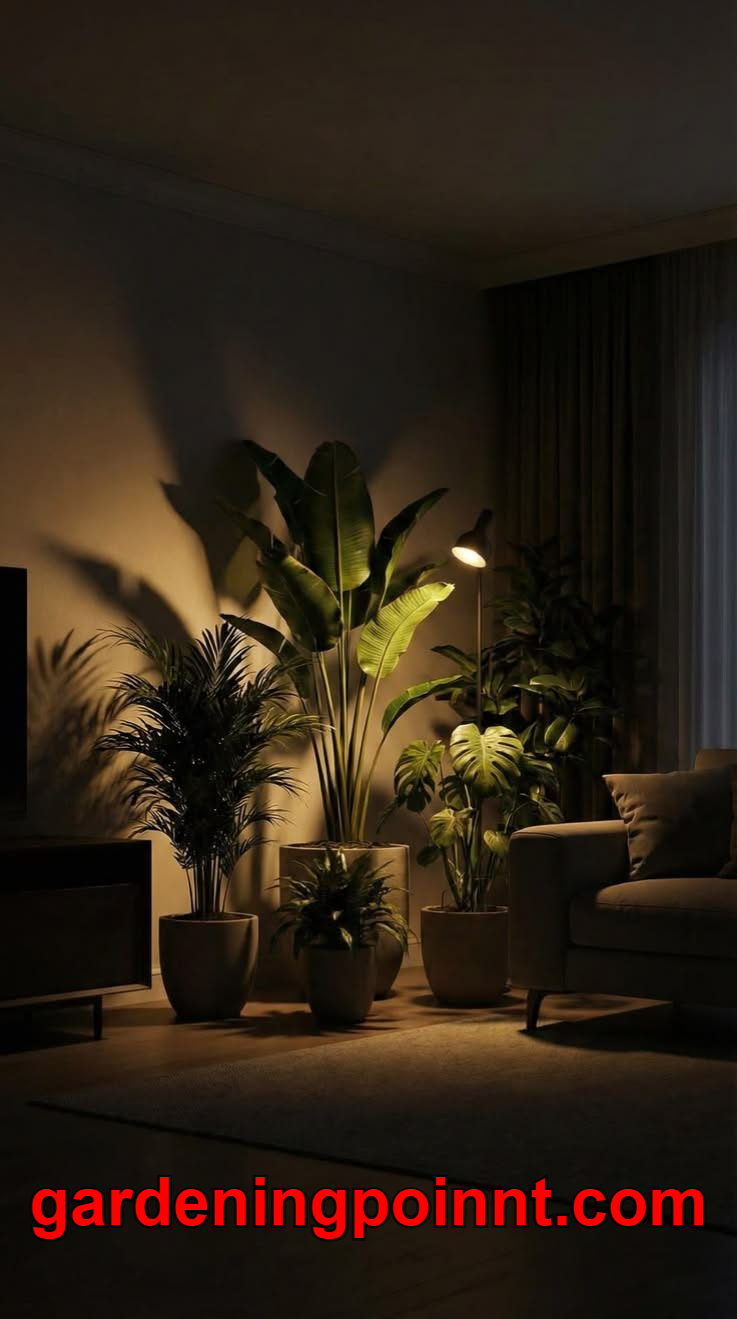
Even plant lovers can make styling mistakes that detract from the overall look. Avoid these common pitfalls:
- Mismatched pots that clash rather than complement
- Overcrowding a space without any breathing room
- Ignoring each plant’s light needs, leading to unhealthy growth
- Placing plants without considering height variation
- Neglecting regular maintenance, leaving yellowing or dusty leaves on display
Frequently Asked Questions
What is the most popular indoor plant aesthetic right now? The urban jungle and modern tropical aesthetics remain highly popular for their lush, statement-making appeal.
How many plants do I need to achieve a plant aesthetic? This depends on your chosen style—minimalist looks may need only three to five plants, while urban jungle aesthetics often feature fifteen or more.
Do I need matching pots for a cohesive look? Not necessarily, but sticking to a consistent color palette or material theme helps create visual harmony even with varied pot shapes.
What plant gives the most dramatic aesthetic impact? The fiddle leaf fig and monstera deliciosa are among the most popular choices for their bold, sculptural leaves.
Conclusion
Achieving a beautiful indoor plants aesthetic is about intentional choices—selecting the right plant varieties, coordinating planters, and arranging everything thoughtfully to reflect your personal style. Whether you’re drawn to a lush urban jungle, a clean minimalist look, or a relaxed bohemian vibe, curating your greenery with care will transform your home into a vibrant, natural sanctuary you’ll love spending time in.