Adding plants to your office or workspace is one of the simplest ways to boost productivity, improve air quality, and create a more inviting environment for work. Whether you’re setting up a home office or want to green up a corporate workspace, the right plants can transform a dull desk into an inspiring place to focus and create. This complete guide covers everything you need to know about choosing, styling, and caring for office plants.
Why Office Plants Matter More Than You Think
Many workspaces are filled with hard surfaces, artificial lighting, and minimal natural elements, which can make long hours at a desk feel draining. Adding plants introduces a touch of nature that has been shown to positively affect mood, focus, and overall well-being throughout the workday.
Benefits of Plants in the Workplace
Office plants offer numerous advantages beyond simple decoration:
- Improved air quality: Plants help filter out common indoor pollutants from electronics and furniture.
- Increased productivity: Studies suggest greenery can improve focus and efficiency.
- Reduced stress: A green environment has a calming effect during busy workdays.
- Noise reduction: Larger plants can help absorb ambient sound in open offices.
- Enhanced creativity: Natural elements are linked to improved problem-solving and idea generation.
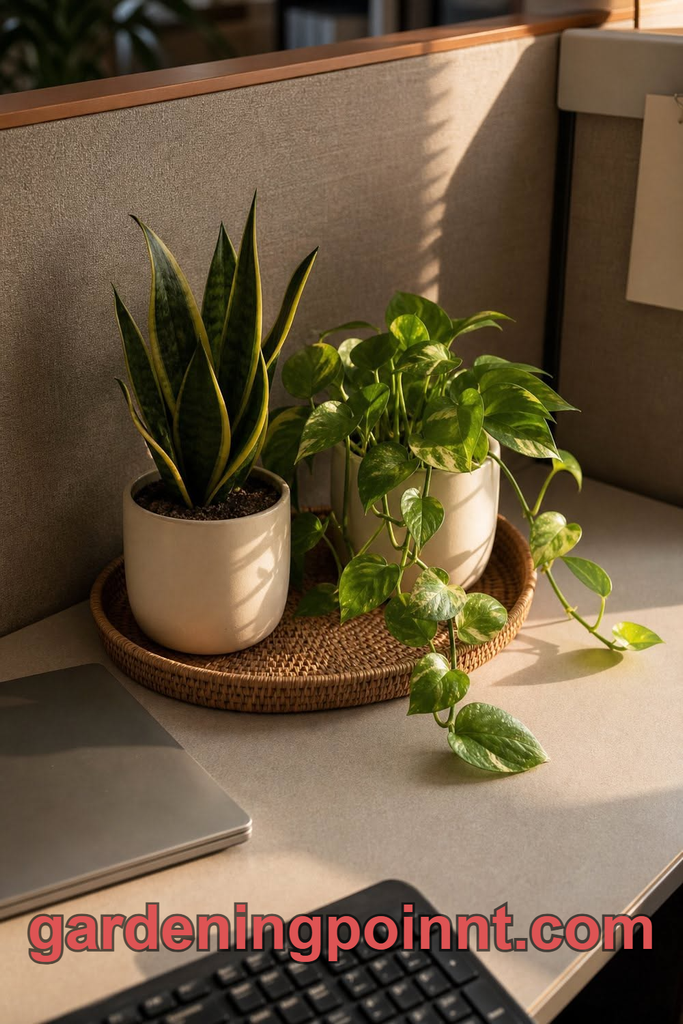
Understanding Your Office’s Light Conditions
Office lighting varies significantly depending on your setup. A desk near a window will receive natural light, while interior cubicles or rooms often rely entirely on fluorescent or LED lighting. Assess your available light before choosing plants, as this will determine which species will actually thrive in your specific workspace.
Best Low-Light Plants for Office Spaces
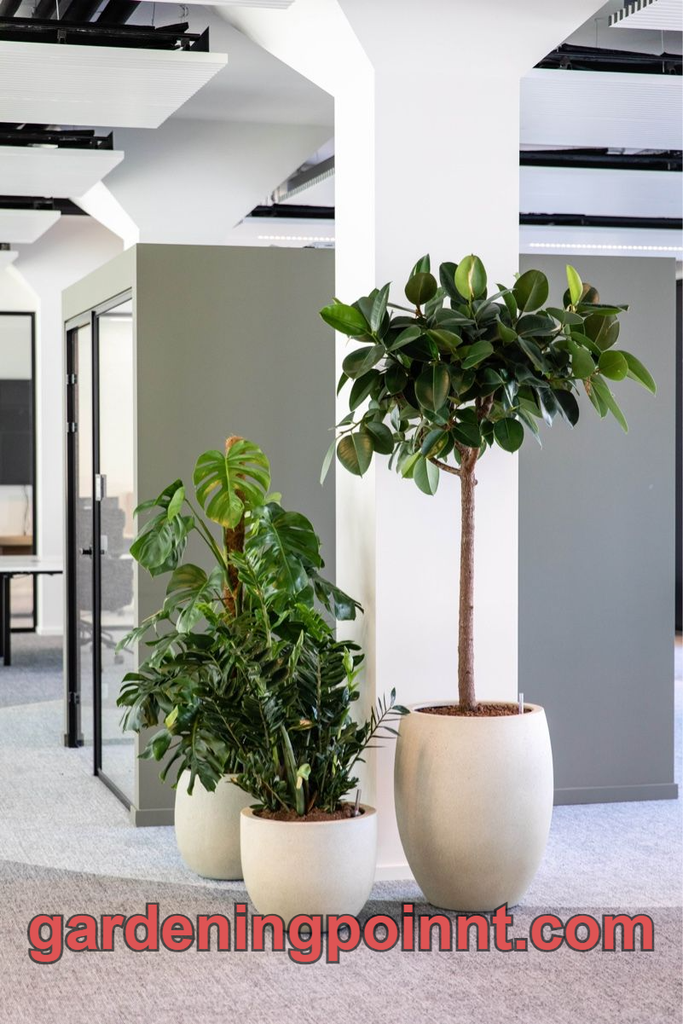
Since many offices lack strong natural light, low-light tolerant plants are often the most practical choice:
- Snake plant
- ZZ plant
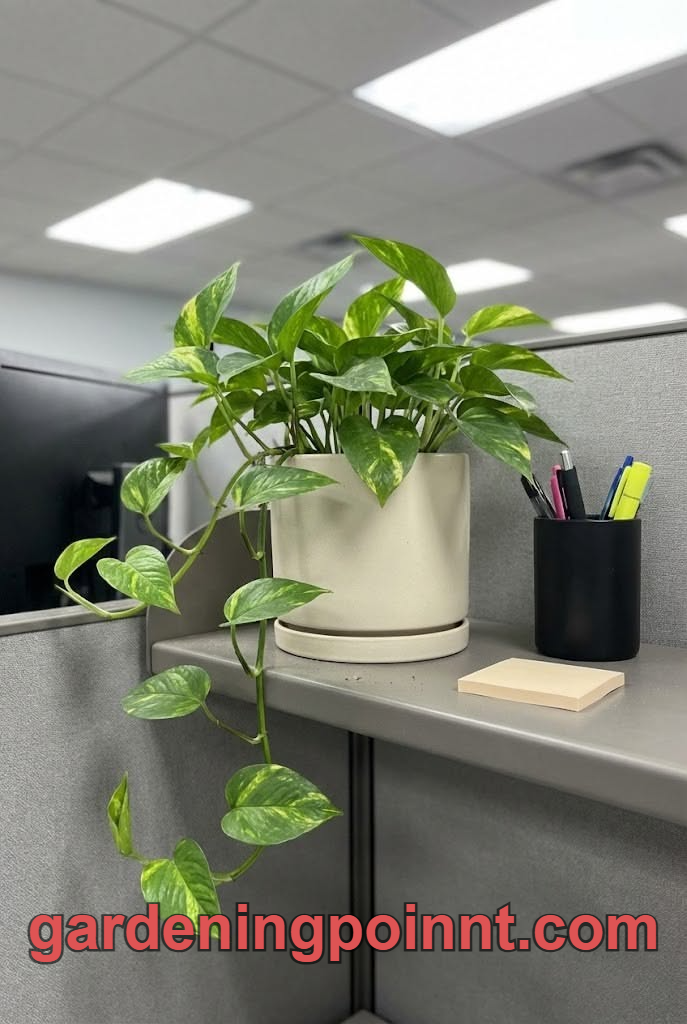
- Pothos
- Peace lily
- Cast iron plant
These species can survive on artificial light alone, making them ideal for interior offices or cubicles without windows.
Best Plants for Bright, Sunny Offices
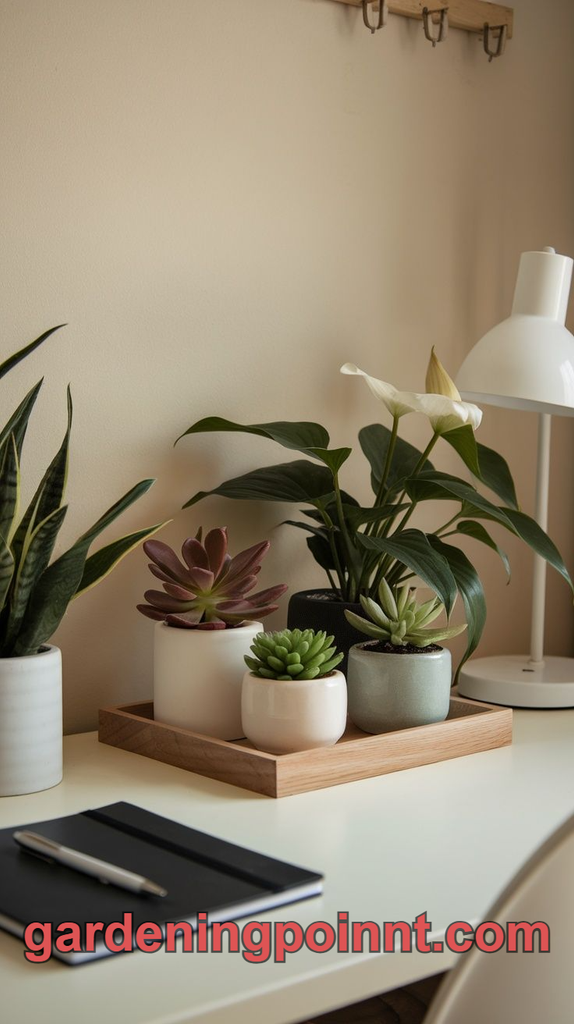
If your desk sits near a large window with plenty of natural light, you have more options to choose from. Consider succulents, aloe vera, spider plants, or small palms, which appreciate direct or bright indirect sunlight and can add a vibrant, lush look to a sunny workspace.
Compact Desk Plants for Small Spaces
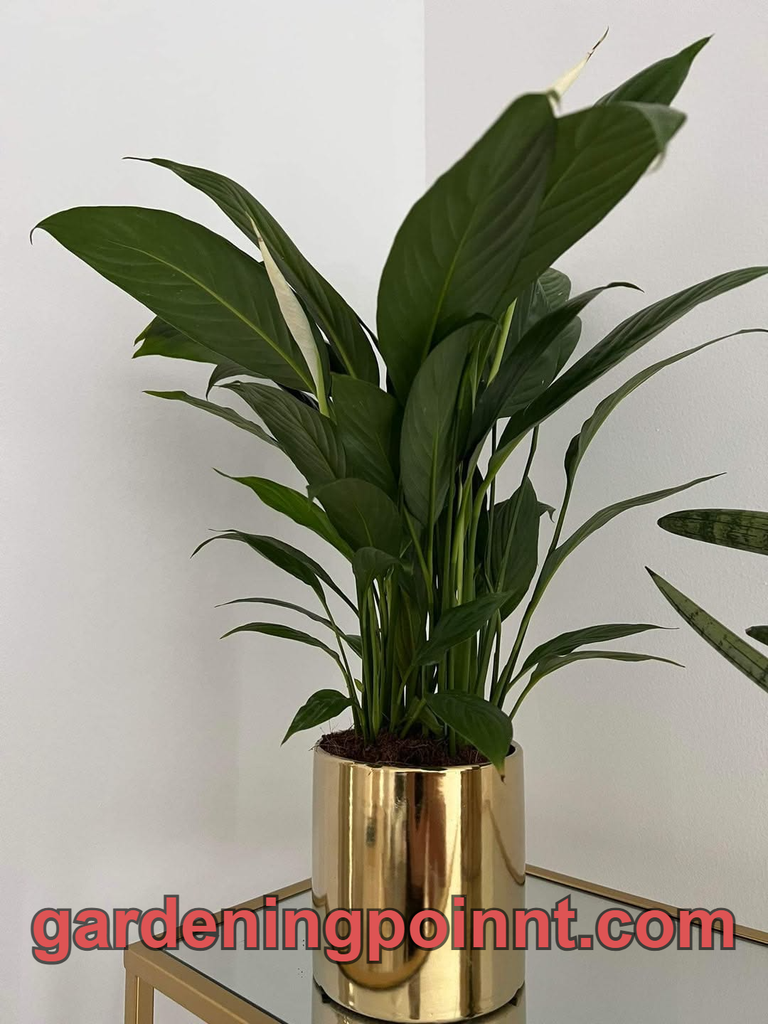
Not every workspace has room for large floor plants, but small desk plants can still make a big impact. Options like succulents, air plants, mini cacti, or small pothos cuttings fit neatly on a desk corner without taking up valuable workspace needed for computers and paperwork.
Statement Floor Plants for Larger Offices
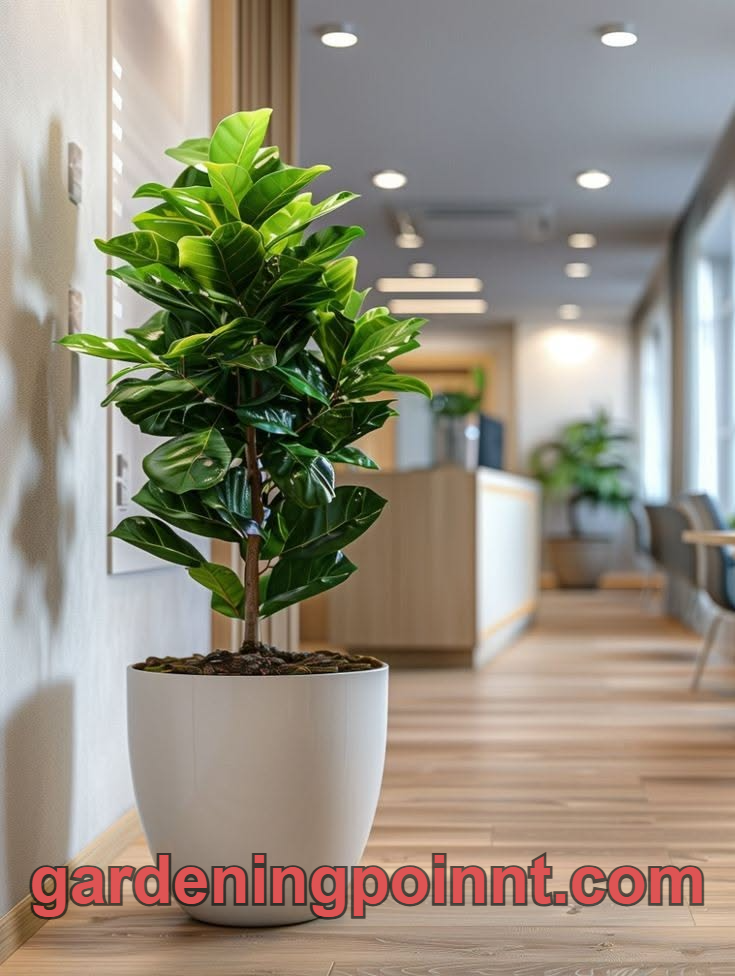
If you have more floor space available, a larger statement plant can serve as an eye-catching focal point in your office. Fiddle leaf figs, rubber plants, and areca palms are popular choices that add height and visual drama to corners or empty spaces near seating areas.
Low-Maintenance Plants for Busy Professionals
For those with demanding schedules who may forget regular watering, choosing low-maintenance plants is essential. Snake plants, ZZ plants, and succulents can go weeks without water and still thrive, making them nearly foolproof options for busy professionals.
Styling Plants Around Your Desk Setup
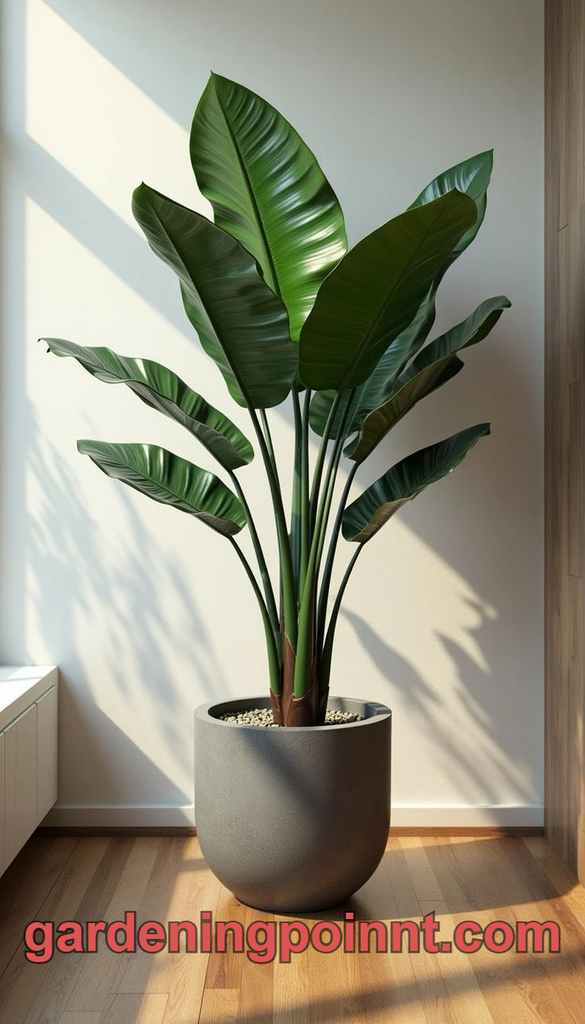
Thoughtful placement makes a big difference in how your plants enhance your workspace. Position a small plant to the side of your monitor rather than directly in your line of sight, and use varying heights with a mix of desk plants and a taller floor plant nearby to create visual balance without cluttering your work area.
Using Shelving and Plant Stands in the Office
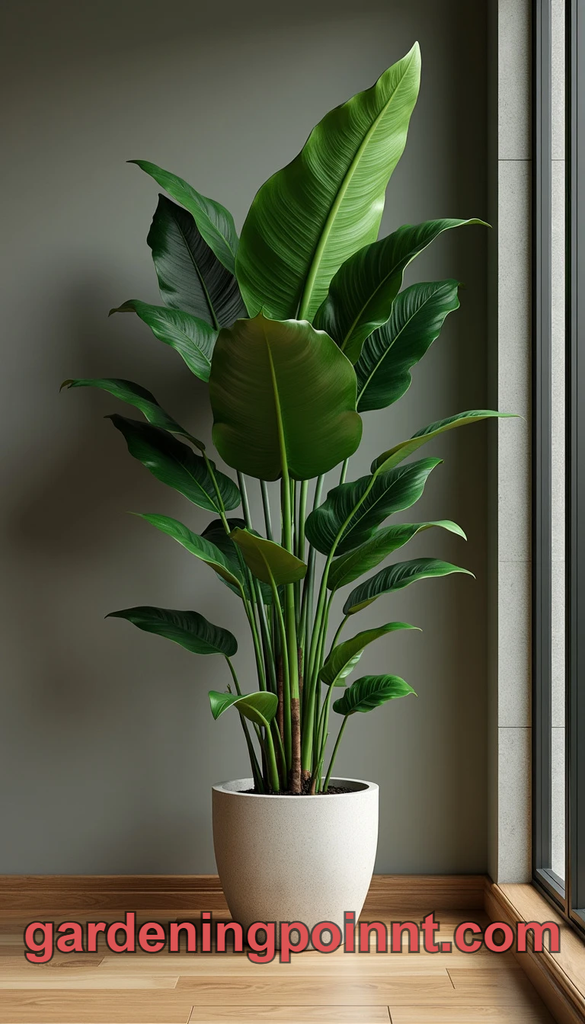
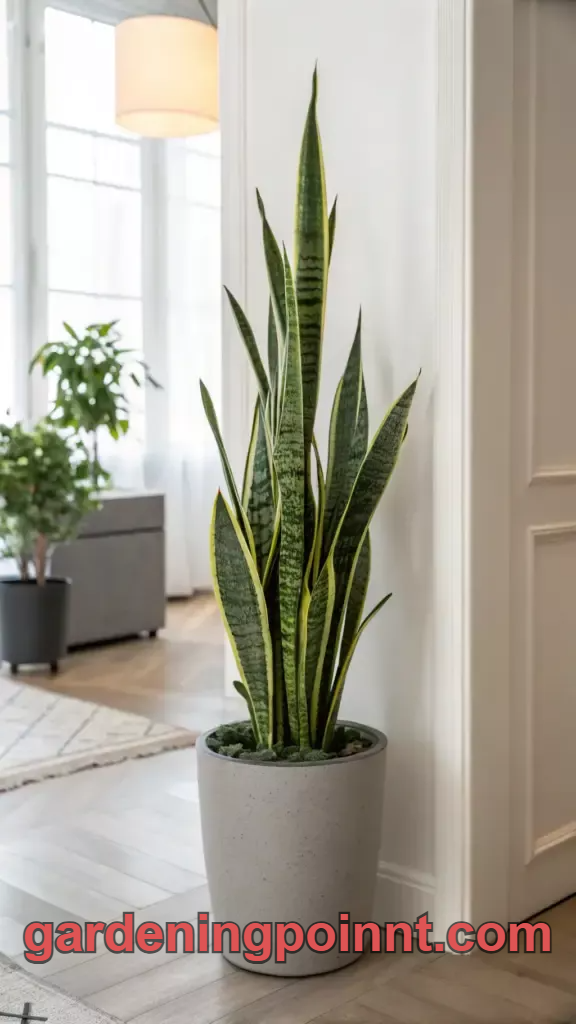
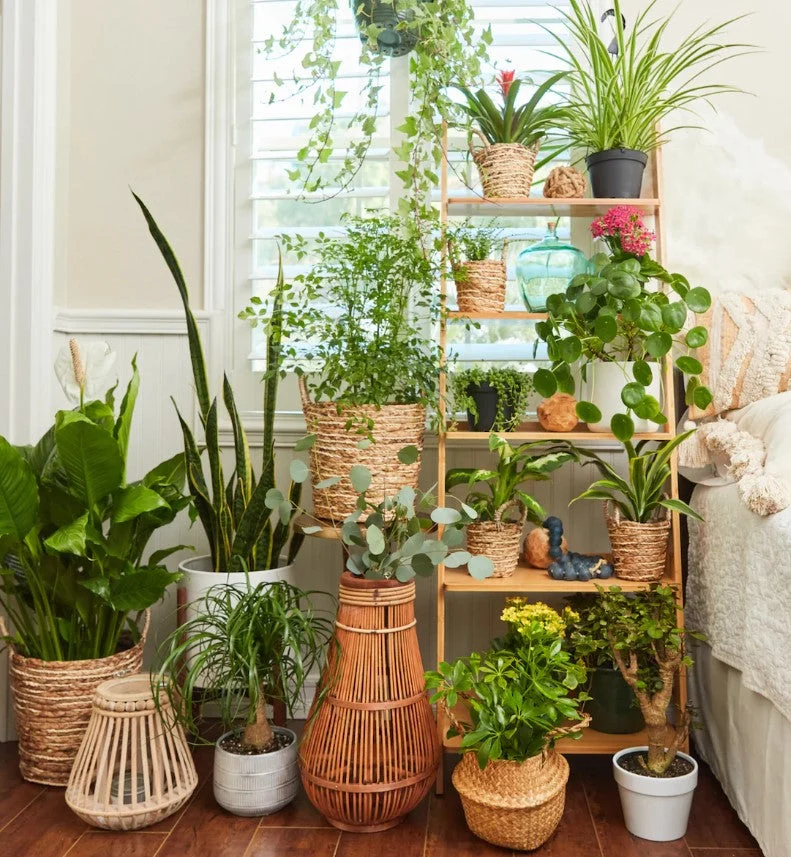
Vertical space is often underutilized in office settings. Floating shelves or slim plant stands allow you to display multiple plants without sacrificing desk or floor space, and they can also double as a way to separate work zones in open-plan offices.
Choosing Planters That Match Professional Decor
The right planter can elevate your office plants from casual to polished. Opt for clean, minimalist pots in neutral tones like white, black, or terracotta for a professional look, or choose woven baskets for a warmer, more approachable aesthetic depending on your office’s overall style.
Incorporating Plants into Different Office Styles
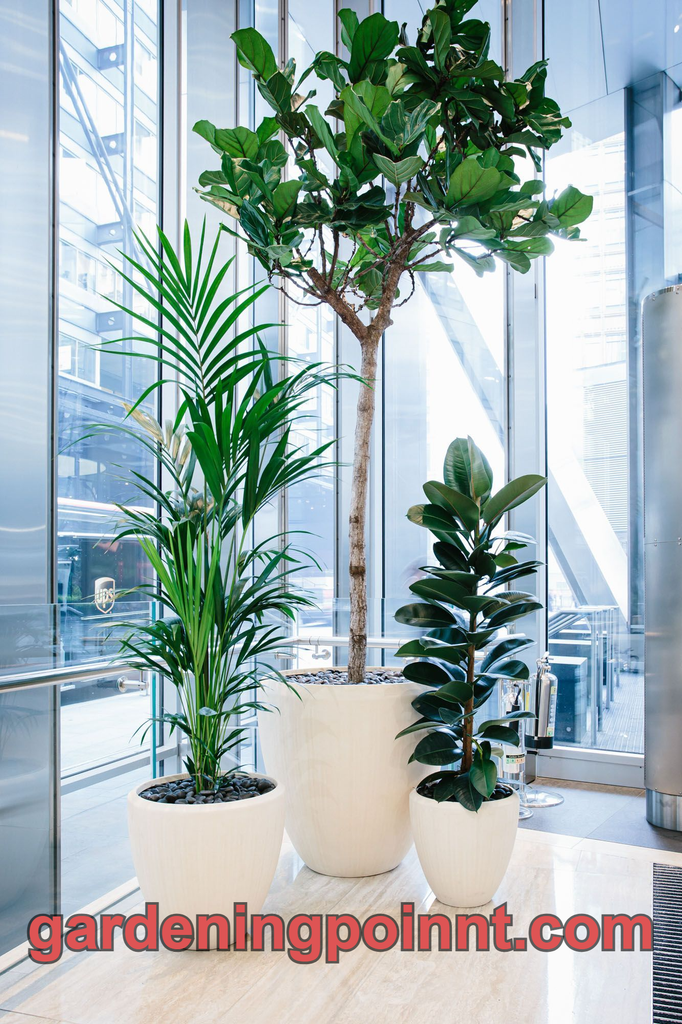
Plants can be tailored to fit a variety of workspace aesthetics:
- Corporate minimalist: Sculptural snake plants or ZZ plants in sleek black pots.
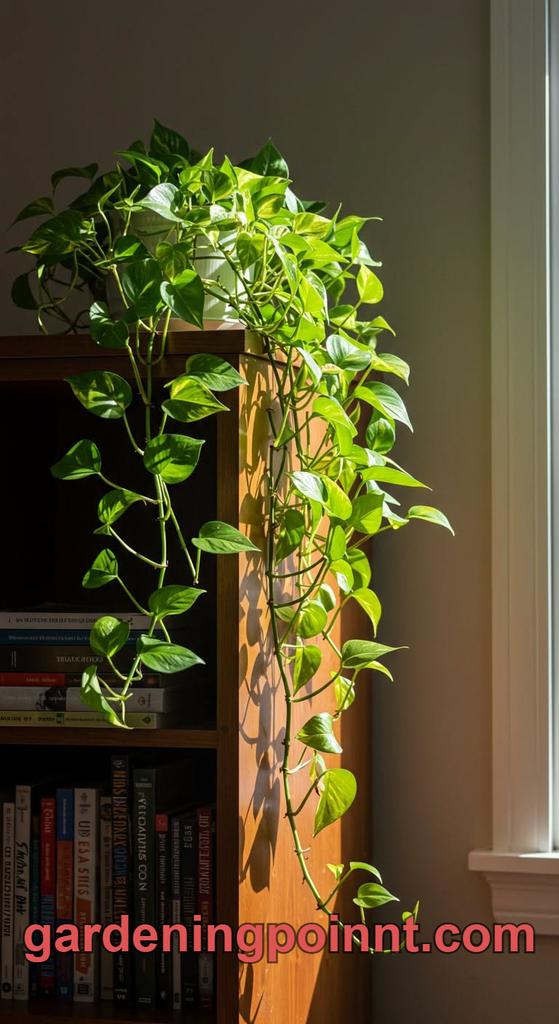
- Cozy home office: Trailing pothos and warm wooden plant stands.
- Creative studio: A mix of colorful succulents and bold statement plants.
- Biophilic design: Multiple plant varieties combined with natural materials like wood and stone.
Faux Plants for Low-Maintenance Office Decor
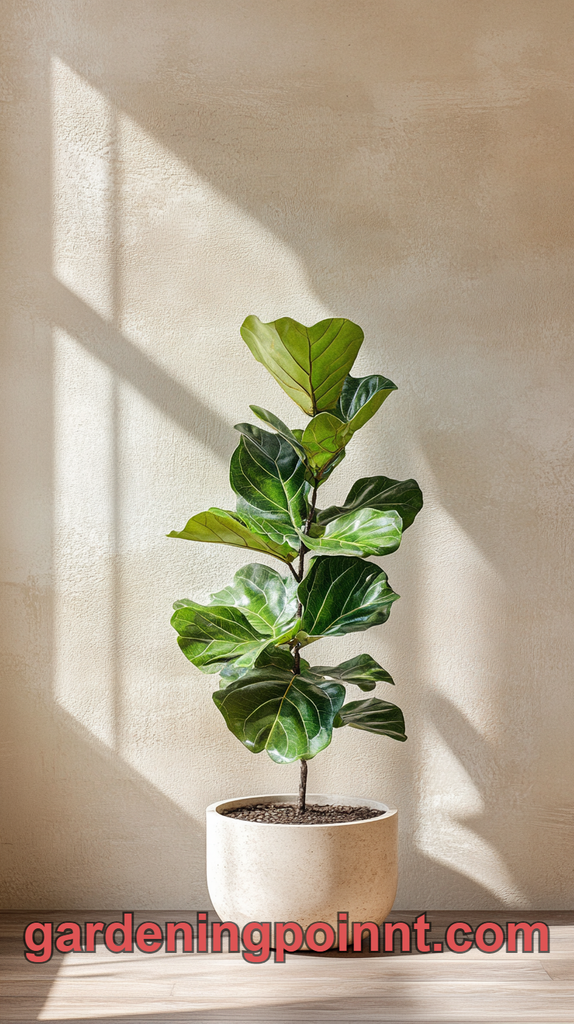
If your office lacks natural light or you travel frequently, high-quality faux plants can achieve a similar aesthetic without the upkeep. Choose realistic artificial plants with natural-looking textures to avoid an obviously fake appearance, especially in client-facing areas of the office.
Watering and Care Tips for Office Plants
Office plants often get less attention than home plants simply because of busy schedules, so choosing forgiving species is key. Most low-light office plants only need watering every one to two weeks. Set a recurring reminder on your phone or calendar to check soil moisture regularly, especially during work weeks when it’s easy to forget.
Plants That Help Reduce Screen Fatigue
Staring at screens for extended periods can cause eye strain and mental fatigue. Positioning a plant within your peripheral vision gives your eyes a natural point to rest on periodically, and studies suggest that even brief glances at greenery can help reduce feelings of mental exhaustion during long work sessions.
Creating a Biophilic Office Design
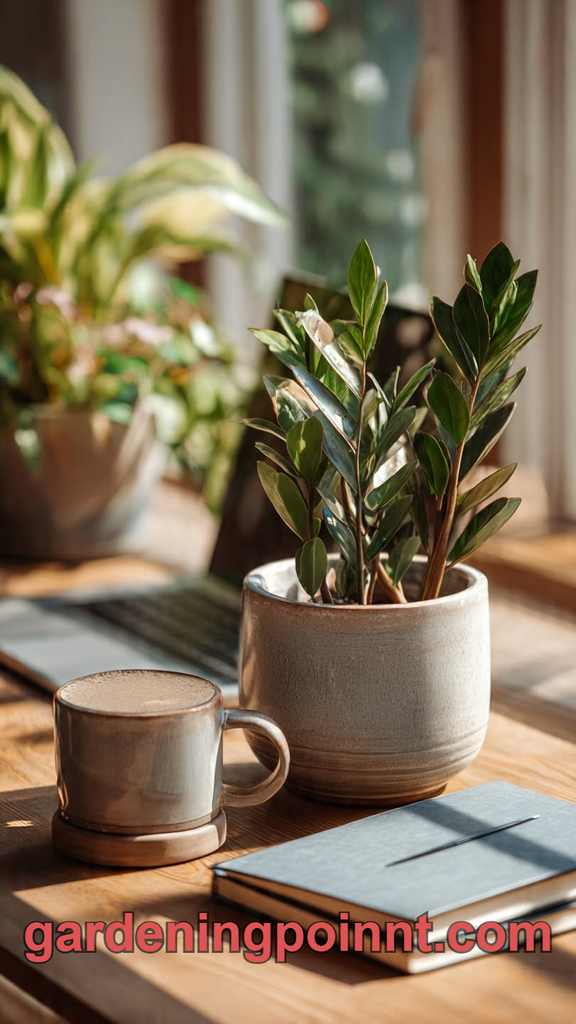
Biophilic design incorporates natural elements throughout a space to improve well-being and productivity. Beyond just adding plants, consider incorporating natural light, wood textures, and even the sound of water features if possible, to create a comprehensive nature-inspired office environment.
Common Mistakes to Avoid with Office Plants
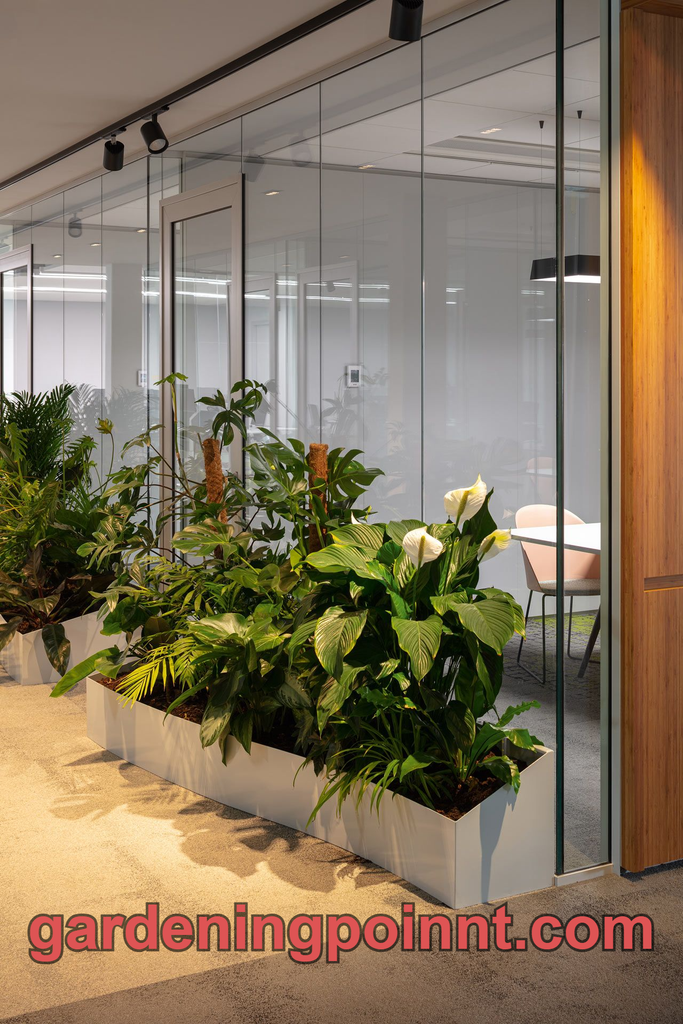
Even well-intentioned office plant additions can go wrong. Avoid these common pitfalls:
- Placing sun-loving plants in dark interior offices
- Overwatering, especially in offices with limited drainage options
- Choosing plants with strong scents or pollen that may bother coworkers
- Overcrowding small desks with too many plants
- Forgetting about plants during extended time away from the office
Frequently Asked Questions
What is the best plant for an office with no windows? Snake plants and ZZ plants are excellent choices since they thrive in low light and require minimal water.
How often should I water my office plants? Most low-light office plants need watering every one to two weeks, though this varies by species and pot size.
Can plants really improve productivity at work? Research suggests that greenery in workspaces is linked to improved mood, focus, and overall job satisfaction.
Are fake plants a good alternative for offices? Yes, high-quality faux plants are a practical option for offices with poor lighting or unpredictable care schedules.
Conclusion
Office plants offer a simple yet powerful way to enhance your workspace, boosting both the visual appeal and the overall well-being of anyone spending long hours at a desk. By selecting plants suited to your office’s light conditions, styling them thoughtfully, and following low-maintenance care routines, you can create a productive, calming environment that makes work feel a little more enjoyable every day.