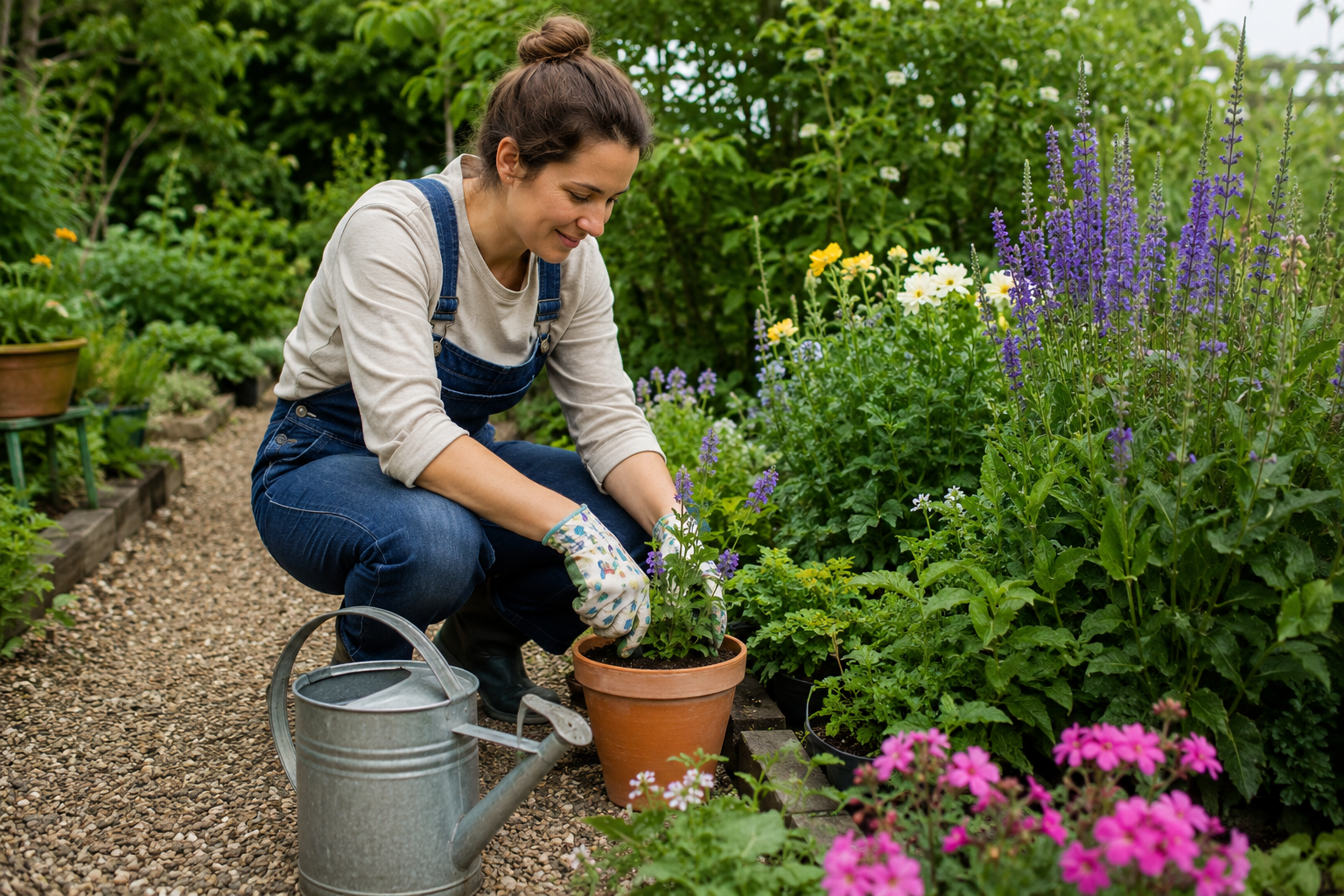
Gardening is often seen as a relaxing hobby that helps people spend more time outdoors, but it can also be a simple form of physical activity. Regular gardening involves digging, planting, watering, lifting, stretching, bending, walking, and many other movements that keep the body active. Because of these activities, gardening can improve flexibility and strength while also supporting overall physical fitness.
For people who do not enjoy traditional workouts, gardening can be an enjoyable way to stay physically active. You do not always need a gym or expensive equipment to exercise your body. A garden can provide many opportunities to move naturally and build physical strength through everyday tasks. With regular practice, gardening may help improve movement, muscle endurance, balance, and flexibility.
Gardening Encourages Natural Body Movement
One of the main reasons gardening can improve flexibility and strength is that it requires many different body movements. When you work in a garden, you may bend down to plant seeds, reach forward to remove leaves, stretch your arms to trim plants, or walk around while watering flowers.
These movements involve different muscle groups and encourage the body to move through various ranges of motion. Unlike sitting for long periods, gardening keeps your body active and changes your position frequently.
Regular movement can help reduce stiffness caused by an inactive lifestyle. When the body moves regularly, muscles and joints get more opportunities to stay mobile. This makes gardening a useful activity for people who want to add more movement to their daily routine.
Digging Can Build Upper Body Strength
Digging is one of the most physically demanding gardening activities. Using a shovel or garden fork requires effort from the arms, shoulders, back, and core muscles. Repeated digging can help develop muscular endurance because the muscles have to work continuously during the task.
When digging soil, you also use your legs and hips to create force. This means gardening is not limited to an upper body workout. Several parts of the body work together to complete the movement.
For better safety, it is important to use proper body mechanics while digging. Keep your back in a comfortable position and use your legs when possible. Avoid making sudden movements or lifting more soil than you can comfortably manage.
Bending and Squatting Support Flexibility
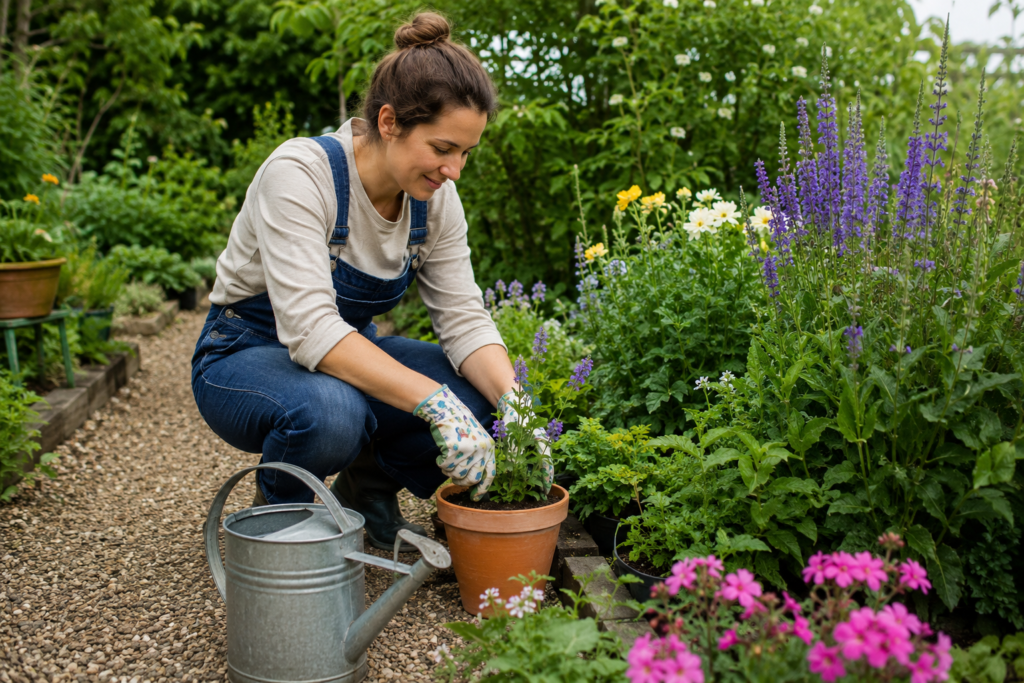
Gardening often requires bending and squatting to reach plants close to the ground. These movements involve the hips, knees, ankles, and lower back. Performing them regularly can encourage better mobility and flexibility.
Squatting to plant flowers or remove weeds can also engage the muscles of the legs and hips. If performed comfortably and with good posture, these movements can contribute to stronger lower body muscles.
People who are not used to squatting or bending should begin slowly. Instead of staying in one position for a long time, change positions regularly and take short breaks. Using a small gardening stool or raised garden bed can also make gardening more comfortable.
Stretching While Gardening
Reaching for plants, pruning branches, and watering hanging baskets can naturally encourage stretching. You may extend your arms above your head, reach sideways, or lean forward while working.
These simple movements can help the body become accustomed to different positions. Over time, regular movement may support greater flexibility in the shoulders, arms, hips, and back.
However, gardening movements should not be forced. A gentle range of motion is usually more comfortable than trying to stretch as far as possible. If a movement causes pain, it is better to stop and change your position.
Lifting Helps Build Functional Strength
Gardening often involves lifting bags of soil, pots, watering cans, tools, and containers. These activities can develop functional strength because they are similar to movements used in everyday life.
Lifting a watering can, for example, can work the arms and shoulders. Carrying a small pot can involve the arms, back, legs, and core. Moving gardening supplies from one location to another can also increase physical activity.
It is important to choose weights that are suitable for your current ability. Instead of trying to carry a heavy object in one trip, divide the load into smaller amounts. Keep objects close to your body while carrying them and avoid twisting suddenly.
Weeding Can Improve Muscle Endurance
Weeding may look like a simple gardening task, but it can involve repeated bending, squatting, reaching, and pulling. These movements can challenge several muscle groups at the same time.
Pulling weeds requires hand and arm strength, while staying in a low position can engage the legs and core. If you spend a reasonable amount of time weeding, you may also increase your overall activity level.
Changing your position while weeding is useful because staying bent over for a long period can make your back uncomfortable. Alternating between standing, squatting, and sitting can make the activity easier on the body.
Gardening Can Strengthen the Legs
Walking around the garden is another simple way gardening supports physical fitness. You may walk between flower beds, carry tools from one area to another, or move around while checking plants.
Walking regularly can help keep the legs active and support muscular endurance. Activities such as pushing a garden cart can provide additional resistance and require effort from the legs and upper body.
Gardening does not have to feel like a formal workout to provide physical benefits. The combination of walking, lifting, bending, and other movements can create an active routine that supports stronger muscles.
Gardening Supports Core Strength
Many gardening activities require the body to stay stable while the arms and legs move. This can involve the abdominal and back muscles that help support the core.
For example, when lifting a pot, pushing a garden cart, or digging soil, the core helps keep the body balanced. A stronger core can support better posture and make everyday movements easier.
Good posture is especially important during gardening. Try to avoid staying in one position for too long. Change your body position regularly and use tools that allow you to work comfortably.
Gardening Can Improve Balance and Coordination
Flexibility and strength are not the only physical benefits of gardening. The activity can also encourage balance and coordination. Walking across different parts of a garden, stepping around plants, carrying objects, and using hand tools all require controlled movements.
These activities encourage the body to work as a coordinated system. Good balance is useful in everyday life, especially when moving around outdoor spaces.
Gardeners should still be careful about uneven surfaces, wet ground, and obstacles. Keeping pathways clear can make gardening safer and more comfortable.
Regular Gardening Can Support Overall Fitness
The benefits of gardening become more noticeable when the activity is performed regularly. Spending a few minutes in the garden once in a while can be enjoyable, but creating a consistent gardening routine can provide more opportunities for movement.
You can divide gardening tasks throughout the week. One day might include planting, another day could involve watering and pruning, and another day could focus on weeding or preparing soil.
This approach makes physical activity feel natural rather than forcing yourself to complete a difficult workout. Gardening can become a healthy routine that combines movement, fresh air, and enjoyment.
Gardening Is a Practical Way to Stay Active
One of the biggest advantages of gardening is that it combines exercise with a useful activity. Instead of spending time doing repetitive exercises, you are working toward a visible result. You may finish a gardening session with cleaner flower beds, healthier plants, or newly planted vegetables.
This sense of purpose can make physical activity more enjoyable. When people enjoy an activity, they may be more likely to continue doing it regularly.
Gardening can therefore be a practical option for people who want to improve flexibility and strength while enjoying time outdoors.
Tips for Safer Gardening Exercise
To get the most from gardening, it is important to protect your body. Start with light tasks and gradually increase the amount of work you do. Take regular breaks, especially during hot weather.
Before beginning demanding tasks, gentle movements can help prepare the body. Drink enough water and avoid working for long periods in extreme heat.
Use gardening tools that are comfortable to hold and appropriate for your height and strength. When lifting objects, bend your knees and keep the load close to your body. Avoid lifting anything that feels too heavy.
If you have an injury or physical limitation, consider discussing suitable activities with a qualified health professional before starting a demanding gardening routine.
Conclusion
Gardening can be much more than a relaxing hobby. Digging, planting, weeding, lifting, walking, bending, stretching, and carrying gardening tools can all provide opportunities to improve physical fitness. These activities can help strengthen the arms, legs, shoulders, back, and core while encouraging better flexibility and mobility.
The best part is that gardening makes physical activity enjoyable and productive. You can spend time outdoors, care for plants, and improve your garden while keeping your body moving.
For anyone looking for a simple way to support flexibility and strength, regular gardening can be a valuable addition to an active lifestyle. With safe movements, proper techniques, and consistency, gardening can help make everyday physical activity more enjoyable and meaningful.