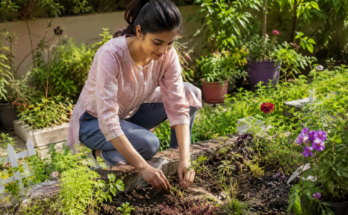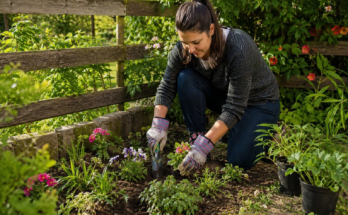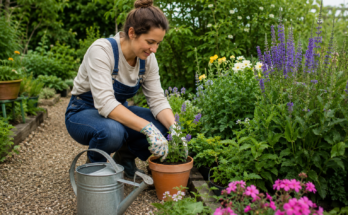
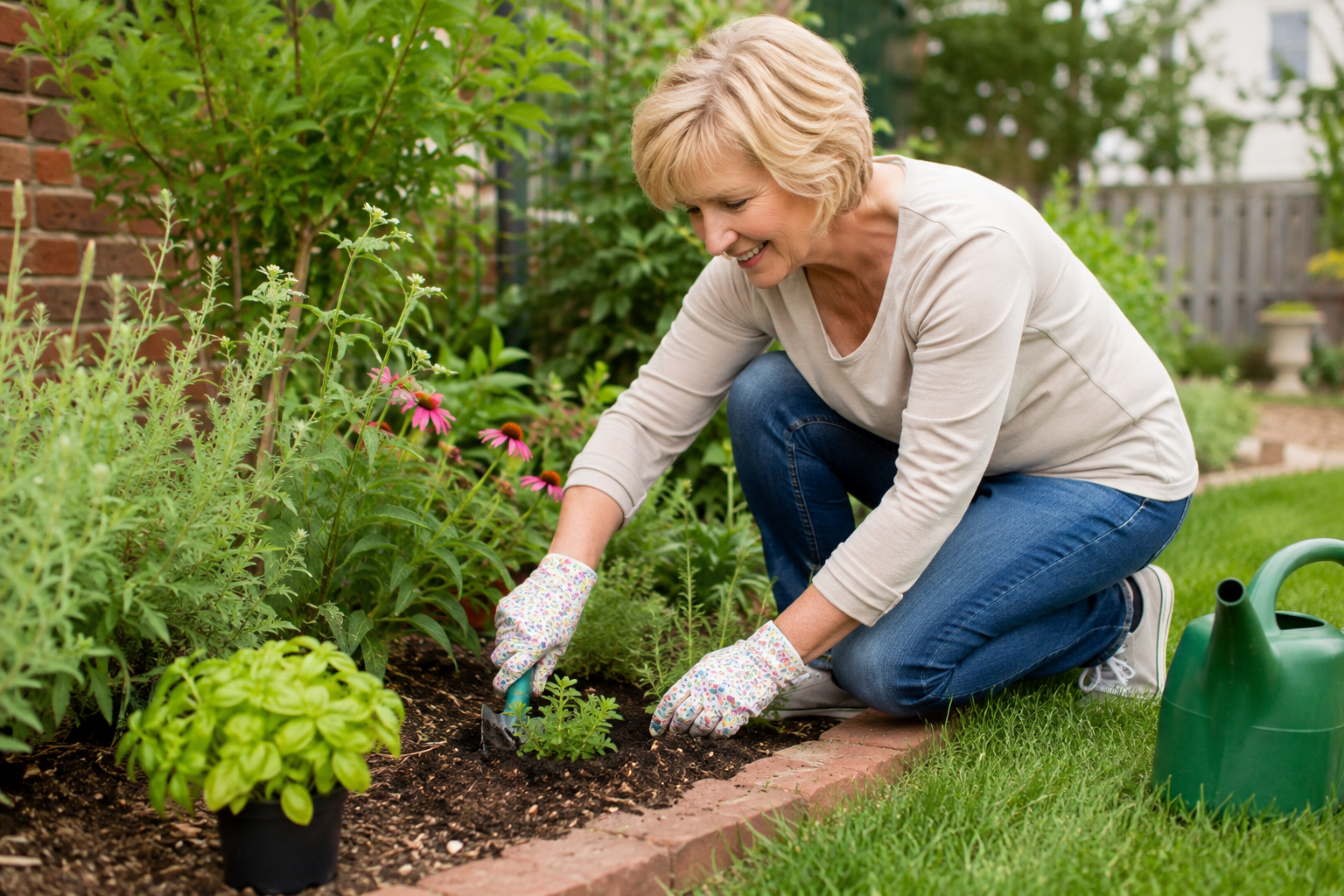
Gardening is often seen as a relaxing hobby that helps make outdoor spaces more beautiful. However, gardening can also be a simple and enjoyable form of physical activity. Digging soil, planting flowers, pulling weeds, watering plants, carrying small gardening tools, and trimming plants all require body movement. These activities can help people stay active without putting too much pressure on the joints. This is one reason why gardening is considered a great low impact exercise for people of different ages and fitness levels.
Unlike intense workouts that may require a gym membership or special equipment, gardening allows you to exercise while taking care of plants. It combines light physical activity with time outdoors, making it easier for many people to stay motivated. Regular gardening can support physical fitness, improve mobility, and contribute to a healthier lifestyle.
What Is Low Impact Exercise?
Low impact exercise is physical activity that puts less stress on the joints while still allowing the body to move and stay active. Walking, swimming, gentle cycling, stretching, and gardening can all be examples of low impact activities.
Low impact exercise can be especially useful for people who do not enjoy high intensity workouts. It can also be a comfortable choice for older adults or anyone who wants to add more movement to their daily routine. Gardening allows people to change positions, walk around, bend, stretch, lift light objects, and use their hands and arms.
Because gardening involves many different movements, it can provide a more active experience than simply sitting outside. The level of activity can also be adjusted according to a person’s ability and comfort.
Gardening Keeps the Body Moving
One of the biggest benefits of gardening is that it naturally encourages movement. When you work in a garden, you rarely stay in one position for a long time. You may walk from one plant to another, bend down to remove weeds, reach for tools, or carry a watering can.
These simple movements can help increase daily physical activity. Even short gardening sessions can give the body opportunities to move throughout the day. When gardening becomes a regular habit, these small periods of activity can add up.
For people who spend many hours sitting at work or at home, gardening can provide a useful break from a sedentary lifestyle. Instead of sitting for another hour, you can spend some time outside caring for plants and moving your body.
Gardening Can Improve Muscle Strength
Gardening may look easy, but many gardening activities require the use of different muscle groups. Digging uses the arms and shoulders, while lifting soil or carrying gardening supplies can involve the arms, back, and legs.
Squatting or bending while planting flowers can engage the legs and core muscles. Pulling weeds can require hand and arm strength. Even pushing a wheelbarrow or moving light garden materials can provide useful physical activity.
The amount of strength required depends on the gardening task. People can choose lighter activities if they are beginners and gradually take on more demanding tasks as their fitness improves.
Gardening Supports Flexibility and Mobility
Regular movement is important for maintaining flexibility and mobility. Gardening involves reaching, bending, stretching, kneeling, walking, and changing positions. These movements encourage the body to move through different ranges of motion.
For example, reaching toward a plant can gently extend the arms and shoulders. Bending down to plant seeds involves movement through the hips and legs. Walking around the garden keeps the lower body active.
It is important to use comfortable movements and avoid forcing the body into painful positions. Using raised garden beds or suitable gardening tools can also make gardening more comfortable for people who find frequent bending difficult.
Gardening Can Support Heart Health
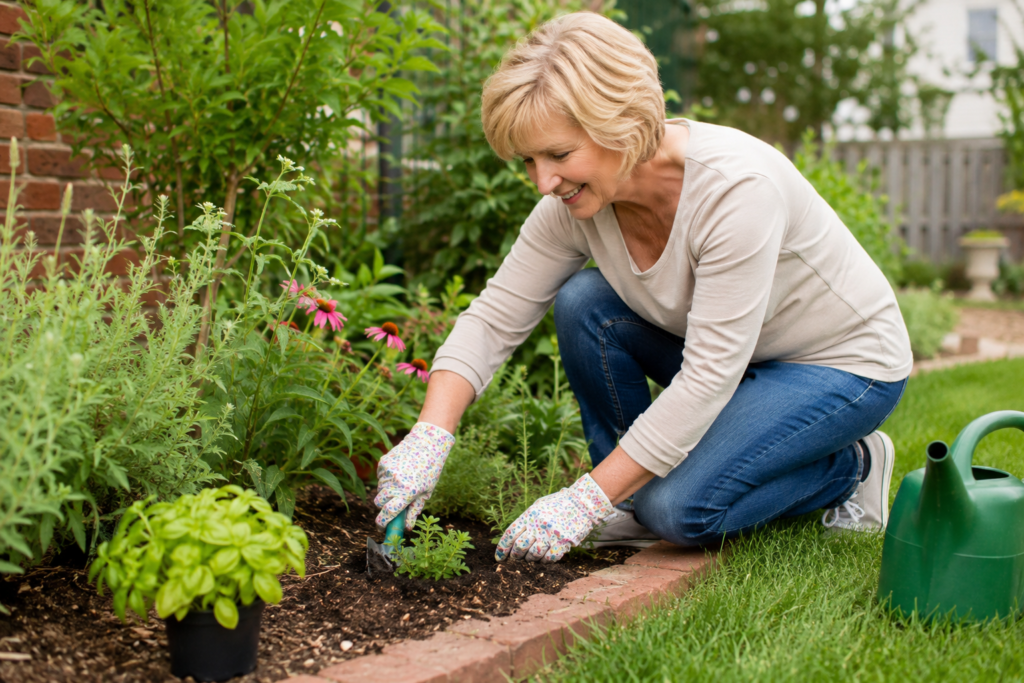
Gardening can also provide light to moderate physical activity that gets the body moving and may raise the heart rate. Activities such as digging, raking, walking, carrying light supplies, and moving around the garden can make gardening more physically active.
The intensity depends on the task, the size of the garden, and how quickly a person works. Someone who spends an hour doing several active gardening tasks may get considerably more movement than someone who simply waters a few plants.
Regular physical activity is an important part of a healthy lifestyle. Gardening can make that activity feel less like exercise because the focus is on completing useful and enjoyable garden tasks.
Gardening Is Easy to Fit Into Daily Life
Another reason gardening is a great low impact exercise is that it can easily become part of a normal routine. You do not necessarily need to set aside a separate hour for a workout. You can stay active while completing tasks that need to be done in the garden.
For example, you might spend fifteen minutes pulling weeds in the morning, another twenty minutes planting in the afternoon, and some time watering plants in the evening. These activities can help increase movement throughout the day.
This makes gardening a practical option for people who struggle to maintain a traditional exercise routine. The activity has a clear purpose, which can make it easier to stay consistent.
Gardening Can Help Older Adults Stay Active
Gardening can be especially appealing to older adults because it offers opportunities for gentle physical activity without requiring intense workouts. Walking around the garden, planting small plants, watering flowers, and removing weeds can help maintain movement and coordination.
Gardening can also encourage people to spend more time outdoors and remain engaged in a meaningful activity. However, everyone should choose gardening tasks that match their abilities and avoid lifting heavy objects or working in positions that cause discomfort.
Using lightweight tools, raised beds, comfortable seating, and proper techniques can make gardening easier and safer.
Gardening Provides Mental Benefits Too
The benefits of gardening are not limited to physical fitness. Spending time around plants and nature can also create a calming environment. Many people find gardening relaxing because it allows them to focus on simple tasks and spend time away from screens and busy routines.
The combination of physical movement and outdoor time can support overall wellbeing. Watching plants grow and seeing the results of your work can also provide a sense of achievement.
Gardening can therefore become a healthy activity for both the body and mind. This combination may make it more enjoyable than exercise that feels repetitive or stressful.
Gardening Can Help With Weight Management
Physical activity is one part of maintaining a healthy body weight. Gardening can contribute to daily calorie use because it involves movement and physical effort.
Tasks such as digging, raking, planting, carrying light materials, and walking around the garden require energy. While gardening should not be considered a replacement for a complete fitness program, it can be a useful way to increase everyday physical activity.
Combining regular gardening with nutritious food choices, adequate sleep, and other forms of movement can support a balanced healthy lifestyle.
How to Make Gardening More Active
There are several simple ways to make gardening a more active experience. Instead of doing only one task, try combining different activities. Walk around the garden regularly, change tasks every few minutes, and use your arms and legs naturally.
You can spend part of your gardening time planting, another part watering, and another part removing weeds or clearing leaves. Taking short breaks is also important, especially during hot weather.
Start slowly if you are new to gardening as exercise. Increase the amount of activity gradually rather than trying to complete difficult tasks all at once.
Safety Tips for Gardening Exercise
Although gardening is generally a low impact activity, it is still important to protect your body. Wear comfortable shoes with good support and use tools that are suitable for your size and strength.
When lifting something, use proper technique and avoid carrying loads that are too heavy. Take breaks when you feel tired and drink enough water, particularly when working outdoors in warm weather.
If kneeling is uncomfortable, use a gardening pad or raised garden bed. Keep frequently used tools within easy reach so you do not need to make repeated awkward movements.
Most importantly, listen to your body. Mild effort is normal during physical activity, but pain should not be ignored.
Conclusion
Gardening is a great low impact exercise because it allows people to stay physically active while doing something useful and enjoyable. Digging, planting, watering, weeding, walking, stretching, and carrying light gardening supplies can work different parts of the body and increase daily movement.
Gardening can support muscle strength, flexibility, mobility, heart health, and weight management. At the same time, spending time outdoors and caring for plants can provide mental relaxation and a sense of accomplishment.
For people who want a simple way to become more active without intense workouts, gardening can be an excellent choice. By making gardening a regular part of your routine and choosing tasks that match your fitness level, you can enjoy the benefits of physical activity while creating a healthier and more beautiful outdoor space.