Plant shelves are one of the most effective ways to organize and showcase a growing plant collection while maximizing limited floor and surface space. Whether you’re a dedicated plant parent with dozens of specimens or just starting to build your indoor jungle, the right shelving solution can transform a cluttered space into a beautifully curated display. This complete guide covers everything you need to know about choosing, styling, and building the perfect plant shelf setup.
Why Plant Shelves Are Essential for Plant Lovers
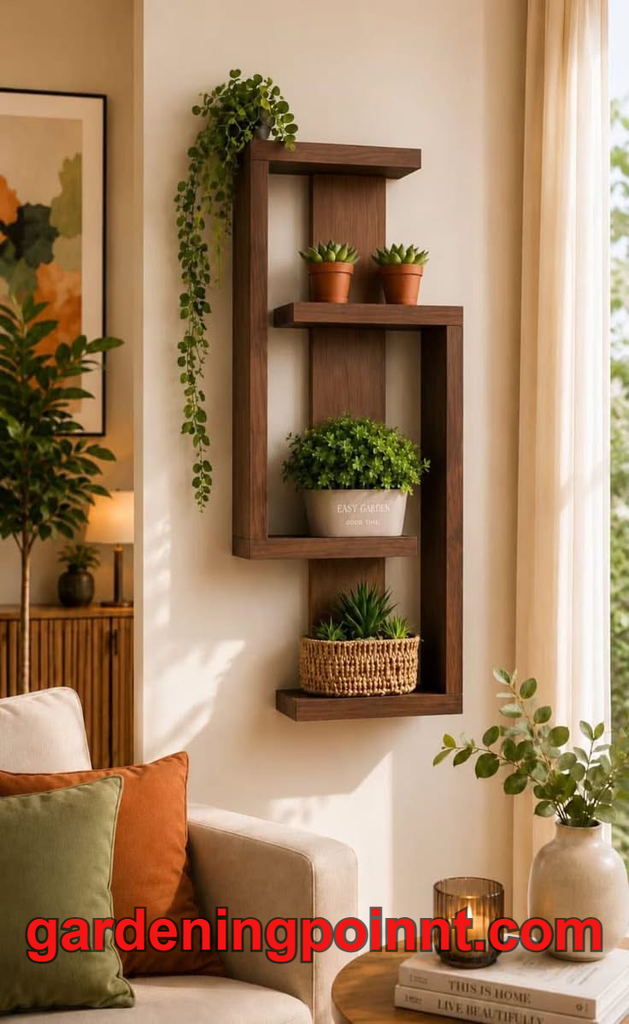
As plant collections grow, floor and windowsill space quickly runs out. Plant shelves solve this problem by utilizing vertical space, allowing you to display more plants without overcrowding a room. They also make it easier to organize plants by light needs, since different shelf heights often receive different amounts of sunlight throughout the day.
Benefits of Using Plant Shelves
Incorporating plant shelves into your home offers several practical and aesthetic advantages:
- Space efficiency: Vertical storage frees up valuable floor space.
- Better organization: Group plants by size, species, or care needs.
- Improved light exposure: Elevated shelves near windows maximize sunlight access.
- Visual impact: A well-arranged shelf creates a stunning focal point in any room.
- Easier maintenance: Consolidating plants makes watering and care routines more efficient.
Floating Shelves for a Minimalist Plant Display
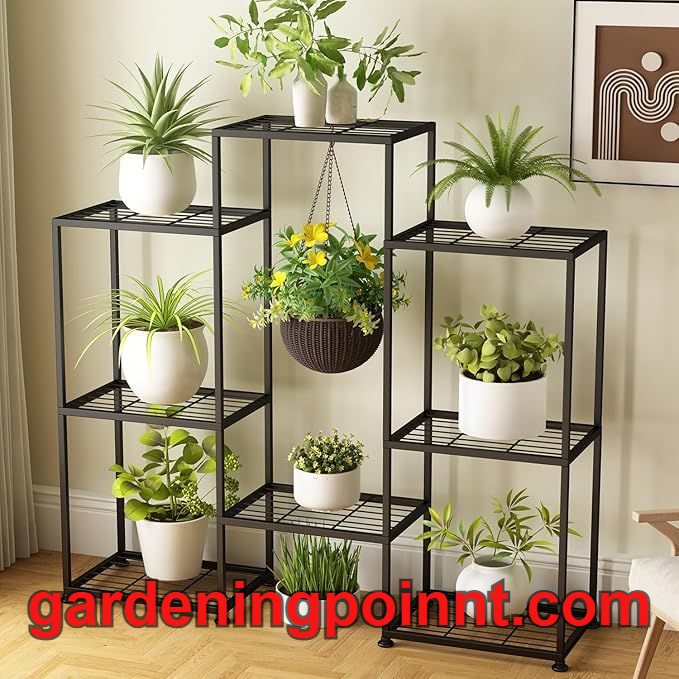
Floating shelves are a popular choice for those who want a clean, modern look without visible brackets or support structures. Mounted directly onto the wall, they create the illusion of plants suspended in air, making them ideal for minimalist or Scandinavian-style interiors. Choose sturdy floating shelves rated for adequate weight, especially if displaying larger potted plants.
Ladder Shelves for a Bohemian Plant Corner
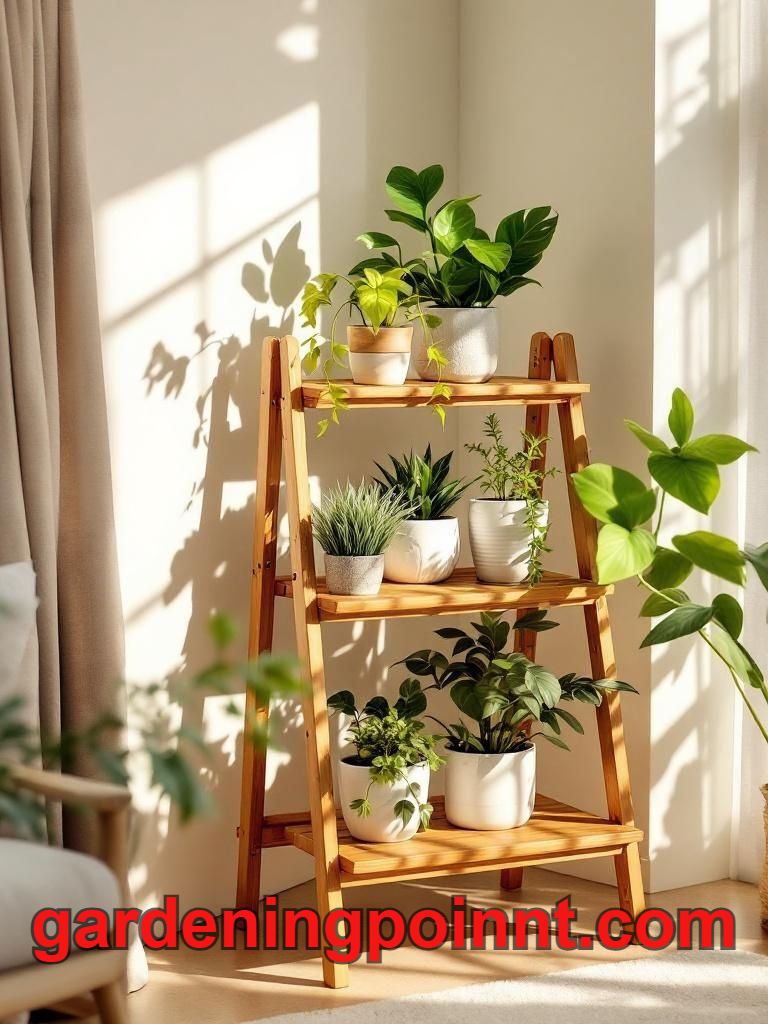
Wooden ladder shelves are a favorite among plant enthusiasts for their relaxed, bohemian aesthetic. Their tiered, angled design naturally showcases plants of varying heights and creates depth within a small footprint. Ladder shelves work particularly well near a sunny window where trailing plants can cascade down each level.
Wall-Mounted Corner Shelves for Small Spaces
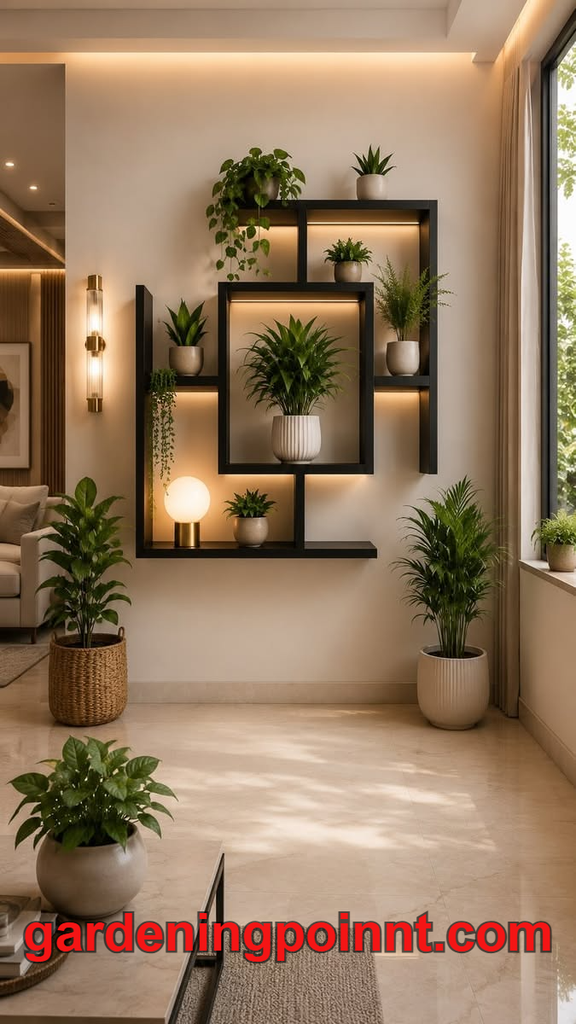
Corner shelves make use of often-overlooked space in a room, making them perfect for small apartments or tight living areas. Installing a series of small corner shelves allows you to build a vertical plant display without interfering with furniture placement or walkways.
Window Shelves for Maximum Sunlight
For plants that require abundant light, installing a shelf directly across a window ensures they receive maximum sun exposure throughout the day. Glass or acrylic window shelves are especially popular since they allow light to pass through to plants on lower shelves as well, creating a beautiful tiered garden effect.
Freestanding Plant Stands and Étagères
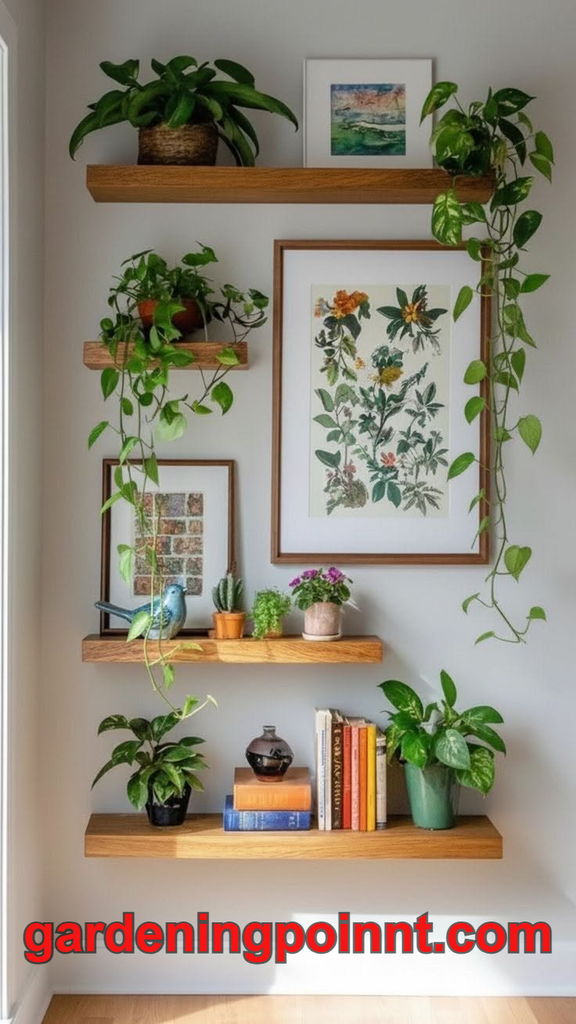
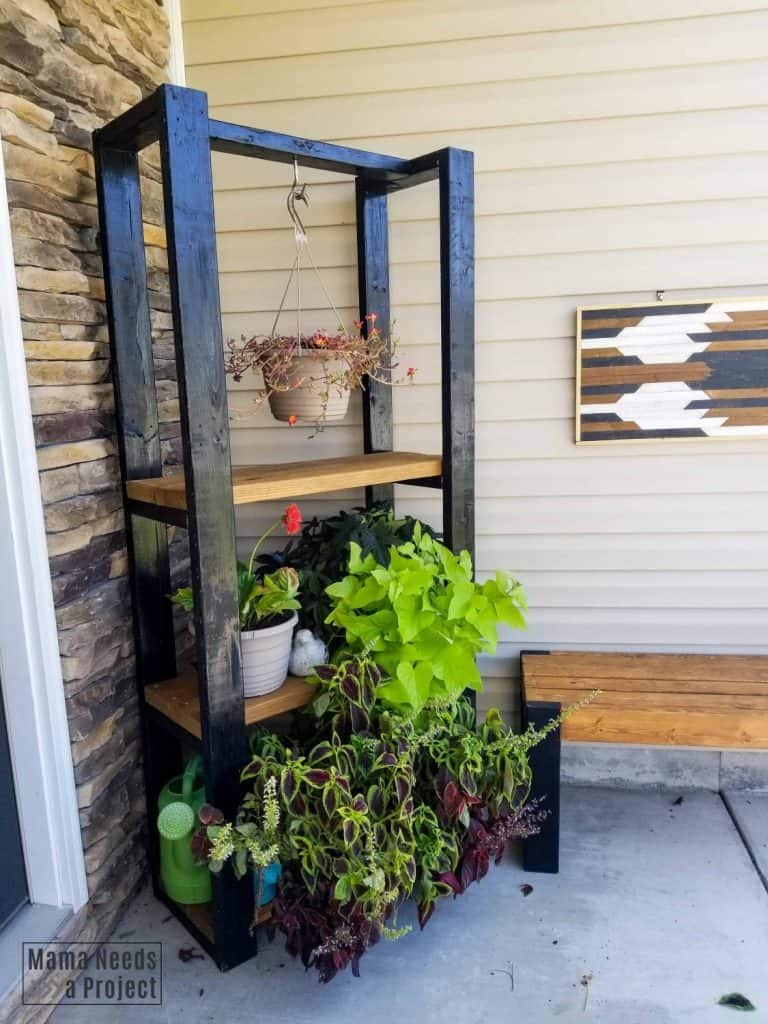
If you prefer not to drill into walls, freestanding plant stands or étagères offer a flexible alternative. These multi-tiered stands can be moved easily between rooms or repositioned as your light needs or design preferences change, making them ideal for renters or those who like to rearrange their space frequently.
Repurposing Bookshelves for Plant Display
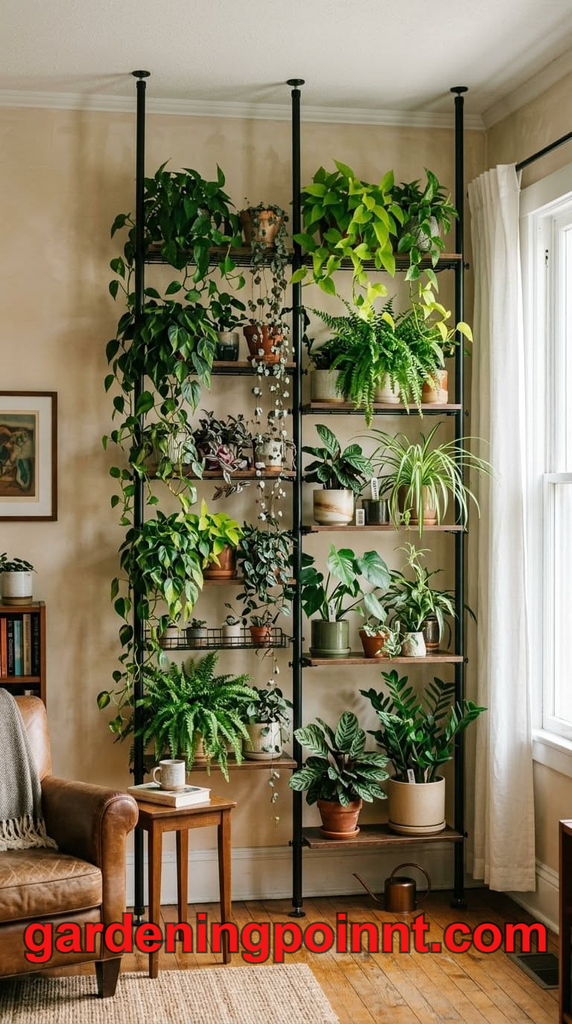
An empty or half-filled bookshelf can be transformed into a stunning plant display with minimal effort. Mixing plants among books, decorative objects, and personal items creates an eclectic, curated look while also providing varying light conditions across different shelf heights.
Choosing the Right Shelf Material for Plants
Shelf material affects both durability and aesthetic. Wood shelves offer a warm, natural look but should be sealed or treated to resist water damage from occasional spills. Metal and glass shelves are more moisture-resistant and lend themselves well to modern or industrial design styles. Always ensure your chosen material can support the weight of soil-filled pots.
Arranging Plants by Height and Size
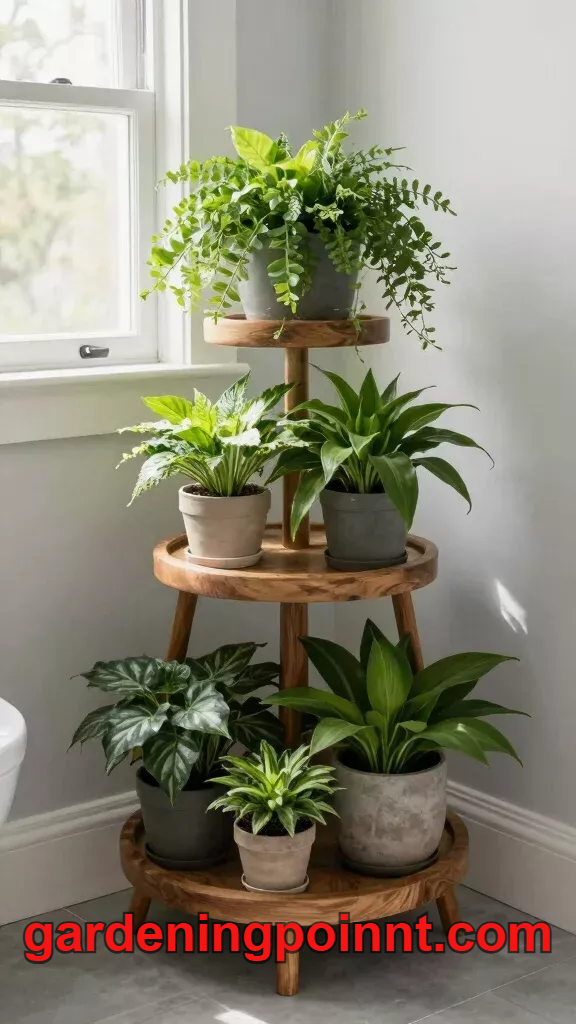
Creating visual balance on a plant shelf involves thoughtful arrangement. Place taller, upright plants toward the back or on higher shelves, while trailing plants work best cascading over the edges of middle or lower shelves. Smaller plants like succulents or air plants can fill in gaps and add texture to the overall display.
Mixing Plant Textures and Colors for Visual Interest
A visually compelling plant shelf incorporates variety in leaf shape, color, and texture. Combine broad-leafed plants like pothos with spiky succulents or delicate ferns to create contrast. Varying shades of green, along with occasional variegated or colorful foliage, adds depth and keeps the display from feeling monotonous.
Best Plants for Shelf Display
Certain plants are particularly well-suited for shelf environments due to their size, growth habit, or light tolerance:
- Pothos (trailing)
- String of pearls (trailing)
- Snake plant (upright)
- Succulents (compact)
- Air plants (no soil needed)
- Spider plant (trailing)
Choosing a mix of trailing, upright, and compact varieties creates the most dynamic and layered shelf display.
Incorporating Decorative Elements Alongside Plants
A plant shelf doesn’t have to be plants alone. Mixing in decorative items like candles, framed photos, small sculptures, or books adds personality and prevents the display from feeling like a plain plant store shelf. Aim for a balance where plants remain the visual focus while decor accents complement rather than compete.
Lighting Considerations for Plant Shelves
Natural light should guide your plant placement, but supplemental grow lights can help fill gaps for shelves positioned away from windows. Small LED grow lights designed for shelving units are discreet and effective, allowing you to successfully display light-loving plants even in dimmer areas of a room.
Choosing Planters and Pots for a Cohesive Shelf Look
Using a mix of complementary planters—rather than completely mismatched pots—creates a more polished, intentional look. Consider sticking to a limited color palette or material theme, such as all-terracotta or a mix of white and woven textures, to unify the display even as plant varieties vary.
Plant Shelf Ideas for Renters
Renters often need solutions that don’t require permanent wall modifications. Freestanding shelving units, tension rod shelves that wedge between floor and ceiling, and tabletop tiered stands are excellent options that provide the vertical display benefits of built-in shelving without damaging walls.
Maintaining Your Plant Shelf Display
Regular maintenance keeps a plant shelf looking its best. Rotate plants periodically to ensure even light exposure on all sides, wipe down leaves to remove dust, and check for pests regularly since closely grouped plants can make it easier for infestations to spread between neighboring pots.
Common Mistakes to Avoid with Plant Shelves
Even well-planned plant shelves can run into issues. Avoid these common mistakes:
- Overloading shelves beyond their weight capacity
- Placing shade-loving plants on the brightest shelf and vice versa
- Overcrowding shelves, which restricts airflow and increases pest risk
- Ignoring drainage needs, leading to water damage on shelves
- Neglecting to account for plant growth over time, resulting in outgrown spaces
Frequently Asked Questions
What is the best type of shelf for displaying plants? Floating shelves and ladder shelves are among the most popular due to their versatility and ability to showcase plants at varying heights.
How do I protect wooden shelves from water damage? Use saucers under each pot and consider sealing wood shelves with a waterproof finish for added protection.
Can I put plants on a bookshelf? Yes, bookshelves work well for plant display, especially when mixed with books and decorative items for an eclectic look.
How much weight can a floating shelf typically hold? This varies by shelf, but most quality floating shelves can hold between 15 and 50 pounds—always check manufacturer specifications before loading with potted plants.
Conclusion
Plant shelf ideas offer a practical and beautiful solution for anyone looking to expand their plant collection without sacrificing space or style. By choosing the right shelf type, arranging plants thoughtfully by height and light needs, and maintaining your display with regular care, you can create a stunning vertical garden that enhances any room in your home.