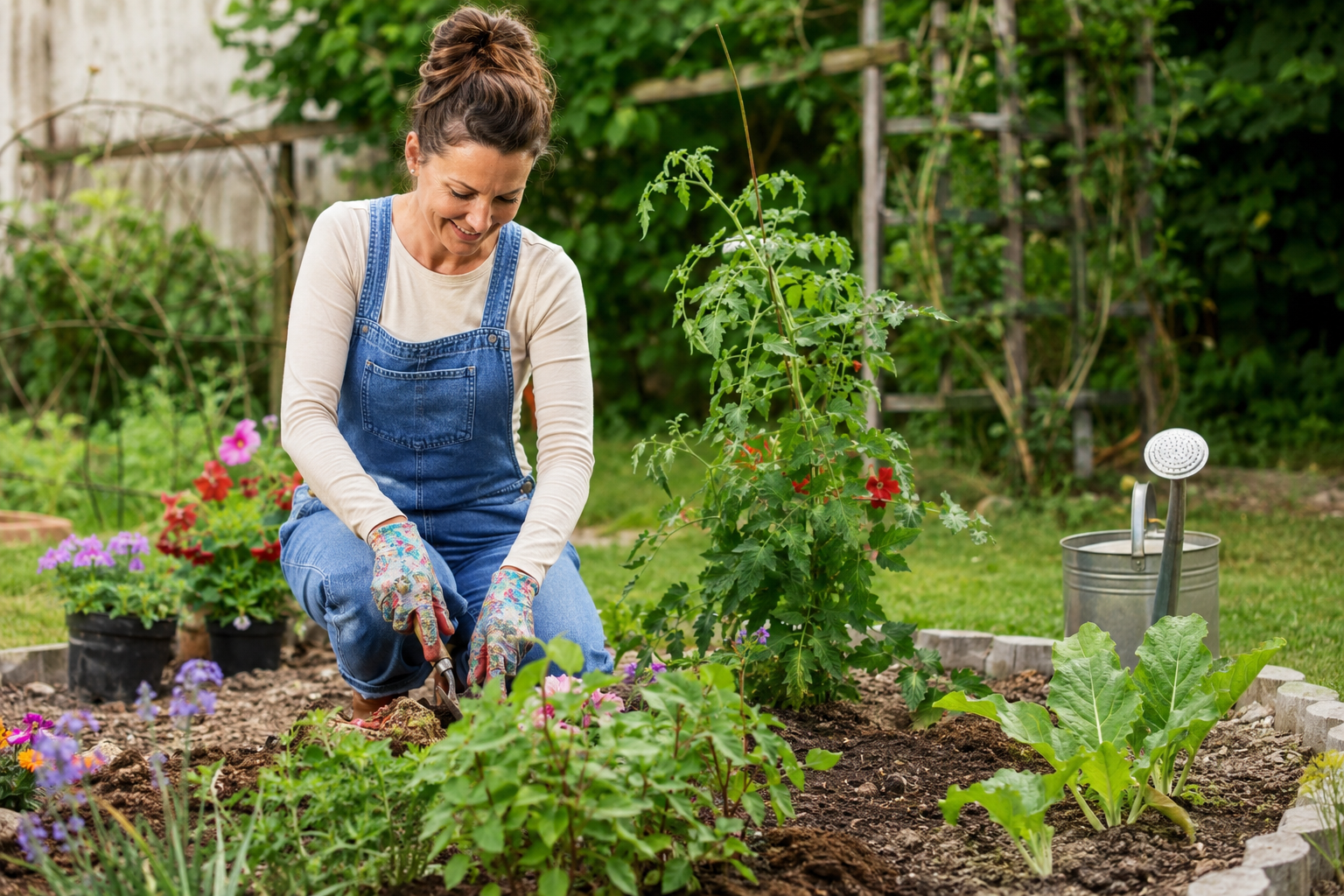
Gardening is more than a simple outdoor activity. It is a healthy hobby that can support physical health, mental wellbeing, better eating habits, and a more active daily routine. Many people spend long hours sitting at work, studying, using phones, or watching television. Gardening gives the body a chance to move while also providing the mind with a peaceful and enjoyable activity. Whether you have a large backyard, a small garden, or a few pots on a balcony, gardening can become an easy part of a healthier lifestyle.
Gardening Encourages Physical Activity
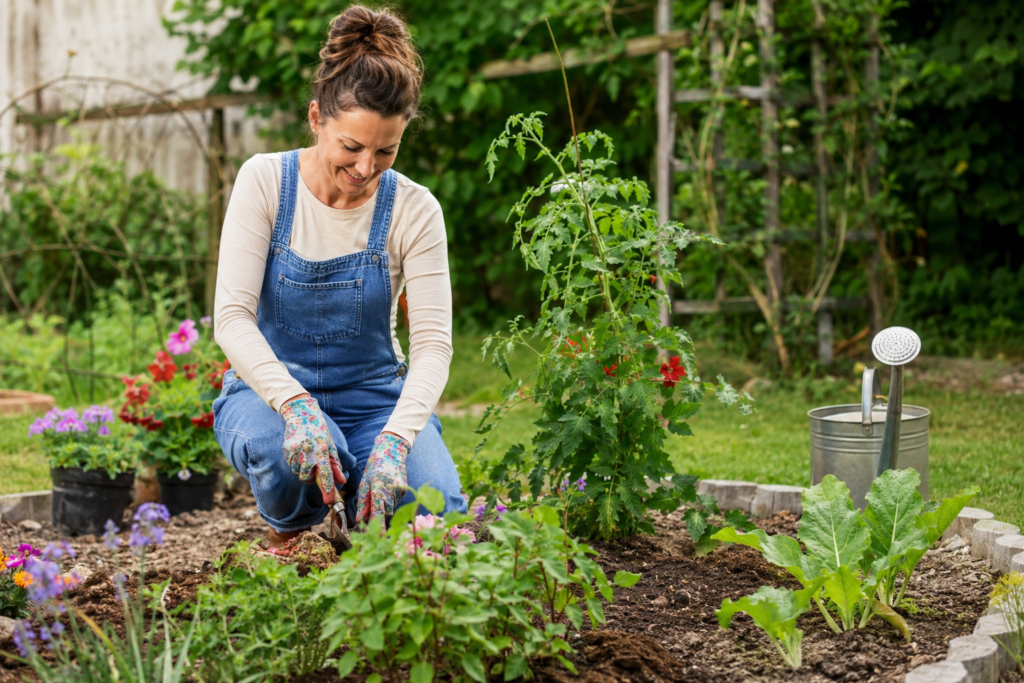
One of the biggest benefits of gardening is that it encourages regular physical activity. Digging soil, planting seeds, pulling weeds, carrying watering cans, trimming plants, and moving garden tools all require body movement. These activities may not feel like traditional exercise, but they can help keep the body active throughout the day.
Gardening involves different types of movement, including bending, stretching, walking, lifting, and reaching. Regular movement can help improve flexibility and strength when gardening is done safely and consistently. It can also be a useful way for people who do not enjoy going to a gym to add more physical activity to their routine.
Spending time in the garden can also reduce the amount of time a person spends sitting. A lifestyle with too much sitting can make it harder to maintain healthy habits. Gardening provides a simple reason to stand up, move around, and spend time outdoors.
Gardening Can Support Mental Wellbeing
A healthy lifestyle is not only about physical fitness. Mental wellbeing is also an important part of living a balanced life. Gardening can provide a calming environment where people can slow down and focus on something positive.
Working with plants requires attention and patience. When you plant a seed, you cannot expect it to become a mature plant immediately. You have to water it, provide proper sunlight, remove unwanted growth, and wait. This process can encourage patience and help people take a break from the fast pace of everyday life.
The peaceful environment of a garden can also create an opportunity to relax. Looking at green plants, flowers, and growing vegetables can make outdoor time more enjoyable. For many people, gardening becomes a personal space where they can disconnect from daily distractions and spend time focusing on nature.
Gardening Promotes Healthier Eating Habits
Another important benefit of gardening is its connection with healthy food. Growing your own fruits, vegetables, and herbs can make healthy eating more interesting and enjoyable. When people grow food themselves, they often become more interested in learning about fresh ingredients and preparing nutritious meals.
A home garden can include tomatoes, spinach, lettuce, peppers, carrots, herbs, and many other vegetables depending on the climate and available space. Freshly harvested produce can be added to salads, soups, sandwiches, and homemade meals.
Gardening can also help children develop a better understanding of food. When children see how vegetables grow from seeds into plants, they may become more curious about trying fresh foods. This can create positive eating habits that may continue as they grow.
Gardening Helps You Spend More Time Outdoors
Modern life often keeps people indoors for most of the day. Work, school, entertainment, and technology can make it easy to spend hours inside. Gardening provides a natural reason to go outdoors.
Spending time outside can make a daily routine feel more balanced. Gardening allows people to enjoy fresh air, natural surroundings, and sunlight while taking care of plants. Outdoor time can also provide a welcome break from screens.
Even a short gardening session can make a difference in a daily routine. Instead of spending free time only on phones or television, a person can use some of that time to water plants, check flowers, or care for vegetables.
Gardening Can Encourage Better Daily Routines
Healthy habits become easier when they are connected with regular routines. Gardening naturally creates small responsibilities throughout the week. Plants need water, sunlight, care, and attention. Having these simple tasks can encourage people to create a consistent schedule.
For example, someone may choose to check their plants every morning before starting work. Another person may spend an hour in the garden during the evening. These small habits can provide structure and encourage regular movement.
Gardening can also create a sense of achievement. Watching a plant grow because of your care can be rewarding. Harvesting vegetables that you planted yourself can give you a feeling of satisfaction and encourage you to continue taking care of your garden.
Gardening Can Support Social Wellness
Gardening does not always have to be a solo activity. It can also become a social hobby. Friends, family members, neighbors, and community groups can work together on gardening projects.
Sharing gardening ideas can help people learn new techniques and discover different types of plants. Families can also garden together, giving parents and children an opportunity to spend quality time away from screens.
Community gardens are another great example. People can work together to grow plants and maintain shared spaces. These activities can encourage communication, cooperation, and a stronger sense of community.
Gardening Can Improve Connection With Nature
Many people rarely stop to notice how plants grow and change throughout the seasons. Gardening can create a stronger connection with the natural world. You begin to notice small changes, such as new leaves, flowers opening, fruits developing, or insects visiting plants.
This connection can make everyday life feel more meaningful. Gardening teaches that nature follows its own pace. Plants need time, care, and suitable conditions to grow. Understanding this process can encourage patience and appreciation for the environment.
A stronger connection with nature can also inspire people to make more environmentally friendly choices. Gardeners may become more interested in saving water, reducing waste, using natural compost, and protecting helpful insects.
Gardening Can Be Enjoyable and Creative
A healthy hobby should not feel like a boring responsibility. Gardening can be enjoyable because it allows people to be creative. You can choose different flowers, arrange plants in attractive ways, design garden spaces, and experiment with herbs and vegetables.
Every garden can have a different appearance. Some people enjoy colorful flowers, while others prefer vegetable gardens. Some may create small indoor gardens using pots and containers. This freedom allows people to create a gardening style that matches their interests and available space.
Creativity can also make gardening more satisfying. Choosing plants and designing a small garden can become a fun personal project.
Gardening Can Be Practiced in Small Spaces
You do not need a large yard to enjoy the benefits of gardening. People living in apartments or homes with limited outdoor space can use pots, containers, balconies, windowsills, or small corners for plants.
Herbs such as mint, basil, coriander, and parsley can often be grown in containers with suitable care. Small vegetables and flowers can also be grown depending on the available sunlight and local conditions.
Starting with a few plants can be easier than creating a large garden immediately. Beginners can learn gradually and increase their garden as they gain experience.
Gardening Encourages Patience and Responsibility
Gardening teaches valuable life habits. Plants require regular care, but they do not always grow according to our expectations. Sometimes a plant may grow slowly, while another may need more sunlight or water.
These experiences can teach patience and responsibility. Instead of expecting immediate results, gardeners learn to focus on consistent care. This mindset can also be useful in other areas of life where progress takes time.
Taking responsibility for living plants can also create a sense of purpose. Even small gardening tasks can feel meaningful when you understand that your care helps something grow.
How to Start Gardening for a Healthier Lifestyle
Starting a garden does not need to be complicated. Begin with a few easy plants that are suitable for your local environment. Choose a location with appropriate sunlight and make sure your containers or garden soil provide good drainage.
Set aside a small amount of time each day or several times a week. Water your plants when necessary, remove weeds, check for pests, and observe how your plants are growing. Gardening should be enjoyable, so avoid putting too much pressure on yourself.
As you gain confidence, you can try growing different vegetables, flowers, herbs, or fruits. You can also learn new gardening techniques and improve your garden gradually.
Conclusion
Gardening can support a healthier lifestyle in many simple and enjoyable ways. It encourages physical activity, supports mental wellbeing, promotes healthier eating habits, provides outdoor time, and can improve daily routines. It can also strengthen social connections, encourage creativity, and create a deeper appreciation for nature.
The best thing about gardening is that almost anyone can start. You do not need expensive equipment or a large garden. A few pots and some suitable plants can be enough to begin.
By making gardening a regular hobby, you can add more movement, fresh food, outdoor time, and relaxation to your everyday life. With patience and consistent care, gardening can become more than a hobby. It can become a natural part of a healthier and more balanced lifestyle.