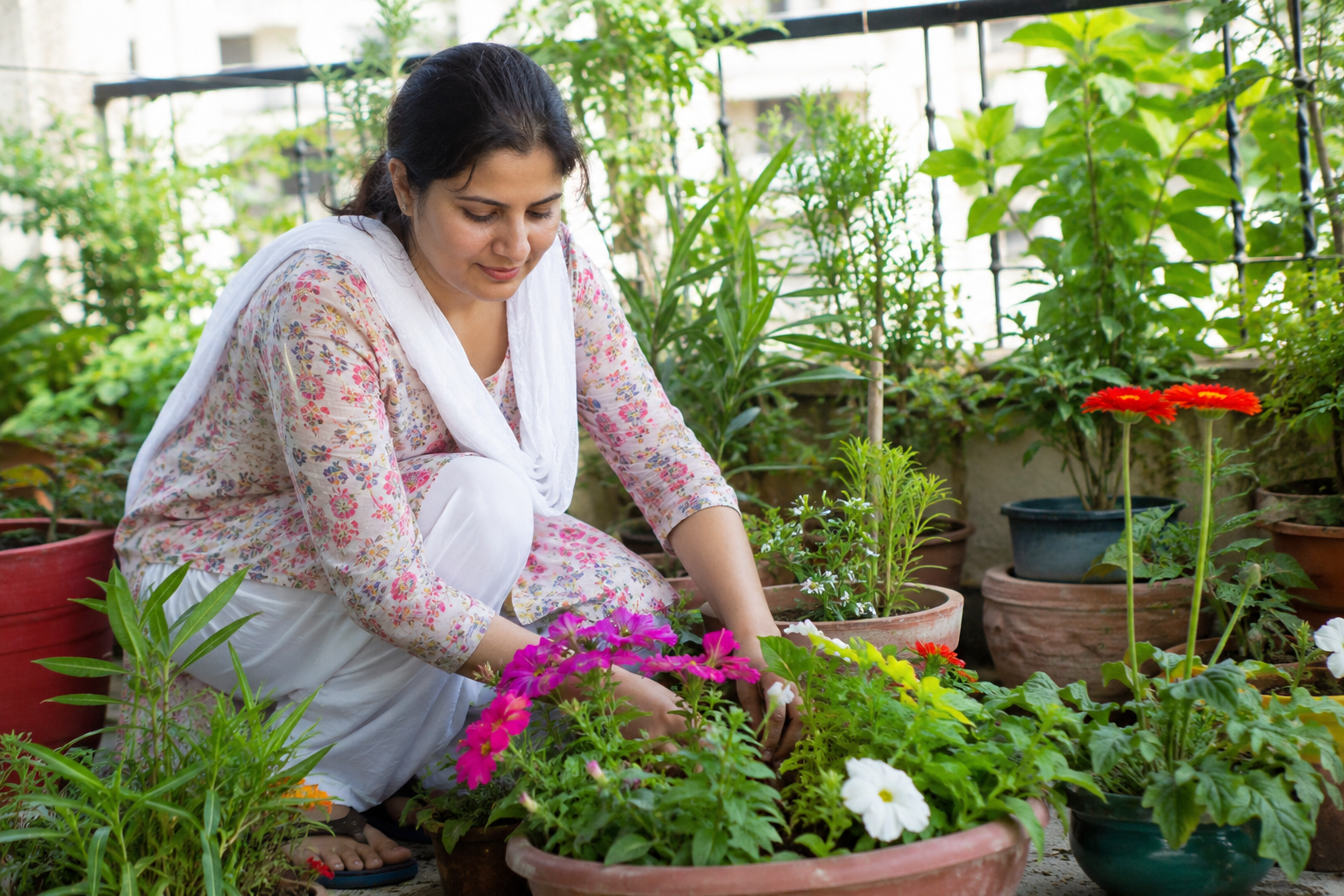
Gardening is more than a simple outdoor activity. It is a healthy hobby that can support mental and emotional health in many natural ways. Spending time with plants, soil, flowers, and fresh air can help people feel calmer, more focused, and more connected to nature. In a busy lifestyle where stress and emotional pressure are common, gardening provides an easy way to slow down and enjoy the present moment.
The benefits of gardening for mental health can be experienced by people of different ages and lifestyles. You do not need a large garden or expensive equipment to enjoy this hobby. A few pots on a balcony, a small backyard, or even an indoor plant collection can provide opportunities to care for nature. Regular gardening can become a peaceful part of your daily routine and may help create a healthier emotional balance.
Gardening Can Reduce Everyday Stress
One of the most important benefits of gardening for mental and emotional health is its ability to create a relaxing environment. Daily responsibilities related to work, family, studies, and personal life can make people feel overwhelmed. Gardening gives the mind a chance to take a break from these pressures.
Simple activities such as watering plants, removing weeds, planting seeds, or preparing soil require attention. When you concentrate on these tasks, your mind may move away from stressful thoughts. The quiet surroundings and natural environment can also create a sense of peace.
Gardening does not require you to rush. You can work slowly and enjoy each activity. This slower pace can make gardening feel like a peaceful escape from a busy routine.
Gardening Supports a Positive Mood
Another major benefit of gardening is its connection with a positive mood. Caring for plants gives people something enjoyable to look forward to. Watching a small seed grow into a healthy plant can create feelings of happiness and satisfaction.
Plants also add beauty to the environment. Colorful flowers, green leaves, and fresh herbs can make a garden feel welcoming and pleasant. Spending time in such an environment may help improve your overall mood.
Gardening can be especially rewarding when you notice progress. Seeing new leaves appear or flowers begin to bloom can remind you that small efforts can create meaningful results. This simple experience can encourage positive thinking.
Gardening Encourages Mindfulness
Mindfulness means paying attention to the present moment instead of constantly thinking about the past or worrying about the future. Gardening naturally encourages this type of attention.
When you plant a seed, feel the soil, observe a flower, or listen to birds in the garden, your attention becomes focused on what is happening around you. These small experiences can help you become more aware of your surroundings.
Gardening can therefore become a form of mindful activity. Instead of checking your phone or thinking about a long list of responsibilities, you can spend some time focusing only on your plants. This can provide a mental break and help you feel more present.
Gardening Can Help Manage Feelings of Anxiety
Modern life can sometimes create feelings of nervousness and constant worry. While gardening is not a replacement for professional mental health support, it can be a useful healthy activity for emotional wellbeing.
Working with plants provides structure and gentle physical activity. Having simple gardening tasks to complete can give your attention a positive direction. Instead of sitting with the same worrying thoughts, you can focus on planting, watering, cleaning, or organizing your garden.
The natural environment may also feel comforting. Fresh air, sunlight, greenery, and outdoor surroundings can create a pleasant space where you can relax and clear your mind.
Gardening Builds a Sense of Achievement
A strong sense of achievement is another important benefit of gardening for mental health. Plants need regular care, and your efforts can produce visible results.
For example, you may plant tomato seeds and eventually see healthy tomatoes growing. You may grow herbs that you can use in your meals or create a flower garden that becomes more beautiful each month.
These achievements can make you feel proud of your work. Even small gardening successes can remind you that your time and effort have value. This can support confidence and encourage you to continue learning new skills.
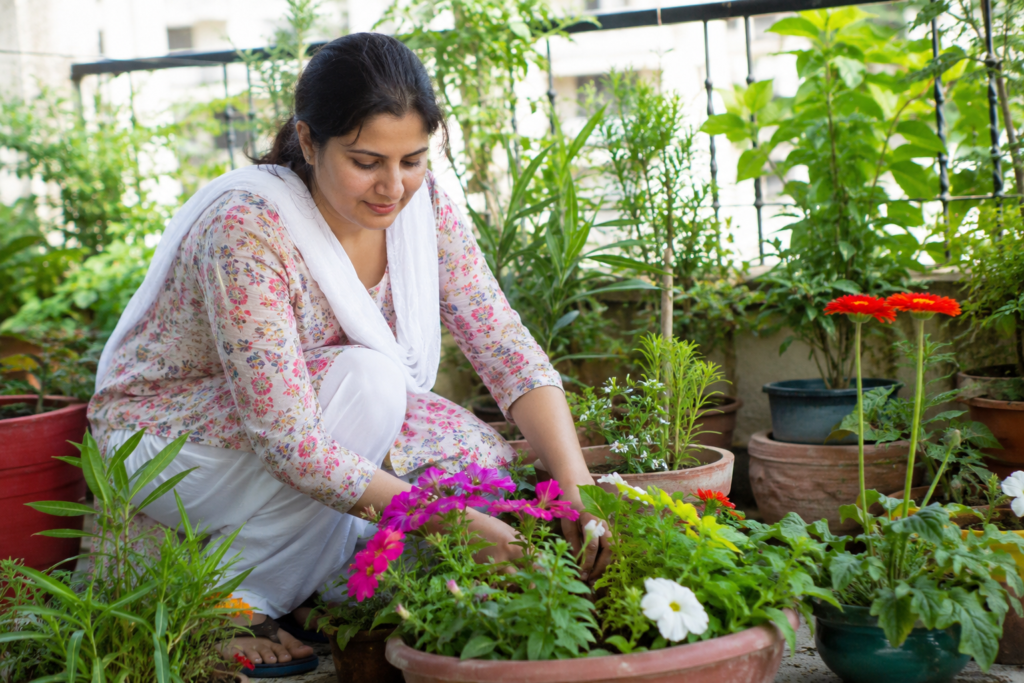
Gardening Provides a Healthy Routine
A regular routine can be helpful for emotional wellbeing. Gardening naturally creates small responsibilities that can become part of your daily or weekly schedule.
You may water plants in the morning, check the leaves in the afternoon, or spend time preparing the garden on weekends. Having these simple activities can add structure to your day.
A gardening routine can also encourage people to spend less time sitting indoors. Even a short period of outdoor activity can provide a welcome change from screens, household responsibilities, or office work.
Gardening Connects People With Nature
Many people spend much of their day surrounded by buildings, technology, traffic, and screens. Gardening provides an opportunity to reconnect with the natural world.
Working with plants allows you to observe natural changes throughout the seasons. You can notice new growth, changing colors, flowers opening, insects visiting plants, and different weather conditions.
This connection with nature can make life feel calmer and more meaningful. It can also encourage appreciation for the environment and the small details that are easy to ignore during a busy day.
Gardening Can Reduce Feelings of Loneliness
Gardening does not always have to be a solo activity. It can also create opportunities for social connection. Family members, friends, neighbors, and community groups can share gardening experiences.
You can work together to plant flowers, grow vegetables, exchange seeds, or discuss gardening ideas. These simple interactions can create friendships and strengthen relationships.
Community gardens can be particularly useful because they bring people together around a shared interest. Working alongside others can create a sense of belonging and reduce feelings of social isolation.
Gardening Encourages Creativity
Gardening also provides an opportunity to express creativity. You can choose different plants, flowers, pots, garden layouts, and decorations according to your personal taste.
Designing a garden can become a creative project. You may enjoy combining different colors, creating attractive plant arrangements, or experimenting with new plants.
Creative activities can give your mind a break from repetitive responsibilities. They allow you to make personal choices and create something that reflects your personality.
Gardening Can Improve Focus
Another benefit of gardening for mental and emotional health is that it can encourage concentration. Many gardening activities require careful attention.
You may need to check whether a plant needs water, identify damaged leaves, place seeds at the correct depth, or observe changes in plant growth. These tasks encourage you to pay attention to details.
Regular activities that require concentration can help you become more comfortable with focused attention. Gardening can therefore be a useful hobby for people who want to spend less time distracted by digital devices.
Gardening Supports Emotional Satisfaction
Caring for living things can create a strong feeling of purpose. Plants depend on regular care, and gardeners can experience satisfaction from helping them grow.
There is something rewarding about knowing that your actions have helped a plant survive and develop. This feeling can make gardening emotionally meaningful.
Growing food can provide an additional sense of satisfaction. Picking fresh vegetables, fruits, or herbs that you have grown yourself can make the experience even more rewarding.
Gardening Can Be Enjoyed at Any Age
Gardening is a flexible hobby that can be adapted to different ages and lifestyles. Children can learn responsibility by caring for simple plants. Adults can use gardening as a relaxing break from work. Older adults can enjoy gardening as a meaningful way to stay connected with nature.
You can also adjust gardening activities according to your available space and energy. Container gardening, raised beds, indoor plants, and small herb gardens are all possible options.
The goal is not to create a perfect garden. The main purpose is to enjoy the process and create a peaceful activity that fits your lifestyle.
Simple Ways to Start Gardening for Better Mental Health
Starting a garden does not need to be complicated. Begin with a few plants that are easy to care for. Herbs such as mint, basil, or coriander can be good choices for beginners. Flowers and indoor plants can also provide a simple starting point.
Create a small gardening schedule that feels enjoyable rather than stressful. Spend a few minutes caring for your plants and gradually increase the time if you enjoy it.
Try to focus on the experience rather than the results. Some plants may grow quickly while others may take longer. Learning from mistakes is also part of gardening.
You can make the experience more enjoyable by listening to peaceful music, spending time with family members, or keeping a simple record of your plants and their growth.
Conclusion
The benefits of gardening for mental and emotional health make it a valuable healthy hobby for everyday life. Gardening can help reduce everyday stress, support a positive mood, encourage mindfulness, improve focus, build confidence, and create a stronger connection with nature.
It can also provide emotional satisfaction, creativity, social connection, and a sense of achievement. The best part is that gardening does not require a large outdoor space or complicated equipment. Even a few plants can become a meaningful part of your routine.
In a world filled with busy schedules and constant digital distractions, gardening offers a simple way to slow down and reconnect with yourself and nature. By spending regular time caring for plants, you can create a peaceful hobby that supports a healthier and more balanced lifestyle.