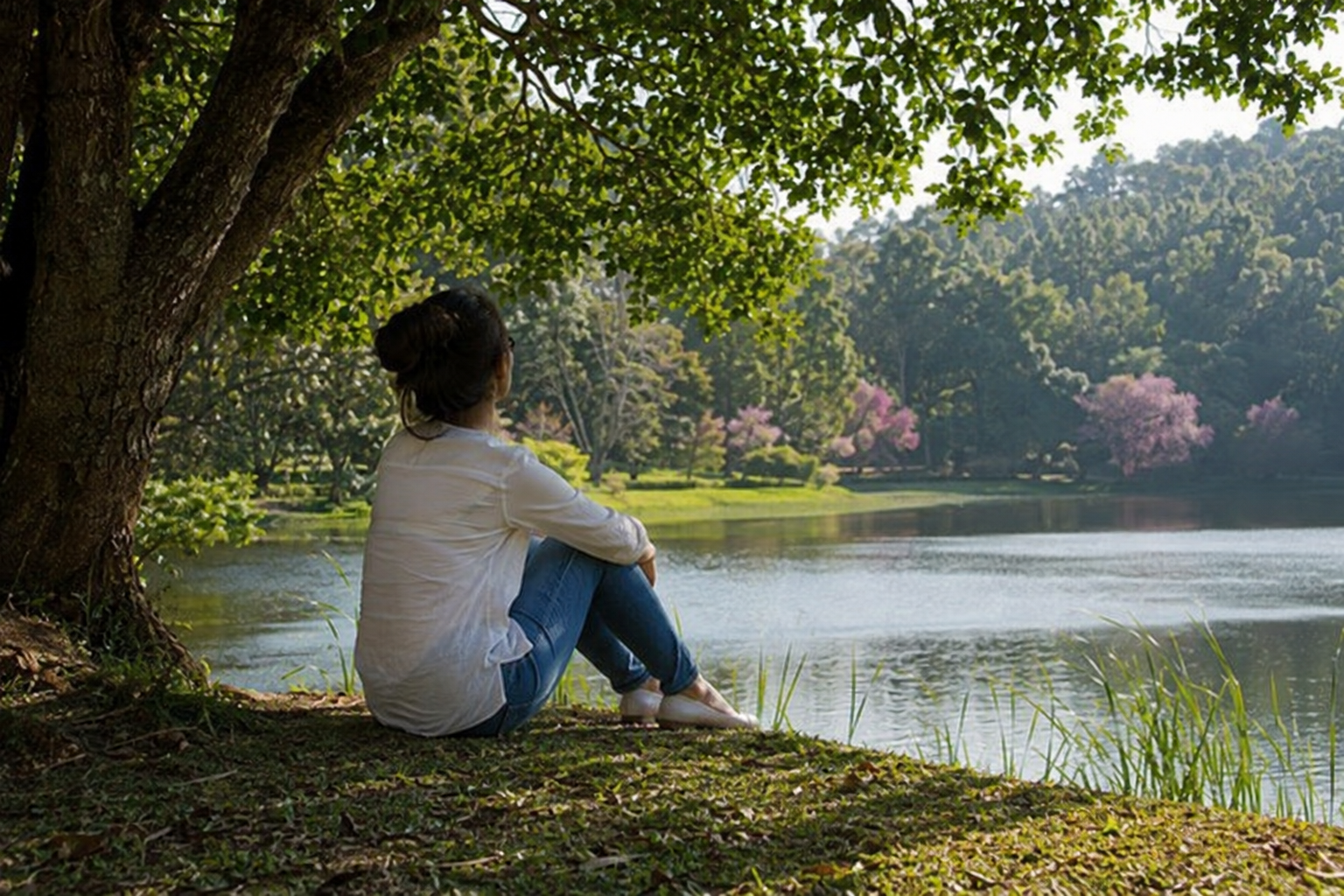
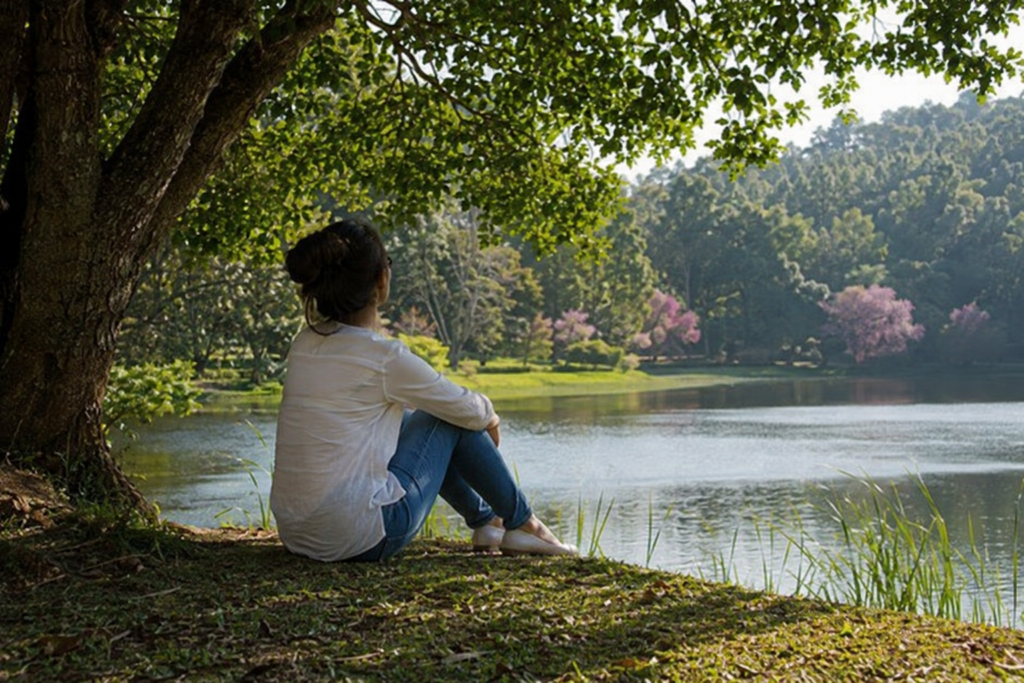
In today’s busy world, many people spend most of their time working, studying, using phones, or sitting indoors. This lifestyle can make the mind feel tired and stressed. Spending time in nature is a simple way to give your mind a break and support better mental wellness. You do not always need a long trip or expensive vacation to enjoy the benefits of nature. A short walk in a park, sitting under a tree, gardening, or simply enjoying fresh air can make a positive difference.
Nature provides a peaceful environment where people can slow down, clear their thoughts, and reconnect with themselves. Regular time outdoors may help reduce daily stress, improve mood, support better sleep, and encourage a healthier lifestyle. This is why spending time in nature has become an important part of many people’s approach to mental wellbeing.
Nature Can Help Reduce Daily Stress
One of the biggest benefits of spending time in nature is its ability to help reduce stress. Modern life often brings many responsibilities and constant distractions. Work deadlines, family responsibilities, financial concerns, and social media can leave the mind feeling overwhelmed.
A natural environment can provide a welcome change from this pressure. Trees, plants, fresh air, sunlight, and natural sounds can create a calming atmosphere. When you walk through a green space, your attention can move away from stressful thoughts and focus more on what is happening around you.
Even a short outdoor break can help you feel more relaxed. Instead of checking your phone during a break, you can step outside and take a slow walk. This small habit can give your brain an opportunity to rest and recover from mental pressure.
Spending Time Outdoors Can Improve Mood
Your surroundings can influence how you feel. Staying inside the same room for long periods may sometimes make you feel bored, tired, or mentally stuck. Going outside can provide a refreshing change.
Natural places often offer peaceful views and pleasant sounds that can support a more positive mood. Watching birds, looking at flowers, walking beside trees, or feeling a gentle breeze can make ordinary moments feel more enjoyable.
Spending time in nature does not automatically solve every emotional problem, but it can become a useful part of a healthy routine. When you regularly give yourself time to enjoy outdoor spaces, you may begin to feel more refreshed and positive throughout the day.
Nature Gives Your Mind a Break
The human brain needs rest just like the body does. Constantly focusing on screens, messages, work tasks, and notifications can make it difficult to relax mentally.
Nature can provide a break from this constant stimulation. When you sit in a garden or walk through a park, you can allow yourself to focus on simple things such as the movement of leaves, the sound of birds, or the feeling of fresh air.
This kind of peaceful attention can help you step away from constant thinking. You may return to your daily responsibilities feeling more refreshed and ready to concentrate.
Outdoor Activities Can Support Physical Activity
Mental wellness and physical health are closely connected. Spending time in nature often encourages people to move their bodies. Walking, hiking, gardening, cycling, and outdoor games are simple activities that can be enjoyed outside.
Regular physical activity can support energy levels and overall wellbeing. A walk in a natural environment can be especially enjoyable because you are not only exercising but also experiencing a change of scenery.
You do not need to complete an intense workout to benefit from being active outdoors. A gentle twenty or thirty minute walk can be a good starting point for people who want to become more active while also supporting their mental wellness.
Nature May Support Better Sleep
Good sleep is important for emotional and mental wellbeing. When people feel stressed or spend too much time using screens at night, getting quality sleep can sometimes become difficult.
Spending time outdoors during the day can encourage a healthier daily routine. Outdoor activities can help you stay physically active, while natural daylight can help your body maintain a regular sleep and wake schedule.
For better results, you can make outdoor time part of your daytime routine. A morning walk, afternoon gardening session, or evening stroll can help create a healthy balance between activity and relaxation.
Gardening Can Connect You With Nature
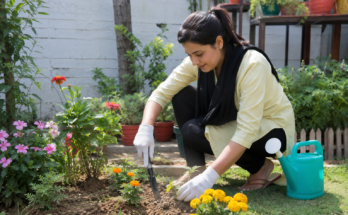
You do not need to live near mountains, forests, or large parks to enjoy nature. Gardening is one of the easiest ways to bring natural surroundings into your daily life.
Planting flowers, growing vegetables, watering plants, and taking care of a small garden can be peaceful activities. Gardening also gives you something positive to focus on. Watching a small plant grow over time can create a sense of satisfaction and connection.
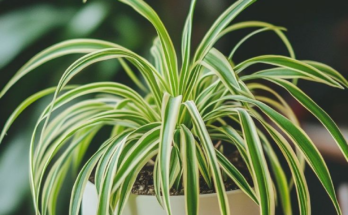
Even people living in apartments can grow herbs or small plants in containers. This makes gardening an accessible way to spend time with nature while creating a more pleasant living environment.
Nature Can Encourage Mindfulness
Mindfulness means paying attention to the present moment instead of constantly worrying about the past or future. Nature can make mindfulness easier because it offers many simple things to notice.
During an outdoor walk, try paying attention to the sounds around you. Notice the color of the sky, the shape of the trees, the smell of plants, and the feeling of the ground beneath your feet.
You do not need special equipment or complicated techniques. Simply being present and noticing your surroundings can turn an ordinary walk into a peaceful mental break.
Spending Time in Nature Can Reduce Screen Time
Screens have become a major part of everyday life. Phones and computers help us work and communicate, but spending too much time looking at screens can leave us mentally tired.
Outdoor activities provide a natural opportunity to put technology aside. You can leave your phone in your pocket while walking or spend some time sitting outside without checking notifications.
Reducing screen time, even for a short period, can help you focus on real world experiences. This can make your free time feel more meaningful and refreshing.
Nature Can Improve Social Connection
Spending time outdoors does not always have to be a solo activity. Parks, walking trails, gardens, and outdoor recreational areas can also provide opportunities to connect with other people.
You can take a walk with a friend, have a picnic with family, join an outdoor activity, or work together in a community garden. These experiences can support social connection while also allowing you to enjoy a natural environment.
Healthy relationships are an important part of mental wellness. Combining social time with outdoor activities can make both experiences more enjoyable.
Simple Ways to Spend More Time in Nature
Adding more nature to your daily life does not have to be difficult. You can start with small changes that fit your schedule.
Take a short walk after work. Sit outside while drinking your morning tea. Eat lunch in a park when possible. Spend a few minutes caring for plants. Visit a local garden on the weekend. Go for a family walk instead of spending the entire evening indoors.
The most important thing is consistency. You do not have to spend hours outside every day. Even small amounts of regular outdoor time can help you create a healthier relationship with nature.
Why Nature Is Important for Mental Wellness
Mental wellness is not only about avoiding stress or difficult emotions. It is also about creating habits that help you feel balanced, connected, and refreshed.
Spending time in nature can become one of these healthy habits. It offers a simple way to step away from busy routines and focus on the present moment. Whether you enjoy walking, gardening, hiking, sitting outside, or simply watching the sunset, nature can provide valuable time for relaxation.
It is also important to remember that nature should not be considered a replacement for professional support when someone is experiencing serious or ongoing mental health difficulties. However, for everyday wellbeing, outdoor time can be a useful part of a balanced lifestyle.
Conclusion
Spending time in nature can improve mental wellness in many simple and meaningful ways. It can help reduce daily stress, improve mood, support physical activity, encourage better sleep, and give the mind a much needed break from screens and busy routines.
You do not need a special destination to experience these benefits. A nearby park, garden, walking path, or even a few plants at home can provide an opportunity to connect with the natural world.
Making time for nature is a simple investment in your overall wellbeing. When life becomes busy, stepping outside for a few peaceful moments can remind you to slow down, breathe, and enjoy the world around you. With regular outdoor time, nature can become a valuable part of a healthier and more balanced lifestyle.