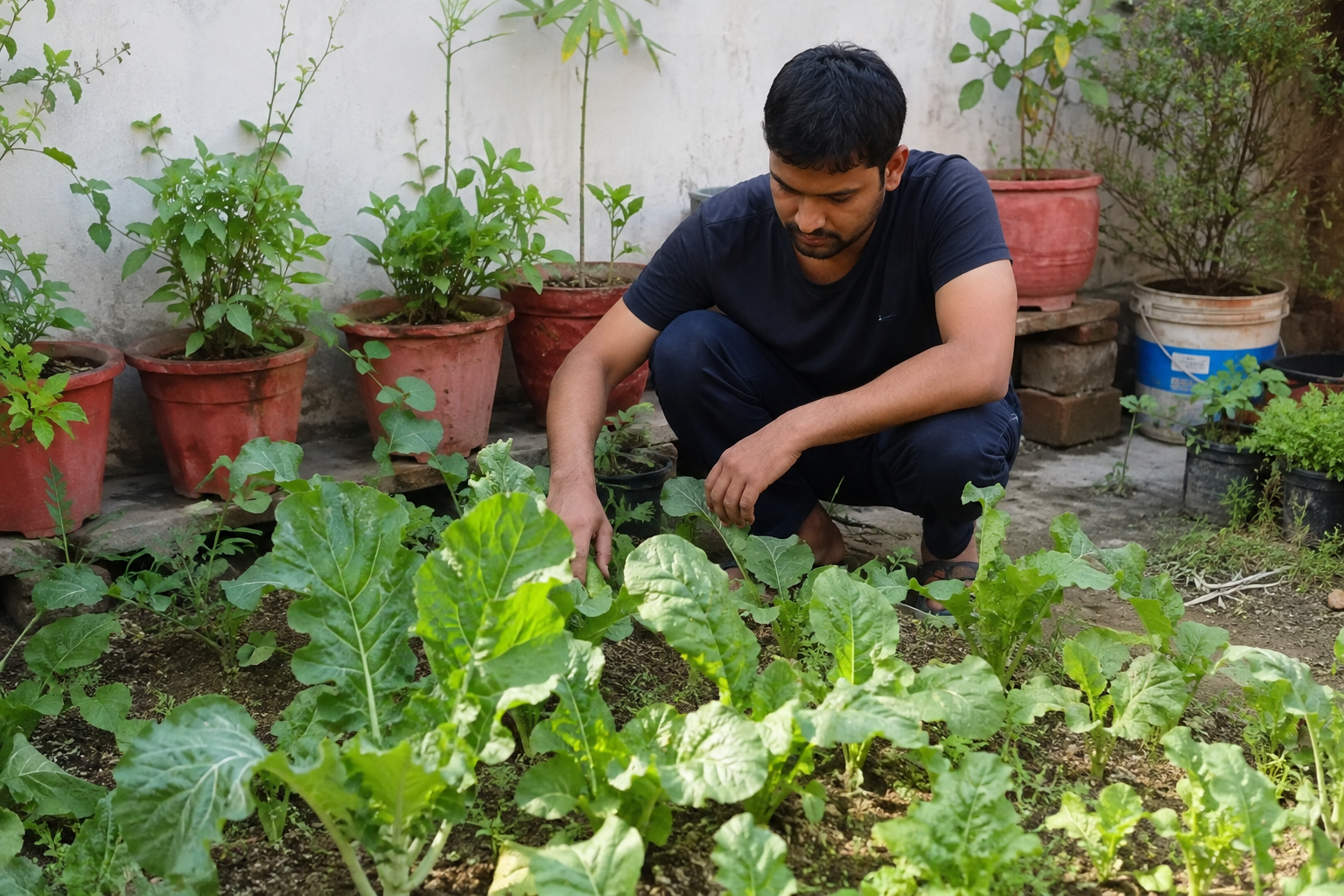
Growing your own vegetables at home is a simple and rewarding hobby that can bring many benefits to your health, lifestyle, and daily routine. You do not need a large garden or expensive equipment to get started. A small backyard, balcony, rooftop, or even a few containers can be enough to grow fresh vegetables for your family.
Home vegetable gardening is becoming popular because people want healthier food, more outdoor activity, and a better connection with nature. When you grow vegetables yourself, you can see exactly how your food is produced and enjoy fresh produce directly from your garden. It can also become a relaxing activity that gives you a break from busy routines and screen time.
Fresh and Healthy Food at Home
One of the biggest benefits of growing your own vegetables is having access to fresh food. Vegetables picked directly from your garden can be used immediately in salads, soups, curries, sandwiches, and many other meals.
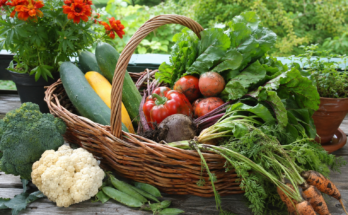
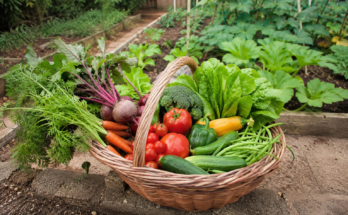
Freshly harvested vegetables often have better taste and texture than vegetables that have been stored or transported for several days. Tomatoes, cucumbers, spinach, carrots, peppers, lettuce, and other vegetables can be harvested when they are ready to eat.
Growing vegetables at home also allows you to choose what you want to plant. You can focus on vegetables that your family enjoys and avoid buying large amounts of produce that may go unused.
Better Control Over What You Eat
When you grow your own vegetables, you have more control over the growing process. You can choose the soil, seeds, compost, and gardening methods used in your garden.
Many home gardeners prefer natural gardening methods because they want to reduce unnecessary chemicals around their food. You can learn about composting, natural pest control, and healthy soil management while taking care of your plants.
This control can make you feel more confident about the vegetables you serve to your family. You know where the food came from and how it was grown.
Saves Money on Groceries
Growing vegetables at home can also help reduce grocery expenses. Seeds and basic gardening supplies can provide vegetables over a long growing season.
Some vegetables are especially useful for home gardens because they can produce multiple harvests. Herbs, green onions, tomatoes, leafy greens, peppers, and cucumbers can provide a steady supply when they receive proper care.
The amount of money you save depends on the size of your garden and the vegetables you grow. Even if you do not completely replace store bought vegetables, growing some of your own produce can reduce your regular shopping needs.
Encourages Physical Activity
Home vegetable gardening is a useful way to stay physically active. Gardening activities such as digging, planting, watering, weeding, carrying soil, pruning, and harvesting require movement.
Regular gardening can help you spend less time sitting and more time moving your body. It can also involve gentle stretching and repeated movements that keep different parts of the body active.
For people who do not enjoy traditional workouts, gardening can be a more enjoyable way to include physical activity in their daily routine. You can work at your own pace and take breaks whenever necessary.
Supports Mental Wellbeing
Another important benefit of growing vegetables at home is the positive effect gardening can have on your mood. Spending time around plants and fresh air can create a peaceful environment.
Gardening requires attention and patience. When you focus on planting seeds, checking leaves, watering plants, or removing weeds, you can take your mind away from daily worries for a while.
Watching a small seed develop into a healthy plant can also provide a strong feeling of satisfaction. The process reminds you that good results often require time, patience, and consistent care.
Reduces Daily Stress
Modern life can be busy and stressful. Work, family responsibilities, social media, and other daily demands can leave little time for relaxation. Gardening can provide a simple activity that allows you to slow down.
Working with soil and plants can create a calming routine. Even spending fifteen or thirty minutes in the garden can give you an opportunity to step away from stressful activities.
The repetitive tasks involved in gardening can also feel relaxing. Watering plants, pulling weeds, and harvesting vegetables can become enjoyable habits rather than chores.
Teaches Valuable Skills
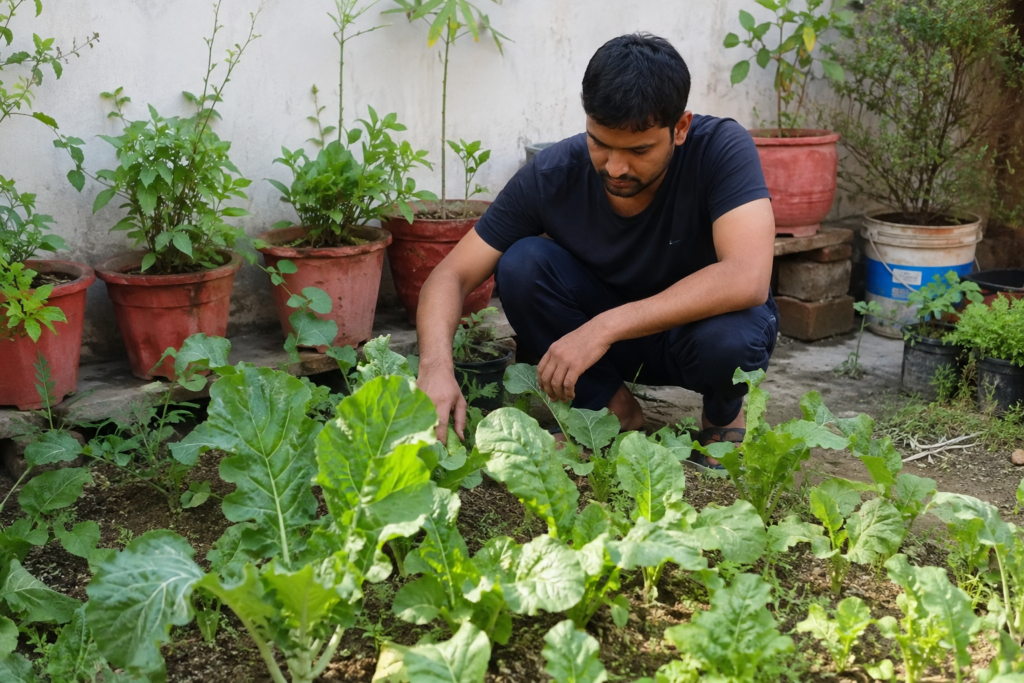
Growing vegetables at home is also an excellent learning experience. Beginners can learn about soil, sunlight, watering, seeds, compost, plant growth, insects, and seasonal changes.
You learn through experience because every plant does not grow in exactly the same way. Some vegetables may need more sunlight, while others prefer cooler conditions. Learning these differences can make gardening more interesting.
Home gardening can also teach patience and responsibility. Plants depend on regular care, so gardeners learn that small efforts over time can lead to meaningful results.
Helps Children Learn About Nature
A home vegetable garden can be a wonderful educational activity for children. Instead of only seeing vegetables in supermarkets, children can learn where food actually comes from.
Children can help plant seeds, water plants, observe flowers, and harvest vegetables. These activities can make learning about nature more practical and enjoyable.
Gardening can also encourage children to try vegetables that they might otherwise avoid. When children grow their own tomatoes, carrots, peas, or lettuce, they may become more interested in tasting the food they helped produce.
Creates a Connection With Nature
Many people spend much of their day indoors. Home vegetable gardening provides a simple reason to spend more time outside.
Gardening allows you to observe natural changes throughout the year. You may notice new leaves, flowers, insects, birds, and changes in weather. These small experiences can create a stronger connection with the natural world.
This connection can make gardening feel more meaningful. You are not only growing vegetables but also becoming more aware of how nature supports everyday life.
Reduces Food Waste
Growing your own vegetables can also encourage better food management. When you harvest only what you need, you can use fresh produce directly in your meals.
You can also preserve extra vegetables through methods such as freezing, drying, or storing them properly. Vegetable scraps can sometimes be added to a compost system instead of being thrown away.
A garden can therefore encourage a more thoughtful approach to food. You begin to understand the effort required to grow vegetables and may become less likely to waste them.
Can Support a More Sustainable Lifestyle
Home vegetable gardening can support environmentally friendly habits. Growing some food close to home can reduce the need to transport those vegetables long distances.
A garden can also support healthy soil through composting and organic material. Compost made from suitable kitchen and garden waste can return nutrients to the soil and reduce household waste.
You can also choose reusable containers, collect rainwater where appropriate, and use natural gardening practices. Small changes can make home gardening more sustainable over time.
Provides a Sense of Achievement
Growing vegetables from seeds to harvest can give you a strong sense of accomplishment. At the beginning, a garden may look simple, but after weeks of care, you can see visible progress.
Harvesting your first tomato, cucumber, pepper, or bunch of leafy greens can be surprisingly satisfying. You have invested your own time and effort into producing food.
This feeling of achievement can encourage you to continue gardening and try new vegetables. It can also motivate you to learn more about plants and improve your gardening skills.
Easy to Start With a Small Space
You do not need a large property to enjoy the benefits of growing your own vegetables. Container gardening can work well for people living in apartments or homes with limited outdoor space.
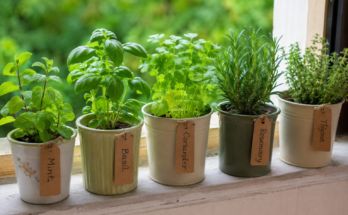
Pots, grow bags, wooden boxes, and other suitable containers can be used to grow vegetables. You can start with a few easy options such as herbs, lettuce, spinach, green onions, tomatoes, or peppers.
Starting small is often better than trying to create a large garden immediately. A few healthy plants can teach you the basic skills you need before you expand your garden.
Conclusion
The benefits of growing your own vegetables at home go far beyond having fresh food available in your kitchen. Home vegetable gardening can support healthier eating, physical activity, mental wellbeing, and a stronger connection with nature.
It can help you save money, reduce food waste, learn useful skills, and enjoy a satisfying hobby. Gardening can also bring families together and give children valuable lessons about food and nature.
Whether you have a large backyard or only a small balcony, you can start with a few plants and gradually build your garden. With patience, regular care, and a willingness to learn, growing your own vegetables can become a rewarding part of a healthier and more enjoyable lifestyle.