Healthy eating is an important part of a balanced lifestyle, but many people find it difficult to choose nutritious foods every day. Busy schedules, processed foods, takeout meals, and easy access to sugary snacks can make healthy choices challenging. One simple way to develop better eating habits is to start a home garden. Home gardening gives people the opportunity to grow fresh vegetables, fruits, herbs, and other edible plants in their own space. More importantly, it can change the way people think about food and encourage them to make healthier choices.
Growing your own food creates a direct connection between gardening and healthy eating. When people spend time planting seeds, caring for plants, and harvesting fresh produce, they often become more interested in eating the food they have grown. Home gardening can make nutritious foods more enjoyable, increase vegetable consumption, and encourage better meal choices. Whether you have a large backyard or a small balcony, growing food at home can support a healthier lifestyle.
Growing Fresh Food at Home
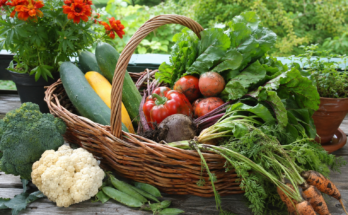
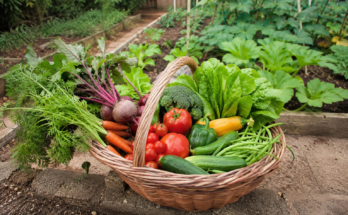
One of the biggest benefits of home gardening is having access to fresh food. Vegetables and herbs can be picked when they are ready to eat, which makes them a convenient addition to daily meals. Fresh tomatoes, cucumbers, spinach, carrots, lettuce, peppers, and herbs can provide important nutrients while adding natural flavor to food.
When fresh vegetables are available at home, people may be more likely to include them in their meals. Instead of relying heavily on packaged foods, they can prepare salads, soups, sandwiches, vegetable dishes, and fresh snacks using ingredients from their garden.
Homegrown produce can also introduce variety into a person’s diet. Growing different vegetables and herbs encourages people to try foods they may not normally purchase from a store. This can make healthy eating more interesting and enjoyable.
Encouraging More Vegetable Consumption
Many people struggle to eat enough vegetables during the day. Home gardening can help solve this problem by making vegetables more visible and accessible. When a garden is producing fresh food, there is a natural reason to include those vegetables in meals.
For example, someone growing lettuce may decide to prepare a fresh salad for lunch. A person growing tomatoes might add them to sandwiches or make a homemade tomato sauce. Fresh herbs such as mint, coriander, basil, and parsley can make healthy meals more flavorful without depending on excessive salt or heavy sauces.
The simple availability of homegrown vegetables can therefore encourage healthier eating habits. When nutritious food is close at hand, choosing it can become easier.
Creating a Connection With Food
Modern lifestyles often separate people from the process of producing food. Many people buy vegetables from stores without thinking about how they are grown. Home gardening changes this experience. Planting a seed and watching it develop into a vegetable helps people understand where food comes from.
This connection can make food feel more valuable. Gardeners often appreciate their produce because they have invested time and effort into growing it. As a result, they may be less likely to waste food and more likely to enjoy meals made with fresh ingredients.
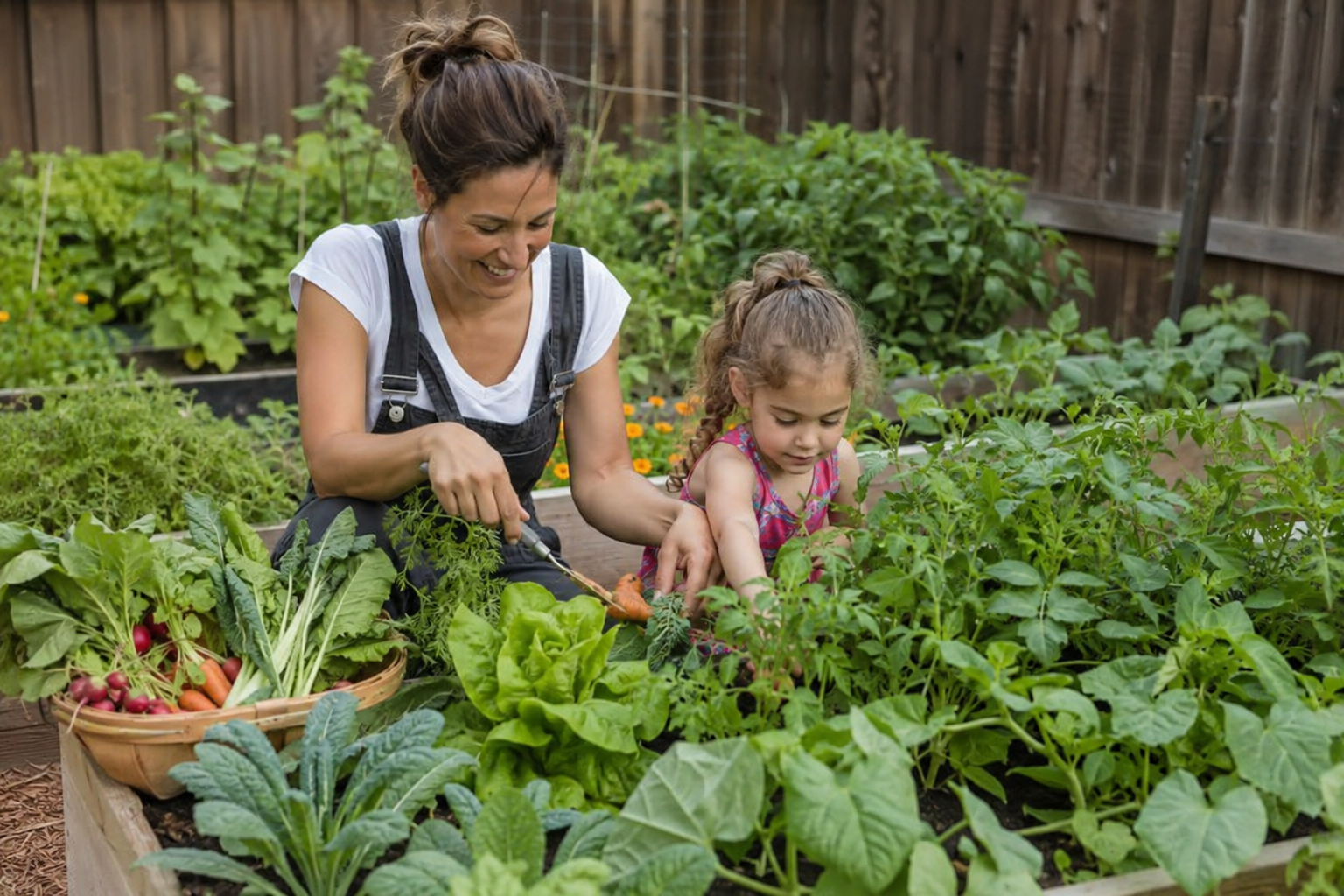
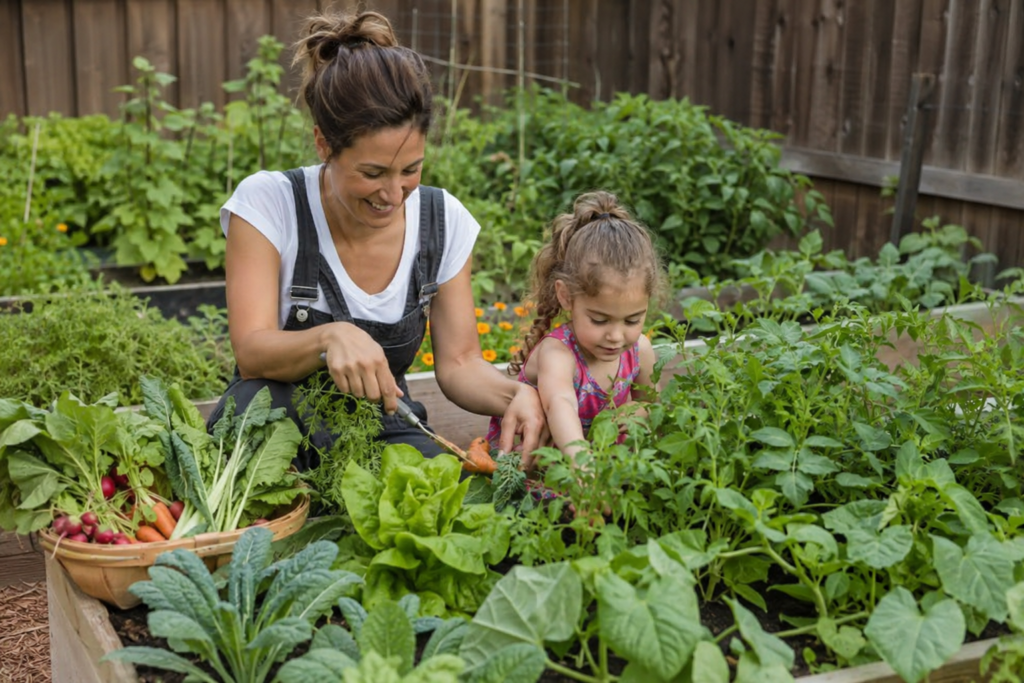
Children can also benefit from this experience. When children help plant seeds, water plants, and harvest vegetables, they can develop a positive attitude toward fresh foods. Gardening can make vegetables feel exciting rather than boring.
Making Healthy Food More Enjoyable
Healthy eating does not have to be difficult or boring. Home gardening can make nutritious food more enjoyable because gardeners can choose what they want to grow and experiment with different recipes.
Imagine picking fresh tomatoes from your garden and using them in a homemade salad. Fresh lettuce can become the base of a colorful meal, while herbs can add flavor to vegetables, rice, eggs, or grilled foods. When food comes directly from the garden, preparing meals can become a rewarding activity.
The freshness of homegrown produce can also improve the taste of meals. Freshly harvested vegetables often have a natural flavor and texture that can make healthy dishes more appealing.
Reducing Dependence on Processed Foods
Processed foods are convenient, but many highly processed products contain large amounts of added sugar, salt, unhealthy fats, and calories. Home gardening can encourage people to prepare more meals using fresh ingredients.
When vegetables and herbs are available at home, people may become more interested in cooking. Preparing food from fresh ingredients can make it easier to control what goes into a meal. Gardeners can choose simple ingredients and create meals that fit their personal health goals.
This does not mean processed foods must be completely avoided. Instead, home gardening can help create a healthier balance by increasing the amount of fresh food in the diet.
Teaching Healthy Eating Habits to Children
Home gardening can be a useful way to teach children about nutrition. Children are naturally curious, and watching plants grow can turn healthy eating into an interesting experience.
Parents can involve children in simple gardening activities such as planting seeds, watering plants, removing weeds, and collecting vegetables. After harvesting, children can help wash and prepare the produce.
This experience can make children more willing to taste vegetables. They may feel proud when they eat something they helped grow. Over time, this can support positive eating habits that continue into adulthood.
Gardening also teaches children that healthy food requires time, patience, and care. These lessons can help them develop greater appreciation for fresh food.
Encouraging Better Meal Planning
Having a home garden can also encourage better meal planning. When gardeners know which vegetables are growing, they can plan meals around their available produce.
For example, if the garden has plenty of spinach, tomatoes, and peppers, a family can plan meals that use these ingredients. This can reduce unnecessary food purchases and encourage people to prepare meals at home.
Meal planning can also make healthy eating easier during busy days. Fresh vegetables can be washed, prepared, and stored so they are ready to use. Having healthy ingredients available can reduce the temptation to order fast food or choose unhealthy snacks.
Supporting Mindful Eating
Home gardening encourages people to pay more attention to food. Gardening itself requires patience and observation. People notice how plants grow, when vegetables become ready to harvest, and how different growing conditions affect their food.
This awareness can continue when eating. Gardeners may pay more attention to the taste, texture, freshness, and quality of their meals. This can support mindful eating, which involves being more aware of what and how much you eat.
When people slow down and appreciate their food, meals can become more satisfying. This may help them make thoughtful choices instead of eating automatically.
Growing Herbs for Healthier Flavor
Herbs are especially useful for people who want to improve their healthy eating habits. Fresh herbs can add strong natural flavors to meals without requiring large amounts of salt, sugar, or heavy sauces.
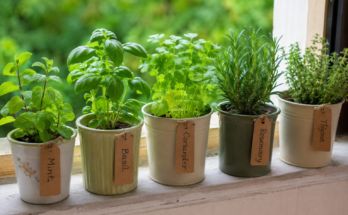
Basil, mint, coriander, parsley, rosemary, and other herbs can be grown in small containers. Even people without a backyard can keep a small herb garden near a sunny window or on a balcony.
Using fresh herbs can make simple meals more exciting. Vegetables, soups, salads, eggs, rice, and homemade sauces can all benefit from fresh herbs.
Saving Money While Eating Better
Home gardening can also support healthy eating by making fresh produce more affordable over time. Seeds and basic gardening supplies can be relatively inexpensive, especially when vegetables are grown successfully over several seasons.
When people grow some of their own food, they may spend less on certain vegetables and herbs. The money saved can be used to purchase other nutritious foods such as fruits, whole grains, beans, nuts, or quality protein sources.
However, gardening does require time, water, care, and patience. The main benefit is not simply saving money but creating regular access to fresh food.
Making Healthy Eating a Lifestyle
The greatest benefit of home gardening is that it can turn healthy eating from a temporary goal into a lifestyle. Instead of following a strict diet for a short period, people can develop everyday habits centered around fresh and nutritious foods.
Gardening creates a routine. Plants need regular care, and harvested vegetables need to be used. This routine can naturally encourage cooking, meal planning, and greater vegetable consumption.
Even a small garden can make a difference. A few pots of herbs, tomatoes, peppers, or leafy greens can provide fresh ingredients and inspire healthier meals.
Conclusion
Home gardening can encourage healthy eating by making fresh food accessible, enjoyable, and meaningful. Growing vegetables, fruits, and herbs creates a stronger connection between people and the food they eat. It can increase vegetable consumption, encourage home cooking, reduce dependence on highly processed foods, and teach children valuable lessons about nutrition.
A home garden does not need to be large to provide these benefits. A few containers on a balcony or a small garden area can be enough to begin. The important thing is to start with simple plants and enjoy the process.
When people grow their own food, they gain more than fresh produce. They develop an appreciation for nutritious ingredients and create opportunities to make healthier choices every day. Home gardening can therefore be a simple and rewarding way to support healthy eating and build a healthier lifestyle.