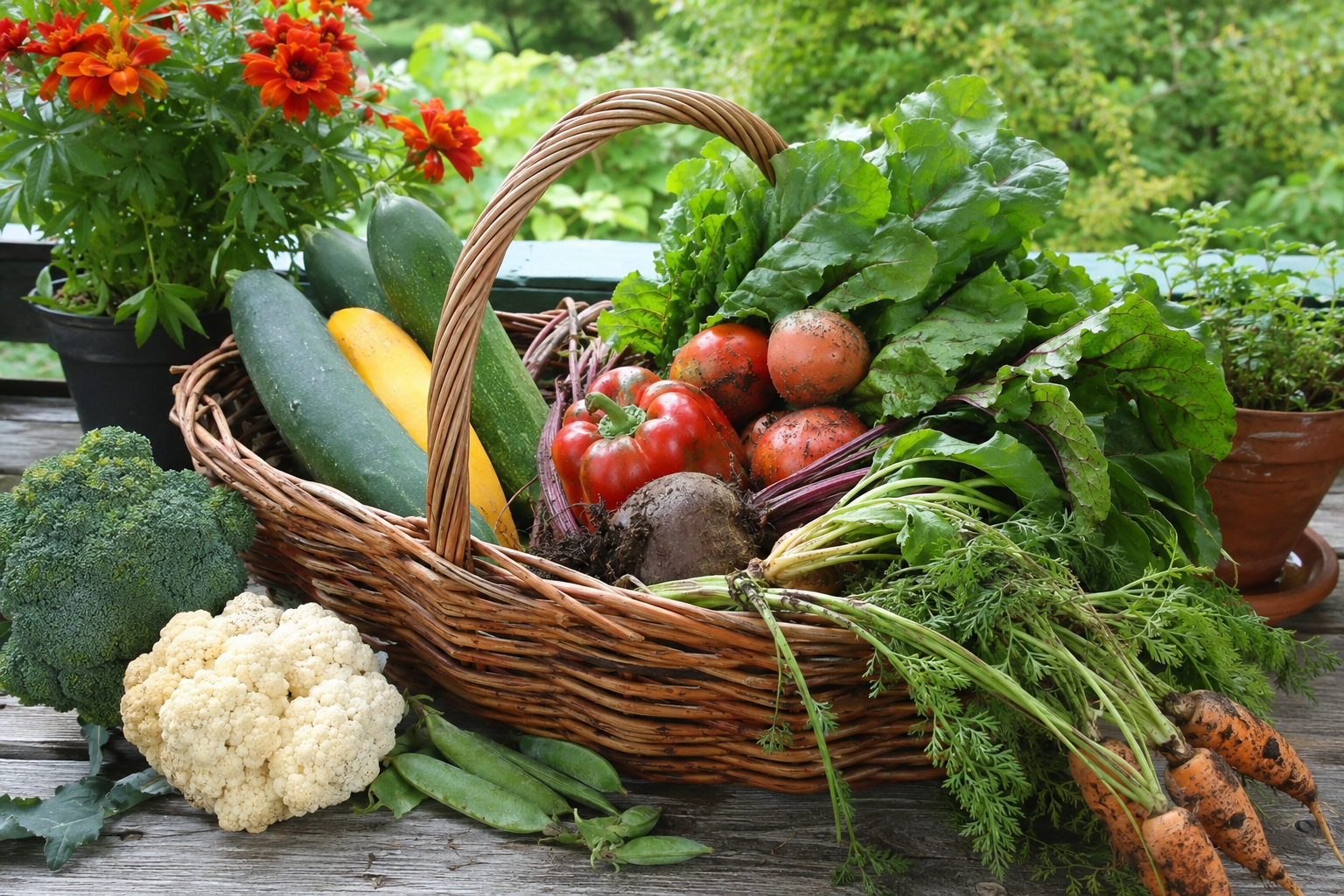
Growing organic fruits and vegetables at home is a simple and rewarding way to enjoy fresh food while creating a healthier lifestyle. Many people are becoming more interested in organic gardening because they want to know where their food comes from and how it is grown. A home garden gives you the opportunity to grow fresh produce using natural methods and reduce your dependence on store bought vegetables and fruits.
Organic home gardening can also become an enjoyable hobby for the whole family. From planting small seeds to picking fresh vegetables, every stage provides a chance to learn something useful. Whether you have a large backyard, a small garden, or only a few containers on a balcony, you can grow many types of organic produce at home.
What Is Organic Home Gardening
Organic home gardening means growing plants with natural methods instead of relying heavily on synthetic fertilizers and chemical pesticides. Organic gardeners usually improve the soil with natural compost, use healthy planting practices, and encourage beneficial insects to protect plants.
The main goal of organic gardening is to create a healthy environment where plants can grow naturally. Healthy soil produces strong plants, and strong plants are often better able to handle common garden problems. With some basic knowledge and regular care, almost anyone can start growing organic fruits and vegetables at home.
Fresh and Nutritious Food
One of the biggest benefits of growing organic fruits and vegetables at home is having access to fresh food. Vegetables picked directly from your garden can go from the soil to your kitchen in a very short time. This means you can enjoy produce when it is fresh and ready to eat.
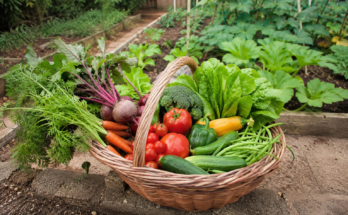
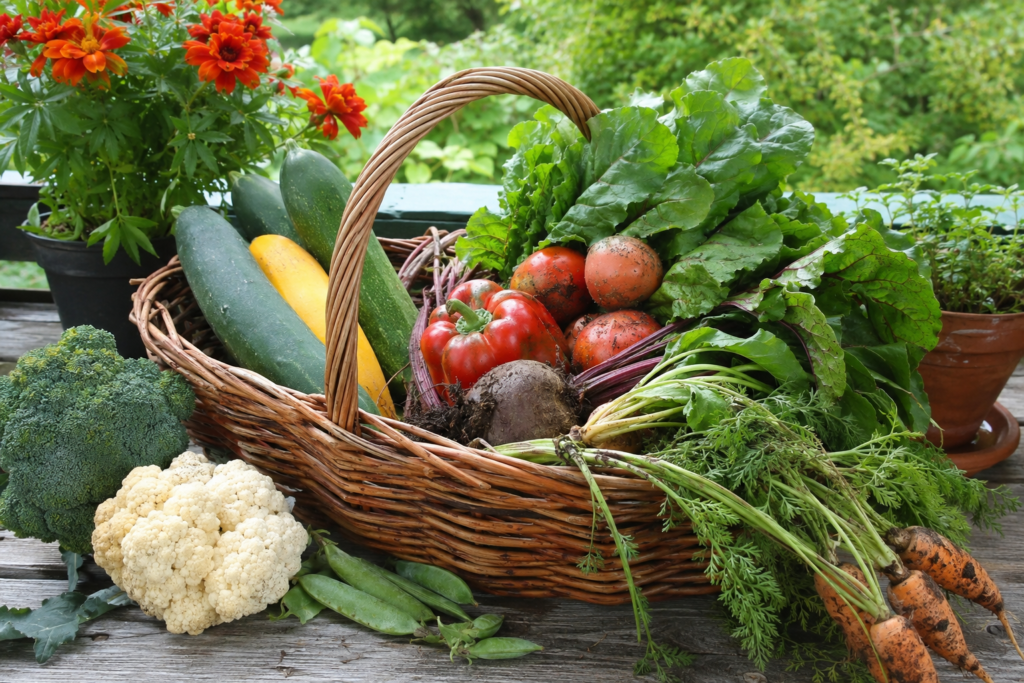
Fresh vegetables such as tomatoes, spinach, carrots, cucumbers, peppers, and lettuce can become an important part of daily meals. You can also grow fruits such as strawberries, lemons, berries, and other varieties depending on your climate and available space.
When you grow your own food, you also have greater control over the way it is produced. You can choose natural gardening methods and avoid unnecessary chemical treatments. This can give you greater confidence in the food you serve to your family.
Better Control Over Growing Methods
When you buy fruits and vegetables from a store, you may not always know exactly how they were grown. Growing food at home gives you direct control over your gardening methods.
You can choose natural compost, organic seeds, natural soil improvements, and environmentally friendly pest control methods. You can also decide how much water and fertilizer your plants receive.
This control is especially useful for people who want to follow an organic lifestyle. Instead of simply trusting a label, you can personally take care of your plants and understand the entire growing process.
Saves Money Over Time
Starting a home garden requires some basic supplies, but it can save money over time. Seeds can produce many plants, and some vegetables can continue producing for several weeks or months.
For example, a single tomato plant can provide a useful supply of tomatoes throughout the growing season. Herbs such as mint, basil, coriander, and parsley can also be grown easily and harvested whenever needed.
Instead of buying small packages of herbs and vegetables regularly, you can collect what you need from your garden. This can reduce grocery expenses, especially during the growing season.
Encourages Healthy Eating
Growing organic fruits and vegetables at home can encourage people to eat healthier meals. When fresh produce is easily available, it becomes easier to include vegetables and fruits in everyday food.
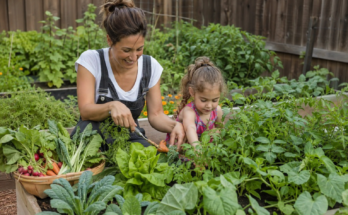
Children can also become more interested in healthy eating when they participate in gardening. They may enjoy eating vegetables that they helped plant, water, and harvest. Gardening can therefore turn healthy eating into a practical and enjoyable family activity.
A home garden can provide ingredients for salads, soups, sandwiches, vegetable dishes, smoothies, and many other healthy meals.
Reduces Exposure to Unwanted Chemicals
Another important benefit of organic gardening is the ability to reduce the use of synthetic chemicals in your garden. Organic gardeners often use natural approaches to improve soil and manage pests.
Methods such as composting, crop rotation, mulching, hand removal of pests, and planting beneficial flowers can support a healthier garden environment.
This does not mean that every organic garden will be completely free from pests or environmental contaminants. However, choosing natural gardening practices allows you to make informed decisions about what is used around your food plants.
Supports the Environment
Organic gardening can be beneficial for the environment when it is managed responsibly. Healthy soil contains microorganisms and other living organisms that support plant growth. Composting also allows kitchen scraps and garden waste to become useful material instead of being thrown away.
Growing food at home can also reduce the distance that some produce needs to travel before reaching your kitchen. A garden can provide fresh food directly outside your home.
Organic gardening can also create a welcoming environment for bees, butterflies, earthworms, and other beneficial organisms. Growing flowers alongside vegetables can help support pollinators and increase biodiversity in your garden.
Improves Soil Health
Healthy soil is one of the foundations of successful organic gardening. Instead of depending mainly on synthetic fertilizers, organic gardeners can improve soil with compost, aged manure, leaves, and other natural materials.
Adding organic matter can help improve soil structure and support beneficial soil organisms. Good soil can hold moisture while allowing enough air to reach plant roots.
Over time, caring for your soil can make your garden more productive. This creates a natural cycle where healthy soil supports healthy plants and plant remains can be returned to the soil through composting.
Provides Physical Activity
Gardening is also a simple way to stay physically active. Digging, planting, watering, weeding, carrying soil, and harvesting all involve movement.
Regular gardening can help people spend more time outdoors instead of sitting indoors for long periods. It can involve gentle physical activity that can be adjusted according to a person’s abilities and available space.
Even a small container garden can require regular movement and care. Spending a little time each day looking after plants can become a useful part of an active lifestyle.
Supports Mental Wellbeing
Growing organic fruits and vegetables can also be a relaxing hobby. Spending time around plants gives people an opportunity to step away from screens and busy routines.
Gardening requires attention and patience. You need to observe plants, notice changes, water them, remove weeds, and wait for them to grow. These simple activities can provide a peaceful break from everyday responsibilities.
Seeing a seed develop into a healthy plant can also create a strong feeling of achievement. Harvesting food that you grew yourself can be especially satisfying.
Teaches Valuable Skills
Home gardening is an excellent way to learn practical skills. Gardeners learn about soil, seeds, sunlight, water, seasons, insects, plant growth, and food production.
Children can learn responsibility by caring for plants regularly. Adults can also develop new knowledge by experimenting with different crops and organic gardening techniques.
Gardening teaches patience because plants do not grow instantly. It also teaches that mistakes are part of learning. A plant may fail to grow, but the experience can help you make better choices during the next growing season.
Provides Fresh Herbs and Seasonal Produce
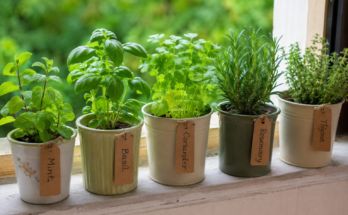
Herbs are among the easiest plants to grow at home. Basil, mint, coriander, parsley, rosemary, and other herbs can grow in containers or garden beds.
Fresh herbs can add flavor to meals without requiring large amounts. Having them close to the kitchen makes it convenient to harvest only what you need.
Seasonal vegetables can also provide variety throughout the year. By planning your garden according to the local growing season, you can enjoy different crops at different times.
Creates a Stronger Connection With Food
Modern life can make it easy to forget where food comes from. Growing organic fruits and vegetables at home creates a direct connection between people and the food they eat.
When you plant a seed and care for it until harvest, you understand the effort involved in producing food. This can encourage greater appreciation for farmers, natural resources, and the importance of reducing food waste.
Conclusion
Growing organic fruits and vegetables at home offers many benefits for individuals, families, and the environment. A home garden can provide fresh produce, encourage healthy eating, reduce grocery expenses, support physical activity, and create a relaxing outdoor hobby.
Organic gardening also gives you greater control over how your food is grown. By using natural soil improvements, composting, responsible watering, and natural pest management, you can create a productive and environmentally friendly garden.
You do not need a large backyard to begin. A few containers, suitable soil, good seeds, sunlight, and regular care can be enough to start. As your confidence grows, you can expand your garden and try different fruits, vegetables, and herbs.
The benefits of growing organic fruits and vegetables at home go beyond the harvest. Gardening can become a healthy daily habit that connects you with nature, improves your relationship with food, and makes fresh produce a natural part of your lifestyle.