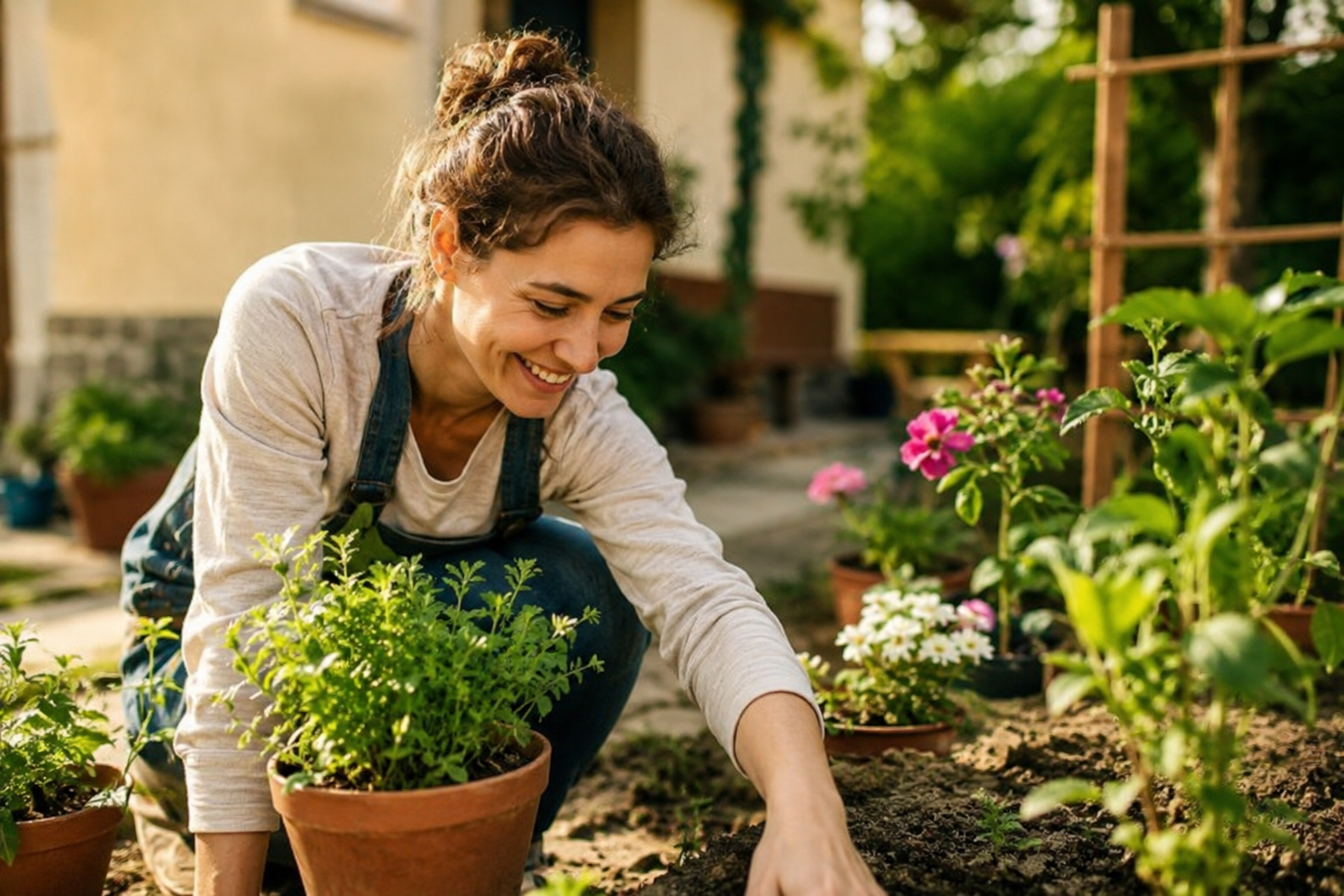
Gardening is more than a simple outdoor hobby. It is an enjoyable activity that can bring people closer to nature while giving them a peaceful way to spend their free time. Many people enjoy gardening because they love growing flowers, vegetables, herbs, and other plants. However, gardening can also have a positive effect on mood and emotional wellbeing. Spending time in a garden can help create a sense of calm, encourage physical activity, reduce everyday stress, and provide a feeling of achievement.
In today’s busy lifestyle, many people spend long hours working, studying, using technology, and dealing with daily responsibilities. This can sometimes leave the mind feeling tired and overwhelmed. Gardening provides an opportunity to step away from these pressures and focus on something simple and natural. Whether someone has a large backyard or a few pots on a balcony, gardening can become a meaningful part of a healthy lifestyle.
Gardening Can Help Reduce Everyday Stress
One of the main ways gardening can support a positive mood is by helping reduce everyday stress. When people work with plants, they often focus on simple tasks such as watering, planting, removing weeds, or preparing soil. These activities can encourage the mind to slow down and pay attention to the present moment.
Gardening gives people something positive to concentrate on instead of constantly thinking about work, responsibilities, or other worries. The peaceful environment of a garden can also make the experience more relaxing. Fresh air, natural surroundings, sunlight, and greenery can create a pleasant atmosphere that helps people feel more comfortable.
Even spending a short amount of time caring for plants can provide a useful break from a busy day. Instead of sitting indoors and looking at a screen, a person can go outside and spend time doing something productive and enjoyable.
Spending Time Around Nature Can Improve Mood
Nature has a special way of making people feel connected and relaxed. Gardening provides regular contact with plants, soil, flowers, trees, and fresh air. This connection with nature can support emotional wellbeing and create a more positive feeling.
Green spaces can make an environment feel more peaceful. Bright flowers can add beauty to a garden, while the growth of vegetables and herbs can give people something interesting to observe. Watching a small seed develop into a healthy plant can also create feelings of happiness and satisfaction.
For people who spend most of their day indoors, gardening can be an easy way to introduce more nature into everyday life. Even a small collection of indoor plants can make a living or working space feel more natural and welcoming.
Gardening Gives a Sense of Achievement
Another important benefit of gardening for a positive mood is the feeling of achievement it can provide. Growing plants requires patience and regular care. When a person sees new leaves, flowers, fruits, or vegetables developing, they can feel proud of the effort they have made.
Gardening teaches people that small actions can create meaningful results over time. A person may start with a few seeds and eventually enjoy a garden full of healthy plants. This progress can provide a strong sense of satisfaction.
The feeling of achievement does not have to come from having a perfect garden. Successfully keeping one plant healthy can be rewarding. Completing simple gardening tasks can also give people a reason to feel productive during the day.
Gardening Encourages Physical Activity
Gardening is also a useful form of light physical activity. Digging soil, planting flowers, carrying small containers, watering plants, sweeping outdoor areas, and removing weeds all involve movement. These activities can help people stay active while enjoying time outdoors.
Physical activity is closely connected with emotional wellbeing. Moving the body can help people feel more energetic and refreshed. Gardening can be especially appealing to people who do not enjoy traditional workouts because it does not feel like a formal exercise routine.
A person can choose gardening activities based on their comfort and ability. Simple tasks such as watering plants or caring for pots can provide movement without requiring a demanding workout. More active gardening tasks can provide additional physical activity for people who enjoy them.
Gardening Can Encourage Mindfulness
Mindfulness means paying attention to the present moment instead of becoming lost in constant thoughts about the past or future. Gardening can naturally encourage this type of attention.
When planting a seed, a person may focus on the texture of the soil. While watering plants, they may notice the sound of water and the appearance of the leaves. While removing weeds, they may concentrate on the task in front of them.
This simple focus can provide a mental break from distractions. Gardening does not require people to think about everything at once. Instead, it encourages attention toward one small task.
For this reason, gardening can become a relaxing daily routine. Spending even a few minutes caring for plants can create a peaceful moment during a busy schedule.
Growing Food Can Create Positive Feelings
Growing vegetables, herbs, or fruits can make gardening even more rewarding. When people grow their own food, they can experience the satisfaction of watching something develop from a seed into something they can use.
Growing food can also encourage healthier eating habits. Fresh herbs and vegetables from a home garden can become part of nutritious meals. Preparing food with ingredients grown personally can make eating feel more enjoyable and meaningful.
The process also teaches patience. Plants do not grow instantly, so gardeners learn to wait, care for their plants, and appreciate gradual progress. This can encourage a more patient and positive attitude toward other areas of life.
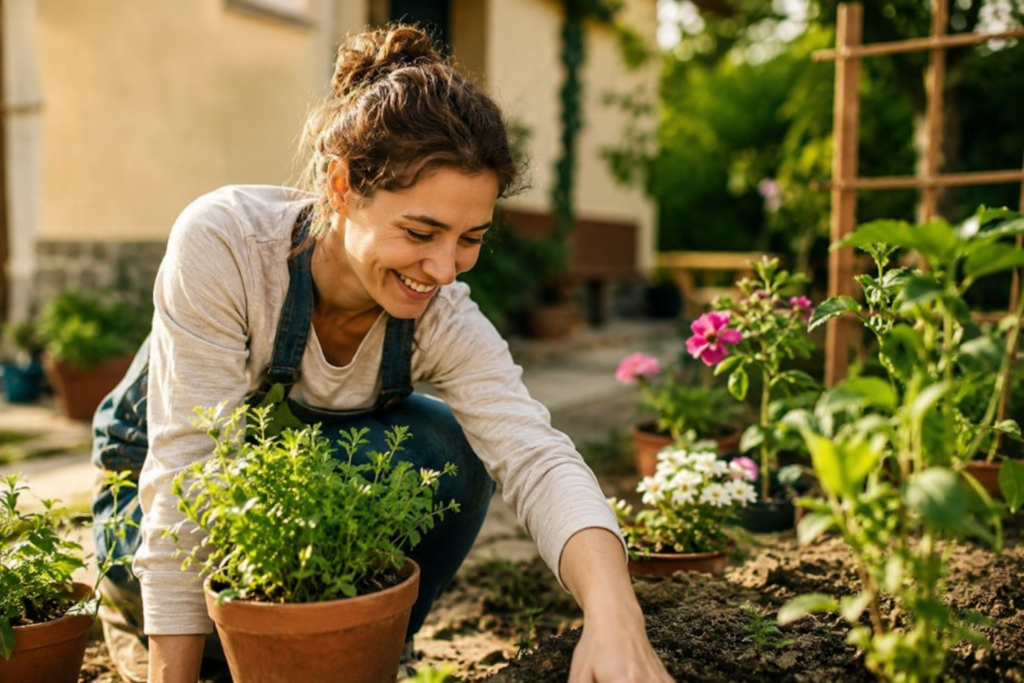
Gardening Can Provide a Healthy Routine
Having a regular routine can help people feel organized and productive. Gardening can become a simple activity that gives structure to the day or week.
For example, someone may water plants in the morning, check vegetables in the afternoon, or spend time removing weeds during the weekend. These small routines can create a sense of purpose.
A healthy routine can be especially useful when life feels repetitive or stressful. Gardening gives people a practical reason to go outside and complete a task. The garden itself provides ongoing responsibilities, but they can often feel enjoyable rather than burdensome.
Gardening Can Support Social Connection
Gardening does not always have to be a solo activity. People can garden with family members, friends, neighbors, or community groups. Working together in a garden can create opportunities for conversation and shared experiences.
Parents can teach children how to plant seeds and care for vegetables. Friends can exchange gardening ideas or share plants. Neighbors can discuss flowers, herbs, or seasonal growing tips.
These social connections can support a positive mood because people often feel better when they have opportunities to communicate and spend quality time with others. Gardening can provide a natural reason to connect without the pressure of formal social activities.
Caring for Plants Can Teach Patience
Plants grow according to their own natural schedule. Gardeners cannot force a seed to become a mature plant overnight. They need to provide water, sunlight, suitable soil, and regular care while waiting for results.
This process can teach patience and acceptance. Sometimes plants grow quickly, while other times they face problems such as insects, weather changes, or poor soil. Learning to deal with these challenges can help people develop a more balanced attitude.
Gardening reminds people that progress does not always happen immediately. This lesson can be useful beyond the garden because many personal goals also require time and consistent effort.
Gardening Can Create a Peaceful Personal Space
A garden can become a personal place for relaxation. A small outdoor area with flowers, plants, and comfortable seating can provide a peaceful space where someone can read, drink tea, or simply enjoy the surroundings.
People who do not have a backyard can create a similar experience with balcony plants, container gardens, window boxes, or indoor plants. The goal is not to create a large garden. The goal is to create a space that feels pleasant and calming.
A personal garden space can become a place to take a break from screens, noise, and daily responsibilities.
Simple Ways to Use Gardening for a Better Mood
People who want to use gardening to support a positive mood can start with simple activities. There is no need to spend a lot of money or create a large garden.
Start with a few easy to care for plants. Choose flowers, herbs, or vegetables that are suitable for the local environment. Spend a few minutes each day checking the plants and giving them the care they need.
It can also help to make gardening enjoyable rather than turning it into another stressful responsibility. Listen to peaceful music, invite a family member to join, or simply enjoy the outdoor environment while working.
Most importantly, focus on the experience rather than trying to create a perfect garden.
Conclusion
Gardening can support a positive mood in many simple and enjoyable ways. It can reduce everyday stress, encourage physical activity, provide contact with nature, and create a sense of achievement. Caring for plants can also encourage mindfulness, patience, healthy routines, and social connection.
You do not need a large yard or professional gardening skills to experience these benefits. A few pots on a balcony or several indoor plants can provide a starting point. What matters most is spending time caring for something living and allowing yourself to enjoy the process.
In a busy world, gardening offers a simple opportunity to slow down, get outside, move your body, and appreciate nature. By making gardening part of a regular lifestyle, many people can create more peaceful moments and develop a healthier, more positive relationship with their daily lives.