A healthy daily diet is one of the most important parts of maintaining a healthy lifestyle. Fresh vegetables provide essential vitamins, minerals, fiber, antioxidants, and other nutrients that help the body function properly. However, many people do not eat enough vegetables because of busy schedules, limited choices, or a lack of fresh produce at home. Starting a vegetable garden can be a simple and rewarding way to change this habit. When fresh vegetables are growing just outside your home, it becomes easier and more enjoyable to include them in everyday meals.
A vegetable garden does more than provide food. It can change the way you think about healthy eating and encourage better food choices. Growing your own vegetables gives you direct access to fresh produce and helps you understand where your food comes from. It can also make healthy meals more exciting because you can choose vegetables based on what is ready to harvest.
Fresh Vegetables Are Always Available
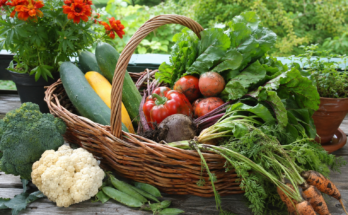
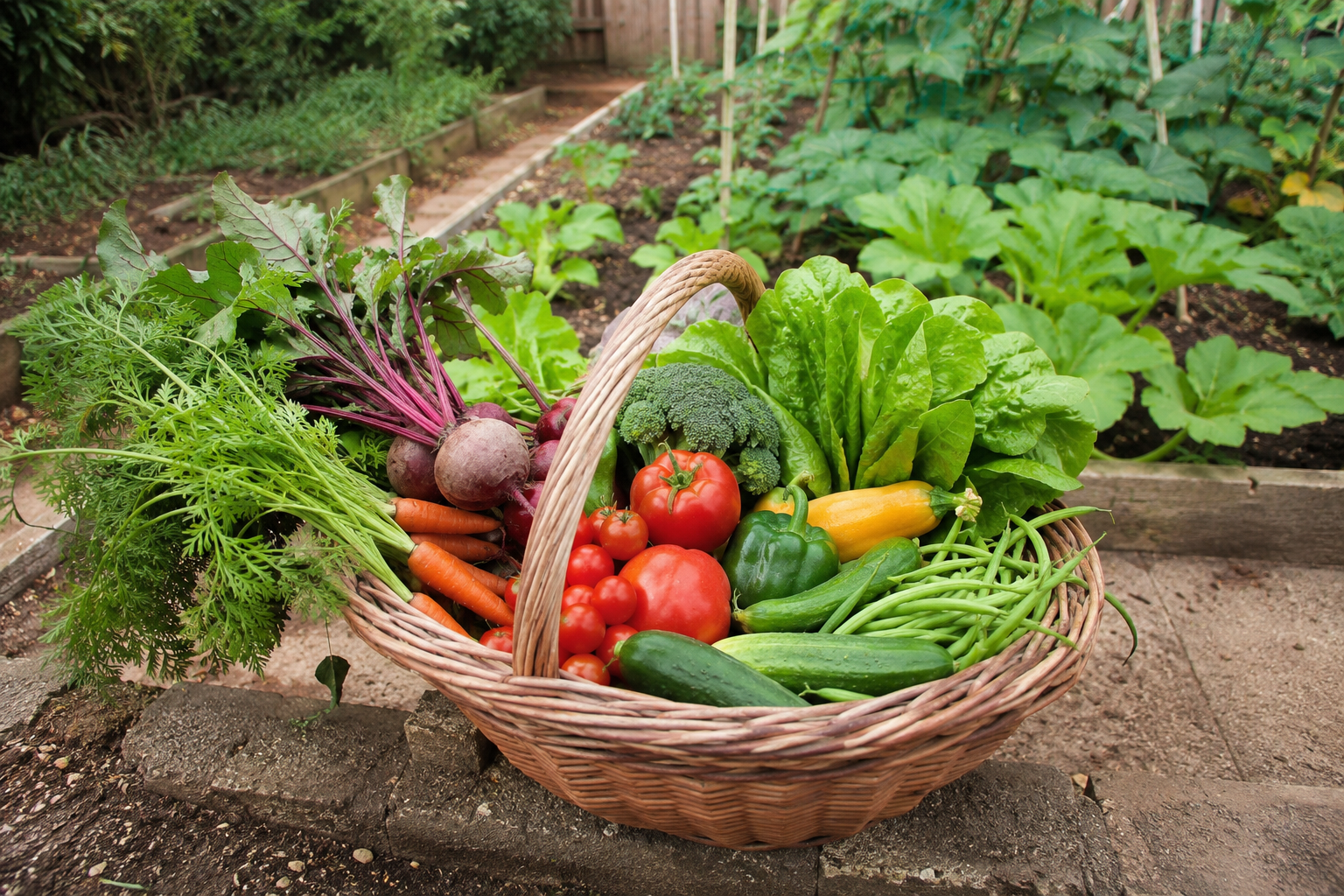
One of the biggest benefits of having a vegetable garden is easy access to fresh vegetables. Instead of waiting for a shopping trip, you can simply walk into your garden and collect vegetables when you need them. Freshly harvested tomatoes, cucumbers, carrots, spinach, lettuce, peppers, and other vegetables can become part of your daily meals.
Having vegetables nearby can encourage you to eat them more often. When healthy food is convenient, it becomes easier to make nutritious choices. You may be more likely to prepare a fresh salad for lunch, add vegetables to dinner, or include garden produce in a healthy snack.
Fresh vegetables also bring variety to your diet. You can grow different types of produce throughout the year and enjoy a wider selection of foods without depending entirely on what is available at local stores.
A Vegetable Garden Encourages Healthier Food Choices
Growing your own food can change your relationship with eating. When you spend time planting seeds, watering plants, removing weeds, and watching vegetables grow, you develop a stronger connection with your food. This connection can encourage you to make healthier choices.
For example, someone who grows tomatoes may become more interested in making fresh tomato salads, homemade sauces, or vegetable sandwiches. A person growing leafy greens may start adding spinach or lettuce to more meals. The effort involved in gardening can make fresh food feel more valuable and enjoyable.
A vegetable garden can also reduce the temptation to depend on highly processed foods. When fresh vegetables are available at home, they can become an easy alternative to packaged snacks and fast food.
More Fiber for Better Digestion
Vegetables are an important source of dietary fiber. Fiber supports healthy digestion and can help you feel satisfied after meals. Many common garden vegetables contain useful amounts of fiber, including carrots, peas, beans, broccoli, leafy greens, and squash.
Adding more vegetables to your daily diet can help increase your overall fiber intake. Instead of relying heavily on refined or processed foods, you can create meals that include fresh vegetables as an important part of the plate.
A diet with enough fiber is also useful for maintaining regular digestion. Drinking enough water while eating a fiber rich diet is important as well.
Important Vitamins and Minerals
Vegetables provide many nutrients that the body needs every day. Different vegetables contain different combinations of vitamins and minerals, which is why eating a variety of produce is important.
Leafy green vegetables can provide nutrients such as vitamin K and folate. Carrots are known for their beta carotene content, which the body can convert into vitamin A. Tomatoes provide vitamin C and other beneficial plant compounds. Peppers can also contribute vitamin C to the diet.
Growing different vegetables in your garden allows you to enjoy a broad range of nutrients. Instead of focusing on one type of vegetable, you can create a garden with several varieties and use them in different meals.
Fresh Produce Can Make Meals More Enjoyable
Healthy eating does not have to be boring. Fresh vegetables can add color, flavor, texture, and variety to everyday meals. A garden can inspire you to experiment with new recipes and cooking methods.
You can use fresh vegetables to prepare salads, soups, sandwiches, vegetable rice, pasta dishes, omelets, wraps, and homemade side dishes. Garden herbs can also add natural flavor to meals and may reduce the need for heavy sauces or excessive amounts of salt.
The freshness of homegrown vegetables can make simple meals feel special. A plate of freshly picked tomatoes, cucumbers, lettuce, and herbs can become a satisfying meal when combined with other nutritious foods.
Gardening Can Help Reduce Dependence on Processed Foods
Processed foods are often convenient, but many packaged foods can contain high amounts of added sugar, sodium, or unhealthy fats. While processed foods can sometimes be part of a balanced diet, eating too many of them may make it harder to maintain healthy eating habits.
A home vegetable garden provides an alternative. When fresh produce is readily available, you have more opportunities to prepare meals from basic ingredients.
For example, instead of buying a packaged snack, you could prepare sliced cucumbers and carrots with a homemade dip. Instead of relying on a ready made side dish, you can cook fresh vegetables from your garden. These small changes can gradually improve your daily diet.
Home Gardening Can Encourage Seasonal Eating
Vegetable gardening naturally encourages seasonal eating. Different vegetables grow best during different times of the year. Learning about growing seasons can help you understand which foods are naturally available at different times.
Seasonal vegetables can bring variety to your meals. You may enjoy leafy greens during one season, tomatoes and peppers during another, and root vegetables during cooler months.
Eating according to the growing season can also make meals more interesting because your available ingredients change throughout the year. This encourages creativity and prevents your diet from becoming repetitive.
Growing Vegetables Can Teach Portion and Meal Balance
A vegetable garden can also help you understand the importance of building balanced meals. When you have plenty of fresh vegetables available, you may naturally begin to give them more space on your plate.
A balanced meal can include vegetables along with a source of protein, whole grains, and healthy fats. Garden vegetables can become an important part of this combination.
For example, you might prepare grilled chicken with roasted garden vegetables and brown rice. Another meal could include beans, fresh tomatoes, lettuce, cucumbers, and whole grain bread. These simple combinations can support a nutritious daily eating routine.
Gardening Can Influence the Whole Family
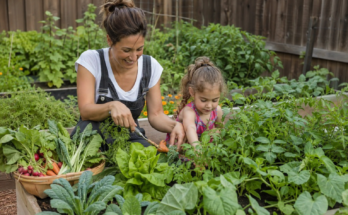
A vegetable garden can benefit more than one person. Families can work together to grow and harvest vegetables. Children can learn about plants and food while becoming more familiar with fresh produce.
When children participate in growing vegetables, they may become more interested in tasting foods they helped produce. Gardening can turn healthy eating into a family activity instead of something that feels like a rule.
Parents can also use garden vegetables to introduce children to different flavors and textures. This can help develop a broader appreciation for nutritious foods.
Homegrown Food Can Encourage Mindful Eating
Gardening encourages people to slow down and pay attention to food. You see a small seed develop into a plant and eventually produce something that can be eaten. This process can increase appreciation for fresh food.
When you harvest vegetables yourself, you may also become more aware of how much food you use and waste. This awareness can encourage more thoughtful meal planning.
Mindful eating involves paying attention to what you eat, how much you eat, and how food makes you feel. A vegetable garden can support this mindset by making food preparation and eating feel more connected to everyday life.
You Can Start With a Small Garden
You do not need a large yard to improve your daily diet through gardening. A small garden can produce useful amounts of fresh vegetables. Even containers on a balcony, terrace, or sunny outdoor space can be enough for certain plants.
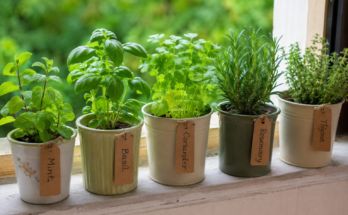
Beginners can start with easy vegetables such as lettuce, spinach, radishes, tomatoes, green beans, or herbs. As gardening skills improve, you can add more varieties.
The goal is not to grow every vegetable you eat. Even producing a small amount of fresh food can encourage healthier eating habits.
Conclusion
A vegetable garden can be a practical way to improve your daily diet. It provides convenient access to fresh produce, encourages healthier food choices, increases dietary variety, and makes nutritious meals more enjoyable. Homegrown vegetables can provide important vitamins, minerals, fiber, and beneficial plant compounds while helping reduce dependence on highly processed foods.
Growing vegetables also creates a stronger connection between food and everyday life. When you plant, care for, harvest, and prepare your own produce, healthy eating can become a natural part of your routine.
Whether you have a large backyard or only a few containers, starting a vegetable garden can be a valuable step toward a healthier lifestyle. By adding fresh vegetables to your meals regularly and enjoying a variety of homegrown foods, you can make your daily diet more nutritious, colorful, and satisfying.