Adding plants to your bedroom is one of the simplest and most effective ways to transform a plain space into a calming, stylish retreat. Beyond their visual appeal, houseplants can improve air quality, reduce stress, and create a cozy, nature-inspired atmosphere that helps you unwind after a long day. This complete guide covers everything you need to know about choosing, styling, and caring for bedroom plants.
Why Add Plants to Your Bedroom?
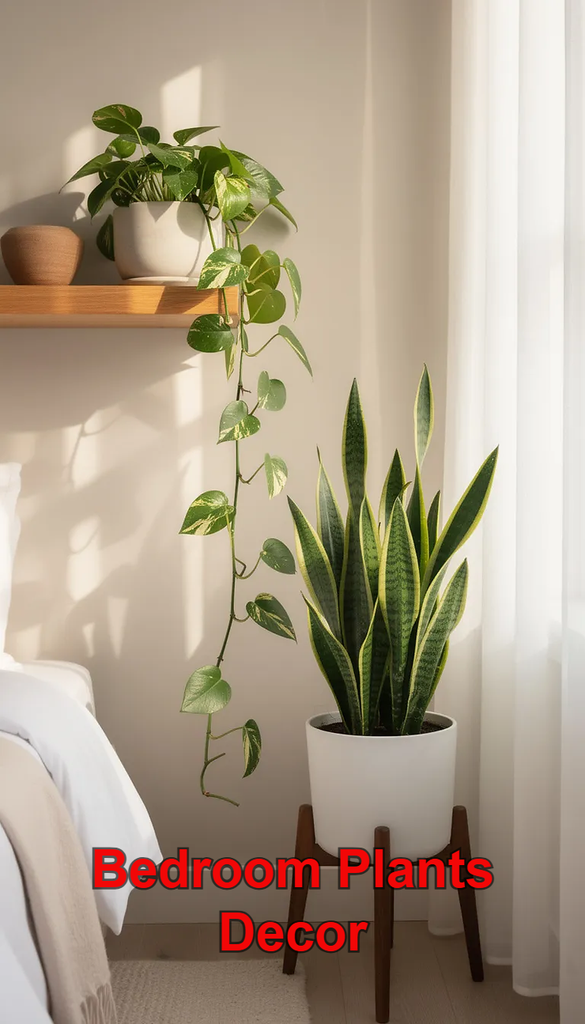
Plants do more than fill empty corners. They soften harsh lines in modern furniture, add texture and color, and bring a sense of life into a room that’s often overlooked when it comes to decorating. Many people focus their decor efforts on living rooms and kitchens, leaving the bedroom as an afterthought—plants are an easy way to correct that.
Benefits of Bedroom Plants Beyond Aesthetics
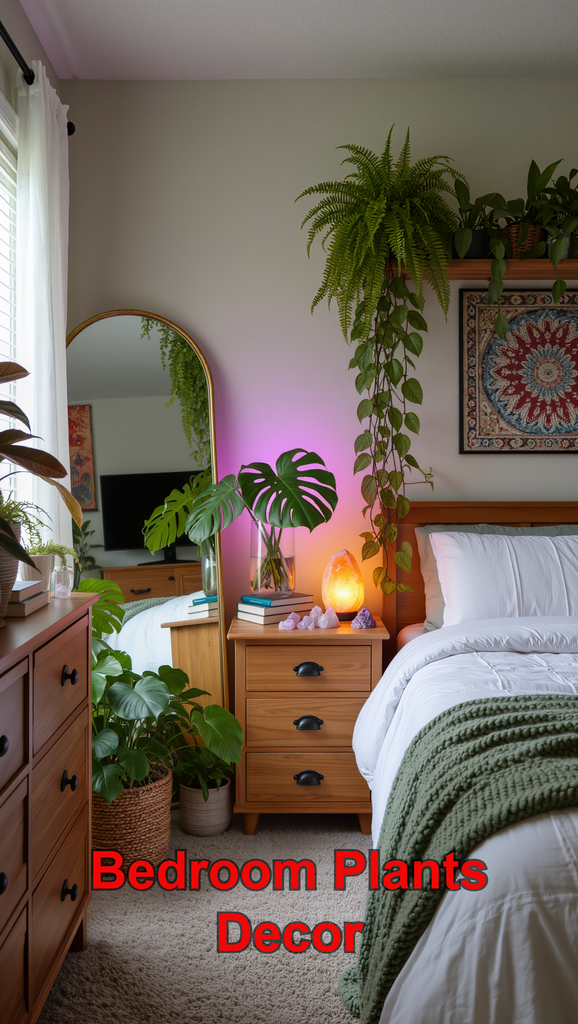
Houseplants offer several practical advantages that make them worth the investment:
- Improved air quality: Many plants filter out common indoor toxins.
- Better sleep environment: Certain plants release oxygen at night, promoting restful sleep.
- Stress reduction: Greenery has been shown to have a calming psychological effect.
- Humidity regulation: Plants naturally add moisture to dry indoor air.
- Enhanced focus: A green environment can improve concentration and mood.
Choosing the Right Plants for Low-Light Bedrooms
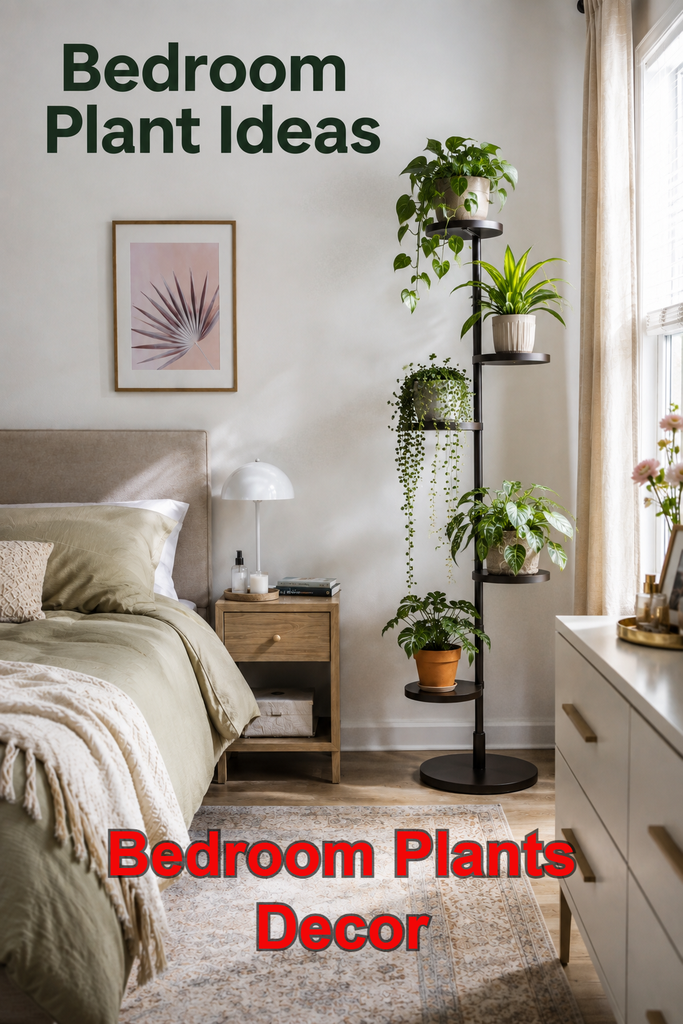
Most bedrooms don’t get the same direct sunlight as a living room or kitchen, so choosing low-light tolerant plants is essential. Some of the best options include:
- Snake plant
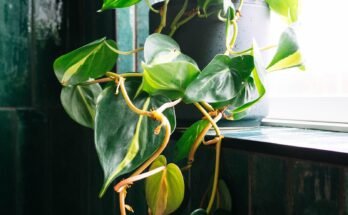
- Pothos
- ZZ plant
- Peace lily
- Cast iron plant
These varieties thrive with minimal sunlight and are forgiving for beginners who may forget a watering day or two.
Best Plants for Bright, Sunny Bedrooms
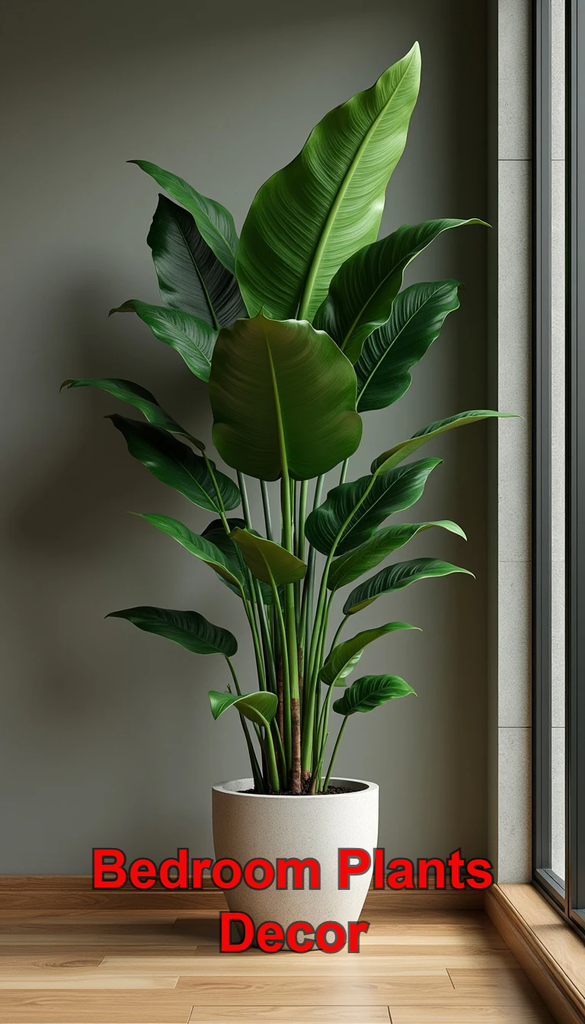
If your bedroom has large windows or gets plenty of natural light, you have more flexibility with your plant choices. Consider vibrant options like succulents, aloe vera, fiddle leaf figs, or rubber plants, which need more direct sunlight to flourish and can become stunning focal points in a bright room.
Air-Purifying Plants for Better Sleep
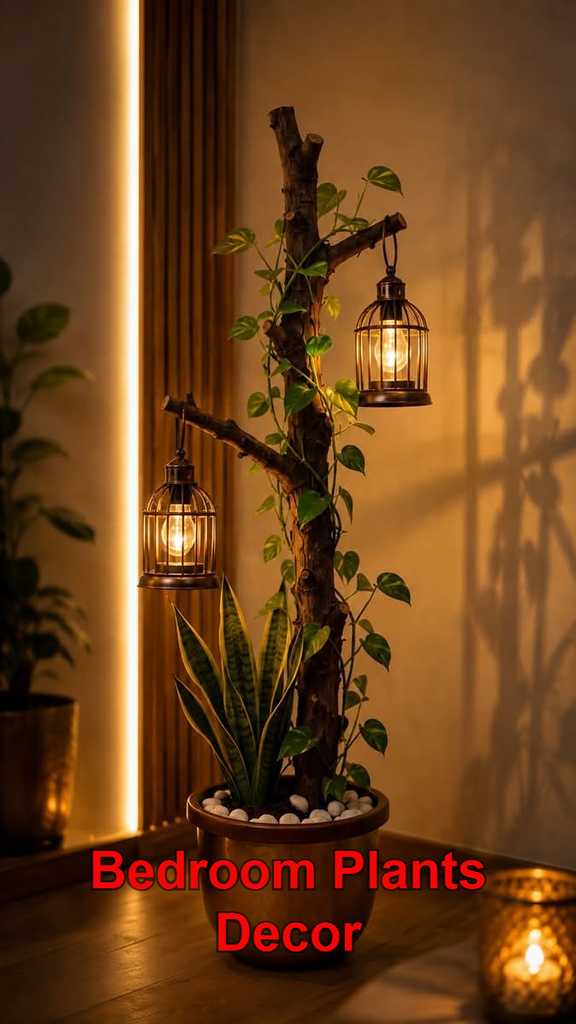
Certain plants are especially well-suited for bedrooms because of their ability to purify air and support better sleep quality. Lavender is known for its calming scent, while snake plants and aloe vera release oxygen during the night, unlike most plants that do so during the day. Adding one or two of these near your bed can subtly enhance your sleep environment.
Styling Plants on a Nightstand
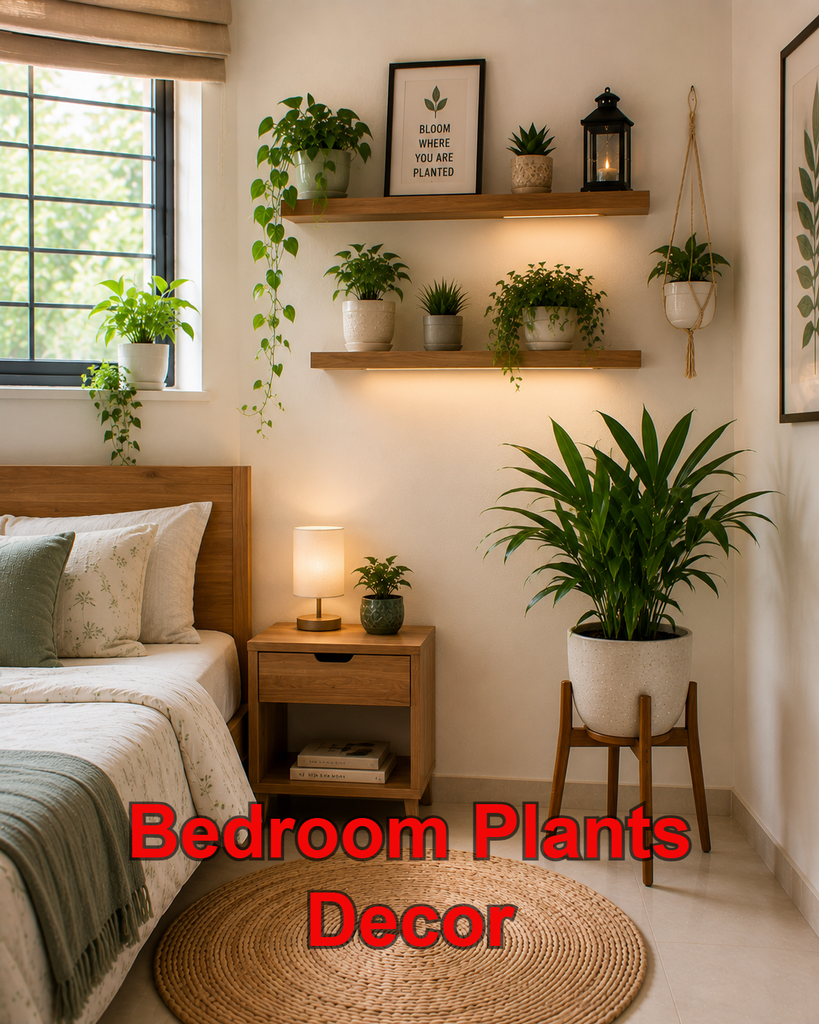
A small potted plant on your nightstand is an easy way to add greenery without taking up much space. Choose compact plants like succulents, small pothos cuttings, or air plants that fit neatly in a decorative pot. Pair them with a stylish planter that matches your bedroom’s color palette for a cohesive look.
Creating a Plant Corner or Reading Nook
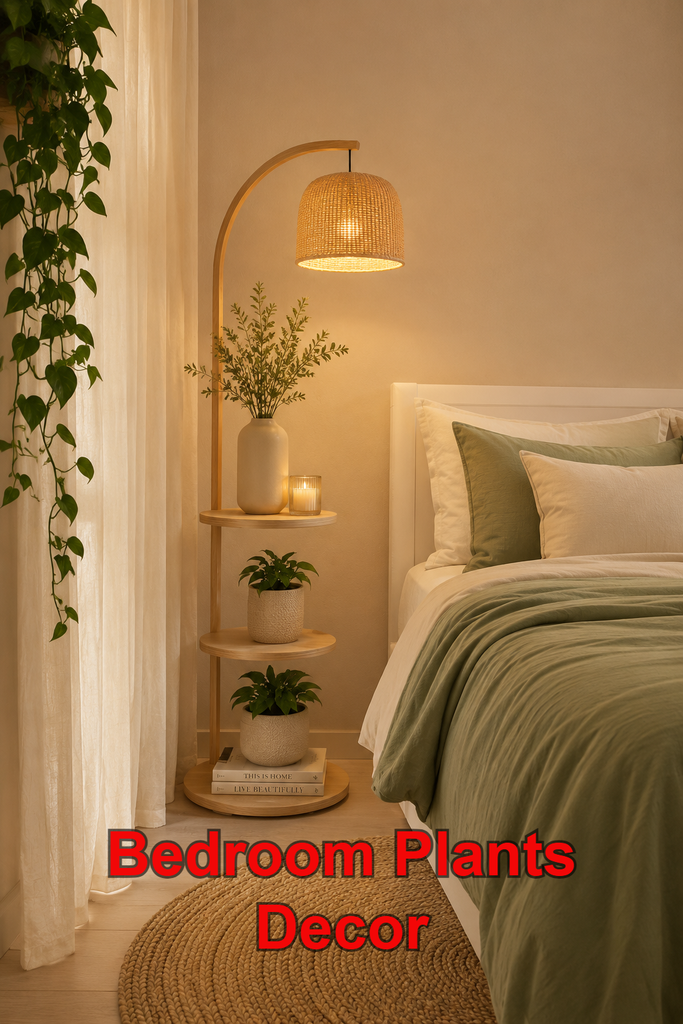
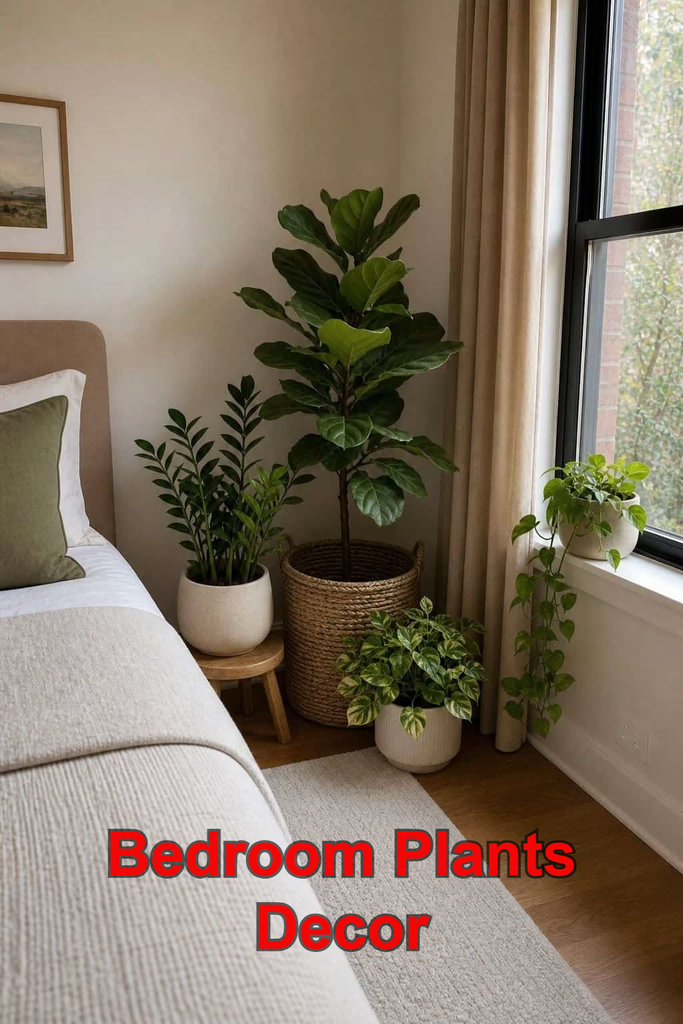
Dedicating a corner of your bedroom to a cluster of plants creates a natural focal point and a relaxing nook, especially when paired with a comfortable chair or floor cushion. Combine plants of varying heights, such as a tall fiddle leaf fig, a medium pothos on a stand, and a trailing plant on the floor, to create depth and visual interest.
Hanging Plants for Vertical Interest
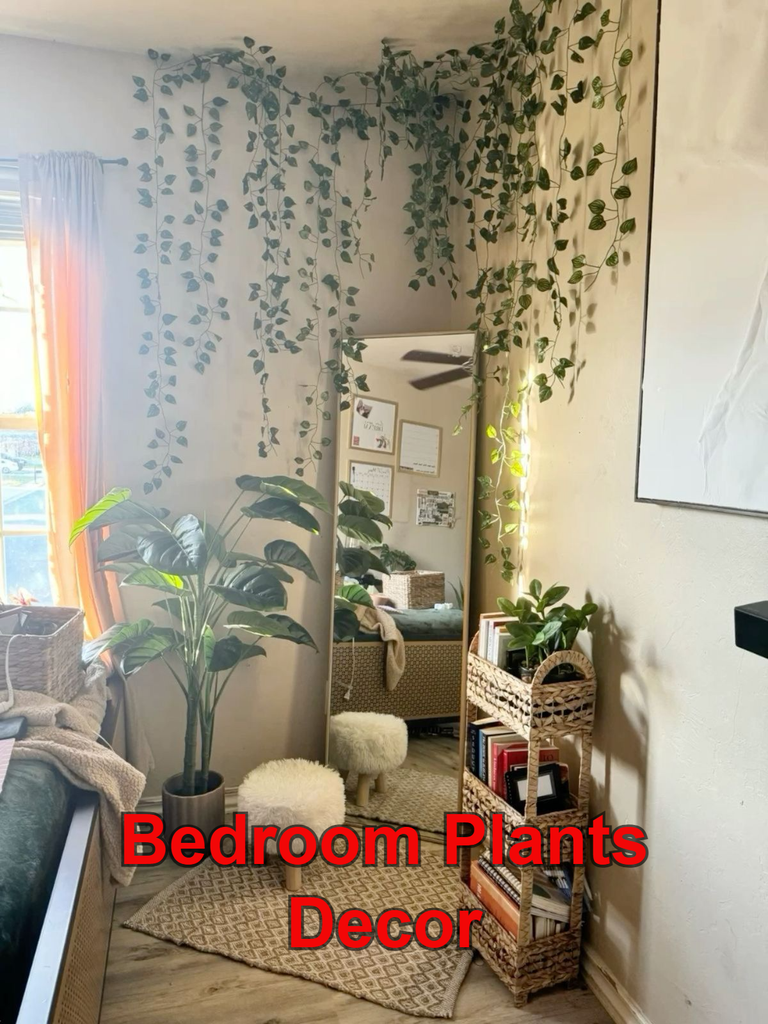
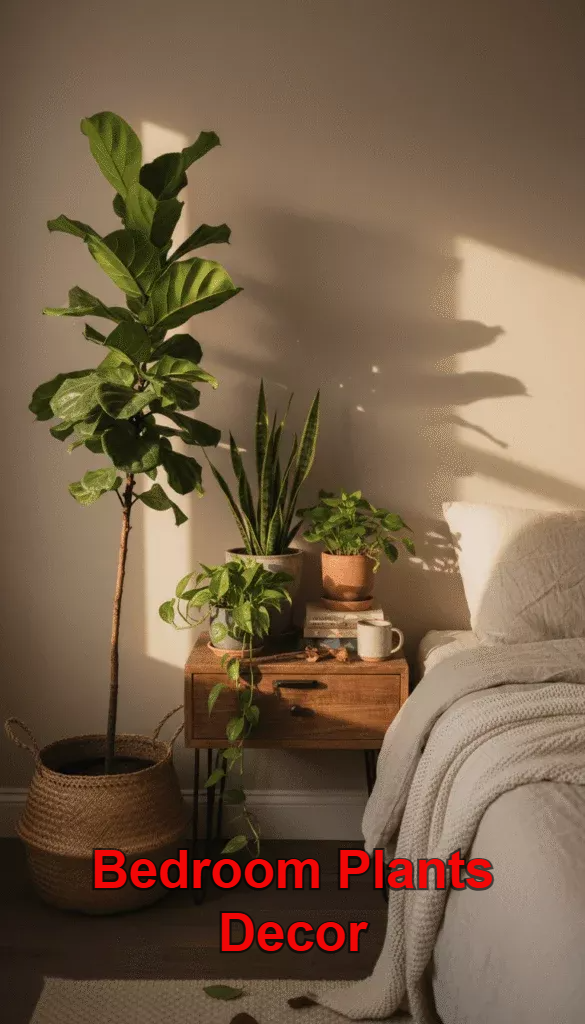
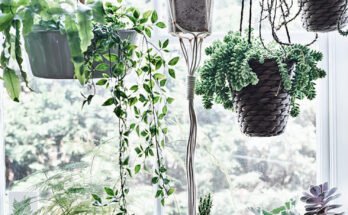
If floor and surface space is limited, hanging plants are a great solution. Macrame plant hangers with trailing pothos, string of pearls, or spider plants add a bohemian touch while drawing the eye upward, making the room feel larger and more dynamic.
Choosing the Right Planters and Pots
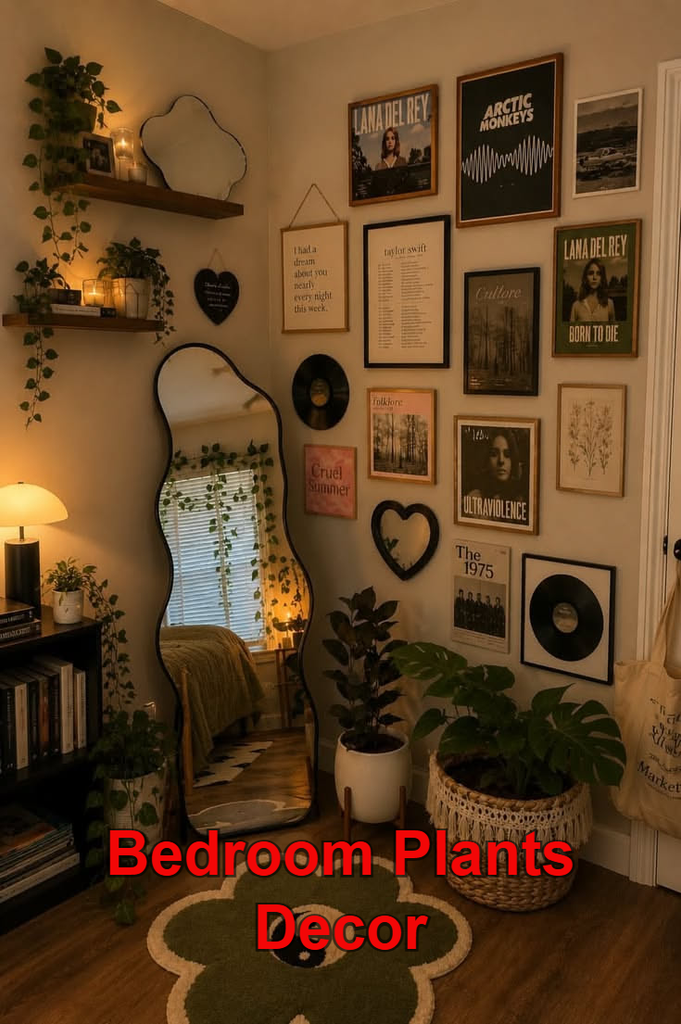
The planter you choose can make or break your bedroom’s overall aesthetic. Match your pots to your existing decor style—ceramic pots in neutral tones work well for minimalist or Scandinavian designs, while woven baskets add warmth to boho-style rooms. Don’t forget drainage; a pot with a drainage hole and saucer protects your furniture from water damage.
Incorporating Plants into Different Decor Styles
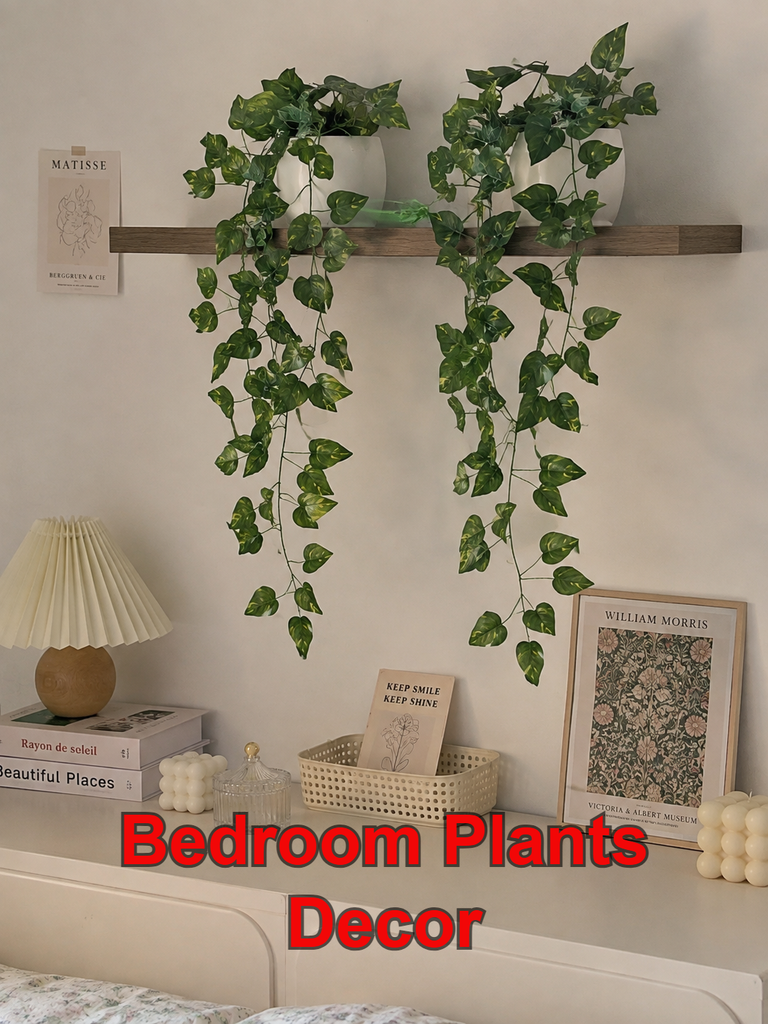
Plants can complement nearly any design aesthetic when chosen thoughtfully:
- Minimalist: Simple green plants like snake plants in white or concrete pots.
- Bohemian: Trailing plants, macrame hangers, and rattan planters.
- Modern: Sculptural plants like fiddle leaf figs in sleek black or metallic pots.
- Scandinavian: Light wood plant stands paired with soft greenery like pothos.
Using Plant Stands and Shelving
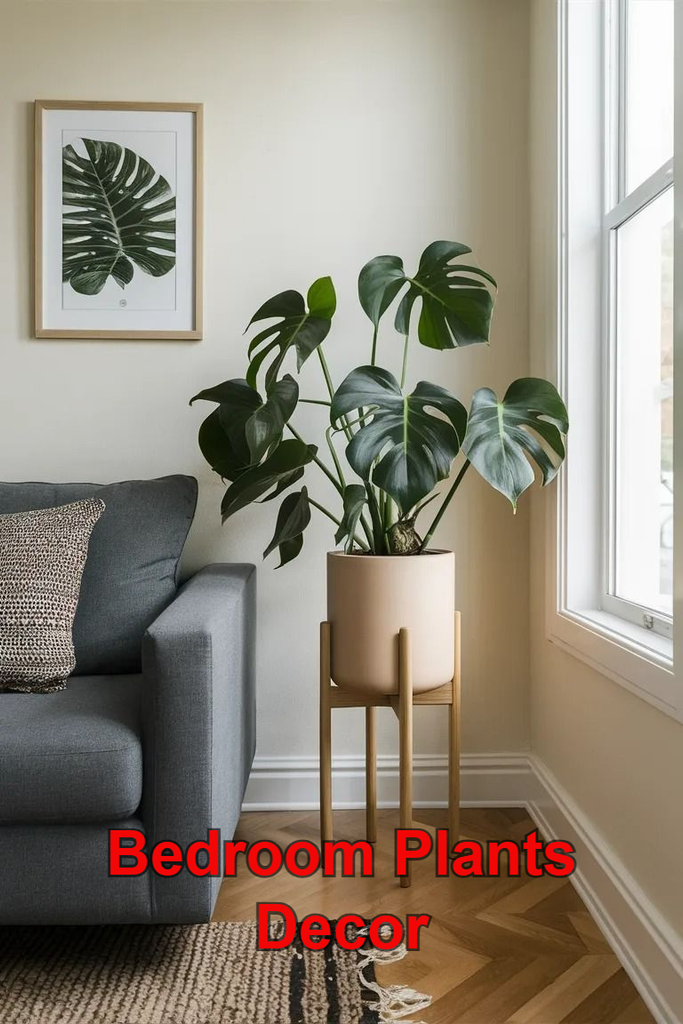
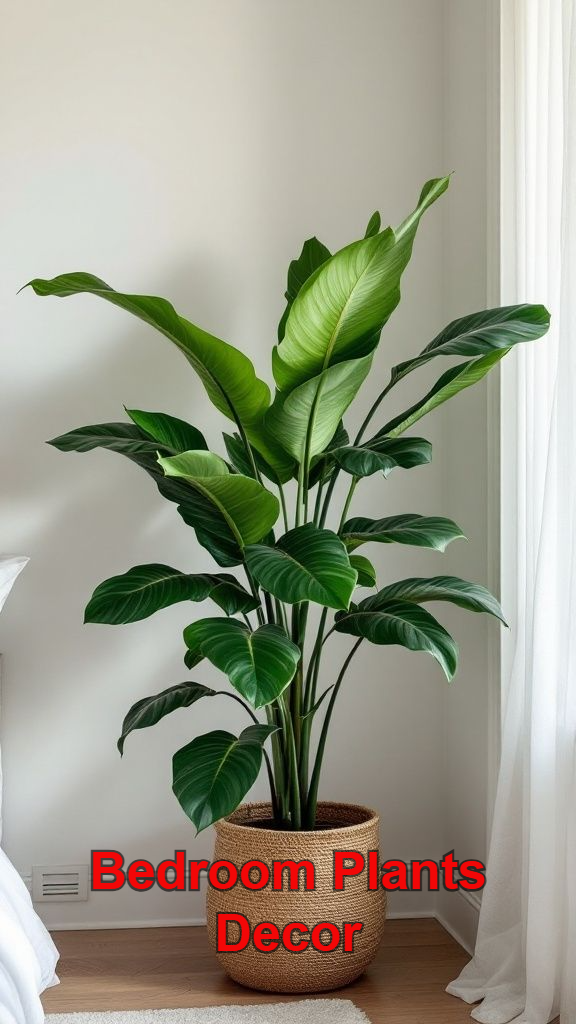
Plant stands elevate your greenery both literally and visually, adding varying heights throughout the room. Wooden or metal stands work well next to windows, while wall-mounted shelves are perfect for displaying smaller plants like succulents or herbs without cluttering floor space.
Faux Plants: When and How to Use Them
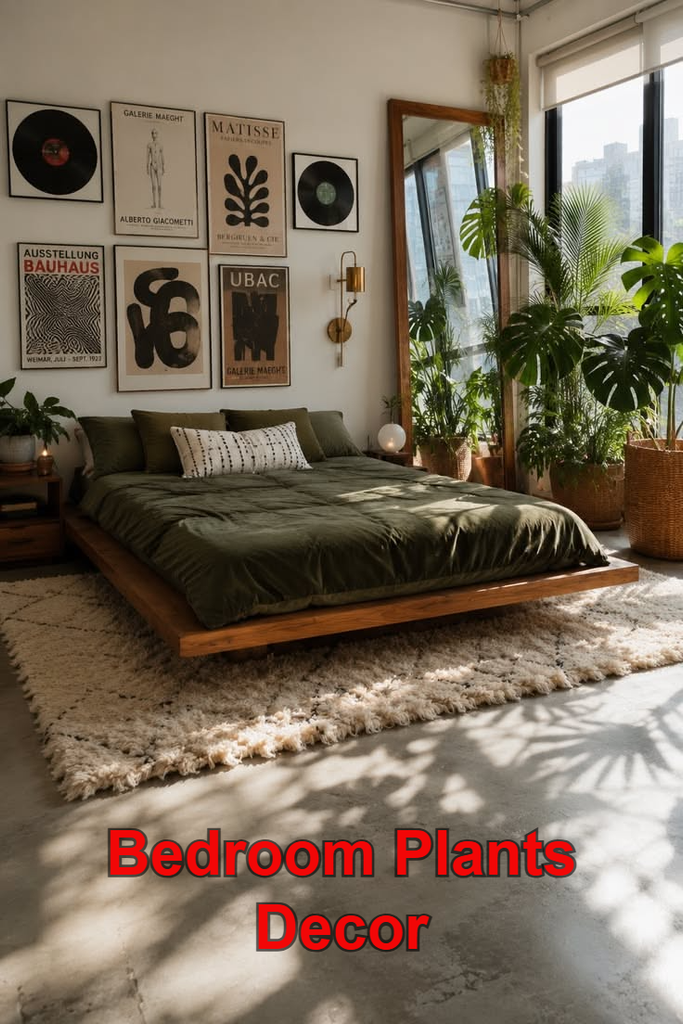
If your bedroom lacks natural light or you struggle to keep plants alive, high-quality faux plants can achieve the same decorative effect without the maintenance. Choose realistic-looking artificial plants with natural textures and matte finishes to avoid a cheap, plastic appearance. Faux plants work especially well in dark corners where real plants would struggle to survive.
Caring for Bedroom Plants: Watering and Light Tips
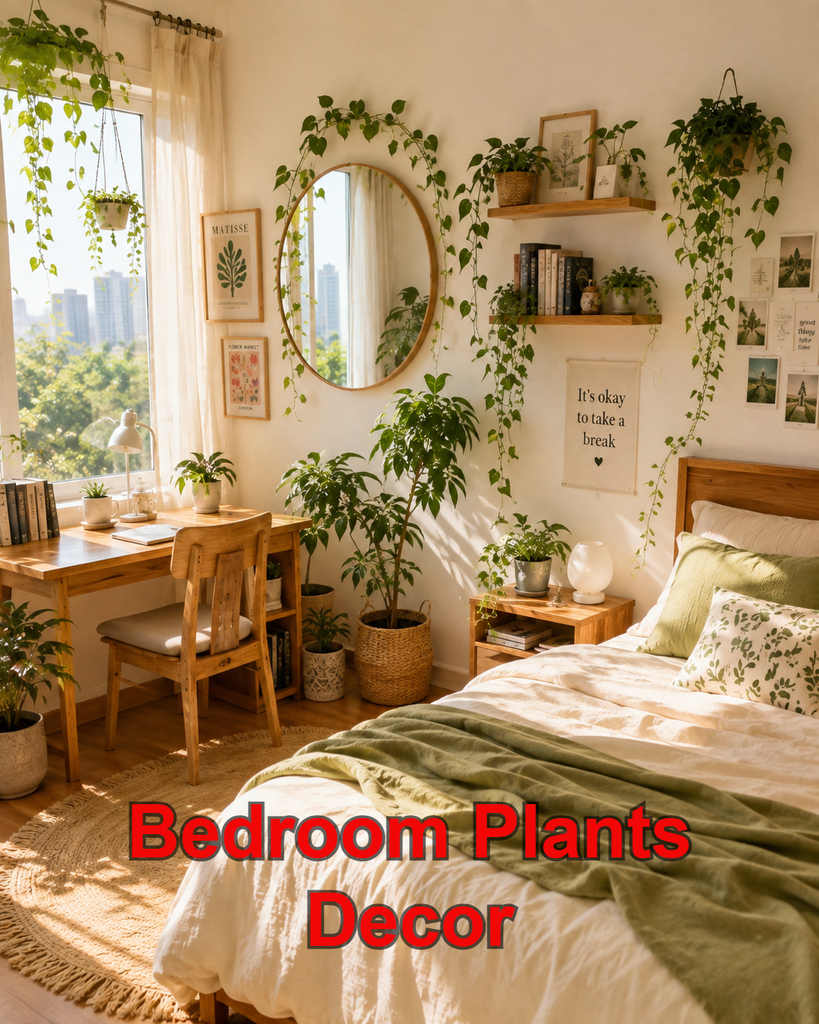
Proper care ensures your bedroom plants stay healthy and vibrant. Most low-light plants only need watering once every one to two weeks, while succulents can go even longer between waterings. Rotate your plants occasionally so all sides receive even light exposure, and wipe down leaves periodically to remove dust that can block sunlight absorption.
Combining Plants with Other Natural Decor Elements
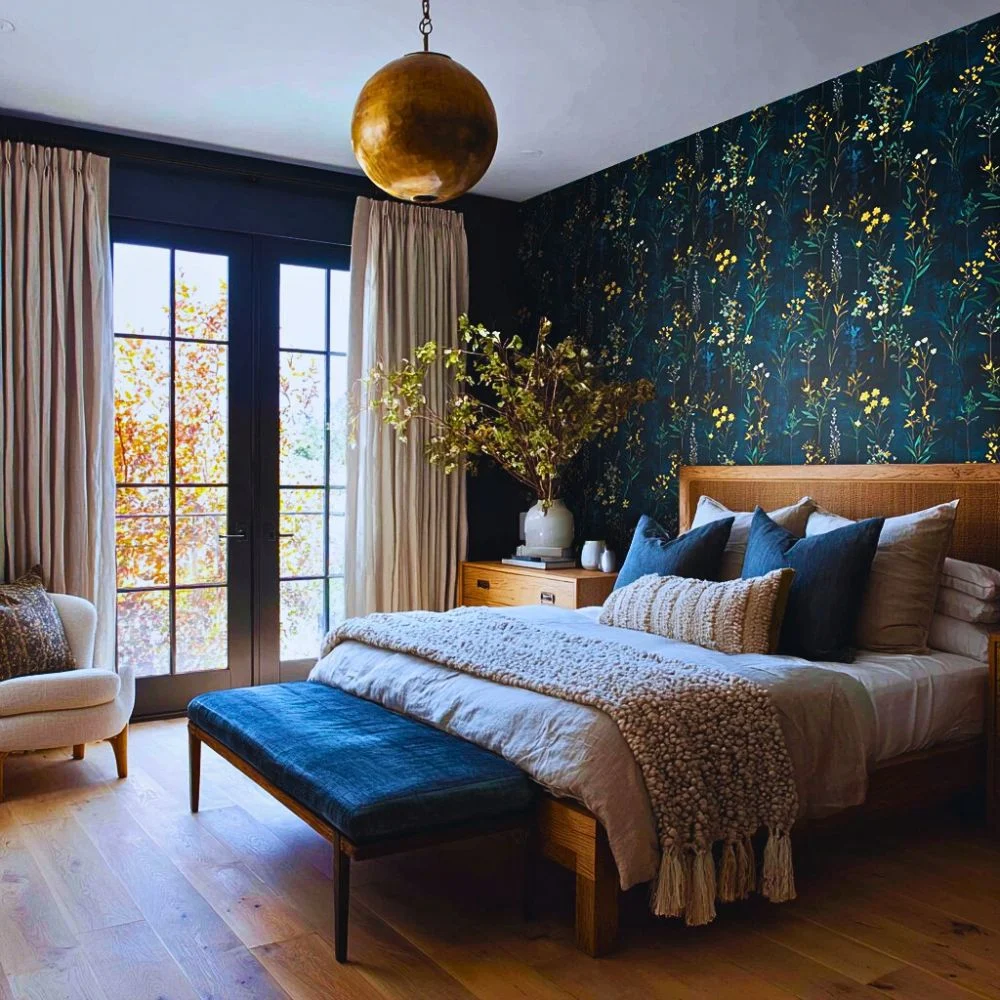
Plants pair beautifully with other natural materials like wood, rattan, linen, and stone. Consider adding a woven jute rug, wooden furniture, or linen curtains alongside your plants to create a cohesive, earthy bedroom atmosphere that feels calm and grounded.
Seasonal Plant Decor Ideas for the Bedroom
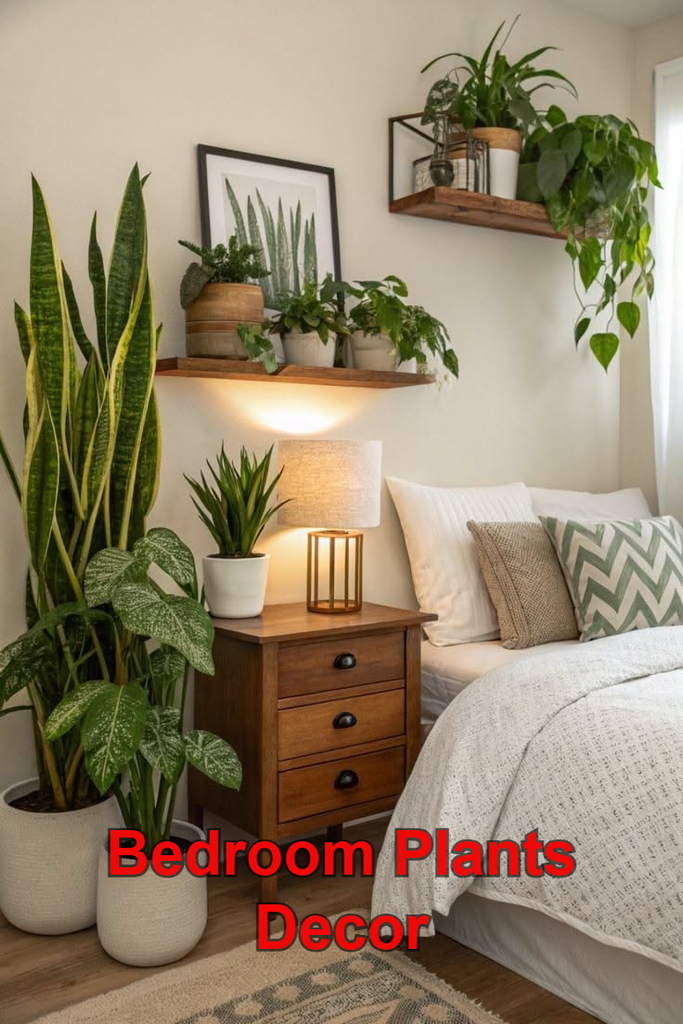
Refreshing your plant decor seasonally keeps your bedroom feeling current. In spring and summer, opt for flowering plants like orchids or peace lilies for a pop of color. During fall and winter, hardy greenery like snake plants or ZZ plants require less light and maintenance, making them ideal for the shorter days.
Common Mistakes to Avoid with Bedroom Plants
Even well-intentioned plant decor can go wrong. Avoid these common mistakes:
- Overwatering, which leads to root rot
- Placing sun-loving plants in dark corners
- Overcrowding a small bedroom with too many large plants
- Choosing plants with strong pollen or scents that may cause allergies
- Forgetting to check for pests regularly
Frequently Asked Questions
Are plants safe to keep in the bedroom while sleeping? Yes, most common houseplants are perfectly safe and many even improve air quality overnight.
What is the easiest plant to keep alive in a bedroom? Snake plants and pothos are among the most low-maintenance options for beginners.
How many plants should I have in my bedroom? This depends on room size, but two to four plants of varying sizes typically create a balanced look without overcrowding.
Do bedroom plants need direct sunlight? Not necessarily—many popular bedroom plants are specifically chosen for their ability to thrive in low or indirect light.
Conclusion
Bedroom plants decor is one of the most affordable and impactful ways to elevate your space, offering both beauty and wellness benefits. By choosing the right plants for your light conditions, styling them thoughtfully with complementary planters and stands, and maintaining proper care, you can create a serene, green retreat that enhances your rest and relaxation every day.