Growing your own food is one of the most rewarding hobbies you can start right in your backyard, balcony, or patio. A home vegetable garden not only saves money on groceries but also gives you fresher, healthier, and pesticide-free produce. Whether you have a large backyard or just a few pots on a windowsill, this complete guide will walk you through everything you need to know to start and maintain a thriving vegetable garden.
Why Start a Home Vegetable Garden?
A home vegetable garden connects you directly with your food source. Instead of relying entirely on grocery stores, you get to control what goes into your soil and onto your plants. This means no unnecessary chemicals, no long transportation times, and no loss of nutrients that often happens when vegetables travel long distances before reaching your plate. Beyond the practical benefits, gardening is also a relaxing, therapeutic activity that gets you outdoors and moving.
Benefits of Growing Your Own Vegetables
There are countless reasons why more people are turning their yards into productive vegetable patches:
- Cost savings: Seeds and seedlings cost far less than store-bought produce over time.
- Better nutrition: Freshly harvested vegetables retain more vitamins and minerals.
- Environmental impact: Reduces packaging waste and the carbon footprint of transported food.
- Mental health benefits: Gardening reduces stress and improves mood.
- Family activity: A great way to teach children about where food comes from.
Choosing the Right Location for Your Garden
Location is one of the most important decisions you’ll make before planting anything. Look for a spot that is easily accessible for daily watering and maintenance, has good drainage, and is relatively flat. Avoid areas near large trees, as their roots compete with vegetables for water and nutrients, and their shade can limit growth.
Understanding Sunlight Requirements
Most vegetables need at least 6 to 8 hours of direct sunlight per day to produce well. Leafy greens like spinach and lettuce can tolerate partial shade, but fruiting vegetables such as tomatoes, peppers, and cucumbers require full sun exposure. Before planting, spend a day observing how sunlight moves across your chosen space so you can plan accordingly.
Testing and Preparing Your Soil
Healthy soil is the foundation of a successful vegetable garden. Start by testing your soil’s pH level; most vegetables thrive in slightly acidic to neutral soil, around 6.0 to 7.0. You can use a home soil testing kit or send a sample to a local extension office. Once you know your soil’s condition, amend it with organic compost, aged manure, or other soil conditioners to improve texture and nutrient content.
Selecting the Best Vegetables for Beginners
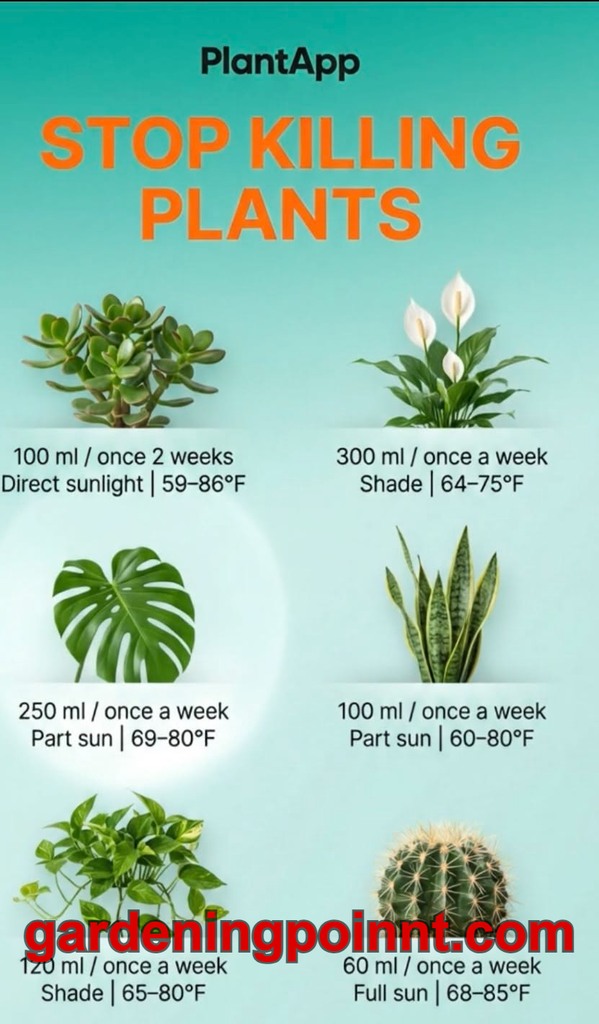
If you’re new to gardening, start with vegetables that are forgiving and grow quickly. Some excellent beginner-friendly options include:
- Tomatoes
- Lettuce and leafy greens
- Radishes
- Zucchini
- Green beans
- Peppers
- Cucumbers
These plants are relatively low-maintenance and provide a satisfying harvest within a few weeks to a couple of months.
Planning Your Garden Layout
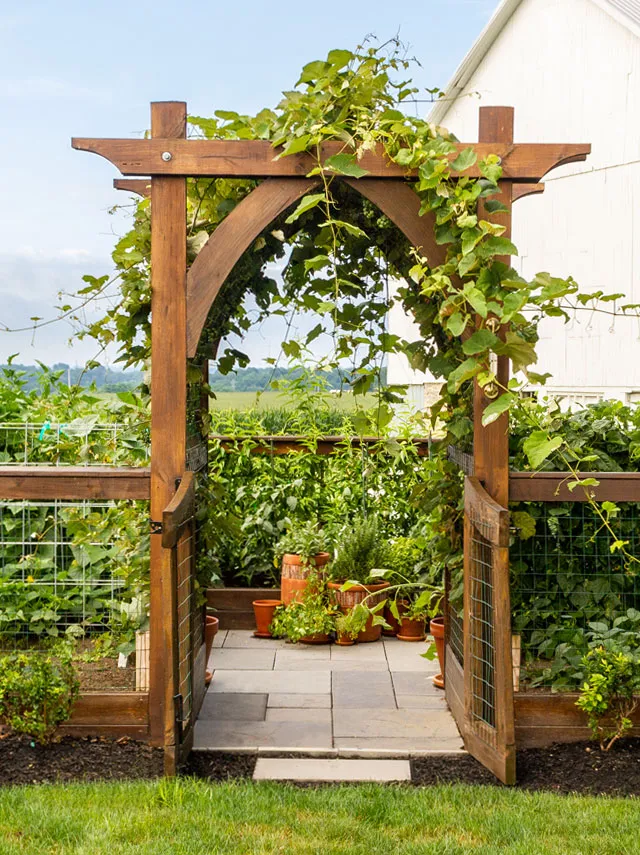
A well-thought-out layout maximizes space and sunlight while minimizing competition between plants. Consider using raised beds, rows, or square-foot gardening methods depending on your available space. Group plants with similar water and sunlight needs together, and leave enough space between rows for easy access during watering and harvesting.
Container Gardening vs. In-Ground Beds
Not everyone has access to a large yard, and that’s perfectly fine. Container gardening is an excellent alternative for balconies, patios, and small yards. Choose containers with good drainage holes and use high-quality potting mix rather than garden soil, which can compact too much in pots. In-ground beds, on the other hand, allow for larger root systems and are ideal if you have ample space and want to grow larger crops like corn or pumpkins.
Essential Gardening Tools You Need
You don’t need an expensive toolkit to get started, but a few basics will make gardening much easier:
- Hand trowel and cultivator
- Garden gloves
- Watering can or hose with an adjustable nozzle
- Pruning shears
- Wheelbarrow (for larger gardens)
- Garden fork and spade
Investing in quality tools from the start will save you money and frustration in the long run.
Planting Seeds vs. Seedlings
Deciding whether to start from seeds or transplant seedlings depends on your timeline and experience level. Seeds are more economical and offer a wider variety of options, but they require more time and patience. Seedlings, or starter plants, give you a head start on the growing season and are easier for beginners to manage, especially for slow-germinating vegetables like tomatoes and peppers.
Watering Your Vegetable Garden Properly
Consistent watering is critical for healthy vegetable growth. Most gardens need about one to two inches of water per week, either from rainfall or manual watering. Water deeply and less frequently to encourage strong root development rather than shallow watering every day. Morning watering is ideal, as it allows foliage to dry before evening, reducing the risk of fungal diseases.
Fertilizing and Composting Tips
Vegetables are heavy feeders and benefit from regular fertilization. Composting kitchen scraps and yard waste creates a nutrient-rich, free fertilizer that improves soil structure over time. If using store-bought fertilizers, look for balanced formulas or ones tailored to specific vegetables, such as tomato fertilizer with added calcium to prevent blossom end rot.
Companion Planting for Healthier Crops
Companion planting is the practice of growing certain plants together to boost growth, deter pests, or improve flavor. For example, planting basil near tomatoes can improve their taste and repel certain insects, while marigolds planted throughout the garden help deter nematodes and other pests. Learning basic companion planting combinations can significantly reduce the need for chemical interventions.
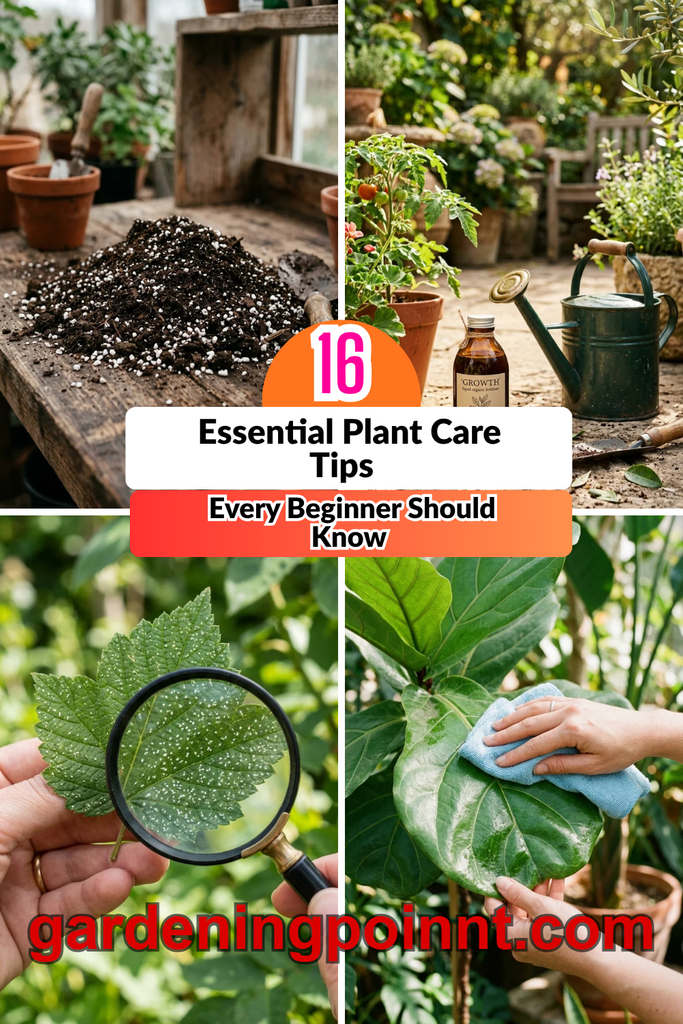
Pest and Disease Control (Organic Methods)
Pests and diseases are inevitable in any garden, but there are many organic ways to manage them without harsh chemicals:
- Introduce beneficial insects like ladybugs to control aphids.
- Use neem oil spray for common pest infestations.
- Rotate crops each season to prevent soil-borne diseases.
- Remove and destroy infected plant material promptly.
- Use row covers to physically block pests from reaching plants.
Regular monitoring of your garden helps catch problems early before they spread.
Seasonal Planting Calendar
Understanding your local climate zone is essential for timing your plantings correctly. Cool-season vegetables like lettuce, peas, and broccoli thrive in spring and fall, while warm-season vegetables like tomatoes, peppers, and cucumbers need the heat of summer to flourish. Check your region’s average last frost date in spring and first frost date in fall to plan your planting and harvesting schedule accurately.
Vertical Gardening for Small Spaces
If space is limited, vertical gardening allows you to grow more in less area. Trellises, cages, and stakes support climbing plants like beans, peas, and cucumbers, freeing up ground space for other crops. This method also improves air circulation around plants, reducing the risk of fungal diseases and making harvesting easier.
Mulching Benefits for Vegetable Gardens
Mulching around your vegetable plants offers multiple benefits, including moisture retention, weed suppression, and soil temperature regulation. Organic mulches like straw, wood chips, or shredded leaves also break down over time, adding valuable organic matter back into the soil.
Harvesting Tips for Maximum Yield
Knowing when and how to harvest your vegetables ensures the best flavor and encourages continued production. Most vegetables taste best when picked at peak ripeness rather than left to overripen on the vine. Regular harvesting of crops like zucchini, beans, and cucumbers actually encourages the plant to produce more, so don’t let your harvest pile up unpicked.
Common Mistakes to Avoid
Even experienced gardeners make mistakes, but beginners can save themselves time and frustration by avoiding these common pitfalls:
- Overcrowding plants, which limits airflow and sunlight
- Overwatering or underwatering
- Ignoring soil health and skipping soil tests
- Planting too early or too late for the season
- Neglecting to rotate crops each year
Frequently Asked Questions
How much space do I need for a home vegetable garden? Even a small 4×4 foot raised bed or a few containers can produce a meaningful harvest for a small household.
How often should I water my vegetable garden? Most gardens need deep watering two to three times per week, depending on weather and soil type.
Can I grow vegetables indoors? Yes, many herbs and leafy greens grow well indoors near a sunny window or under grow lights.
What is the easiest vegetable to grow for beginners? Radishes and lettuce are among the easiest and fastest-growing vegetables for new gardeners.
Conclusion
Starting a home vegetable garden is a fulfilling journey that rewards patience and consistent care with fresh, homegrown produce. By choosing the right location, preparing your soil properly, selecting beginner-friendly vegetables, and following good watering and pest control practices, you’ll be well on your way to a thriving garden. Start small, learn as you go, and soon you’ll be enjoying the satisfaction of eating vegetables you grew with your own hands.