There is a persistent myth that some people have a “green thumb” and others simply do not — that plant care is an innate talent you either possess or lack. It isn’t. Plant care is a skill built from a small number of principles, applied consistently and adjusted through observation. Once you understand what a plant actually needs and why, keeping it alive stops being guesswork and starts being straightforward cause and effect.
Every plant, from a windowsill succulent to a towering fiddle leaf fig, needs the same five things: light, water, appropriate soil, the right temperature and humidity, and periodic nutrients. What differs between species is not the categories of need but the amount and timing within each one. A cactus and a fern both need water; they simply need wildly different quantities of it.
This guide walks through each of those fundamentals in depth, then covers the maintenance tasks — repotting, pruning, propagation, pest control — that keep a plant thriving over years rather than months. Whether you are caring for your first plant or troubleshooting a struggling collection, the principles here apply almost universally.
Principle One: Understand Light Before Anything Else
Light is the energy source behind everything else a plant does, and it is the single most common variable people misjudge, because human eyes adapt so effectively to dim conditions that a room can feel “bright” while actually delivering very little usable light.
The Types of Indoor Light
Direct light means sunbeams physically strike the leaves, usually within a meter of a south or west-facing window in the northern hemisphere.
Bright indirect light describes a well-lit room where a plant can see a large area of open sky without the sun’s rays landing on it directly — generally the ideal condition for most common houseplants.
Low light applies to spaces several meters from any window, north-facing rooms, or hallways, where only a narrow range of especially tolerant species will thrive.
Testing Light Without Equipment
Hold your hand about 30 centimeters above the surface where the plant will sit, at midday. A sharp, well-defined shadow indicates bright light. A soft, blurry shadow indicates medium light. Little or no visible shadow indicates low light, and you should either choose a suitably tolerant plant or add artificial lighting.
Matching Plants to Available Light
Rather than forcing a plant to survive in unsuitable light, match your selection to the conditions you actually have. Flowering plants and plants with colorful variegation generally need the most light. Foliage plants from tropical forest floors — pothos, philodendron, ZZ plant — tolerate the least.
When to Use a Grow Light
If a space genuinely lacks sufficient natural light, a full-spectrum LED grow light running 10 to 12 hours daily, positioned 30 to 60 centimeters above the foliage, can sustain healthy growth in a windowless room or a persistently dim corner.
Principle Two: Water Correctly, Not Frequently
If light is the most misunderstood variable, watering is the most consequential one. More plants die from overwatering than from every other cause combined, because waterlogged soil suffocates roots by displacing the oxygen they need, leading to root rot.
Check the Soil, Not the Calendar
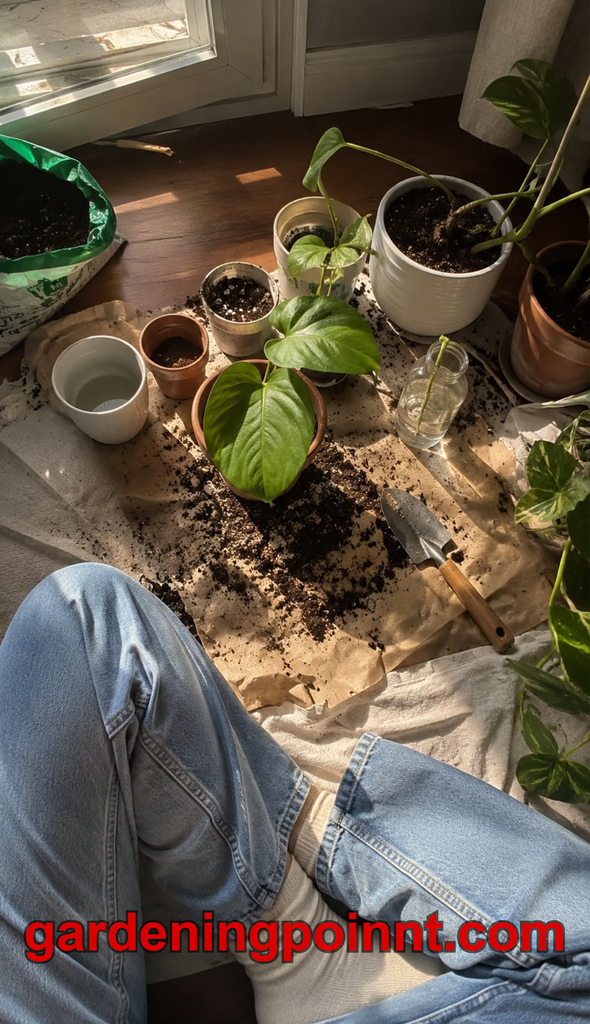
The single most valuable habit in all of plant care is checking soil moisture directly before watering, rather than following a fixed schedule. Push a finger two to five centimeters into the soil, depending on plant type. If it feels damp, wait. If it feels dry, water.
How Deep to Check Varies by Plant
Thin-leaved, moisture-loving plants like ferns and calathea should be checked at a shallow depth of about two centimeters. Thicker, drought-tolerant plants like snake plants and succulents should be checked at four to five centimeters, since their roots are adapted to drying out more fully between waterings.
Watering Technique
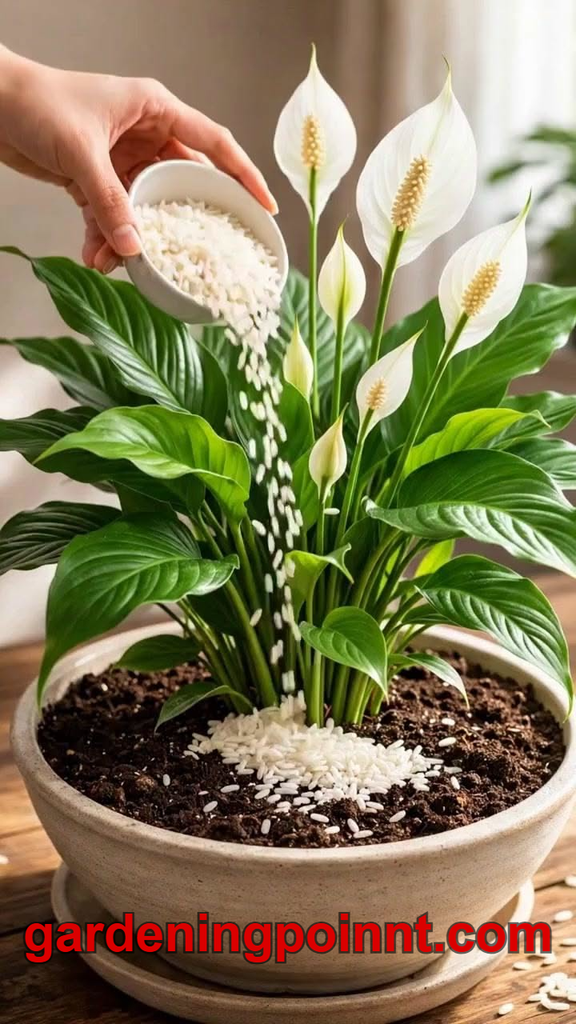
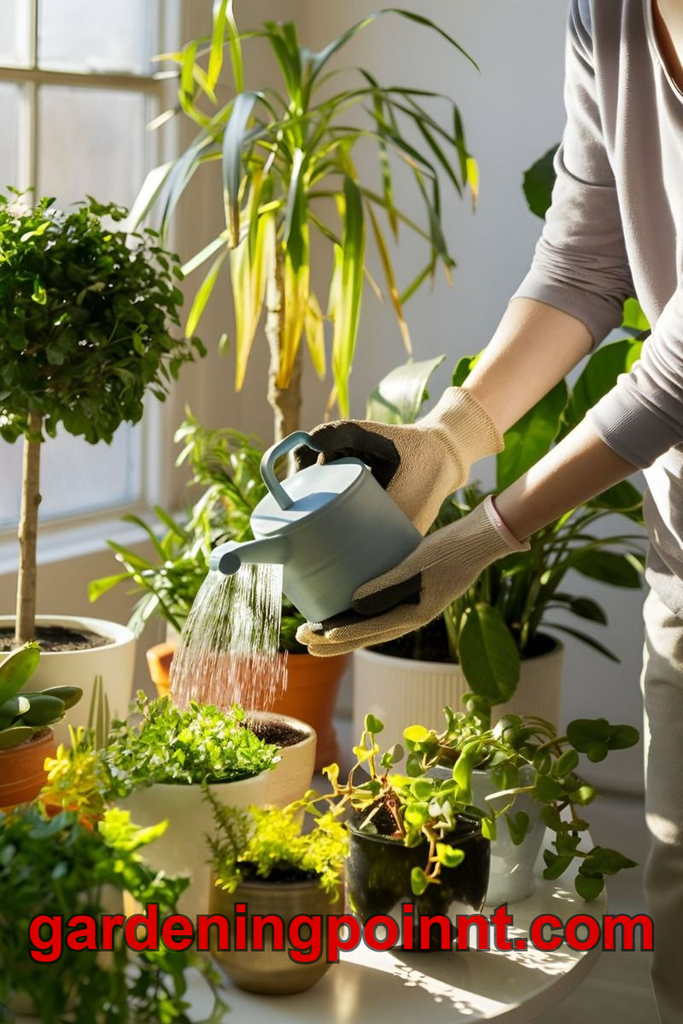
When you do water, water thoroughly. Pour steadily until water runs freely from the drainage hole, ensuring the entire root ball is moistened rather than just the top layer, then allow the pot to drain completely and empty any standing water from the saucer.
Adjusting for Season
Growth slows dramatically in autumn and winter as light levels drop, and a plant’s water needs slow down correspondingly. A plant that needs water weekly in summer might need it only every three to four weeks in winter. Watering on the same schedule year-round is one of the most common ways plants are unintentionally overwatered.
Water Quality
Most common houseplants tolerate ordinary tap water without issue. A smaller number of sensitive species — spider plants, calathea, prayer plants and dracaena among them — can develop brown leaf tips from chlorine, fluoride or mineral buildup. For these, filtered water or water left out overnight to let chlorine dissipate makes a noticeable difference.
Signs of Overwatering vs Underwatering
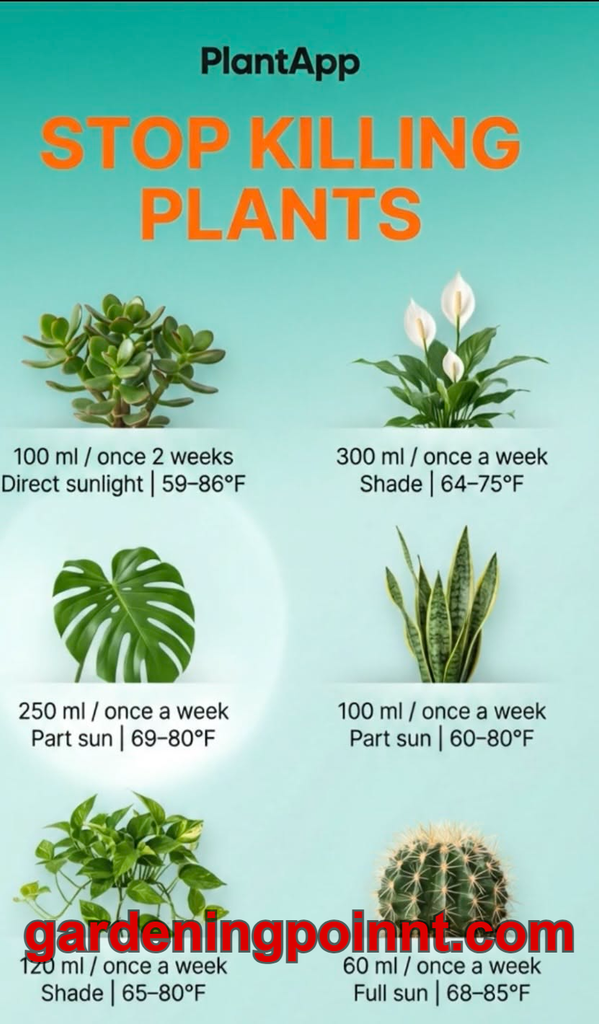
Overwatered plants typically show soft, yellowing leaves, a musty soil smell, and leaves that feel wet or mushy to the touch. Underwatered plants show dry, curling or crispy leaves, and soil that pulls away from the sides of the pot. When genuinely uncertain which is happening, checking the soil directly resolves the ambiguity immediately.
Principle Three: Choose the Right Soil and Container
Why Garden Soil Fails Indoors
Garden soil compacts quickly in a container, drains poorly, and can introduce pests or pathogens. A proper potting mix, formulated specifically for container growing, remains loose and well-aerated over time.
Matching Soil to Plant Type
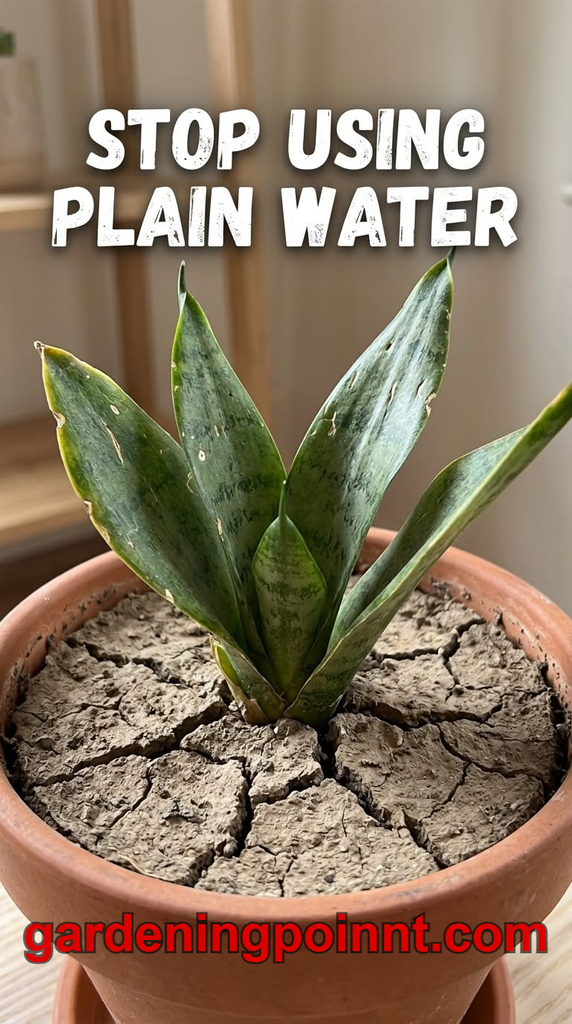
Tropical foliage plants generally do well in a standard potting mix with some added perlite for extra drainage. Succulents and cacti need a much grittier, faster-draining mix, often amended with coarse sand or pumice. Orchids need an entirely different, chunky bark-based mix rather than traditional potting soil at all, since their roots require significant airflow.
Drainage Holes Are Non-Negotiable
A pot without a drainage hole is one of the most common and avoidable causes of root rot, since excess water has nowhere to go and simply sits against the roots. Decorative pots without holes can still be used as outer covers, provided the plant remains in an inner pot that does drain properly.
Pot Material Considerations
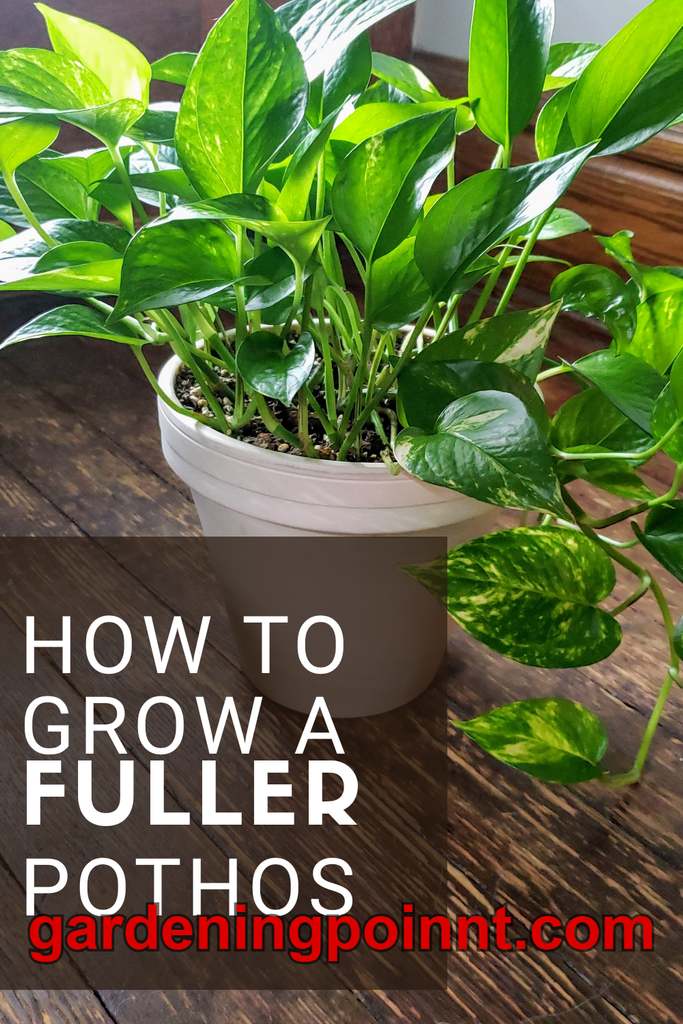
Terracotta is porous and helps soil dry faster, which suits plants prone to overwatering or those that prefer drier conditions. Glazed ceramic and plastic retain moisture longer, which benefits plants that prefer more consistent dampness.
Sizing a Pot Correctly
An oversized pot holds far more wet soil than the plant’s roots can actually use, keeping the mix damp for longer than the plant wants and increasing rot risk. When repotting, size up gradually, choosing a container only two to five centimeters larger in diameter than the current one.
Principle Four: Get Temperature and Humidity Right
Ideal Temperature Range
Most common houseplants are comfortable within the same range that humans find comfortable, roughly 18 to 27°C, since the majority originate in tropical or subtropical climates without extreme seasonal cold.
Avoiding Temperature Stress
Keep plants away from cold drafts near doors and windows, away from heating vents and radiators that create localized hot, dry air, and away from air conditioning units blowing directly onto foliage. Sudden temperature swings cause more leaf drop and stress than a steadily moderate temperature ever will.
Understanding Humidity Needs
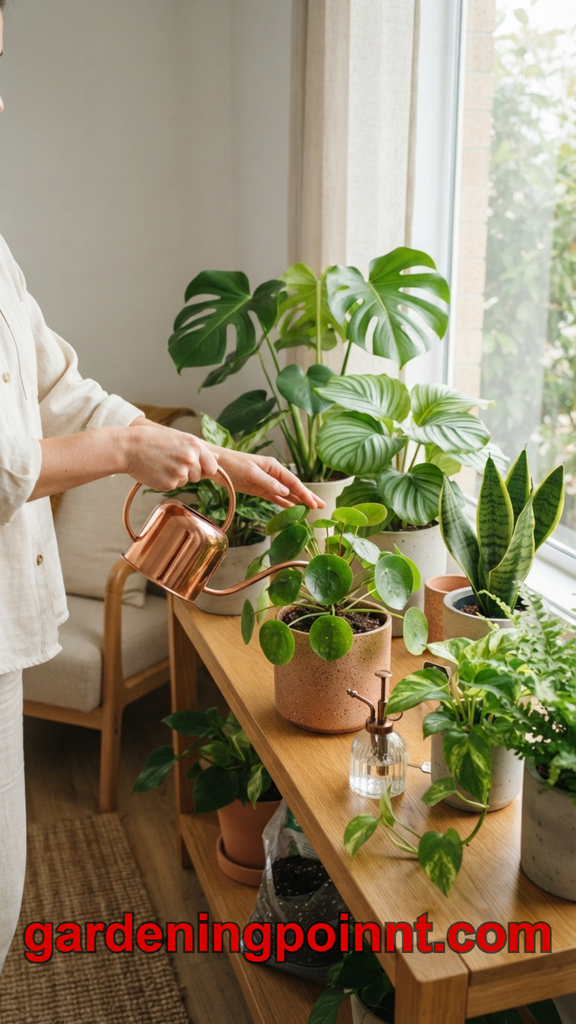
Many popular houseplants originate on tropical forest floors where humidity commonly sits between 50 and 60 percent, considerably higher than the 30 to 40 percent typical of a heated home in winter.
Raising Humidity Effectively
Grouping several plants together creates a shared, slightly more humid microclimate as they collectively transpire moisture. A pebble tray, consisting of a shallow dish of water and stones placed beneath the pot, raises humidity gently in the immediate vicinity. A small humidifier is by far the most effective and reliable method for humidity-sensitive plants such as ferns, calathea and orchids.
Why Misting Falls Short
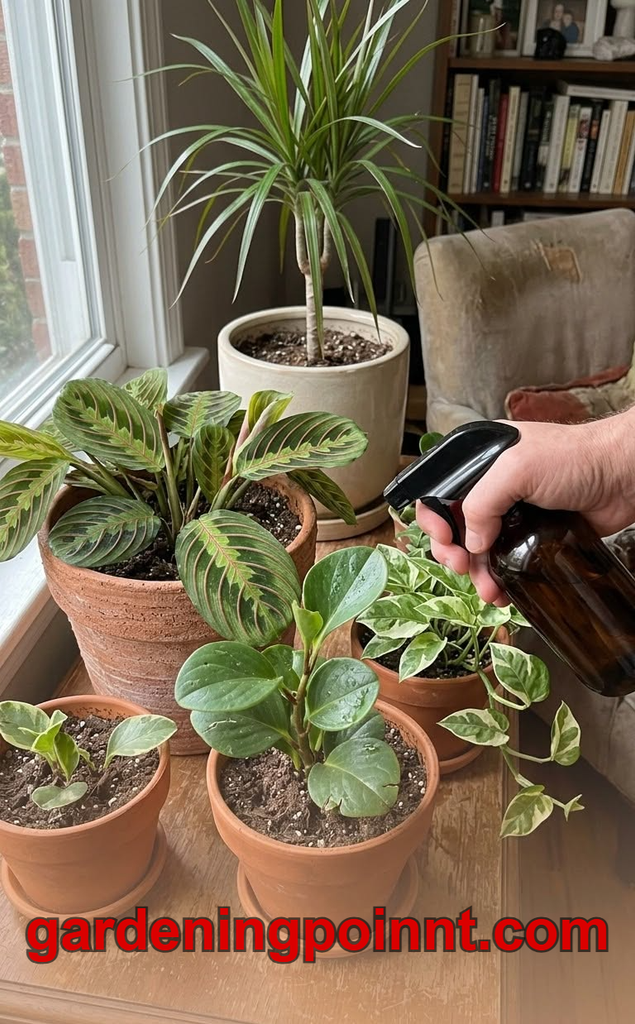
Misting leaves with a spray bottle raises humidity for only a few minutes at most and does little for long-term plant health. It can also leave leaves damp for extended periods, occasionally encouraging fungal spotting, so it is better treated as a minor supplement than a real humidity solution.
Principle Five: Fertilize Sparingly and Seasonally
Why Fertilizer Isn’t Optional Long-Term
Potting mix contains a finite supply of nutrients that becomes depleted within a few months of regular watering, as nutrients leach out through the drainage hole. Fertilizing replaces what watering removes.
Choosing a Fertilizer
A balanced, water-soluble houseplant fertilizer, often labeled with equal or near-equal numbers such as 10-10-10 or 20-20-20, suits most common foliage plants. Flowering plants sometimes benefit from a fertilizer higher in phosphorus, the middle number, to support blooming.
Dilution and Frequency
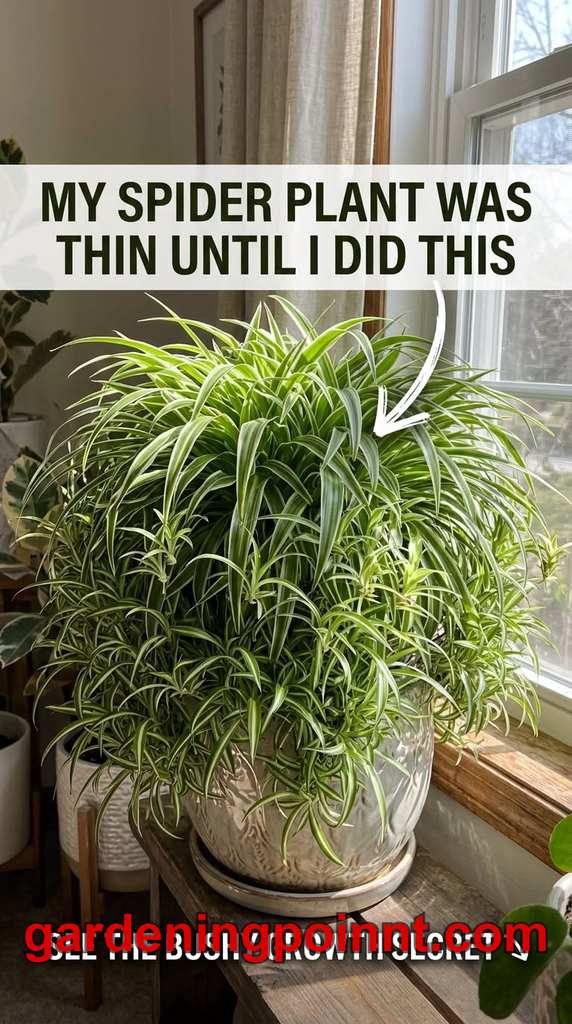
Diluting fertilizer to half the recommended strength and feeding every two to four weeks during active growth in spring and summer is generally safer than feeding at full strength, since over-fertilizing is a more common and more damaging mistake than under-fertilizing.
Stopping in Dormancy
Reduce fertilizing significantly or stop entirely during autumn and winter, when most plants slow or pause growth and cannot use the additional nutrients, which then simply accumulate as salts in the soil.
Signs of Over-Fertilizing
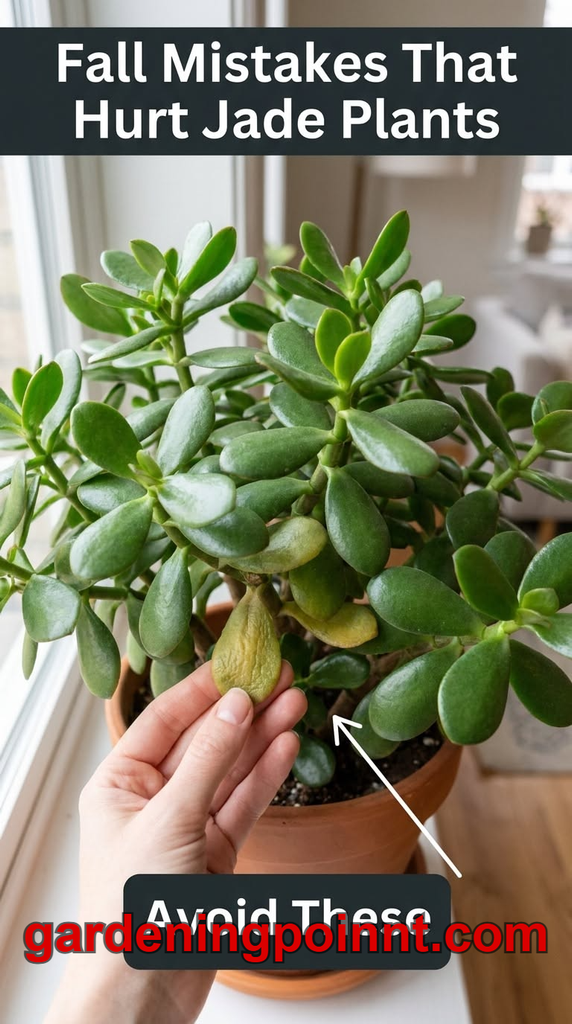
A white, crusty buildup on the soil surface, brown and crispy leaf edges, and sudden leaf drop despite otherwise adequate care all point toward excess fertilizer. Flushing the pot thoroughly with plain water several times and pausing fertilizer for a couple of months usually resolves it.
Repotting: When and How
Recognizing the Need to Repot
Repot when roots emerge from the drainage hole or circle visibly at the surface, when water runs straight through the pot without being absorbed, when growth has stalled despite otherwise good conditions, or when a plant has become noticeably top-heavy for its container.
Timing
Early spring, just as active growth resumes, gives a plant the best opportunity to recover quickly from the disruption of repotting.
The Repotting Process
Water the plant a day in advance to soften the soil and ease removal. Gently loosen the root ball, trimming away any roots that appear dark, mushy or clearly dead while preserving healthy, firm roots. Place the plant into a new pot only slightly larger than the last, backfill with fresh potting mix suited to that species, water thoroughly, and expect a short period of minor stress or slowed growth as the plant adjusts.
Pruning and General Maintenance
Why Pruning Matters
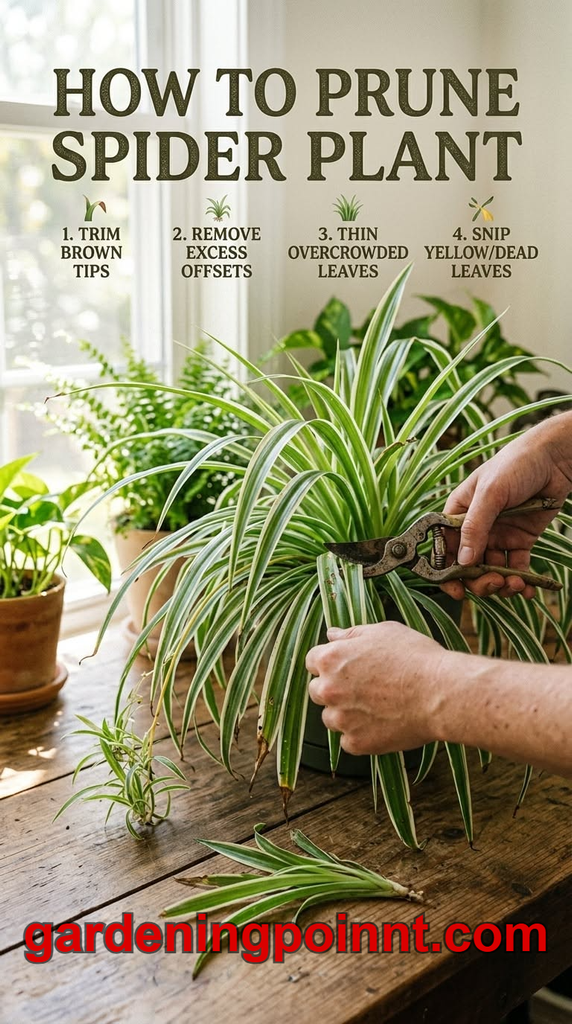
Removing yellowing, damaged or overly leggy growth redirects the plant’s energy toward healthier tissue and encourages fuller, more balanced growth rather than sparse, straggly stems.
Basic Technique
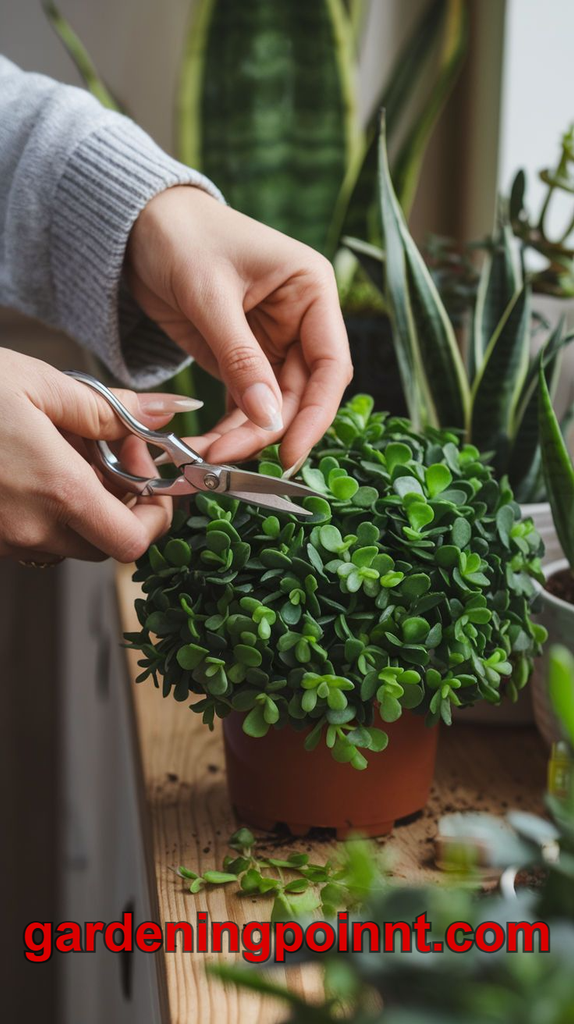
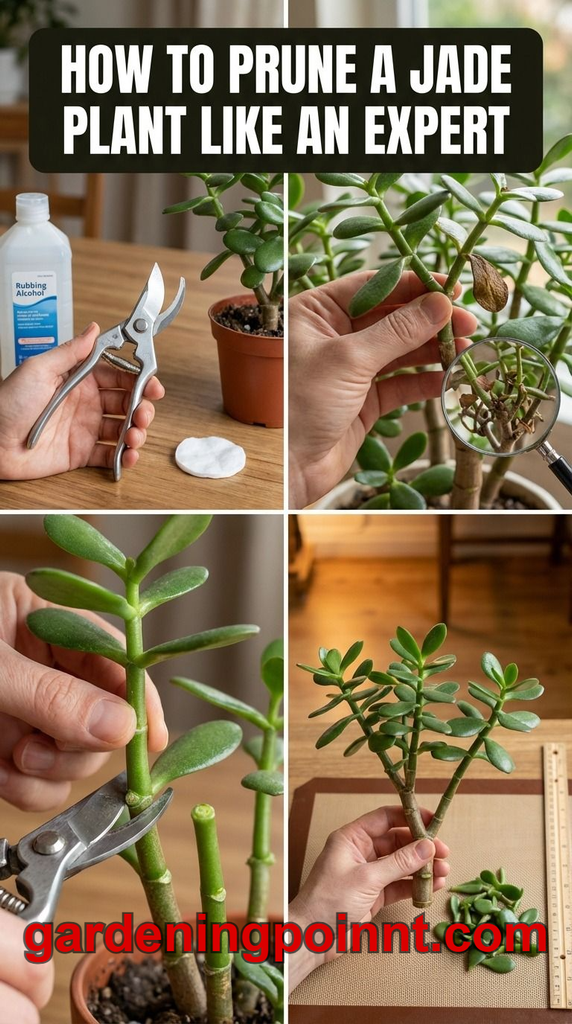
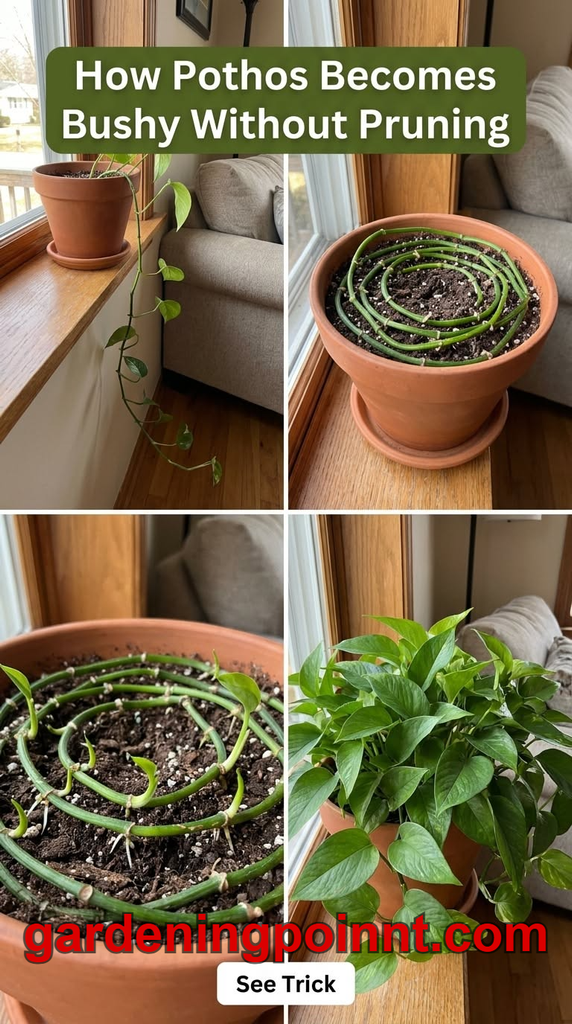
Use clean, sharp scissors or pruning shears to avoid introducing infection through a ragged cut. On vining plants, cutting just above a leaf node typically encourages new branching from that point rather than continued single-direction growth.
Cleaning Leaves
Dust accumulates on broad leaves and physically blocks light from reaching the leaf surface, reducing photosynthesis over time. Wiping leaves with a damp cloth every few weeks, or giving smaller plants an occasional lukewarm shower, keeps them functioning efficiently and looking their best.
Rotating for Even Growth
Plants naturally grow toward their strongest light source, which can produce lopsided growth over time. Rotating the pot a quarter turn every week or two encourages more even, symmetrical development.
Propagation: Growing New Plants for Free
Stem Cuttings
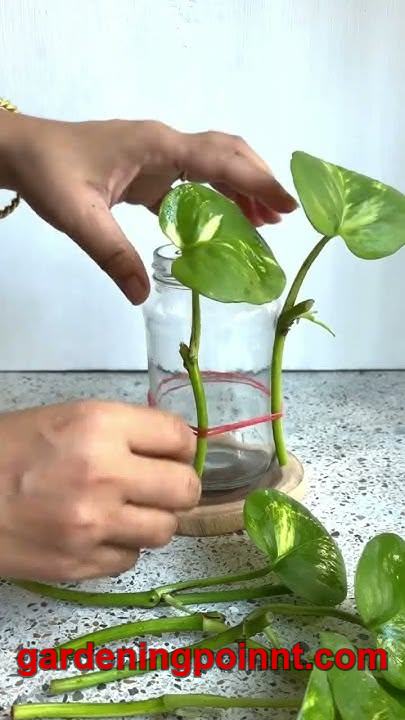
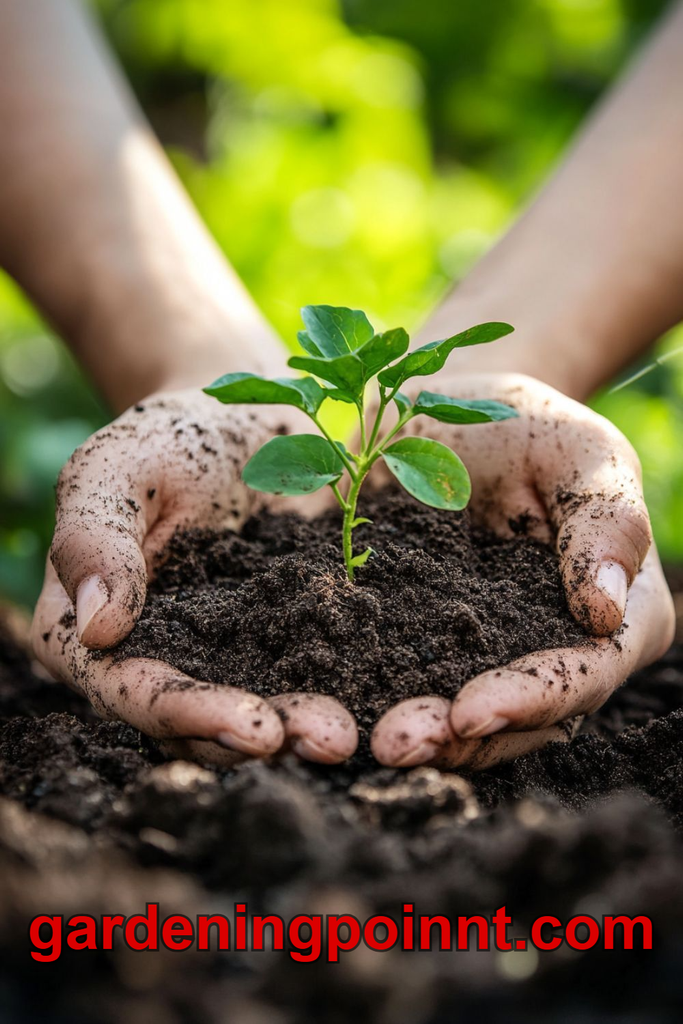
Many vining and branching plants, including pothos, philodendron and tradescantia, root readily from a stem cutting placed in water, with a node submerged beneath the surface. Roots typically appear within two to four weeks, after which the cutting can be potted into soil.
Division
Clumping plants such as snake plants, spider plants, peace lilies and many ferns can be divided at the root ball into multiple sections, each retaining its own roots and leaves, then potted individually as fully independent plants.
Leaf Cuttings
Certain plants, including succulents, African violets and snake plants, can regenerate an entirely new plant from a single leaf or leaf section, though this method is generally slower than stem cuttings or division.
General Propagation Tips
Always use clean tools to reduce infection risk, propagate during the active growing season for the fastest results, and keep new cuttings in consistently warm, appropriately humid conditions while roots establish.
Troubleshooting Common Plant Problems
Yellowing Leaves
Most frequently caused by overwatering, though it can occasionally indicate a nutrient deficiency in older, established plants. Check soil moisture and drainage first before considering other causes.
Brown, Crispy Leaf Edges
Typically linked to low humidity, underwatering, mineral buildup from tap water or fertilizer, or occasionally direct sun scorch. Consider the plant’s specific water and light preferences to narrow down the cause.
Leggy, Stretched Growth
A clear sign of insufficient light, as the plant elongates in an effort to reach a stronger light source. Relocate to a brighter spot or introduce supplemental grow lighting.
Sudden Leaf Drop
Often triggered by a change in environment, such as a house move, cold drafts, or a significant temperature shift, rather than by watering or feeding. Stabilizing conditions and allowing time for adjustment is usually the appropriate response.
Wilting Despite Moist Soil
Can indicate root rot from previous overwatering, where damaged roots can no longer take up water even when it is available. Inspect the roots directly if this pattern persists.
Common Pests and How to Manage Them
Spider mites produce fine webbing and tiny speckled discoloration on leaves, and thrive in dry conditions. Raising humidity and treating with insecticidal soap or neem oil generally controls them.
Mealybugs appear as small white, cottony masses, often clustered at leaf joints. Removing them with a cotton swab dipped in rubbing alcohol, followed by neem oil treatment, is typically effective.
Fungus gnats are small flies hovering around the soil surface, caused by persistently damp topsoil. Allowing the surface to dry more fully between waterings and using yellow sticky traps addresses both the immediate nuisance and the underlying cause.
Aphids cluster on new growth and are usually dislodged with a firm rinse of water, followed by insecticidal soap for any remaining insects.
Scale appears as small, immobile brown bumps along stems, and can be scraped off gently before treating with neem oil to prevent recurrence.
Quarantining any newly acquired plant for about two weeks before placing it near existing plants remains the most reliable way to prevent a pest problem from spreading through an entire collection.
Building a Simple Plant Care Routine
Rather than reacting to problems as they appear, a brief weekly check prevents most issues before they start. Look over each plant for a moment: check soil moisture with a finger, glance for any yellowing, browning or pest activity, and rotate the pot slightly if it has been sitting in the same position for a while. Once a month, wipe dust from larger leaves and assess whether fertilizing is due based on the season. This small, consistent habit accomplishes more than any single elaborate care technique.
Mistakes to Avoid
- Watering on a fixed schedule instead of checking the actual soil moisture.
- Choosing a plant that does not suit the light available in its intended spot.
- Using a pot without drainage holes.
- Fertilizing during winter dormancy, when the plant cannot use the extra nutrients.
- Sizing up dramatically when repotting, rather than gradually.
- Reacting to every minor change immediately, rather than allowing time for adjustment.
- Skipping quarantine for newly purchased plants.
Frequently Asked Questions
How often should I water my plants? There is no universal frequency. Check the soil directly before each watering, and adjust for season, since most plants need considerably less water in autumn and winter than in spring and summer.
What is the most common plant care mistake? Overwatering, by a significant margin. Waterlogged soil deprives roots of oxygen and leads to root rot, which is responsible for more plant deaths than underwatering, poor light or pests combined.
Do all plants need fertilizer? Eventually, yes, since potting mix depletes its nutrients over time. However, fertilizer should be applied sparingly and mainly during the active growing season, not year-round.
How do I know if my plant needs more light? Leggy, stretched growth with unusually long gaps between leaves, pale coloring, and a general lean toward the nearest light source are all signs a plant would benefit from a brighter location.
Is misting an effective way to raise humidity? Only marginally and briefly. A humidifier or a grouped cluster of plants raises ambient humidity far more effectively and consistently than misting with a spray bottle.
When is the best time to repot a plant? Early spring, at the start of the active growing season, gives the plant the best chance to recover quickly from any root disturbance involved in the process.
Final Thoughts
Good plant care is less about having a natural talent and more about paying attention to a handful of consistent signals: the feel of the soil, the direction and intensity of the light, the season, and the way a plant’s leaves respond to its conditions. Learn to read those signals accurately, apply the fundamentals covered here, and almost any plant — regardless of species or reputation for difficulty — becomes far more manageable than its reputation suggests.