Home gardening is a simple and enjoyable way to make everyday life more environmentally friendly. You do not need a large yard or expensive equipment to start a garden. Even a few pots on a balcony, a small backyard space, or a few plants near a window can make a positive difference. Home gardening can reduce waste, support local nature, save resources, and encourage people to make healthier and more responsible choices.
A greener lifestyle means making daily choices that are better for the environment. These choices can include reducing waste, saving water and energy, using fewer harmful products, and making better use of natural resources. Home gardening fits naturally into this lifestyle because it allows people to grow plants, herbs, fruits, and vegetables close to home. With a little care and patience, a home garden can become an important part of an environmentally friendly routine.
Home Gardening Reduces Food Miles
One of the biggest benefits of home gardening is that it can reduce the distance food travels before reaching your plate. Fruits and vegetables sold in stores may travel long distances from farms, warehouses, and distribution centers. Transportation requires fuel and produces emissions.
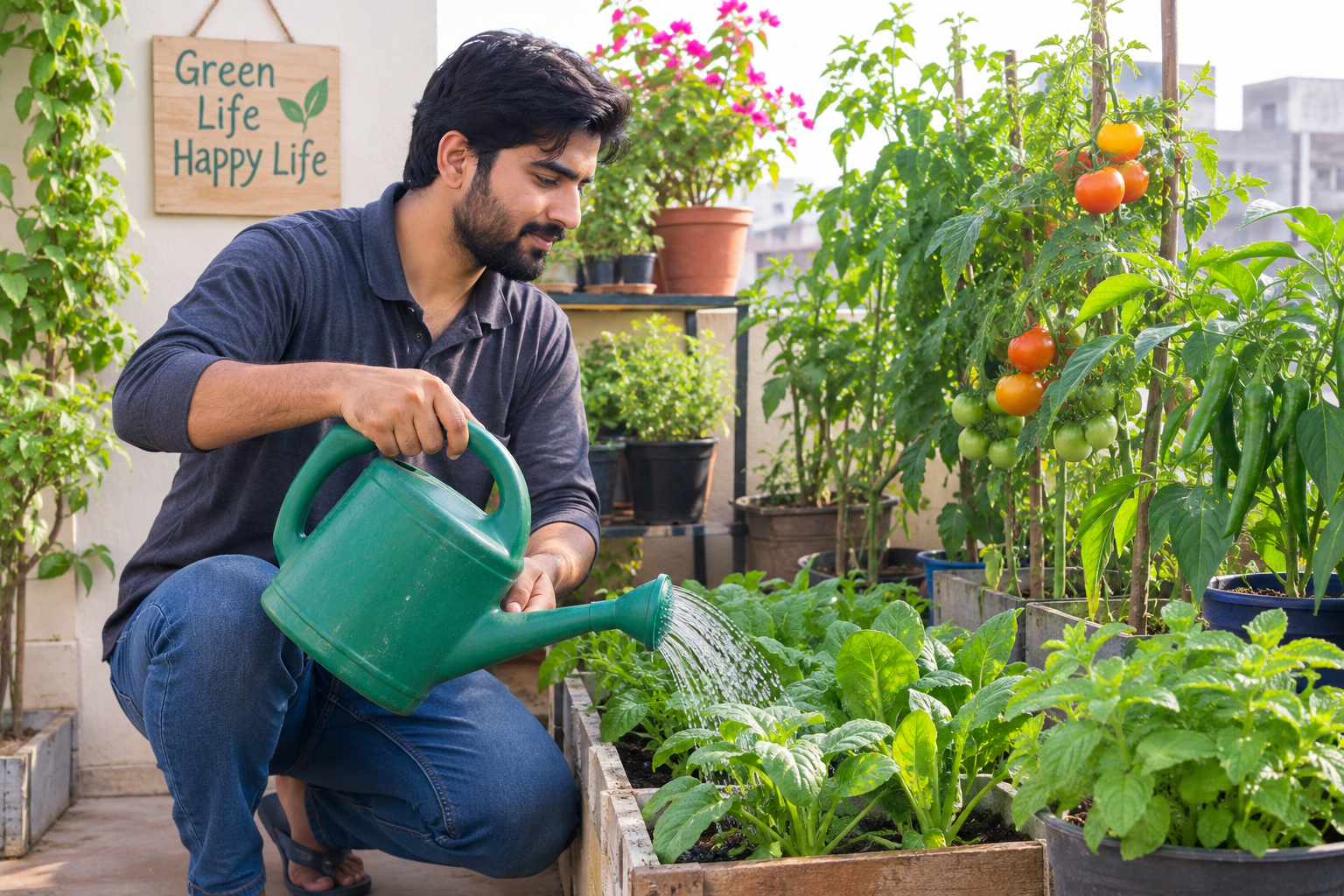
Growing vegetables at home means some of your food can come directly from your garden. Fresh tomatoes, spinach, chilies, herbs, lettuce, and other vegetables can be picked when needed. This can reduce the need to buy certain produce that has traveled long distances.
Home gardening cannot replace all grocery shopping, but even growing a small amount of food can encourage a greener lifestyle. When people understand where their food comes from, they often become more aware of the environmental impact of food production and transportation.
Growing Food Can Reduce Plastic Waste
Plastic packaging is another environmental problem that home gardening can help reduce. Many fruits, vegetables, herbs, and salad products are sold in plastic bags, boxes, trays, or containers. Buying fresh produce without unnecessary packaging can reduce household plastic waste.
When you grow your own vegetables, you can pick exactly what you need. Instead of buying a large package of herbs or vegetables and allowing some of them to spoil, you can harvest a small amount from your garden.
For example, growing fresh mint, coriander, basil, or green onions at home can reduce the need to purchase small packaged quantities. This simple habit can support waste reduction and make your kitchen more environmentally friendly.
Home Gardening Supports Natural Habitats
A home garden can become a small habitat for birds, butterflies, bees, and other useful insects. Flowers provide nectar for pollinators, while plants can provide shelter and food for small creatures.
Choosing a variety of plants can make your garden more welcoming to local wildlife. Flowering plants, herbs, native plants, and fruit producing plants can all contribute to a healthier garden environment.
Pollinators are especially important because bees, butterflies, and other insects help many plants reproduce. By growing flowers that attract pollinators, homeowners can create small green spaces that support biodiversity.
Even a balcony garden can provide some value for insects. A few flowering pots may not create a complete natural habitat, but they can still add more plant life to an otherwise built up environment.
Composting Makes Gardening More Sustainable
Home gardening and composting work very well together. Kitchen scraps such as fruit peels, vegetable pieces, coffee grounds, and some other organic materials can be composted instead of being thrown away.
Compost can later be used to improve garden soil. It adds organic matter and helps create a healthier growing environment for plants. This reduces the need to depend heavily on commercially produced soil improvements.
Composting also helps people think differently about household waste. Instead of seeing food scraps as useless rubbish, gardeners can see them as a resource that can return nutrients to the soil.
Starting a small compost system can therefore be an effective part of a greener lifestyle. It reduces organic waste while supporting the health of the home garden.
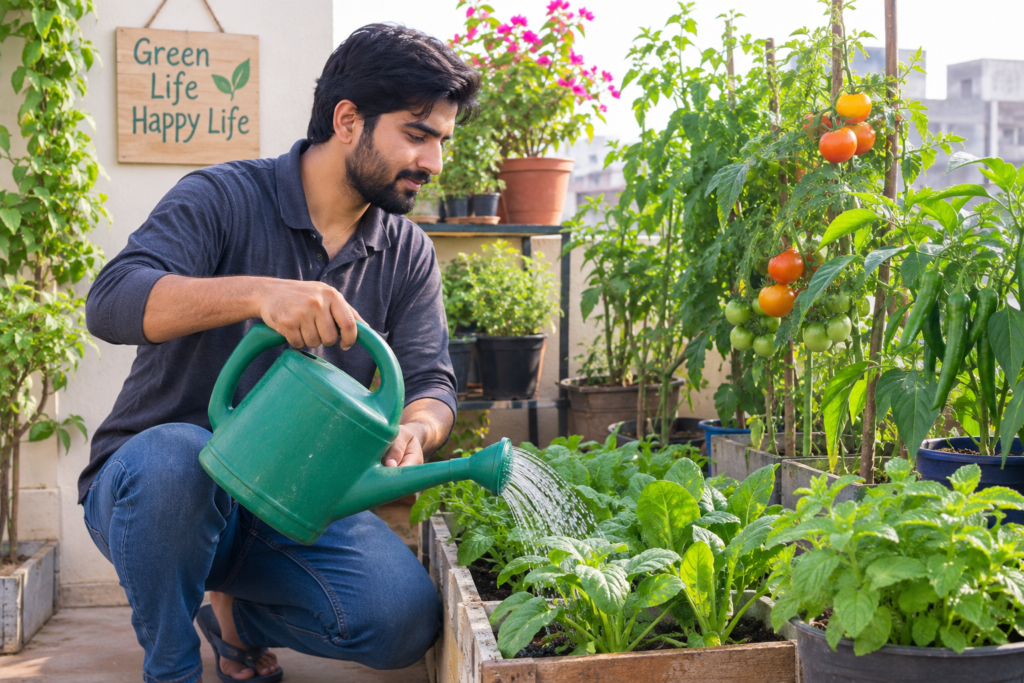
Gardening Can Encourage Water Conservation
Water is an important resource, and responsible water use is an important part of sustainable living. Home gardeners can take several steps to reduce unnecessary water consumption.
Watering plants early in the morning or later in the evening can help reduce water loss from strong sunlight and heat. Applying mulch around plants can also help the soil retain moisture for longer.
Choosing plants that are suitable for the local climate can make gardening easier and more sustainable. Plants that naturally tolerate local weather conditions may require less additional water than plants that need special conditions.
Rainwater collection can also be useful where it is safe and practical. Collected rainwater can sometimes be used for watering plants, depending on local conditions and regulations.
Organic Gardening Can Reduce Harmful Chemicals
A greener home garden can focus on natural and responsible gardening practices. Excessive use of chemical pesticides and fertilizers can have negative effects on soil, water, insects, and surrounding ecosystems.
Organic gardening methods can provide useful alternatives. Gardeners can improve soil with compost, remove weeds manually, encourage beneficial insects, and select healthy plants that are suitable for the growing conditions.
Natural gardening does not mean that every pest problem will disappear. However, learning to manage pests carefully can reduce unnecessary chemical use.
Healthy soil is also important. Adding compost and organic matter can improve soil structure and support plant growth naturally. A healthy garden ecosystem can often become more balanced over time.
Growing Your Own Food Can Reduce Food Waste
Food waste is a major concern in many households. People sometimes buy more fruits and vegetables than they can eat before they become spoiled.
A home garden can teach people to harvest food according to their needs. Instead of picking everything at once, gardeners can often collect vegetables gradually. This makes it easier to enjoy fresh produce while reducing unnecessary waste.
Gardening also creates a stronger connection with food. When people spend weeks caring for a plant, they may become less likely to waste its produce. They understand the time, water, effort, and natural resources required to grow food.
This connection can encourage more thoughtful eating and better food management.
Home Gardening Can Improve Soil Health
Healthy soil is one of the foundations of sustainable gardening. Poor soil can make plants weak and increase the need for additional fertilizers and other products.
Gardeners can protect soil by adding compost, using mulch, avoiding unnecessary digging, and keeping living plants in the soil whenever possible. Plant roots can help hold soil together and contribute organic material as they grow and naturally break down.
Different plants can also support soil health in different ways. Rotating crops and growing a variety of plants can help maintain a more balanced garden environment.
Healthy soil supports healthy plants, and healthy plants can contribute to a healthier home ecosystem.
Gardening Encourages Sustainable Habits
One of the most valuable benefits of home gardening is that it can change everyday habits. Gardening requires regular attention, so people naturally begin to notice weather, seasons, soil conditions, insects, and plant growth.
This awareness can lead to other environmentally friendly choices. Someone who starts composting may become more interested in reducing household waste. Someone who grows vegetables may become more interested in buying local food. Someone who attracts birds and butterflies may become more interested in protecting natural habitats.
In this way, home gardening can be more than a hobby. It can become a practical starting point for a greener lifestyle.
A Small Garden Can Still Make a Difference
People sometimes believe that sustainable gardening requires a large piece of land. This is not true. A small garden can still provide meaningful benefits.
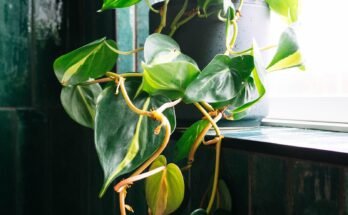
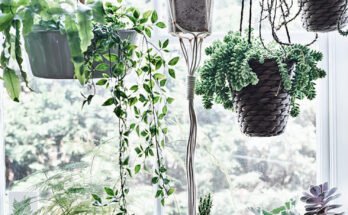
A few containers can be used to grow herbs. A balcony can hold flowering plants and vegetables. A small backyard can support a mixture of vegetables, flowers, and herbs. Even indoor plants can help people develop a stronger connection with nature.
The goal is not to create a perfect garden. The goal is to make practical choices that reduce waste, support nature, and use resources responsibly.
Conclusion
Home gardening can support a greener lifestyle in many simple ways. It can reduce food miles, limit plastic packaging, decrease food waste, support pollinators, improve soil health, and encourage responsible water use. Composting and natural gardening practices can make the garden even more sustainable.
The greatest advantage of home gardening is that it turns environmental responsibility into something practical and personal. Instead of thinking about sustainability as a difficult task, people can experience it through everyday activities such as planting seeds, watering vegetables, making compost, harvesting food, and caring for flowers.
You do not need a large garden to live a greener life. Starting with a few plants and gradually learning better gardening habits can make a positive difference. Home gardening shows that small actions can become meaningful environmental habits when they are practiced consistently. By growing more at home and wasting less, anyone can take a simple step toward a healthier home and a greener future.