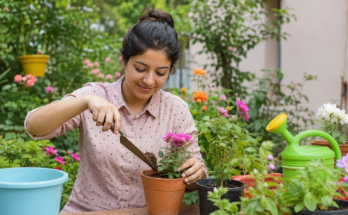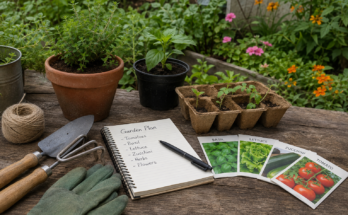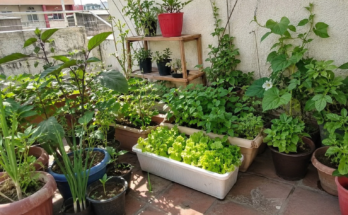
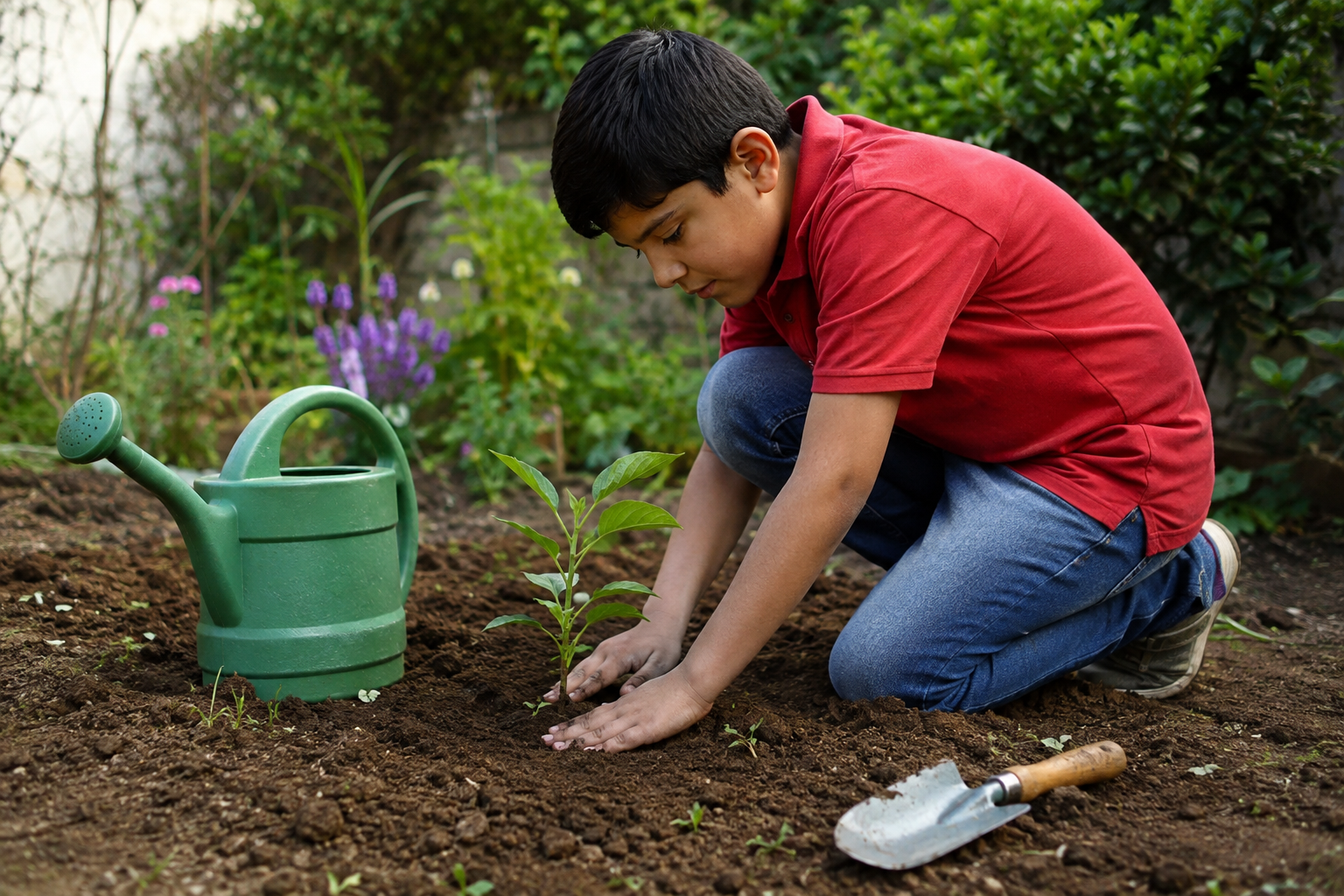
Gardening is more than a simple hobby that makes your home look beautiful. It is an activity that can teach important life lessons in a natural and enjoyable way. One of the biggest lessons gardening can teach is patience. Plants do not grow overnight, and gardeners cannot rush the process. They need time, care, water, sunlight, and attention before they can enjoy the results. At the same time, gardening teaches responsibility because plants depend on regular care to stay healthy.
For children and adults, gardening can be a practical way to understand the value of patience and responsibility. When you plant a seed and watch it slowly become a healthy plant, you learn that good results often require consistent effort. Gardening also helps people understand that every small action can make a difference. Watering a plant, removing weeds, checking the soil, and giving plants enough sunlight are simple tasks, but they are important for successful growth.
Gardening Teaches the Value of Patience
Patience is one of the most important skills that gardening can develop. In everyday life, people often want quick results. Gardening shows us that nature works at its own pace. A seed needs time to develop roots, grow leaves, and eventually produce flowers, fruits, or vegetables.
When you plant seeds in your garden, you may not see anything happening for several days. This waiting period teaches you not to give up simply because you cannot see immediate progress. You continue caring for the soil and watering the seeds because you understand that growth takes time.
This is one reason gardening is a healthy hobby for people of different ages. It gives them an opportunity to slow down and appreciate gradual progress. Watching a tiny seed become a strong plant can remind us that many valuable things in life also require time.
Learning Through Waiting
Gardening teaches that waiting does not mean doing nothing. While waiting for plants to grow, gardeners continue to provide the care plants need. They check the soil, remove weeds, protect plants from pests, and make sure they receive enough sunlight.
This creates an important understanding of patience. Real patience means continuing to make an effort even when the final result has not arrived yet. A gardener does not dig up a seed every day to check whether it is growing. Instead, the gardener trusts the process and provides proper care.
This lesson can be useful in education, work, relationships, and personal goals. Many achievements require regular effort before results become visible.
Gardening Builds Responsibility
Gardening also teaches responsibility in a very practical way. Plants cannot take care of themselves. They depend on the gardener for water, suitable soil, sunlight, protection, and regular attention.
When someone decides to grow a garden, they take responsibility for keeping plants healthy. Forgetting to water plants for too long can cause them to become weak or dry. Ignoring weeds can make it harder for plants to receive enough nutrients. Failing to protect plants from pests can also damage the garden.
These experiences show that responsibility means taking care of something consistently. It is not only about doing a task once. It is about creating a routine and following it regularly.
Creating a Daily Gardening Routine
A gardening routine can make responsibility easier to understand. A gardener may check the plants in the morning, water them when necessary, remove unwanted weeds, and look for signs of disease or pests.
These small tasks can become part of a daily or weekly routine. Over time, the gardener learns that consistency is more important than doing a lot of work once in a while.
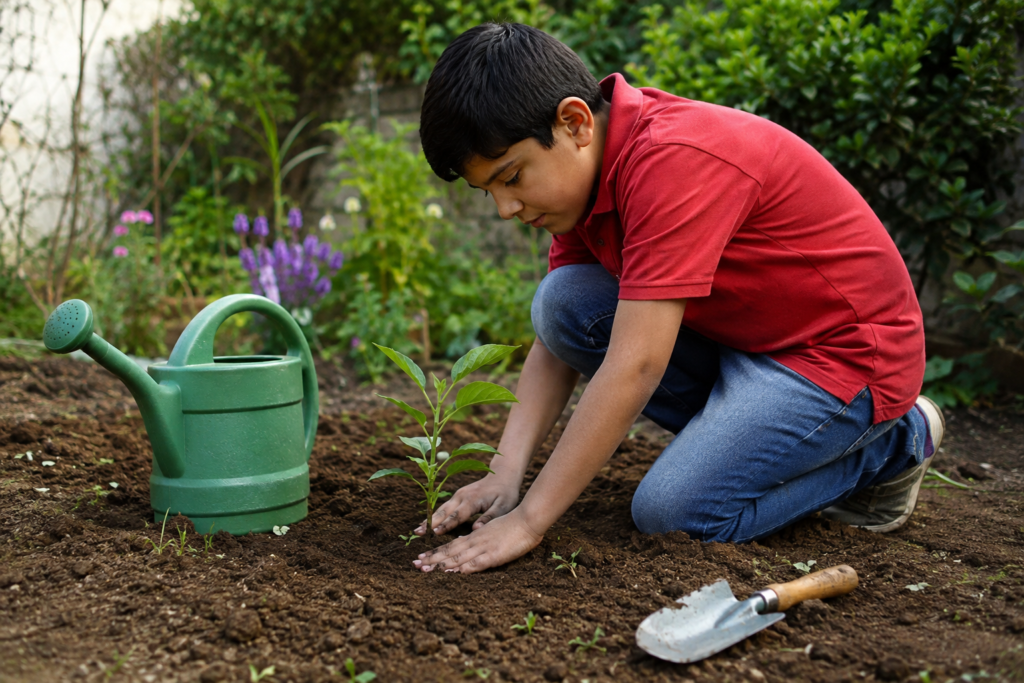
For children, this can be especially useful. Giving a child responsibility for watering a few plants can help them understand that living things depend on regular care. They can see the direct results of their actions as plants grow and become healthier.
Understanding Cause and Effect
Gardening provides a clear example of cause and effect. When plants receive proper water, sunlight, nutrients, and care, they are more likely to grow well. When their basic needs are ignored, problems can appear.
This makes gardening an excellent learning experience. Instead of simply being told that responsibility matters, gardeners can see the results themselves.
For example, if a person forgets to water a plant during hot weather, the leaves may begin to droop. After providing enough water, the plant may recover. This simple experience teaches that actions have consequences.
Gardening can therefore help develop a stronger understanding of personal responsibility. The gardener becomes aware that their choices can influence the health and success of the garden.
Learning From Mistakes
No garden is perfect. Even experienced gardeners make mistakes. Seeds may fail to grow, plants may become sick, or vegetables may not develop as expected. Instead of seeing these situations only as failures, gardeners can use them as learning opportunities.
A gardening mistake can encourage a person to ask useful questions. Was the plant receiving enough sunlight? Was the soil suitable? Was it watered too much or too little? Were pests responsible for the damage?
This process teaches patience because improvement may require several attempts. It also teaches responsibility because the gardener learns to understand problems and make better decisions next time.
Gardening Teaches Commitment
Starting a garden is easy, but maintaining one requires commitment. A person may feel excited when planting seeds, but the real responsibility begins afterward.
Plants need continued attention throughout their growing period. Gardeners need to remain committed even when the work becomes repetitive. Watering, weeding, pruning, and checking plants may not always feel exciting, but these activities are necessary.
This teaches an important life lesson. Success often comes from continuing to work toward a goal after the initial excitement disappears. Gardening makes this lesson visible because plants respond to the quality of care they receive over time.
Seeing Progress Can Build Confidence
Gardening can also improve confidence because it allows people to see the results of their effort. When a gardener watches a small seed develop into a healthy plant, they can feel proud of what they have accomplished.
The progress may be slow, but every new leaf, flower, or vegetable represents another stage of growth. This can encourage people to become more patient with themselves and their personal goals.
A beginner gardener may start with a few easy plants. As their knowledge grows, they can try more challenging crops. Each successful experience can increase their confidence and encourage them to keep learning.
Gardening Encourages Care for Nature
Another valuable lesson gardening can teach is respect for nature. Gardeners become more aware of soil, weather, insects, sunlight, water, and seasonal changes.
Spending time with plants can help people understand that nature follows its own patterns. Some plants grow quickly while others need more time. Some crops prefer warm weather while others perform better in cooler conditions.
This understanding can make people more respectful of natural processes. Instead of expecting immediate results, they learn to observe and adapt.
Patience and Responsibility Work Together
Patience and responsibility are closely connected in gardening. Patience helps gardeners wait for plants to grow, while responsibility ensures that plants receive the care they need during that waiting period.
One without the other is not enough. A gardener may be patient but still fail if they do not provide proper care. Similarly, a gardener may be responsible about watering and feeding plants but become frustrated because growth takes time.
Successful gardening requires both qualities. The gardener works consistently while accepting that nature needs time.
Gardening as a Life Lesson
The lessons learned from gardening can extend far beyond the garden. Patience can help people handle challenges without becoming frustrated too quickly. Responsibility can help them manage work, family duties, personal goals, and everyday tasks more effectively.
Gardening teaches that meaningful results usually come from small actions repeated over time. A garden does not become healthy because of one afternoon of work. It becomes healthy because someone continues to care for it.
The same principle can apply to many areas of life. Learning a new skill, improving fitness, building a career, or developing good habits all require consistency and patience.
Conclusion
Gardening is a simple activity with powerful lessons. It teaches patience by showing that plants need time to grow and develop. It teaches responsibility by requiring regular care and attention. It also helps people understand cause and effect, learn from mistakes, build commitment, and appreciate gradual progress.
Whether you have a large backyard garden or a few plants in containers, gardening can become a valuable learning experience. Every seed, plant, and harvest provides an opportunity to understand the importance of caring for something over time.
By practicing patience and responsibility in the garden, people can develop qualities that are useful throughout life. Gardening reminds us that growth cannot always be rushed. With consistent care, attention, and patience, small efforts can eventually produce beautiful and rewarding results.