
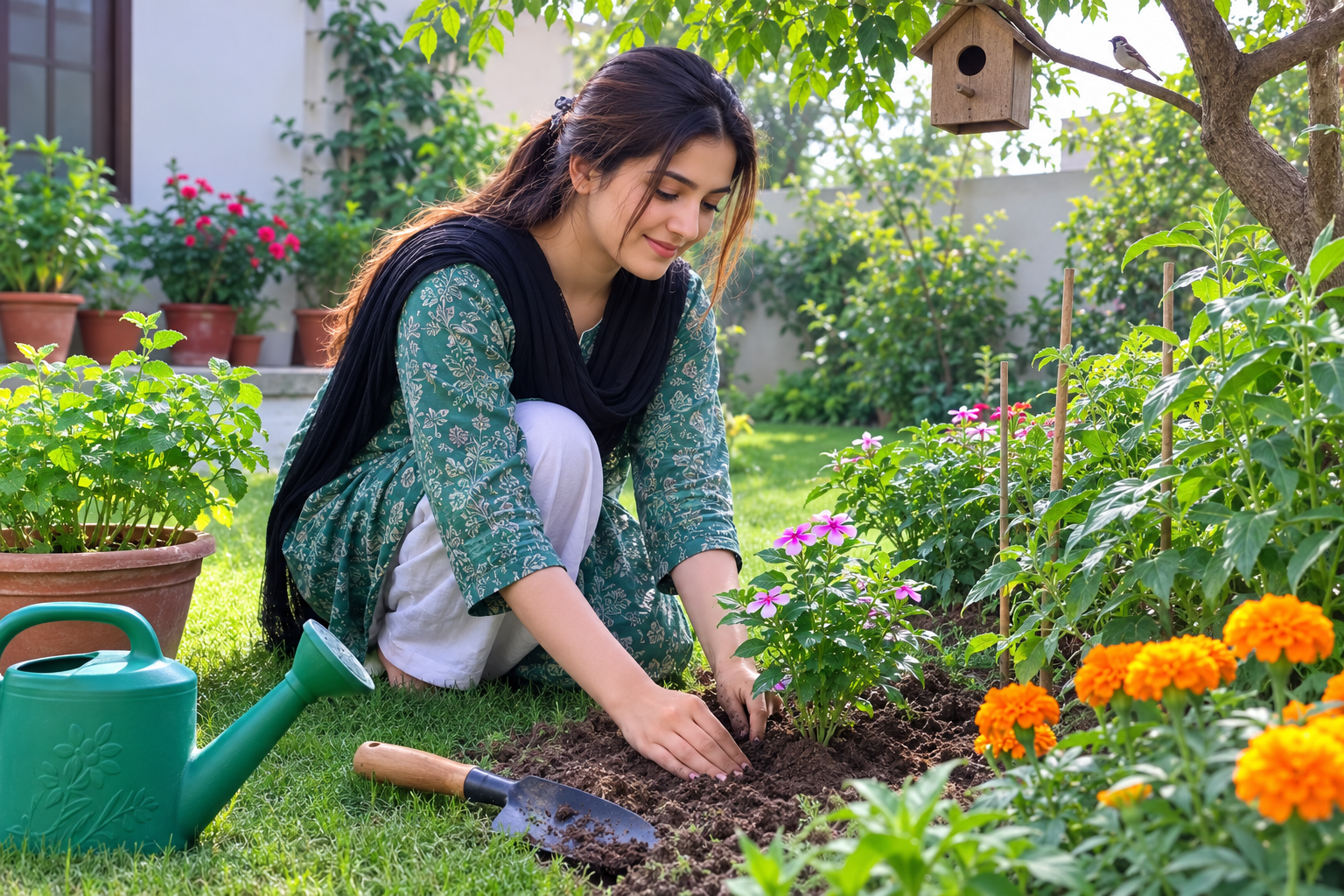
Gardening is one of the simplest ways to spend more time with nature. In a busy world where many people spend hours indoors, looking at screens, and dealing with daily responsibilities, gardening gives us a chance to slow down and connect with the natural world. Even a small garden can help people notice plants, flowers, insects, birds, sunlight, rain, and changing seasons. This simple activity can make us feel more connected to the environment around us.
Gardening is not only about growing vegetables or beautiful flowers. It is also about understanding how nature works and learning to appreciate the small changes that happen every day. When people care for plants, they become more aware of the soil, weather, water, sunlight, and living creatures that support plant growth. This experience can create a deeper respect for nature and encourage people to live in a more environmentally friendly way.
Gardening Creates a Direct Connection With Nature
One of the biggest benefits of gardening is that it provides a direct connection with nature. Instead of only seeing nature in pictures or videos, gardeners can touch the soil, plant seeds, water plants, and watch new leaves appear. These simple experiences help people understand that nature is alive and constantly changing.
When you plant a seed, you may not see any results for several days. With time, a small plant begins to grow. Watching this process can help people understand the natural cycle of life. It also makes gardening more meaningful because gardeners can see how their care and the natural environment work together.
Gardening Helps People Notice Small Natural Changes
Modern life can make people overlook the small details of nature. Gardening changes this by encouraging people to pay attention. A gardener may notice that a flower has opened, a new leaf has appeared, or a butterfly has started visiting the garden.
These small observations can make everyday life more interesting. People begin to notice changes in temperature, sunlight, rainfall, and plant growth. They may also recognize different birds, insects, and other creatures that visit the garden.
This increased awareness is an important part of connecting with nature. The more people observe their surroundings, the more they understand and appreciate the natural world.
Plants Teach Us About the Natural Life Cycle
Gardening provides a practical lesson about the life cycle of plants. Seeds grow into seedlings, seedlings become mature plants, flowers appear, and many plants eventually produce fruits or new seeds. Some plants complete their life cycle within a few months, while others continue growing for many years.
By watching these changes, gardeners learn that nature follows its own timing. Plants cannot be forced to grow faster simply because someone wants them to. They need suitable soil, water, sunlight, nutrients, and time.
This understanding can help people become more patient and respectful toward nature. It also shows why protecting natural resources is important for the future of plants, animals, and people.
Gardening Encourages Outdoor Time
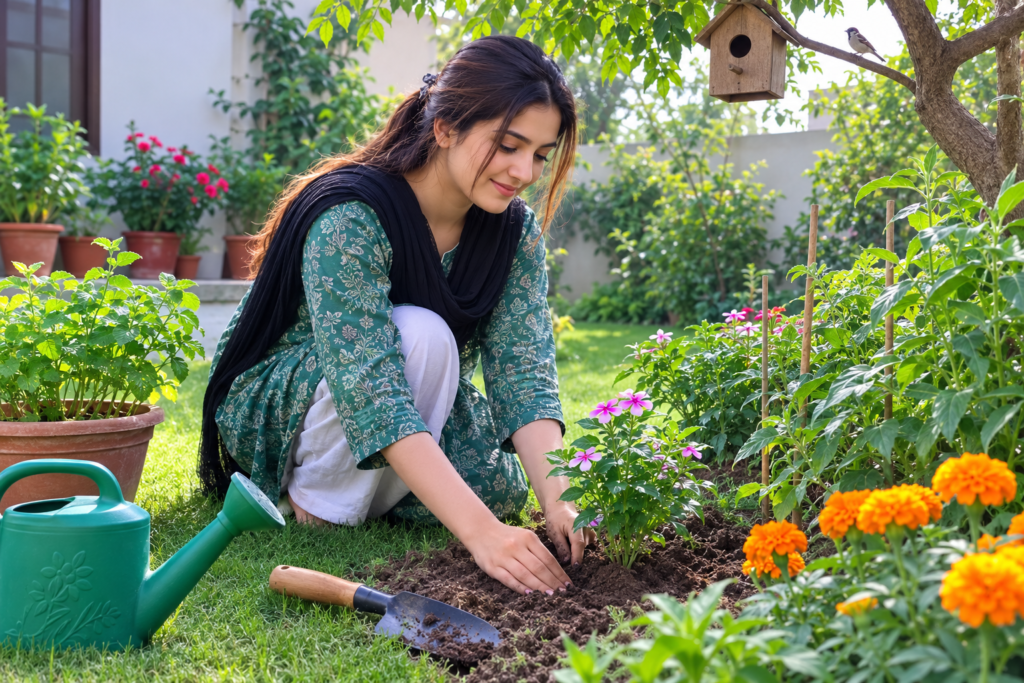
Spending time outdoors is an important part of feeling connected to nature. Gardening naturally encourages people to leave indoor spaces and spend time outside. Even fifteen or thirty minutes in a garden can provide an opportunity to enjoy fresh air and observe the environment.
Outdoor gardening also gives people a chance to experience different weather conditions. Gardeners notice warm sunshine, cool mornings, gentle rain, and changes in the seasons. These experiences can make people feel more aware of their surroundings.
For people who spend most of their day indoors, regular gardening can become a simple way to make outdoor time part of their routine.
Gardening Brings People Closer to Wildlife
A garden can become a small home for many forms of wildlife. Flowers can attract bees and butterflies, while plants can provide food and shelter for insects and birds. Even a small garden can support different living creatures.
When gardeners see wildlife visiting their plants, they often become more interested in learning about these creatures. They may discover which flowers attract butterflies or which plants provide food for birds.
This experience can create a stronger appreciation for biodiversity. People begin to understand that gardens are not only places for humans. They can also provide valuable spaces for other living things.
Gardening Helps People Understand the Importance of Soil
Soil is one of the most important parts of gardening, but many people rarely think about it. Gardening helps people understand that healthy soil is full of life and plays an important role in plant growth.
Gardeners learn about compost, organic matter, moisture, nutrients, and soil health. They may discover that earthworms and microorganisms help improve the soil. This knowledge can increase respect for the natural systems that support food production and plant life.
Understanding soil can also encourage people to avoid unnecessary chemicals and use more natural gardening methods when possible.
Gardening Teaches Respect for Water
Water is another important part of gardening. Plants need water to survive, but gardeners quickly learn that too much or too little water can cause problems. This helps people understand the importance of using water carefully.
Gardeners can learn simple ways to conserve water, such as watering plants in the morning, using mulch, collecting rainwater where appropriate, and choosing plants that are suitable for the local climate.
These habits can make people more conscious of water as a valuable natural resource. A person who learns to save water in the garden may also become more careful about water use in other parts of life.
Gardening Makes Seasonal Changes Easier to Appreciate
Nature changes throughout the year, and gardening makes these changes easy to observe. Spring may bring new growth and colorful flowers. Summer can bring strong plant growth and fresh vegetables. Autumn may bring falling leaves and the end of certain crops. Winter can provide a period of rest for many plants.
Gardeners become familiar with these seasonal patterns because they see them directly. This can create a stronger connection with the natural rhythm of the year.
Instead of seeing seasons only as changes in temperature, gardeners begin to understand them through plant growth, weather, wildlife, and soil conditions.
Gardening Can Encourage Environmental Awareness
People who spend time gardening often become more aware of environmental issues. They may start thinking about pollution, soil health, water conservation, biodiversity, and the importance of protecting green spaces.
Growing plants at home can also show people how much effort goes into producing food. When someone grows tomatoes, herbs, peppers, or other vegetables, they understand that food requires sunlight, water, healthy soil, time, and care.
This awareness can encourage more responsible choices. Gardeners may choose reusable materials, compost kitchen waste, reduce unnecessary chemicals, or plant flowers that support pollinators.
Gardening Creates a Sense of Responsibility
Taking care of a garden creates a relationship between people and living plants. Plants depend on regular care, but they also respond to natural conditions. This creates a balance between human responsibility and natural processes.
Gardeners learn that forgetting to water plants or ignoring pests can affect plant health. At the same time, they learn that they cannot control everything. Weather, insects, disease, and seasonal changes are all part of nature.
This balance teaches an important lesson. Humans can care for nature, but they are also part of a much larger natural system.
Gardening Can Make Nature Part of Daily Life
One reason gardening is so effective for connecting people with nature is that it can become part of everyday life. A person does not need to travel to a forest, mountain, or national park to experience nature. A backyard, balcony, patio, or small collection of containers can provide a natural space.
Even a few plants can bring greenery, flowers, fragrance, and wildlife into a home environment. This makes it easier for people to develop a regular relationship with nature.
Conclusion
Gardening can bring people closer to nature by creating direct and meaningful experiences with plants, soil, water, weather, insects, birds, and changing seasons. It encourages people to slow down, observe their surroundings, and understand the natural processes that support life.
The benefits of gardening go beyond growing plants. It can increase environmental awareness, encourage outdoor time, teach patience, and create respect for natural resources. A simple garden can remind us that humans are connected to the environment and depend on healthy natural systems every day.
Whether someone has a large backyard or only a few pots on a balcony, gardening offers an easy opportunity to reconnect with nature. By caring for plants and paying attention to the world around us, we can develop a deeper appreciation for the natural environment and make nature a meaningful part of everyday life.