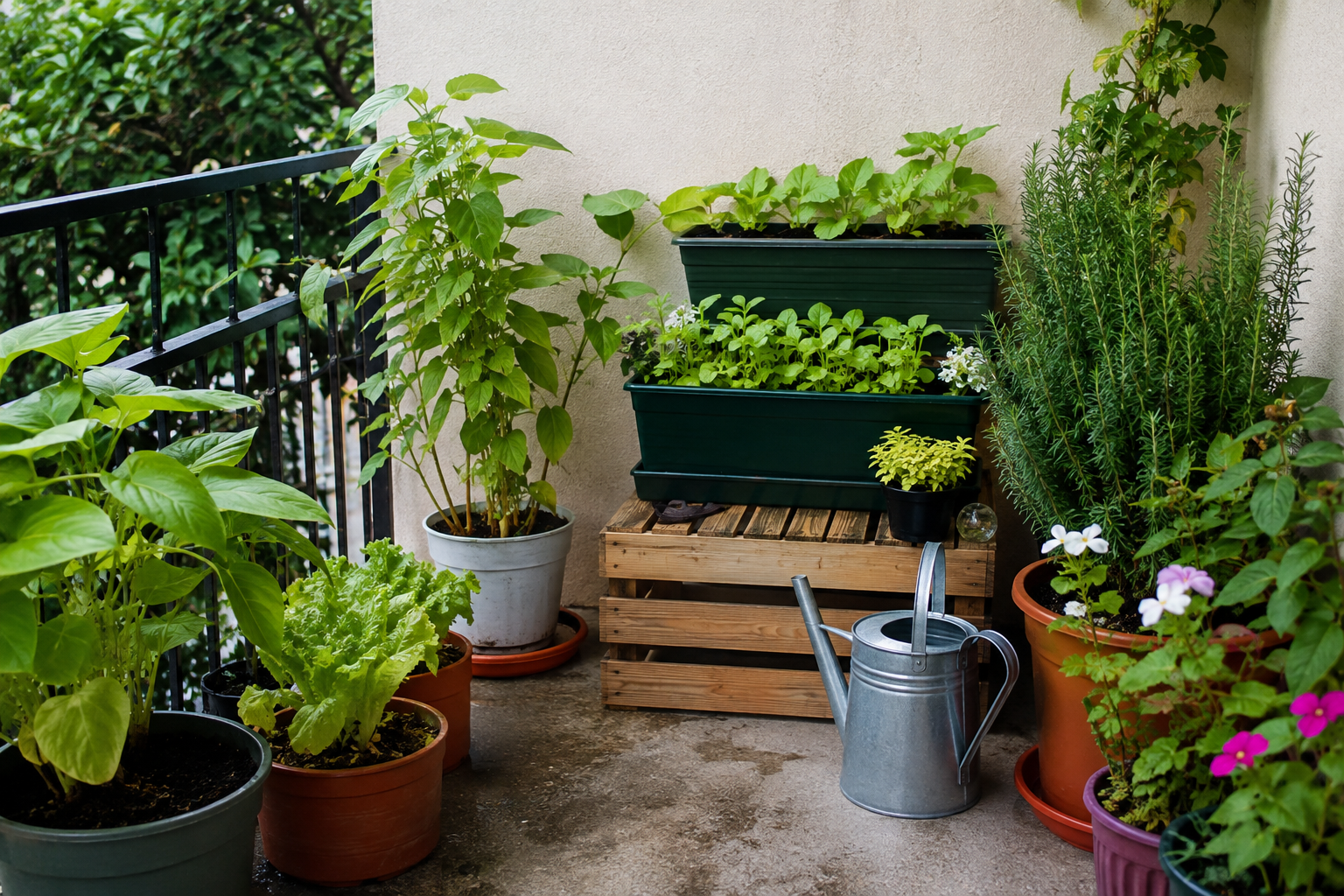
Creating a small eco friendly garden is a simple way to make your home greener, healthier, and more connected to nature. You do not need a large backyard or expensive equipment to enjoy the benefits of gardening. Even a small space such as a balcony, rooftop, patio, or corner of a yard can become a useful green area. With the right plants and simple gardening methods, a small garden can support the environment while also improving your daily life.
A small eco friendly garden focuses on natural and sustainable gardening practices. It can include vegetables, herbs, flowers, native plants, and other useful greenery. Instead of depending heavily on chemicals, excessive water, or artificial products, eco friendly gardening encourages people to work with nature. This approach can reduce waste, protect natural resources, and create a healthier space for people, birds, bees, butterflies, and other helpful creatures.
Helps Protect the Environment
One of the biggest benefits of creating a small eco friendly garden is its positive effect on the environment. Plants naturally absorb carbon dioxide and release oxygen, which helps improve air quality. Even a small collection of plants can contribute to a greener living environment.
Eco friendly gardening also encourages people to use natural resources carefully. Gardeners can collect rainwater, reuse suitable household containers as plant pots, and make compost from kitchen waste. These simple habits reduce waste and encourage a more sustainable lifestyle.
When more people create small eco friendly gardens, the combined effect can be meaningful. A garden may seem small, but many small green spaces together can help create healthier communities.
Reduces Household Waste
A small eco friendly garden can help reduce the amount of waste produced at home. Organic kitchen waste such as fruit peels, vegetable scraps, dry leaves, and coffee grounds can often be turned into compost.
Composting gives organic waste a useful purpose instead of sending it to a landfill. Homemade compost can improve soil structure and provide natural nutrients for plants. This can reduce the need to buy large amounts of commercial fertilizers.
Gardeners can also reuse containers, wooden boxes, old buckets, and other suitable household items as planters. Reusing materials is an easy way to save money while reducing unnecessary waste.
Saves Water
Water conservation is another important benefit of an eco friendly garden. Traditional gardening can sometimes use more water than necessary, especially when plants are watered during hot parts of the day. Sustainable gardening encourages smarter water use.
Watering plants early in the morning or later in the evening can help reduce water loss from evaporation. Adding organic matter to the soil can also help the soil hold moisture for longer periods.
Rainwater collection is another useful practice. If local conditions allow it, gardeners can collect rainwater and use it for plants. Choosing plants that are naturally suitable for the local climate can also reduce watering needs.
Supports Bees and Butterflies
A small eco friendly garden can become a valuable home for pollinators. Bees, butterflies, and other insects play an important role in plant reproduction and food production.
Growing flowering plants can provide nectar and pollen for these helpful creatures. Herbs such as basil, mint, and rosemary can also be useful additions when they are allowed to flower. Native flowers are especially valuable because local insects are often well adapted to them.
Avoiding unnecessary chemical pesticides is another important part of creating a pollinator friendly garden. Natural methods can help protect plants while allowing beneficial insects to remain in the garden.
Provides Fresh Food at Home
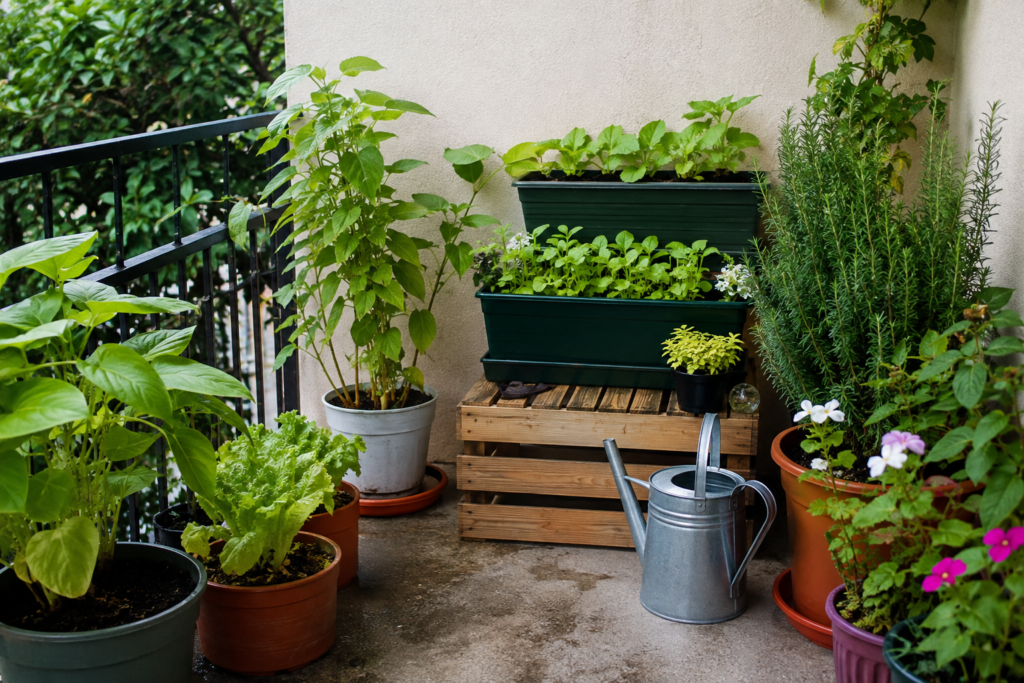
One of the most practical benefits of a small eco friendly garden is the opportunity to grow fresh food. You do not need a large garden to grow useful crops. Herbs, tomatoes, chilies, lettuce, spinach, radishes, and some vegetables can grow successfully in small spaces when given suitable conditions.
Growing food at home gives people a better understanding of where their food comes from. Freshly harvested vegetables and herbs can also add flavor to everyday meals.
Home gardening can encourage healthier eating habits because people may become more interested in using fresh produce that they have grown themselves. It can also reduce the need to purchase certain herbs and vegetables regularly.
Improves Soil Health
Healthy soil is the foundation of a successful garden. Eco friendly gardening focuses on protecting and improving soil rather than exhausting it.
Adding compost and other natural organic materials can improve soil structure and support beneficial microorganisms. These tiny organisms play an important role in maintaining healthy soil.
Covering soil with natural mulch can also help protect it from drying out. Mulch can reduce evaporation, control some weeds, and gradually add organic material to the soil as it breaks down.
Healthy soil helps plants grow stronger and can make the garden more productive over time.
Creates a Natural Habitat
Even a small garden can provide shelter and food for different forms of life. Birds may visit for insects or seeds, while butterflies and bees may come for flowers. Small beneficial insects can also find shelter among plants.
Creating different levels of vegetation can make a garden more attractive to wildlife. Flowers, herbs, shrubs, and ground covering plants can provide different types of spaces.
A small eco friendly garden does not need to look perfect. In fact, a natural garden with different plants and some fallen leaves can provide better habitat for insects and other small creatures.
Saves Money
Eco friendly gardening can also be economical. Once a garden is established, gardeners can save money by growing some of their own herbs and vegetables.
Making compost at home can reduce the need to purchase soil amendments. Reusing containers can reduce the cost of buying new pots. Saving seeds from suitable plants can also help reduce future gardening expenses.
Although starting a garden may require a small investment, simple sustainable methods can keep long term costs manageable.
Supports Mental Well Being
Spending time around plants can make daily life feel calmer and more enjoyable. Gardening gives people an opportunity to step away from screens, spend time outdoors, and focus on a practical activity.
Planting seeds, watering plants, removing weeds, and watching new growth can provide a sense of achievement. Gardening also encourages patience because plants need time to grow.
A small eco friendly garden can become a peaceful place where people can relax after a busy day. Even a few plants on a balcony can add natural beauty to an otherwise ordinary space.
Encourages a Greener Lifestyle
Creating an eco friendly garden can influence other areas of life. Once people start thinking about water conservation, composting, recycling, and natural gardening, they may become more aware of their overall environmental impact.
Gardening can encourage families to discuss sustainability and teach children about nature. Children can learn how plants grow, why insects are important, and how food can be produced naturally.
These lessons can help develop responsible habits that continue beyond the garden.
Makes Small Spaces More Beautiful
A small garden can transform a simple outdoor area into a more attractive and welcoming space. Green plants, colorful flowers, and fresh herbs can make balconies, patios, rooftops, and small yards feel more alive.
You can arrange plants in containers, vertical planters, raised beds, or simple garden boxes. The goal is not to create a perfect landscape. The goal is to use available space creatively while supporting nature.
How to Start a Small Eco Friendly Garden
Starting a small eco friendly garden does not have to be complicated. Begin by choosing a suitable location that receives enough sunlight for the plants you want to grow. Select plants that are suitable for your local climate and available space.
Use natural compost to improve the soil and avoid unnecessary chemical products. Water plants carefully and consider collecting rainwater when practical. Reuse suitable containers and household materials instead of buying everything new.
Choose a mixture of food producing plants and flowering plants. This can give you useful produce while also providing food for pollinators.
Most importantly, start small. A few healthy plants are better than a large garden that becomes difficult to manage.
Conclusion
Creating a small eco friendly garden is an easy and meaningful way to support a greener lifestyle. It can help protect the environment, reduce household waste, conserve water, support pollinators, improve soil health, and provide fresh food. At the same time, gardening can create a peaceful outdoor space and encourage healthier daily habits.
You do not need a large property or advanced gardening knowledge to get started. A few containers, some good soil, suitable plants, and sustainable gardening habits can be enough. By creating a small eco friendly garden, you can make better use of your space while giving something valuable back to nature. Small gardening choices can become part of a larger effort to create cleaner, healthier, and more sustainable communities.