
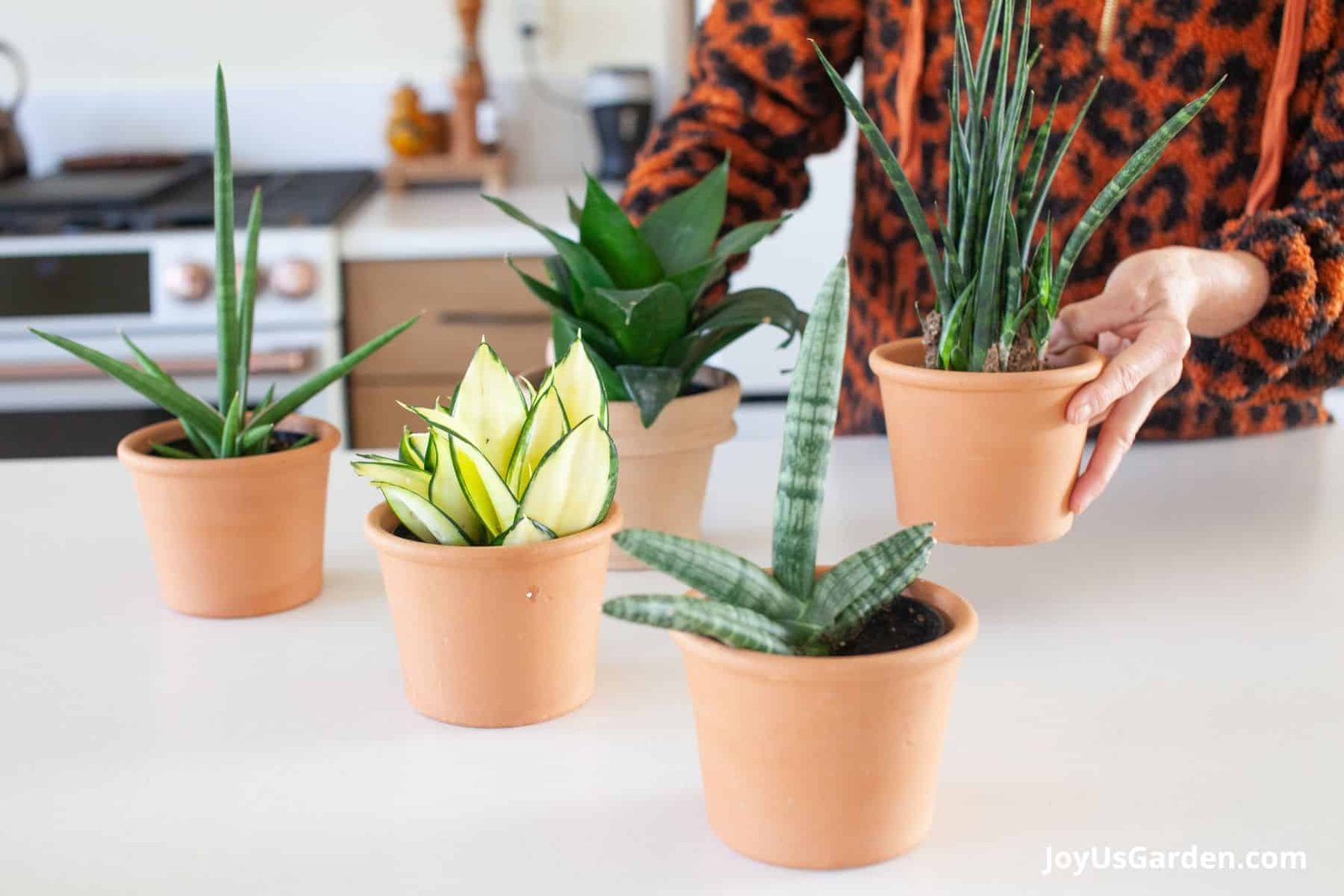
If one plant deserves the title of “impossible to kill,” it is the snake plant. Tall, sword-like leaves that rise straight up from the soil in bands of deep green and silver, sometimes edged in gold — it looks architectural and deliberate even when you have done almost nothing to earn that look.
The snake plant’s botanical name has changed in recent years. It was long known as Sansevieria trifasciata, and in 2017 taxonomists reclassified the entire genus into Dracaena, making the current correct name Dracaena trifasciata. Nurseries, plant tags and most gardening sites still use “Sansevieria” interchangeably, so both names refer to the same plant.
What makes it remarkable is not just toughness but the specific combination of traits: it tolerates low light, survives weeks of drought, needs almost no fertilizer, and continues releasing oxygen at night through a process called CAM photosynthesis, unlike most plants which do this only during the day. That last trait has made it a popular choice specifically for bedrooms.
This guide covers everything from light and watering through propagation, repotting, pests and the specific problems that occasionally trip up even a plant this forgiving.
Snake Plant Light Requirements
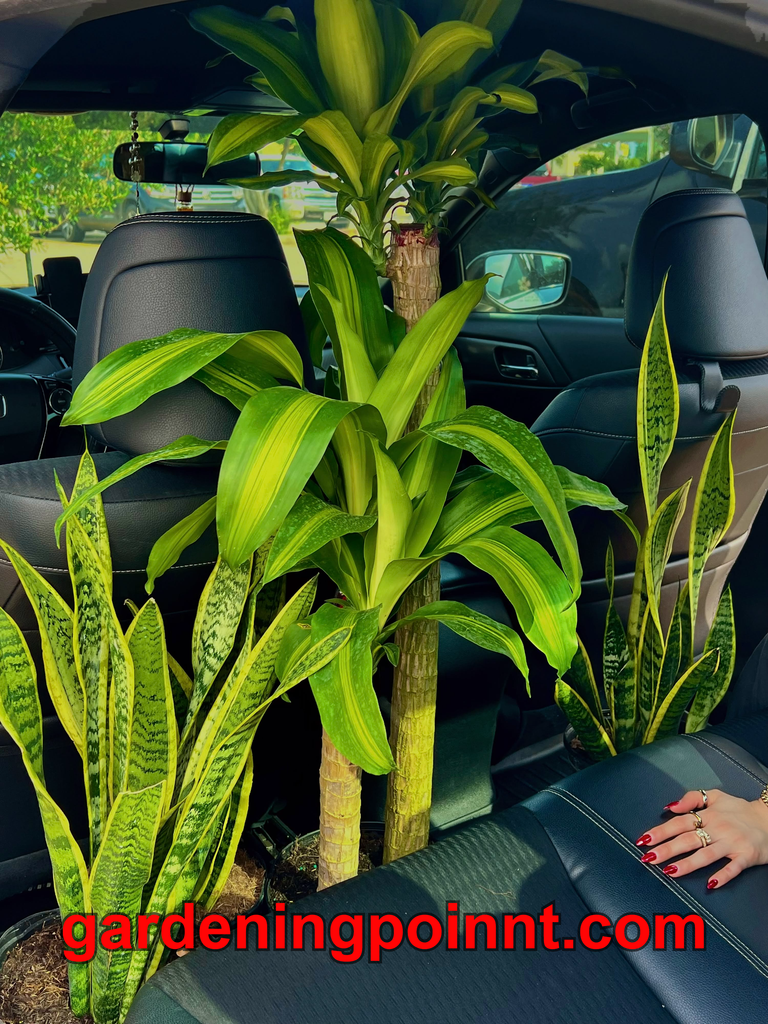
The Short Answer
Snake plants tolerate an extraordinarily wide light range — from low, indirect light in a windowless hallway to full, direct sun on a south-facing sill. Few common houseplants have this much flexibility.
Low Light
In dim rooms the plant survives comfortably but grows very slowly, and variegated varieties with yellow or cream edges may gradually lose some of that coloring and revert toward plain green. This is not a sign of illness, simply an adaptation to available light.
Bright Indirect Light
This is the ideal middle ground for most homes. A spot a meter or two back from an east or west-facing window delivers strong, even growth and keeps variegation vivid without any risk of leaf scorch.
Direct Sun
Established snake plants tolerate several hours of direct sun, particularly gentler morning light. Move a plant that has been living in shade into strong afternoon sun gradually, over one to two weeks, to avoid scorching leaves that have not built up tolerance.
Artificial Light
Snake plants do reasonably well under standard office fluorescent or LED lighting, which is part of why they are such a common corporate lobby and cubicle plant. A dedicated grow light running 10 to 12 hours daily fully sustains healthy growth in a windowless room.
How to Water a Snake Plant Correctly
The Golden Rule
More snake plants die from overwatering than from every other cause combined. The plant’s thick, upright leaves store water efficiently, similar to a succulent, which means its root system is genuinely built for drought rather than dampness.
Check Before You Water
Push a finger at least five centimeters into the soil. If it feels even slightly damp, wait. Snake plants would rather you wait an extra week than water a day too early.
Watering Frequency

As a general guide, water every two to four weeks in spring and summer, and cut this to every four to six weeks, sometimes longer, in autumn and winter when growth slows dramatically. These are starting points, not rules — actual frequency depends on pot size, light levels, and room temperature, which is exactly why the soil check matters more than any calendar.
How to Water
When you do water, do it thoroughly. Pour water until it runs freely from the drainage hole, ensuring the entire root ball is moistened, then let the pot drain fully and never let it sit in standing water in a saucer or decorative outer pot.
Signs You Are Overwatering
Soft, mushy, yellowing leaves that feel wet to the touch, a sour smell from the soil, and leaves that collapse rather than simply drooping are all classic overwatering signs, often indicating root rot has already begun.
Signs You Are Underwatering
Snake plants are remarkably forgiving of underwatering. Leaves may thin slightly, curl inward at the edges, or feel a little softer than usual, but the plant typically recovers fully and quickly once watered. When genuinely uncertain, underwatering is always the safer mistake to make.
Best Soil for Snake Plants
Snake plants need fast-draining soil above almost anything else. Standard potting mix retains too much moisture on its own for this plant’s drought-adapted roots.
Recommended mix: a cactus or succulent potting mix, or a standard potting mix amended generously with perlite, coarse sand or pumice at roughly a one-to-one ratio.
What to avoid: dense, moisture-retentive mixes, garden soil, and any mix that stays visibly wet more than a few days after watering.
A properly draining mix is, in practice, the single biggest factor separating snake plant owners who never lose a plant from those who occasionally do — it forgives watering mistakes that a denser soil would not.
Choosing the Right Pot
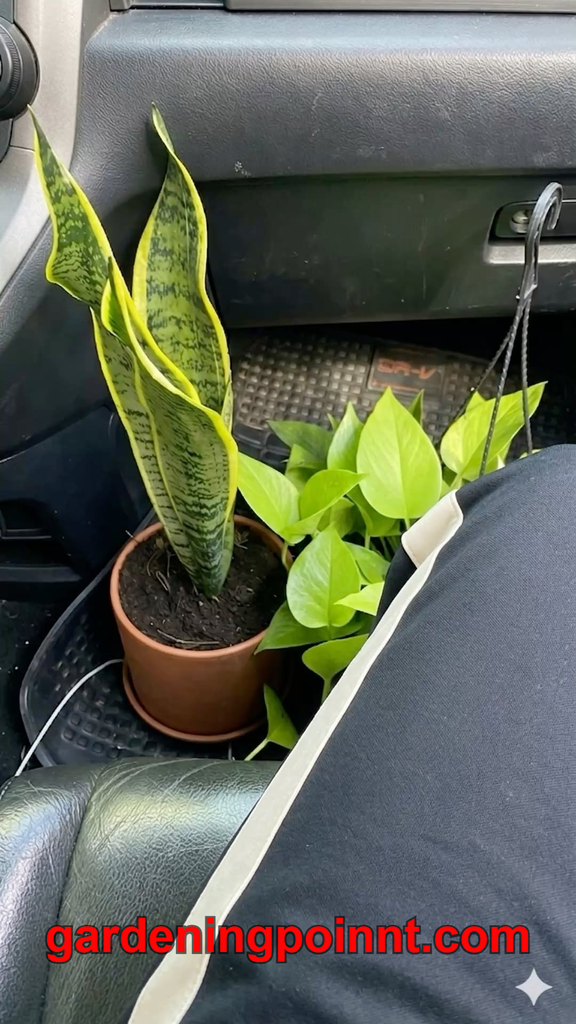
Drainage Is Non-Negotiable
A pot without a drainage hole is one of the most common causes of snake plant death, since excess water has nowhere to go and sits directly against the roots.
Terracotta Is Ideal
Unglazed terracotta pots are particularly well suited to snake plants because the porous walls wick moisture out of the soil, helping it dry faster and adding an extra layer of protection against overwatering.
Pot Size
Snake plants actually prefer being slightly root-bound and often produce new growth, called pups, more readily when the roots have some resistance rather than endless room to spread. Choose a pot only two to four centimeters wider than the current root ball when repotting, rather than sizing up dramatically.
Weight and Stability
Taller snake plant varieties can become top-heavy. A wider, heavier pot at the base — terracotta or ceramic rather than lightweight plastic — helps prevent tipping as the plant matures.
Temperature and Humidity

Snake plants are comfortable across a wide temperature range, generally thriving between 15 and 29°C, and tolerate the fluctuations of a normal home far better than most tropical houseplants. They have no meaningful humidity requirement and do perfectly well in the dry air of a heated home in winter, which sets them apart from moisture-loving plants like calathea or ferns.
The one temperature risk worth noting is cold. Keep snake plants away from drafty windows in winter and never leave them somewhere that drops below about 10°C, since cold damage shows up as dark, water-soaked patches on the leaves that do not recover.
Fertilizing Snake Plants
Snake plants are light feeders and easily over-fertilized. During spring and summer, feed once a month at most, using a balanced liquid houseplant fertilizer diluted to half the recommended strength. Skip fertilizing entirely in autumn and winter, when the plant’s growth slows or stops.
Signs of over-fertilizing include white crusty buildup on the soil surface, brown leaf tips, and stunted new growth. If you spot these, flush the pot thoroughly with plain water several times to wash out excess salts and hold off on feeding for two months.
Snake Plant Varieties Worth Knowing
Dracaena trifasciata ‘Laurentii’ is the classic variety most people picture, with bold yellow edges along tall green leaves.
‘Moonshine’ has pale, silvery-grey leaves with a smooth, almost painted appearance, and stands out dramatically against darker furniture or walls.
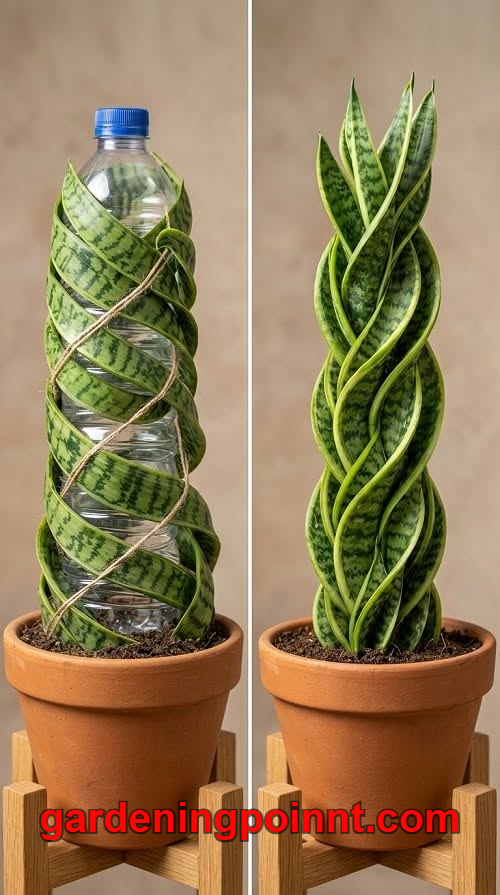
‘Cylindrica’ produces rounded, cylindrical leaves that fan out from the base, sometimes braided together for a decorative display.
‘Hahnii’, often called the bird’s nest snake plant, grows in a compact rosette rather than tall spears, making it well suited to shelves and small tabletop displays.
‘Black Coral’ has extremely dark green leaves with subtle silvery banding, giving it a moodier, more dramatic look than the classic green-and-yellow form.
‘Bantel’s Sensation’ features narrow leaves with crisp white vertical stripes, one of the more strikingly patterned varieties available.
How to Propagate a Snake Plant

Division
The fastest and most reliable method. Remove the plant from its pot, and you will typically find the root mass has produced several distinct clumps, each with its own leaves and roots, connected by thick rhizomes. Use a clean, sharp knife to separate these clumps, ensuring each division keeps some roots attached, then pot each one individually in fresh, well-draining mix.
Leaf Cuttings in Water
Cut a healthy leaf near its base and place the cut end in a few centimeters of water. Roots typically emerge within four to eight weeks. Note that leaf cuttings from variegated varieties like ‘Laurentii’ usually revert to plain green, since the new plant grows from the leaf’s inner, non-variegated cells. Change the water every one to two weeks to prevent rot.
Leaf Cuttings in Soil
Cut a leaf into sections roughly five to eight centimeters long, keeping track of which end originally faced the soil, since orientation matters. Let the cut ends callous over for a day or two, then insert them upright into slightly moist, well-draining soil. Roots and eventually a new small plant will emerge from the base over the following months.
Which Method to Choose
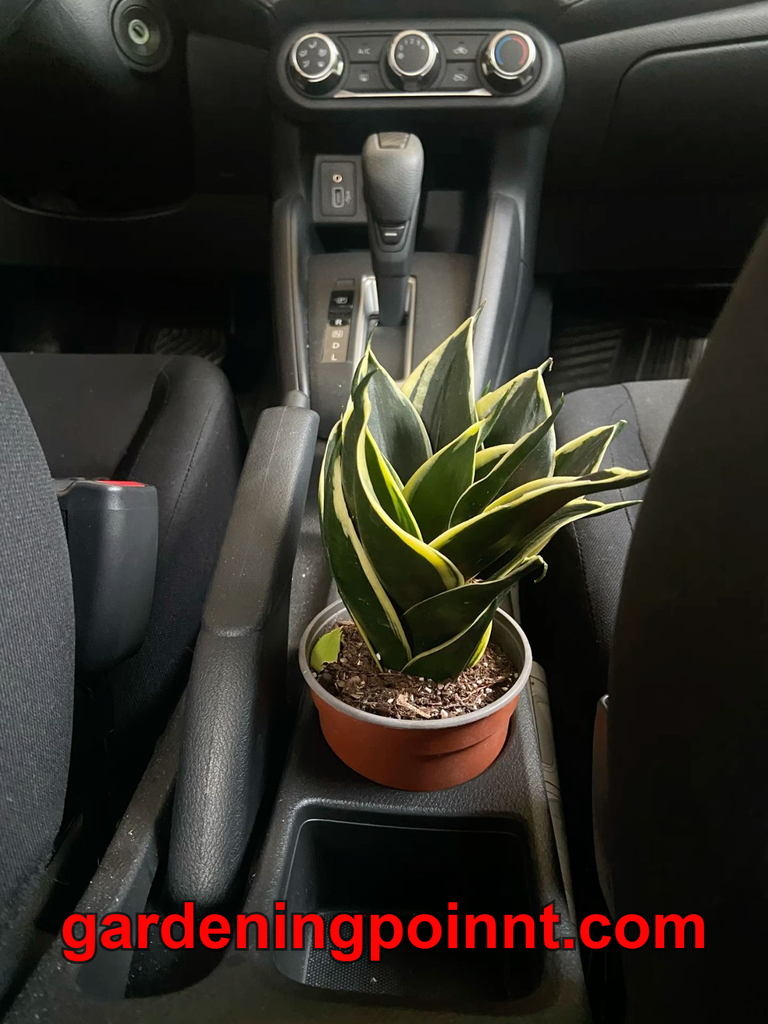
Division is faster, preserves variegation, and produces a usable plant immediately. Leaf cuttings are slower and lose variegation but are useful when you want more plants from a single leaf rather than dividing an entire root mass.
Repotting a Snake Plant
When to Repot
Repot only when genuinely necessary: roots visibly circling or emerging from the drainage hole, the pot cracking under root pressure, or water running straight through without being absorbed. Because snake plants tolerate being root-bound, this is often only every three to five years.
Best Time
Early spring, just as the growing season begins, gives the plant the best chance to recover quickly with minimal stress.
How to Repot
Water the plant a day beforehand to soften the soil, then gently ease it from its current pot, checking the roots for firm, healthy tissue and trimming away any that appear mushy or dark. Set it into a new pot only slightly larger than the last, backfill with fresh well-draining mix, and hold off on watering for about a week to let any damaged roots callous over rather than sit in fresh moisture immediately.
Common Snake Plant Problems and Solutions
Yellow, Mushy Leaves
The clearest sign of overwatering and likely root rot. Remove the plant from its pot, trim away any soft, discolored roots and rhizome sections with a clean blade, let the remaining healthy roots dry out for a day, and repot into fresh, dry mix. Resume watering only once the soil has dried completely.
Wrinkled or Curling Leaves
Usually a sign of underwatering, sometimes combined with a pot that has become too small to hold enough moisture for the plant’s needs. A thorough watering typically resolves this within a few days.
Brown Leaf Tips or Edges
Often related to water quality, particularly fluoride or chlorine in tap water, or occasionally to low humidity combined with heating vents nearby. Switching to filtered water or water left out overnight often helps.
Leaves Falling Over or Flopping
Usually indicates either overwatering, which weakens the rhizome’s structural support, or insufficient light causing weaker, less rigid growth. Check the soil first, then evaluate whether the plant needs more light.
Leaves Splitting Down the Middle
Can result from physical damage, a sudden temperature shock, or occasionally overwatering weakening the leaf tissue. It is cosmetic and not usually a threat to the plant’s overall health.
No New Growth for a Long Time
Often simply normal — snake plants grow slowly, especially in lower light or during winter dormancy. Rule out obvious problems, then be patient; new growth commonly appears in spring.
Snake Plant Pests
Snake plants face fewer pest problems than most houseplants, but a handful can still appear.
Mealybugs show up as small white, cottony clusters, typically where leaves meet at the base. Remove them by hand with a cotton swab dipped in rubbing alcohol, then treat the plant with neem oil.
Spider mites appear as fine webbing and tiny speckled discoloration on the leaves, usually in very dry air. Wipe leaves down and increase humidity slightly, then treat with insecticidal soap if the infestation persists.
Root mealybugs, less commonly noticed, live in the soil around the roots and are usually only discovered during repotting. If found, wash the roots thoroughly and repot into fresh soil.
Isolating any new plant for about two weeks before placing it near your existing collection remains the single most effective way to prevent pests from spreading in the first place.
Are Snake Plants Toxic to Pets?
Snake plants contain saponins, which are mildly toxic to cats and dogs if chewed or ingested, typically causing symptoms such as drooling, vomiting or diarrhea rather than anything severe. While rarely dangerous in small amounts, it is sensible to place the plant out of reach of pets that chew on foliage, or choose a genuinely pet-safe alternative such as a spider plant or parlor palm if your pet is a persistent nibbler.
Snake Plant Benefits Beyond Decor
Beyond its famous toughness, the snake plant’s CAM photosynthesis pathway means it takes in carbon dioxide and releases oxygen predominantly at night, the reverse of most plants, which is why it has become a popular choice specifically for bedrooms. It also tolerates the swings in temperature and light that come with a typical home far better than more delicate tropical species, and its minimal water needs make it one of the most forgiving plants for frequent travelers or naturally forgetful plant owners.
A Simple Snake Plant Care Checklist
- Place in low to bright indirect light; direct sun is tolerated once acclimated.
- Water only when the soil is fully dry at least five centimeters down.
- Use a fast-draining cactus or succulent mix.
- Choose a pot with drainage holes; terracotta is ideal.
- Feed sparingly, once a month at most, only during spring and summer.
- Keep away from temperatures below 10°C and cold drafts.
- Repot only every three to five years, sizing up minimally.
- Propagate by division for speed, or leaf cuttings for volume.
- Keep out of reach of pets prone to chewing houseplants.
Frequently Asked Questions
How often should I water my snake plant? Roughly every two to four weeks in spring and summer, and every four to six weeks or longer in autumn and winter. Always check that the soil is fully dry before watering rather than following a fixed schedule.
Can snake plants survive in a room with no windows? They tolerate very low ambient light better than almost any other common houseplant, but for a genuinely windowless room, a grow light running 10 to 12 hours a day will keep growth healthier than ambient light alone.
Why is my snake plant leaning or falling over? Usually caused by overwatering weakening the rhizome, or insufficient light producing weaker growth. Check the soil moisture first, then assess whether the plant needs a brighter spot.
How do I make my snake plant grow faster? Provide bright indirect light, water appropriately without overdoing it, and feed lightly during the growing season. Snake plants are inherently slow growers, so even with ideal care, expect gradual rather than rapid growth.
Is it normal for snake plant leaves to have brown tips? Occasional browning at the tips is common and often related to tap water minerals or low humidity, and is not usually a sign of a serious problem. Widespread browning across many leaves warrants checking your watering routine.
How long do snake plants live? With appropriate care, snake plants commonly live for many years, with mature specimens in stable conditions surviving well over a decade.
Final Thoughts
Snake plant care succeeds almost entirely by restraint. Bright or dim light, either works. Fertilizer, barely needed. Water, only when the soil is thoroughly dry, and never before. This is a plant that punishes over-attention far more than it punishes neglect, which is exactly why it remains one of the most reliable and widely recommended houseplants for beginners and experienced growers alike. Get the watering rule right, and almost everything else about growing a healthy, long-lived snake plant falls comfortably into place.