If you have searched for zero sunlight indoor plants, you probably have a specific room in mind. Maybe it is a bathroom with no window. Maybe it is a hallway that never sees the sun, a basement office, a rented apartment where the only window faces a wall three feet away, or a cubicle lit entirely by ceiling panels.
Before going further, one honest clarification is needed, because most articles on this topic quietly skip it: no plant on earth grows in absolute darkness. Photosynthesis requires light. A plant sealed in a genuinely lightless room will slowly consume its stored energy reserves and die, no matter how tough the species is.
What actually exists is a category of plants with extraordinarily low light requirements — species that evolved on dense tropical forest floors where sunlight is filtered through many layers of canopy before it ever reaches them. These plants survive on ambient light: the glow from a distant doorway, the reflection off a pale wall, or the artificial light of an overhead fixture that stays on for several hours a day.
That is what this guide covers. Eighteen plants that survive where almost nothing else does, plus the practical techniques — rotation, grow lights, and drastically reduced watering — that make dark-room gardening genuinely possible rather than a slow-motion failure.
How Plants Survive in Near-Darkness
Understanding the biology makes every care decision afterwards more intuitive.
Plants convert light into chemical energy through photosynthesis. Low-light species have adapted in several ways: they produce broader, darker leaves packed with more chlorophyll per square centimeter, they grow far more slowly so their energy budget stays small, and many store reserves in thickened stems, rhizomes or tubers underground.
The ZZ plant is the clearest example. Its swollen underground rhizomes hold both water and nutrients, functioning like a battery. When light and water are scarce, it simply draws down the reserve and waits. That is why a ZZ plant in a dim office can look unchanged for six months — it is not thriving, but it is not dying either.
The practical consequence matters enormously: a plant in low light uses less water, fewer nutrients, and grows almost imperceptibly. Treat it like a plant on a sunny windowsill and you will kill it, not with darkness, but with kindness.
The Light Test: How Dark Is Your Room Really?
Human vision adapts so well that we are terrible judges of light levels. A room that feels perfectly bright to you may deliver a fraction of what a plant needs.
The shadow test. At midday, hold your hand about 30 cm above a sheet of white paper in the spot you are considering. A sharp, crisp shadow means bright light. A soft, blurry shadow means medium. A shadow you can barely make out means genuinely low light. No shadow at all means you need artificial help.
The reading test. If you can comfortably read a book at that spot during the day without turning on a lamp, a low-light plant will survive there. If you cannot, it will not.
The phone app method. Free light meter apps measure illumination in lux. As rough guidance: bright indirect light is 1,000 to 2,500 lux, low light sits around 250 to 500 lux, and below 100 lux you are in grow-light territory.
Run one of these tests before buying anything. It takes two minutes and prevents most disappointments.
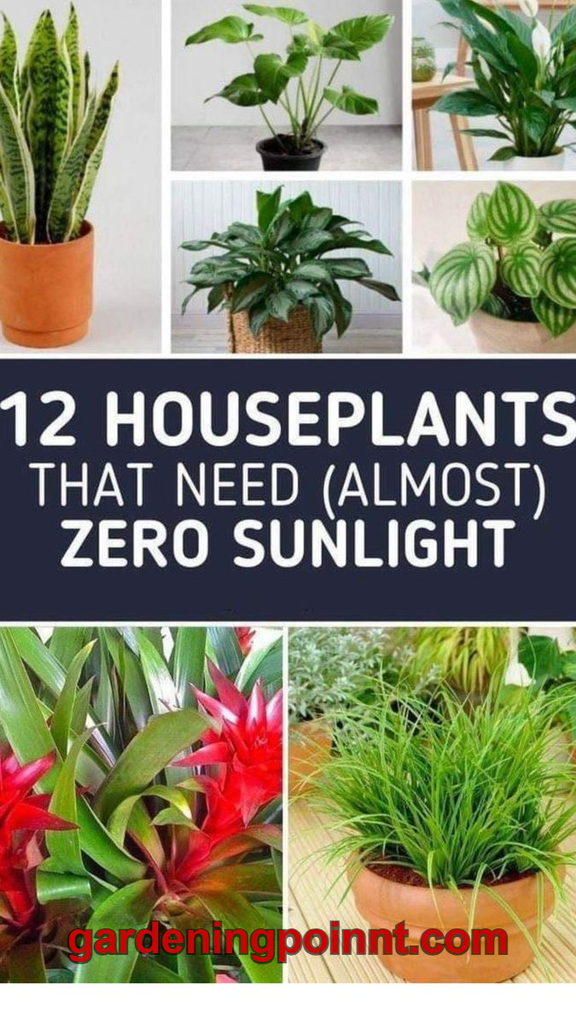
18 Best Zero Sunlight Indoor Plants
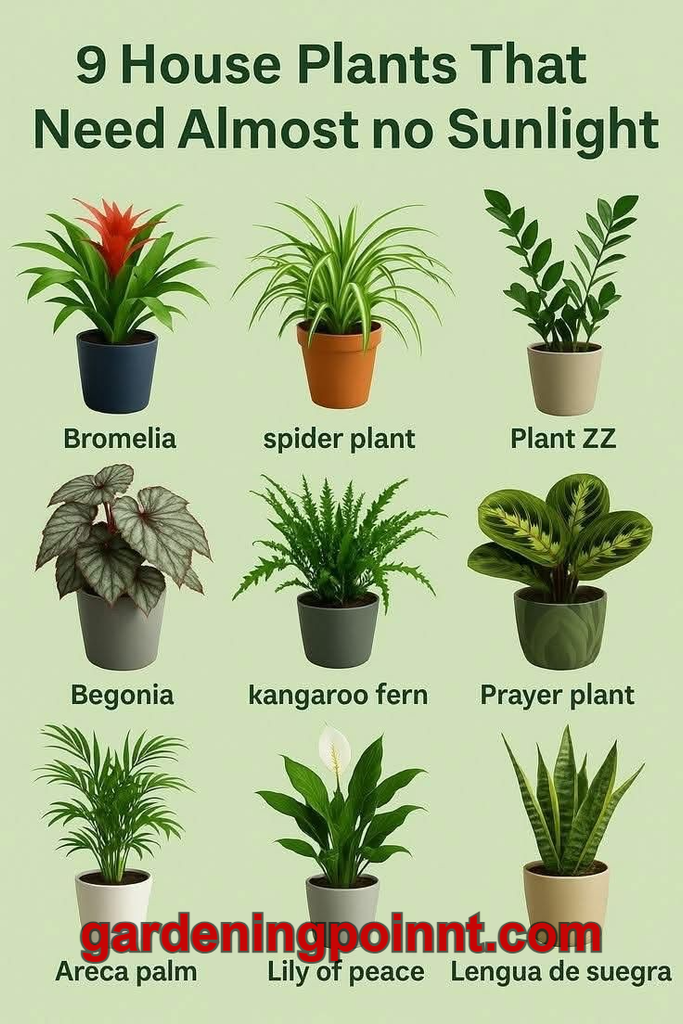
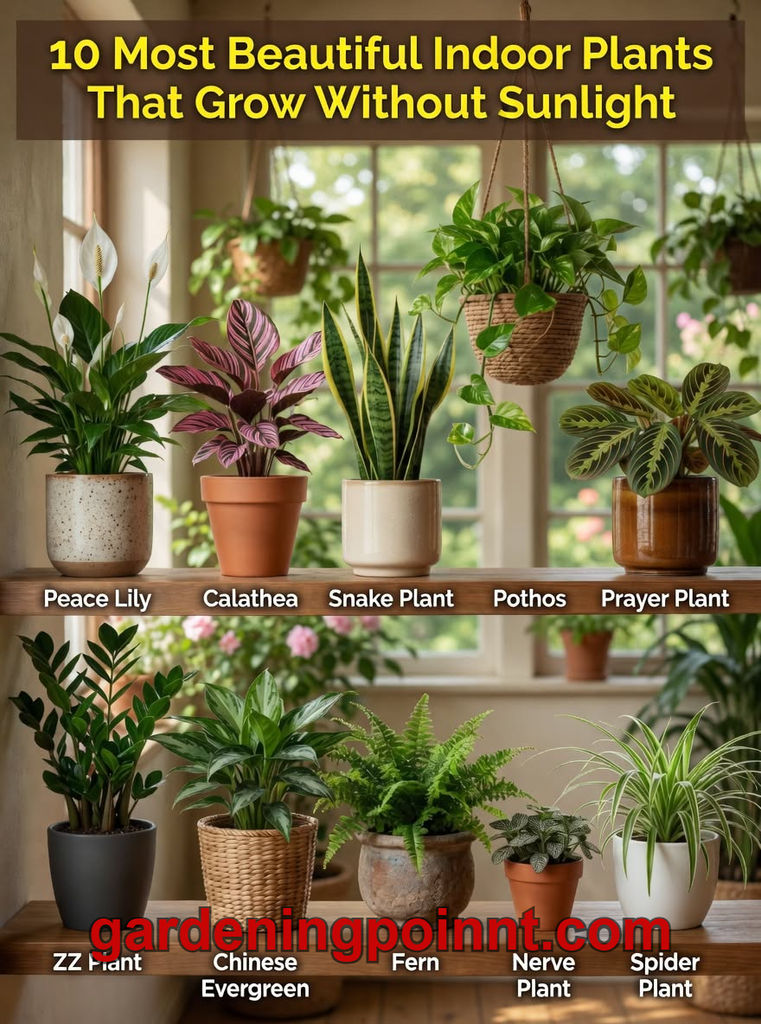
1. ZZ Plant (Zamioculcas zamiifolia)
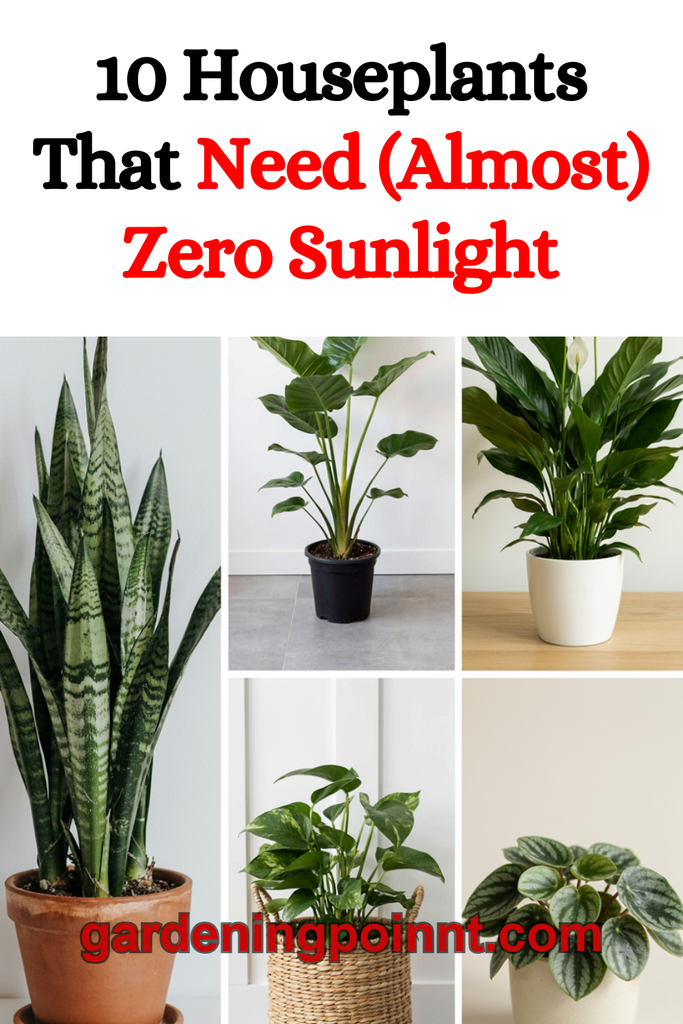
The undisputed champion of dark rooms. Glossy, almost artificial-looking leaves, tolerant of weeks without water, and capable of surviving in a room lit only by fluorescent office lighting. It grows slowly in low light, which is exactly what you want. Water roughly every three to four weeks and even less in winter. Mildly toxic to pets if chewed.
2. Snake Plant (Dracaena trifasciata)
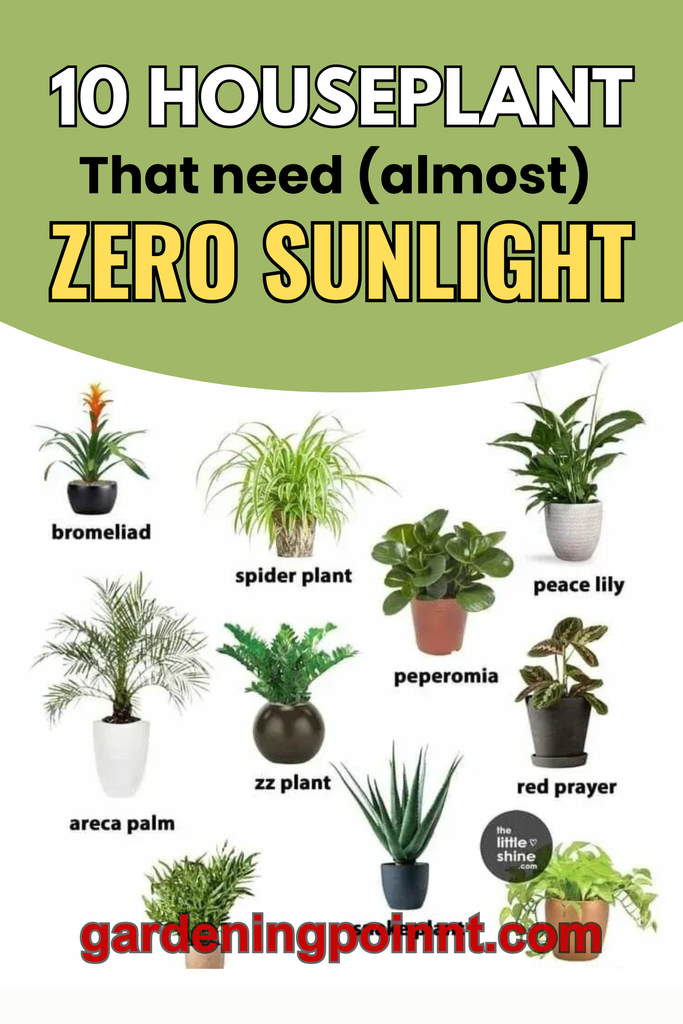
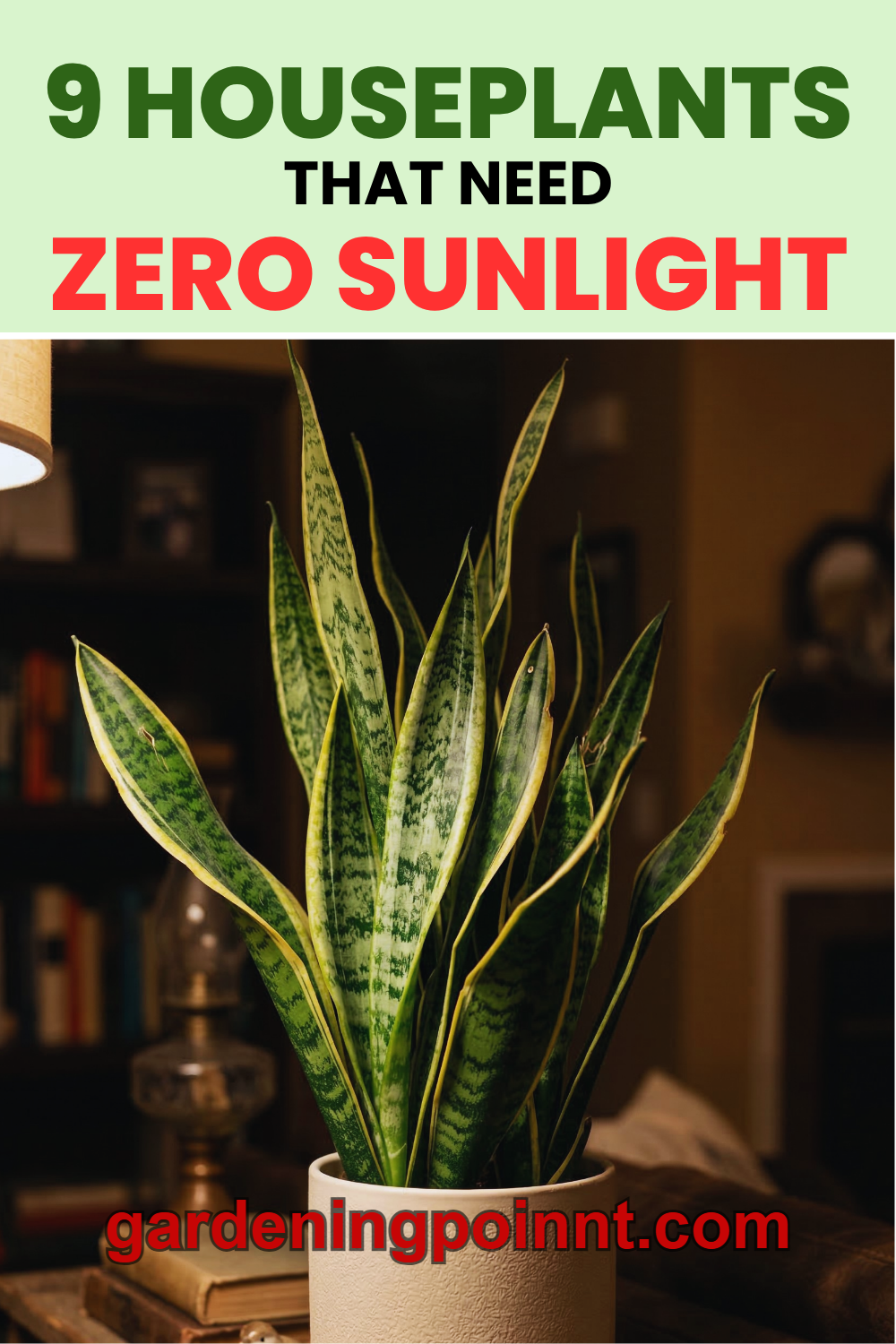
Formerly Sansevieria, still called mother-in-law’s tongue. Vertical, architectural leaves that suit narrow hallways and bathroom corners. It uses CAM photosynthesis, exchanging gases at night, which makes it unusually efficient. Water every two to four weeks. It will survive longer in darkness than almost any other common houseplant.
3. Cast Iron Plant (Aspidistra elatior)
Named for its toughness in Victorian parlors, where gas lamps and heavy curtains created famously dim conditions. Broad, deep-green arching leaves. It grows extremely slowly, which frustrates impatient owners but is precisely why it survives. Water when the top few centimeters dry out.
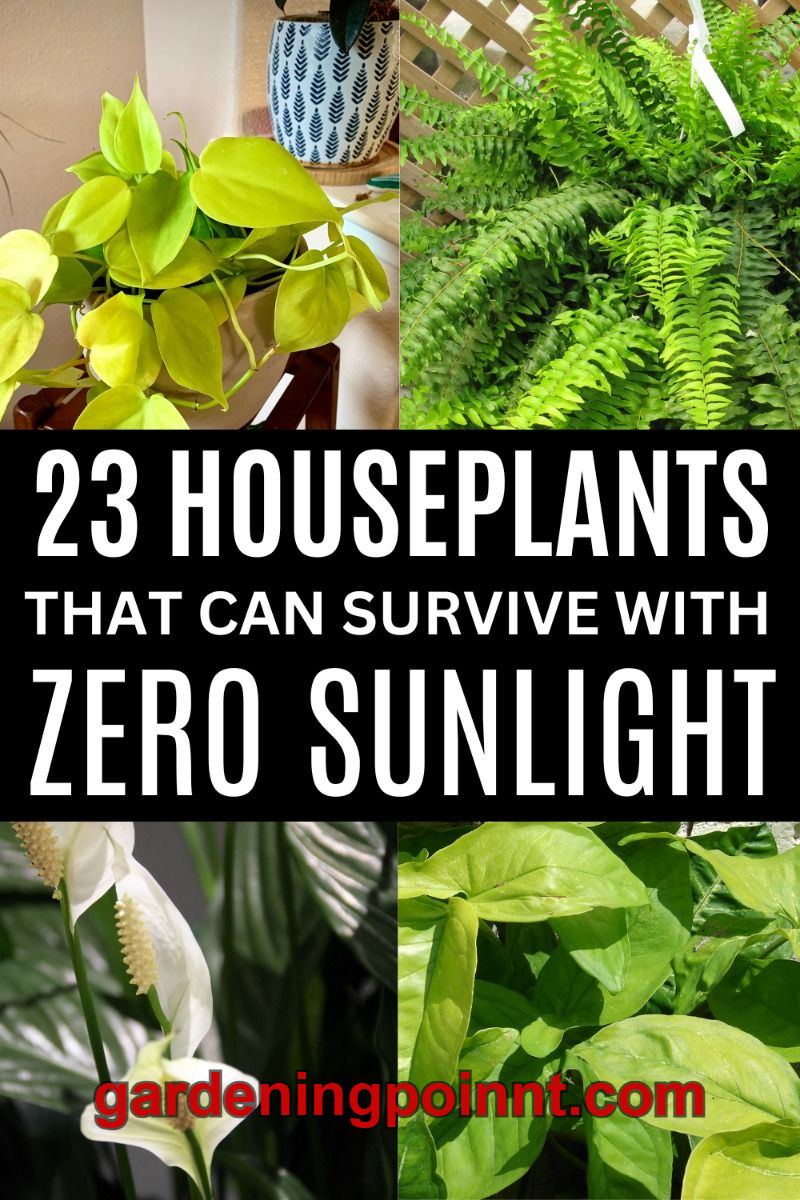
4. Pothos (Epipremnum aureum)
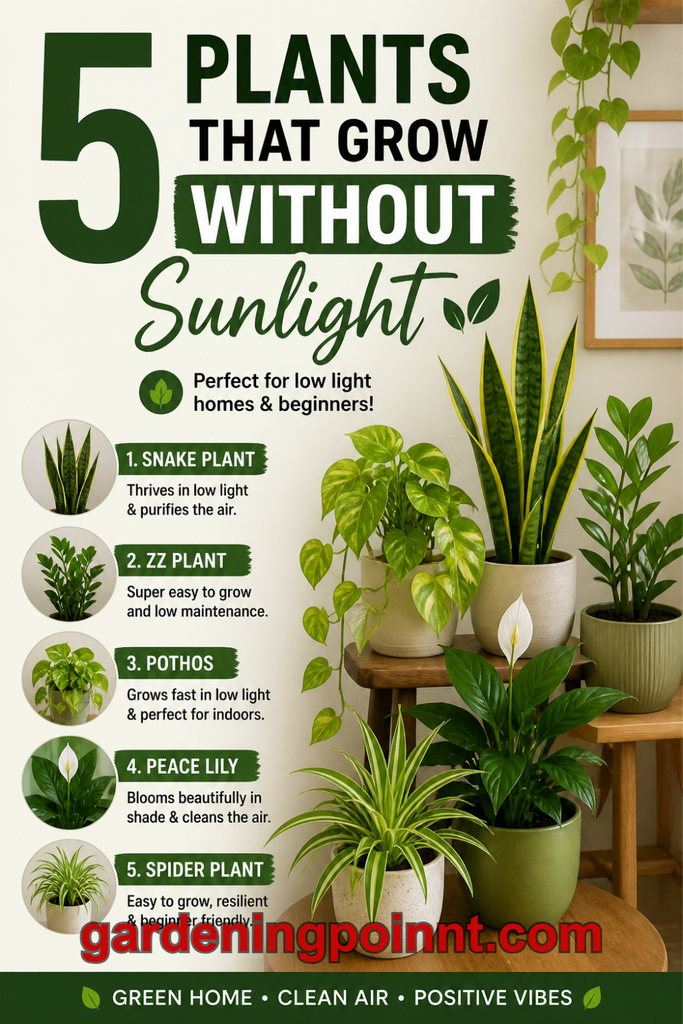
The most widely recommended beginner plant for good reason. In dark rooms, choose the plain green variety — golden and marble queen forms lose their variegation without light and revert to green anyway. Trails beautifully from a high shelf. Roots easily in water for free propagation.
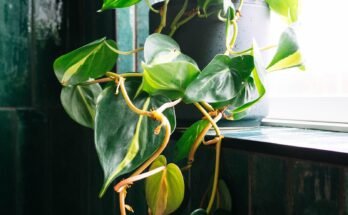
5. Heartleaf Philodendron (Philodendron hederaceum)
Visually similar to pothos but with softer, more heart-shaped leaves. Equally forgiving, equally happy trailing or climbing, and equally tolerant of neglect. A reliable choice for a dim bookshelf.
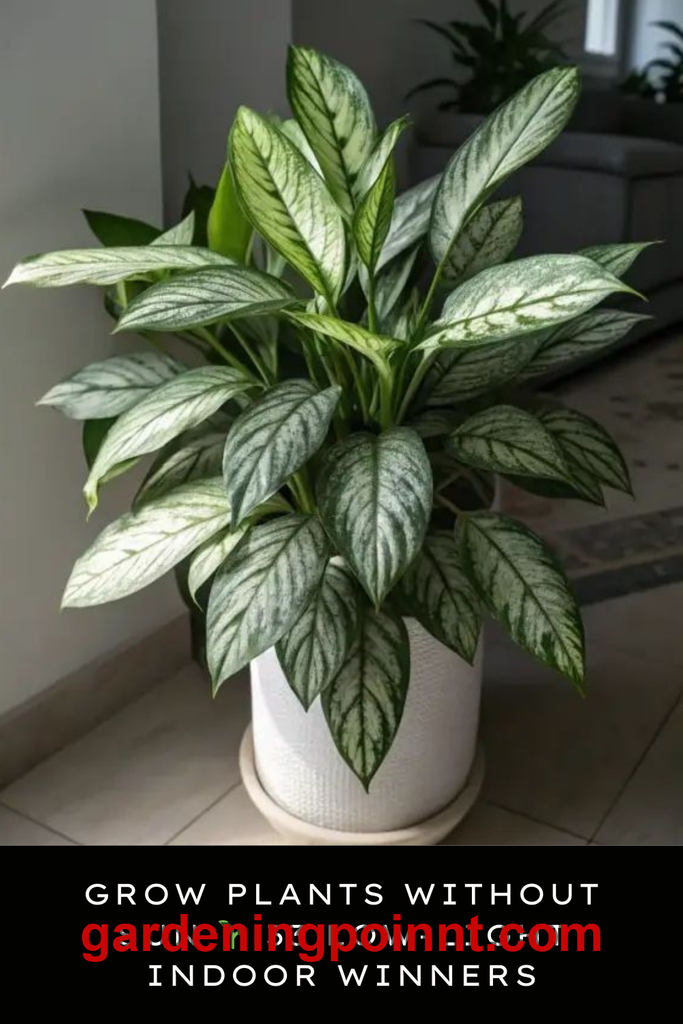
6. Chinese Evergreen (Aglaonema)
Choose the darker cultivars such as ‘Maria’ or ‘Emerald Beauty’ for the lowest light. The pink and red varieties need considerably more light to hold their color. Tolerant of dry air and irregular watering, with attractive patterned foliage that looks more expensive than it is.
7. Parlor Palm (Chamaedorea elegans)
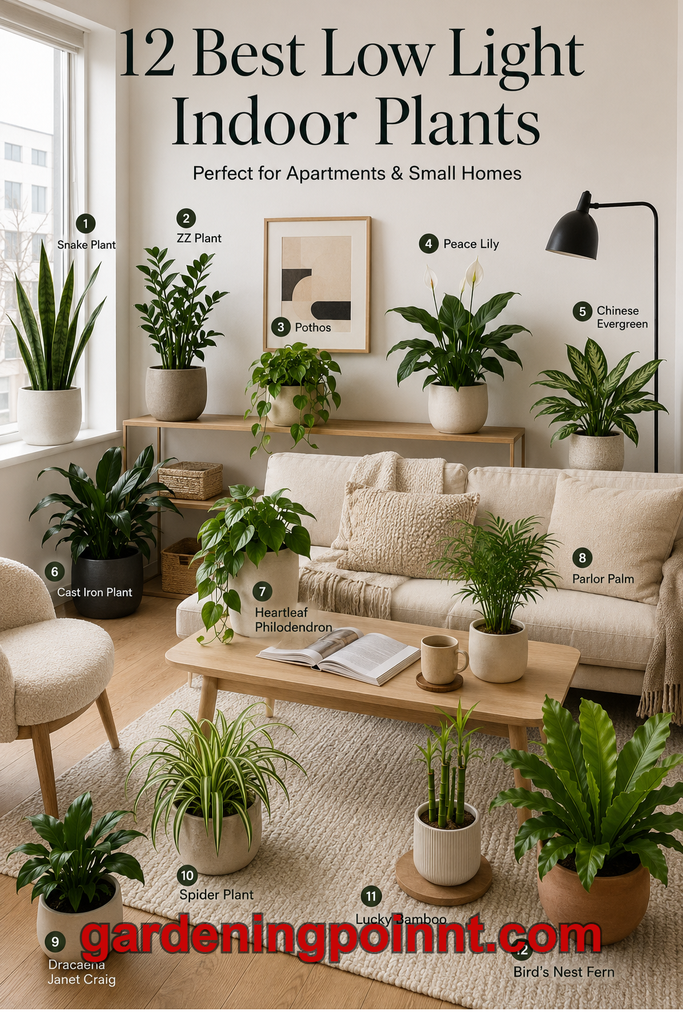
Another Victorian survivor, bred specifically for dim indoor drawing rooms. Delicate, feathery fronds that soften a hard corner. It prefers slightly more consistent moisture than the succulent-type plants on this list, but tolerates very low light without complaint. Safe for cats and dogs.
8. Peace Lily (Spathiphyllum)
One of the few low-light plants that actually flowers indoors, though blooming reduces significantly in very dark spots. Its greatest virtue for beginners is honesty: it wilts dramatically when thirsty and recovers within hours of watering, teaching you its rhythm faster than any guide can. Toxic to pets.
9. Lucky Bamboo (Dracaena sanderiana)
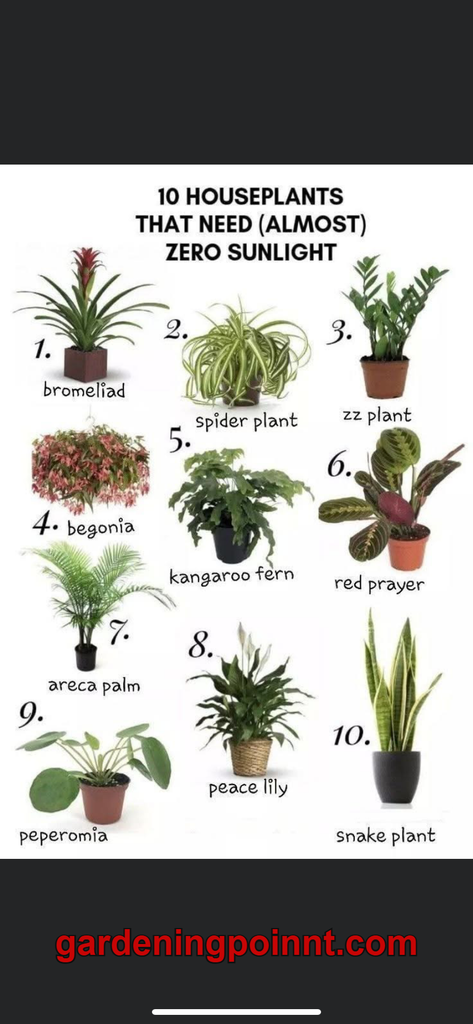
Not actually bamboo. Grows in a vase of water or in soil, tolerates dim conditions well, and suits desks and bathroom counters where space is tight. Change the water every two weeks and use filtered water — it is sensitive to chlorine and fluoride.
10. Dracaena (Dracaena marginata and fragrans)
Tall, sculptural, and available in tree-like forms that fill an empty corner. Brown leaf tips are common and usually indicate tap water minerals rather than a care failure. Water when the top half of the soil is dry.
11. Spider Plant (Chlorophytum comosum)
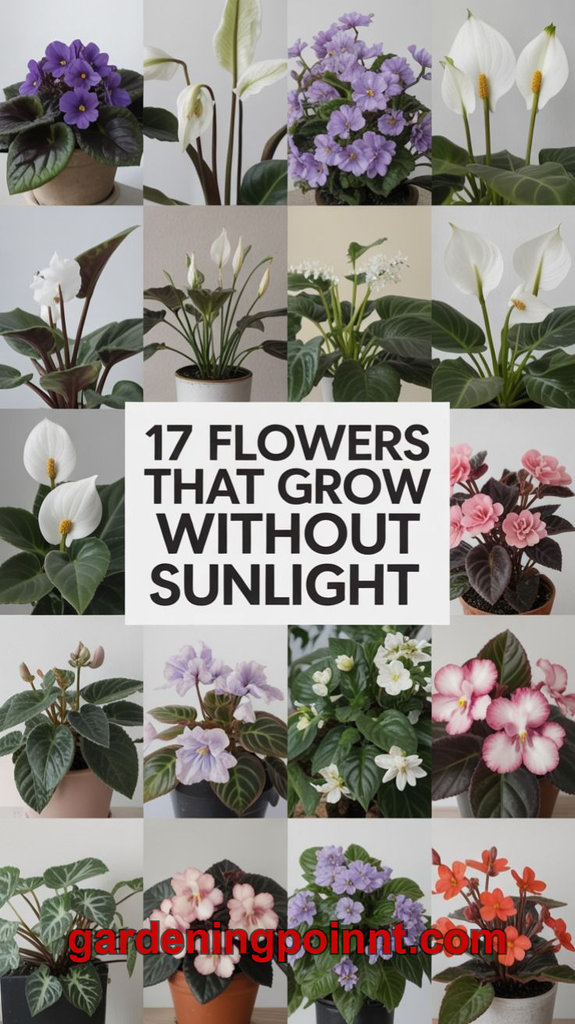
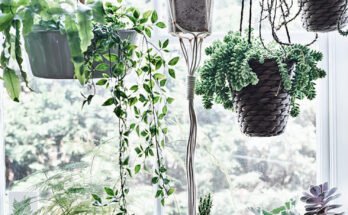
Adaptable to a wide range of light, though it produces fewer baby plantlets in dim conditions. Fast-growing by low-light standards and completely pet-safe. Excellent in a hanging planter in a dim bathroom.
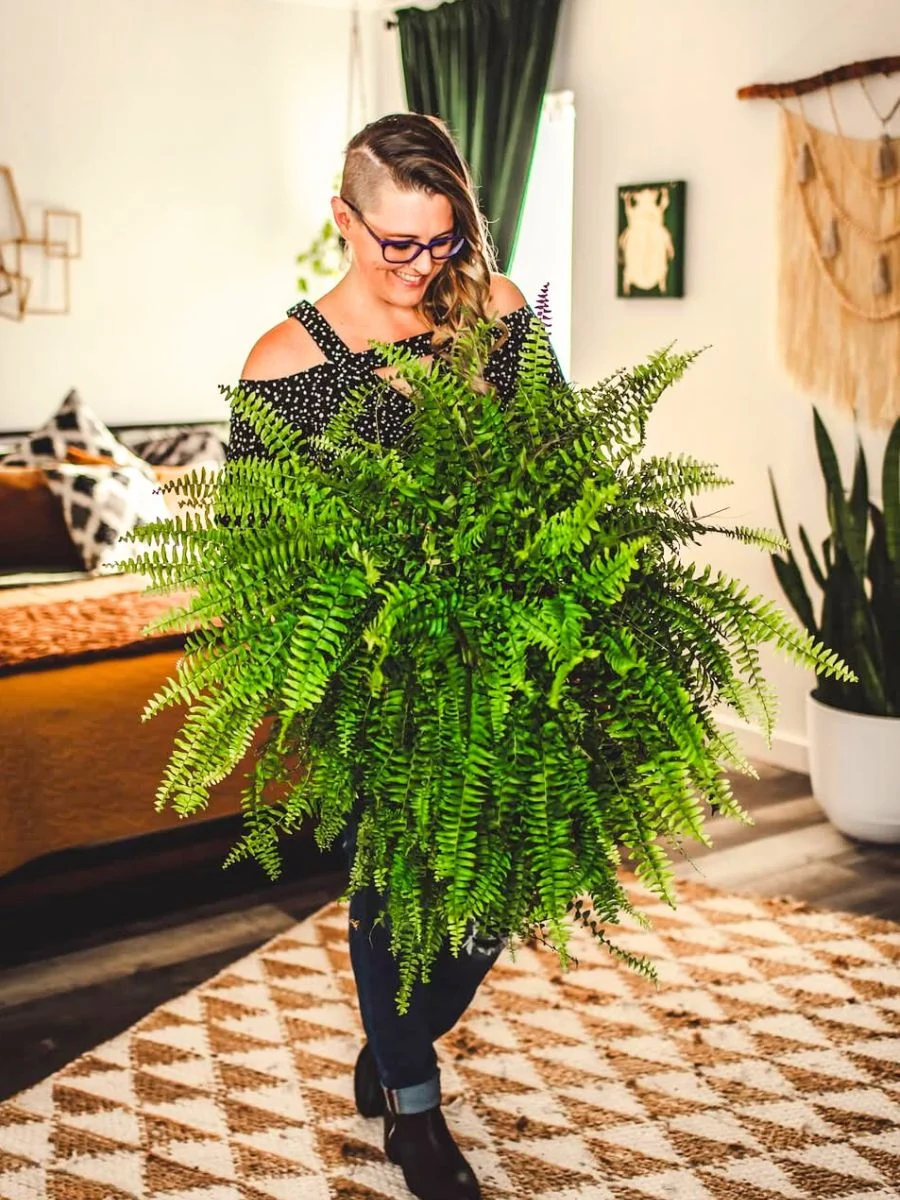
12. Boston Fern (Nephrolepis exaltata)
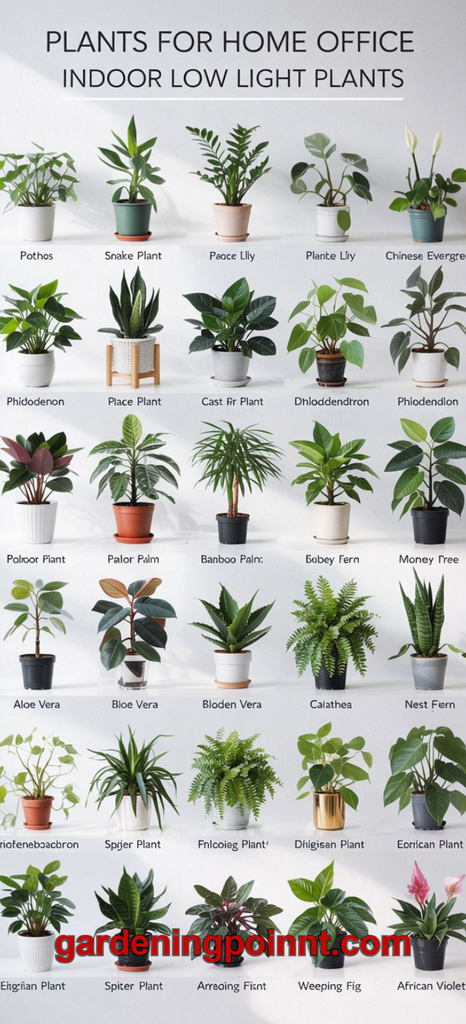
A good fit specifically for dark bathrooms, where the humidity compensates for the lack of light. It will not tolerate dry air and dark conditions together — choose it only if your low-light room is also a humid one.
13. Bird’s Nest Fern (Asplenium nidus)
Wavy, bright-green fronds emerging from a central rosette. More forgiving than the Boston fern about watering, and equally happy in a steamy windowless bathroom.
14. Peperomia
A large genus of compact plants with thick, slightly succulent leaves that store water. Peperomia obtusifolia and Peperomia caperata are both reliable in low light, stay small enough for a desk, and are non-toxic to pets.
15. Prayer Plant (Maranta leuconeura)
Striking patterned foliage that folds upward at night, hence the name. It actively dislikes direct sun, making a dim room a genuine advantage. It does demand humidity and consistent moisture, so it suits attentive owners rather than neglectful ones.
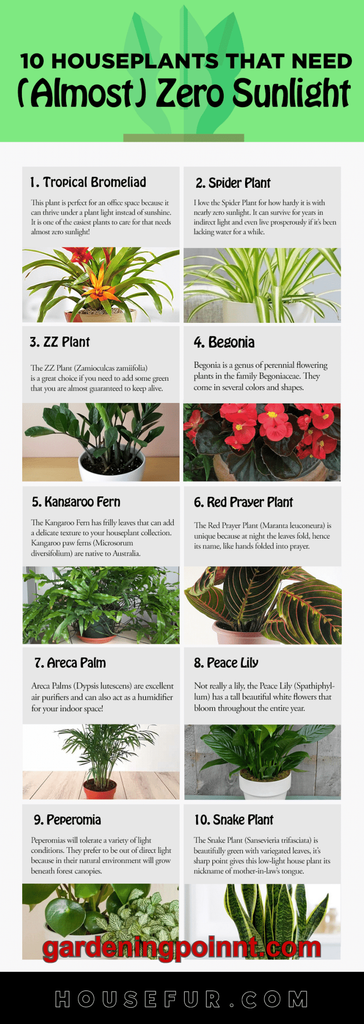
16. Calathea
Some of the most beautiful foliage in the houseplant world — stripes, purple undersides, painted patterns. Calathea is well suited to low light but genuinely fussy about humidity and water quality. Consider it an intermediate-level choice for a dark bathroom rather than a beginner plant.
17. Arrowhead Plant (Syngonium podophyllum)
Fast-growing, versatile, and happy either trailing or climbing a moss pole. The plain green varieties handle darkness far better than the pink or variegated forms. Prune regularly to keep it bushy rather than leggy.
18. Dumb Cane (Dieffenbachia)
Large, dramatic, cream-splashed leaves that bring real presence to a dim corner. It genuinely prefers shade to direct sun. Note the name comes from the temporary loss of speech caused by chewing it — keep well away from children and pets.
Best Plants for Specific Dark Spaces
Windowless Bathrooms
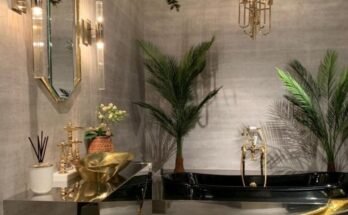
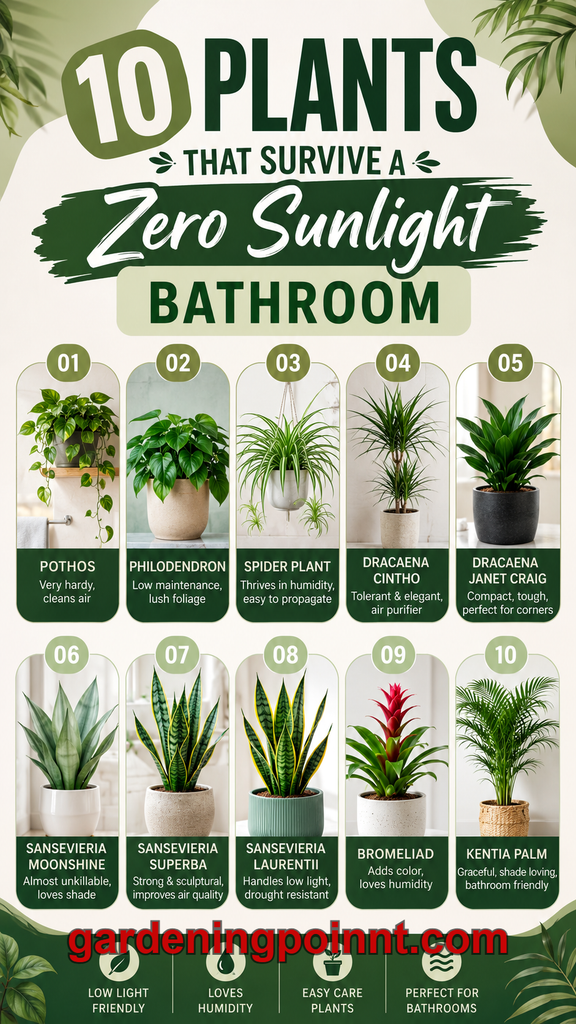
Humidity is your ally here. It partly compensates for missing light by reducing stress on the plant. Ferns, calathea, peperomia and pothos all perform well. Bathrooms usually have a light switched on several times a day, which contributes more than people assume.
Dark Hallways and Stairwells
These spaces are dry, dim and often drafty — the hardest combination. Stick to the toughest options: ZZ plant, snake plant and cast iron plant. A tall dracaena works well at the foot of a staircase.
Basements and Home Offices
Basements frequently have small high windows plus artificial lighting for several hours a day, which together can support a snake plant or ZZ plant. For desk setups, a small peperomia or lucky bamboo under a desk lamp works surprisingly well.
Office Cubicles
Fluorescent and LED panel lighting genuinely contributes to photosynthesis, though inefficiently. ZZ plants, pothos and snake plants are the standard survivors of office life. The bigger risk is not the light but the long weekend and holiday gaps in watering — which these three handle easily.
Grow Lights: The Honest Solution for Truly Dark Rooms
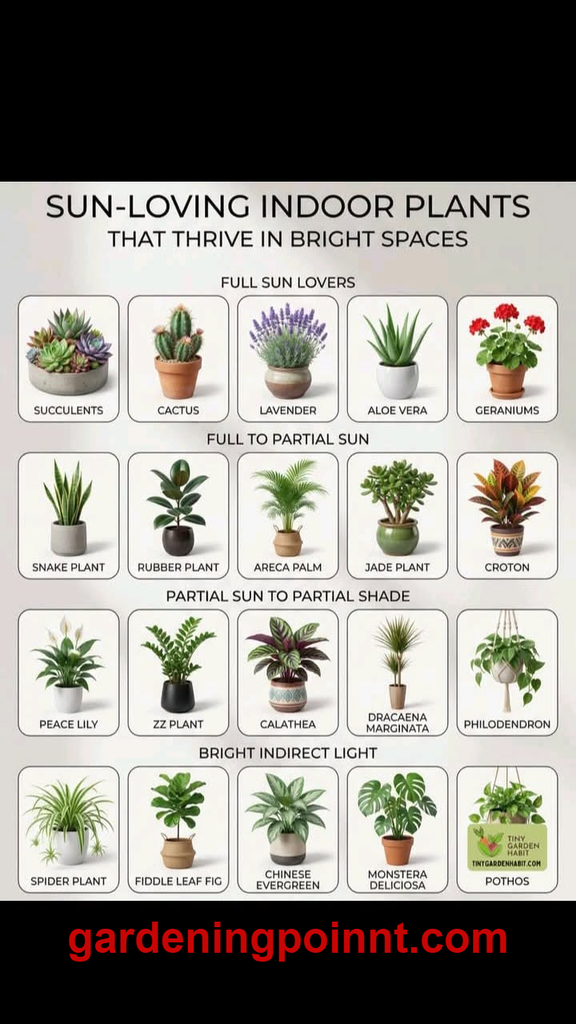
If your room has no natural light source at all, a grow light is not a luxury. It is the difference between a plant that lives and one that slowly declines.
What to buy. A full-spectrum LED bulb is the practical choice. They are inexpensive, run cool, use little electricity, and fit standard lamp sockets — meaning you can put one in an existing desk lamp or floor lamp without buying specialist equipment.
How long to run it. Ten to twelve hours per day is the standard for foliage plants. A cheap plug-in timer removes the need to remember.
Distance matters. Position the light roughly 30 to 60 cm above the plant. Too close risks leaf scorch; too far and the intensity drops off sharply.
Aesthetics. Older grow lights produced an unpleasant purple glow. Modern full-spectrum warm-white LEDs look like ordinary lighting, so you can use one in a living room without it feeling like a laboratory.
The Plant Rotation Method
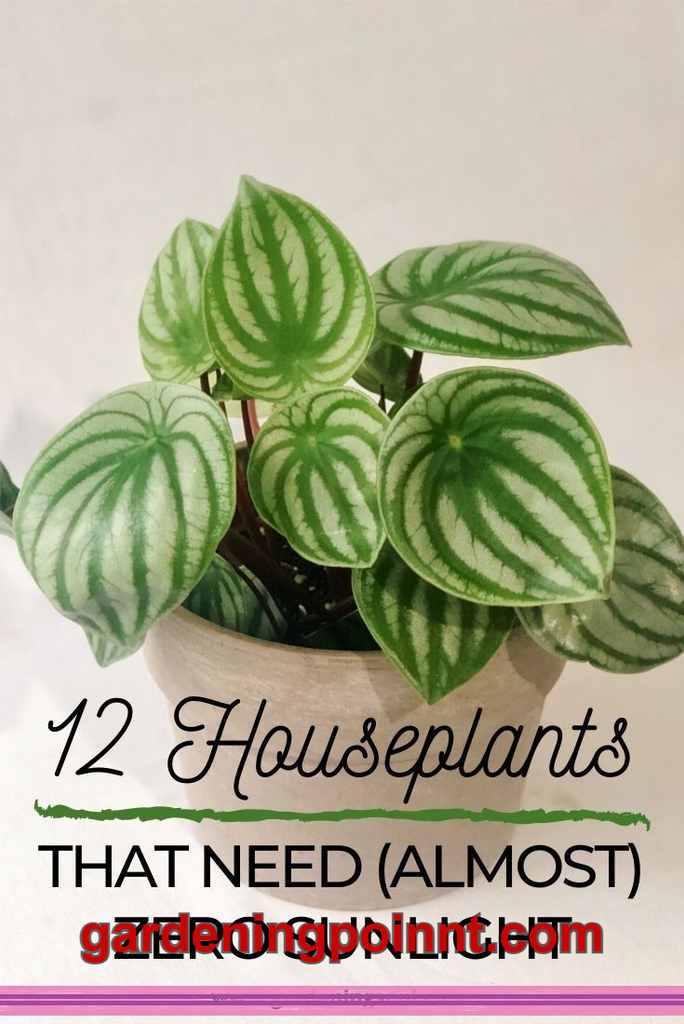
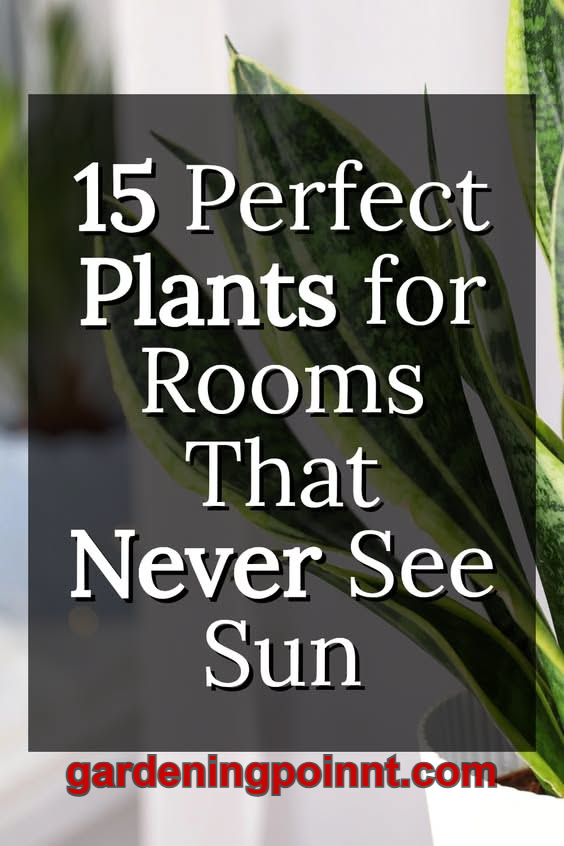
If you would rather not add lighting, rotation is an elegant alternative used by interior plant maintenance professionals.
Buy two identical plants. Place one in the dark spot and the other somewhere brighter. Every two to three weeks, swap them. Each plant gets a recovery period in decent light, and the dark corner always has something green in it.
This works best with plants that decline slowly — ZZ, snake plant, pothos, aglaonema — and it is the standard approach in commercial buildings where a permanent plant in a dark lobby would otherwise need replacing every few months.
Watering Plants in Low Light: The Most Important Rule
This section matters more than the plant list. The overwhelming majority of dark-room plant deaths are caused by overwatering, not by darkness.
Here is why. Water leaves a pot in two ways: evaporation from the soil surface and transpiration through the leaves. Both processes depend on light and warmth. In a dim room, soil stays wet for two to three times longer than the same pot in a sunny window. Roots sitting in saturated soil cannot access oxygen, which leads to root rot — and root rot kills quickly.
The rules for low-light watering:
- Always check the soil first. Push a finger three to four centimeters down. Damp means wait.
- Extend intervals substantially. A ZZ plant that needs water every two weeks in a bright room may need it every five weeks in a dark one.
- Use a smaller pot than you think you need. Less soil means less trapped moisture.
- Ensure drainage holes exist and empty the saucer after every watering.
- Consider terracotta pots, which breathe and dry faster than plastic or glazed ceramic.
- Cut watering by roughly half through autumn and winter.
When in doubt in a dark room, wait another week. Almost every plant on this list recovers from thirst. Very few recover from rot.
Soil, Potting and Fertilizer for Dark Rooms
Use a free-draining potting mix with extra perlite or orchid bark — roughly one part perlite to three parts mix. The goal is air pockets around the roots to offset the slow drying.
Fertilize sparingly. A plant growing slowly cannot use much nutrition, and unused fertilizer salts accumulate in the soil and burn the roots. Feed at quarter to half strength, once every two months during spring and summer only, and not at all in winter.
Repot far less frequently than you would a bright-room plant. Many low-light plants stay in the same pot happily for three or four years.
Common Problems in Low Light and How to Fix Them
Leggy, stretched growth with long gaps between leaves. This is etiolation — the plant reaching for light. Prune back the stretched growth and either add a grow light or move the plant closer to any light source.
Loss of variegation. Variegated leaves have less chlorophyll, so plants sacrifice the pattern in dim conditions to survive. Move to brighter light or accept the green form.
Yellowing lower leaves. Almost always overwatering. Check drainage and extend the interval between waterings.
Small new leaves. The plant is rationing energy. Not an emergency, but a clear signal it wants more light.
Fungus gnats. Damp soil in a dark room is their ideal habitat. Let the surface dry fully, add a layer of horticultural sand on top, and use yellow sticky traps.
Mold or white fuzz on the soil. Poor airflow plus persistent damp. Scrape it off, improve ventilation and water less.
No new growth at all. In very low light this can be normal. If the existing leaves stay firm and green, the plant is stable rather than dying.
Mistakes to Avoid
- Assuming “low light” means “no light” and putting a plant somewhere truly lightless.
- Keeping the same watering schedule you used in a brighter room.
- Buying variegated or colorful cultivars for dark corners.
- Choosing an oversized pot, which holds excess wet soil.
- Fertilizing a plant that is barely growing.
- Buying a delicate plant like calathea as a first attempt.
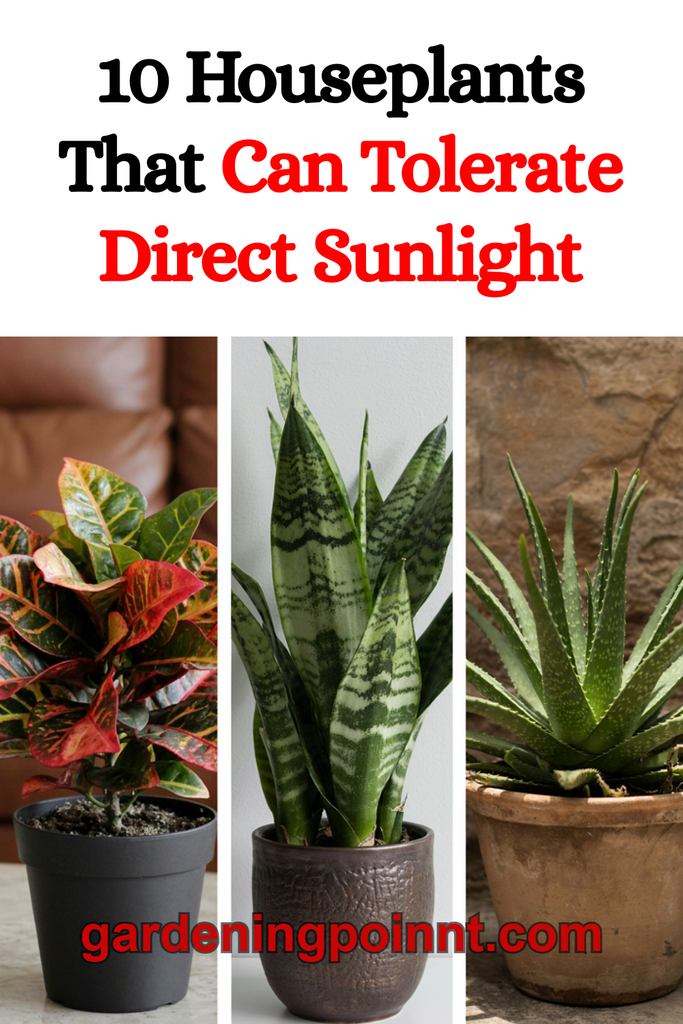
- Moving a plant abruptly from a dark room into direct sun, which scorches the leaves. Transition gradually over a week or two.
Frequently Asked Questions
Can any plant truly grow with zero sunlight? No. All plants require some light for photosynthesis. The plants in this guide survive on very low ambient or artificial light, which is what most people mean by “zero sunlight.”
Do artificial lights count as light for plants? Yes. Regular LED and fluorescent lighting contributes, though inefficiently. A dedicated full-spectrum grow light running 10 to 12 hours daily can fully replace a window.
What is the single best plant for a room with no windows? The ZZ plant, with a grow light or a rotation schedule. Without either, expect a gradual decline over several months no matter which species you choose.
How often should I water plants in a dark room? Considerably less often than in bright rooms — typically every three to five weeks for ZZ and snake plants. Always check soil moisture rather than following a fixed schedule.
Why is my low-light plant dying even though it tolerates shade? Overwatering is the most likely cause, followed by poor drainage. Shade tolerance does not mean tolerance for wet feet.
Are dark-room plants safe for pets? Some are not. Spider plant, parlor palm, peperomia, calathea and prayer plant are pet-safe. ZZ plant, pothos, philodendron, peace lily and dieffenbachia are all toxic if chewed.
Final Thoughts
Zero sunlight indoor plants are less about finding a magical species and more about matching realistic expectations to the space you have. Choose from the genuinely tough list — ZZ plant, snake plant, cast iron plant, pothos — water far less than instinct suggests, and add either a grow light or a rotation routine if the room has no natural light at all.
Do that, and even a windowless bathroom or a basement office can hold something living and green year after year.