Meta title: Indoor Plants: Complete Care Guide, Best Varieties & Expert Tips Meta description: A complete guide to indoor plants — the best varieties for low light, beginners and pets, plus watering, soil, light and pest-control tips that actually work. Primary keyword: indoor plants Secondary keywords: best indoor plants, indoor plant care, low light indoor plants, houseplants for beginners, indoor plants for bedroom
Introduction: Why Everyone Is Bringing Plants Indoors
Something interesting has happened to the way we live. Homes have gotten smaller, screens have gotten bigger, and most of us now spend the overwhelming majority of our day inside four walls. In response, indoor plants have moved from being a decorative afterthought to something closer to a necessity — a small, living correction to an environment that can otherwise feel sealed off and static.
Indoor plants are simply plants that tolerate the conditions inside a home or office: lower light, stable temperatures, less airflow, and irregular watering. Most of them come from tropical forest floors, where they evolved under a dense canopy. That shady origin story is exactly why they survive in a corner of your living room while a rose bush would sulk and die within a week.
This guide covers everything you need: which plants to choose, how much light they really need, how to water without killing them, how to fix the problems that inevitably show up, and how to style them so your home looks intentional rather than cluttered.
The Real Benefits of Indoor Plants
They Improve How a Room Feels
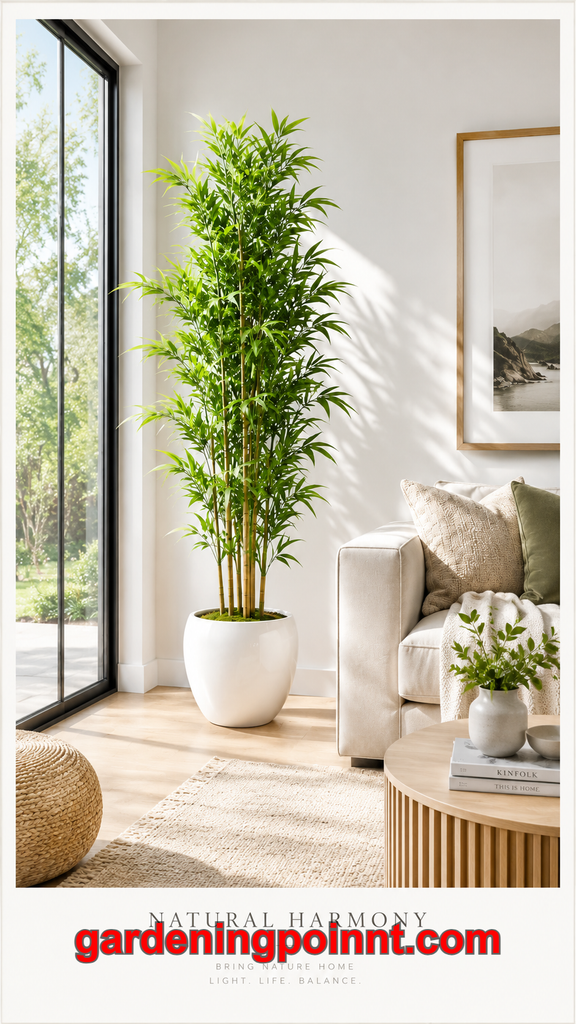
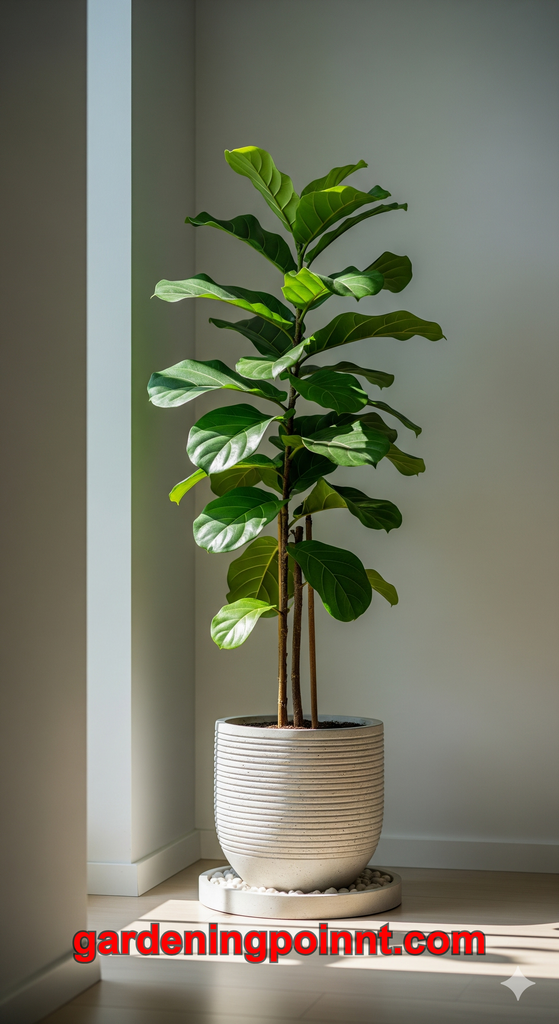
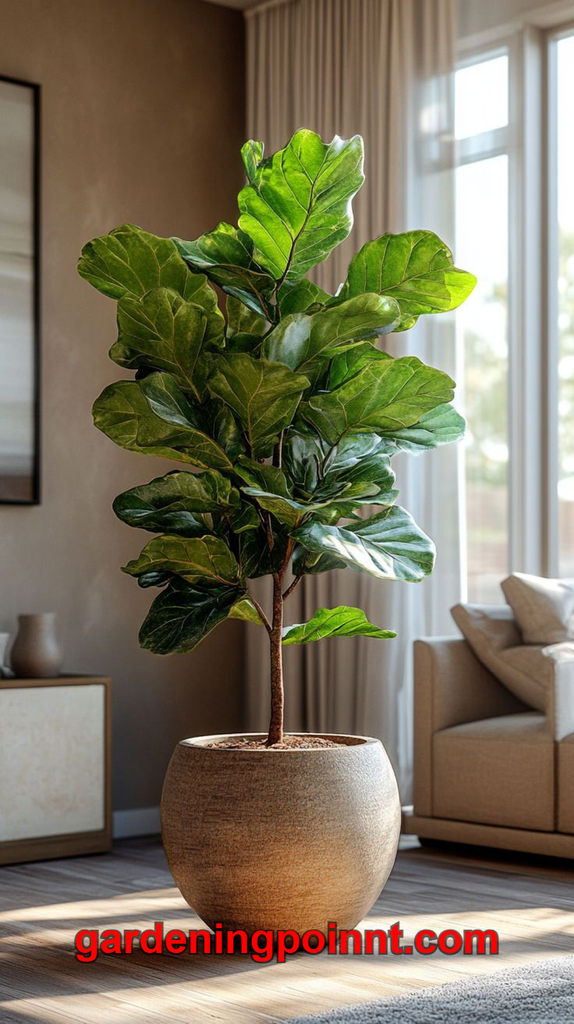
Plants soften hard edges. A bare wall with a tall fiddle leaf fig in front of it reads completely differently than the same wall empty. Interior designers use greenery the way musicians use rests — to create breathing room. Even a single plant on a desk changes the visual temperature of a space.
They Support Mental Wellbeing
A growing body of research connects contact with nature to lower stress and better mood. Studies in office environments have repeatedly found that workers in spaces with plants report higher satisfaction and concentration than those in bare rooms. Part of this is attention restoration theory: natural forms give the brain something undemanding to rest on between periods of focused work.
They Add Humidity to Dry Air
Plants release moisture vapor through their leaves in a process called transpiration. A cluster of medium-sized plants in a room measurably raises local humidity — welcome news if you run heating in winter and wake up with a dry throat.
They Teach Patience
This one rarely appears in listicles, but it matters. A plant runs on a slower clock than almost anything else in a modern home. Caring for something that responds over weeks rather than seconds is quietly good for you.
A Note on Air Purification
You have probably seen the claim that houseplants clean indoor air. It comes from a 1989 NASA study conducted in sealed chambers. Later analysis found that to match the air exchange of simply opening a window, you would need an impractical number of plants per square meter. Plants do contribute, but treat clean air as a bonus, not the reason you buy them.
How to Choose the Right Indoor Plant
The most common mistake is choosing a plant because it looked beautiful in a photo. The better approach is to start with your room and work backwards. Ask four questions:
- How much light does the spot get, and from which direction?
- How often will I realistically water it?
- Do I have pets or small children?
- How much space does it have to grow into?
Answer honestly. A person who travels twice a month should not buy a calathea. A north-facing studio apartment is not the home for a cactus. Matching the plant to the conditions you actually have is ninety percent of success.
Understanding Light: The Single Biggest Factor
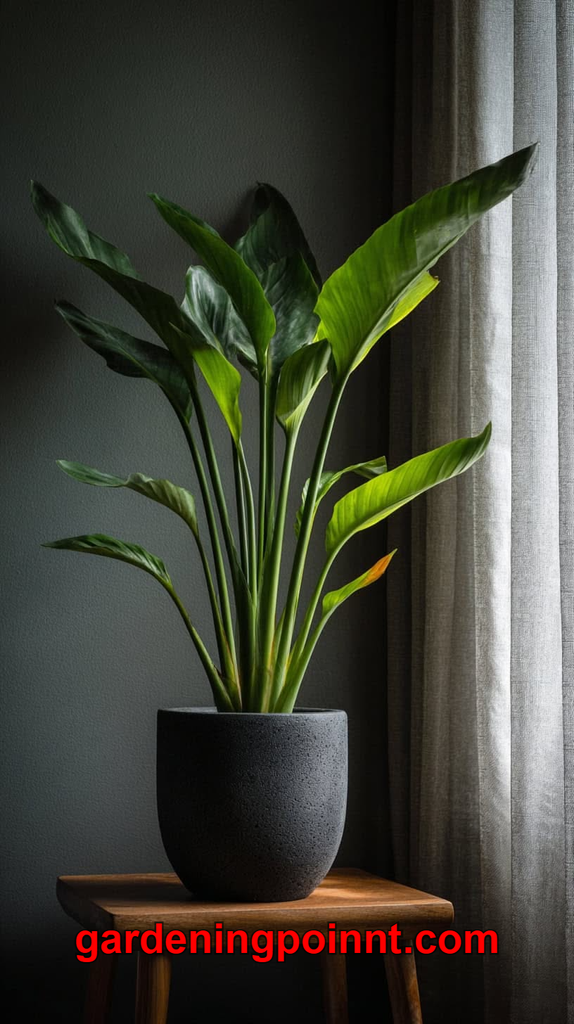
Light is the one variable people consistently misjudge. Human eyes adapt so well that a room which feels “bright” to you may deliver a fraction of what a plant needs.
Direct light means the sun’s rays physically land on the leaves — typically within a meter of a south or west-facing window.
Bright indirect light is the sweet spot for most houseplants: a well-lit room where the plant can “see” a large patch of sky but sunbeams do not strike it directly.
Low light means a few meters from a window, a north-facing room, or a hallway. Plants survive here but grow slowly.
A quick test: at midday, hold your hand a foot above the spot. A sharp, defined shadow means bright light. A soft, fuzzy shadow means medium. Barely any shadow means low light, and you should choose accordingly or add a grow light.
Best Low-Light Indoor Plants
These tolerate dim corners better than almost anything else.
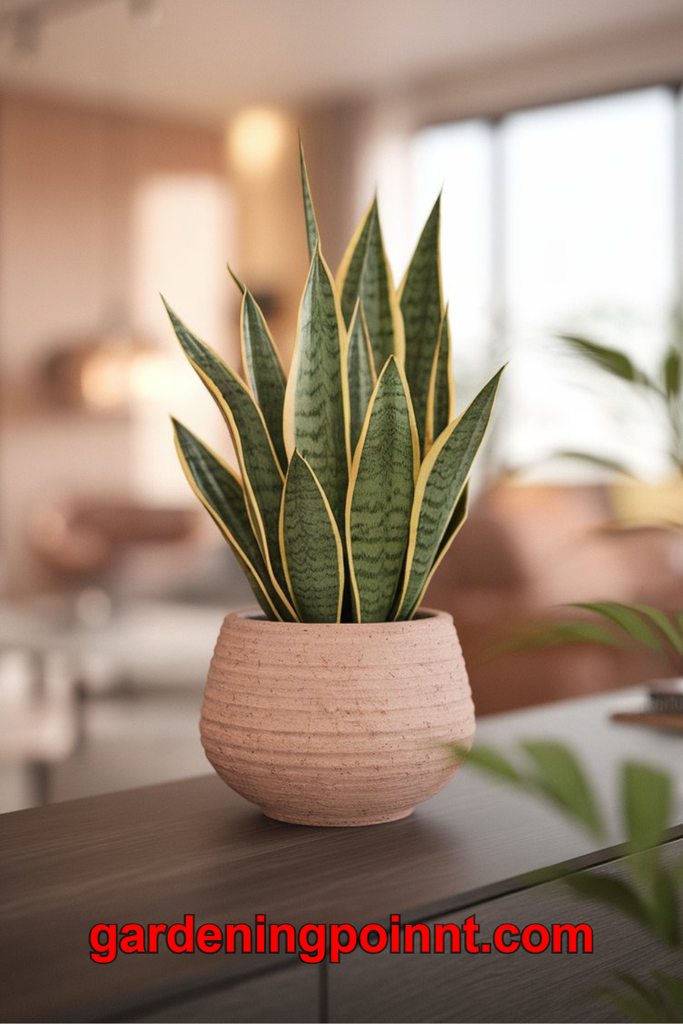
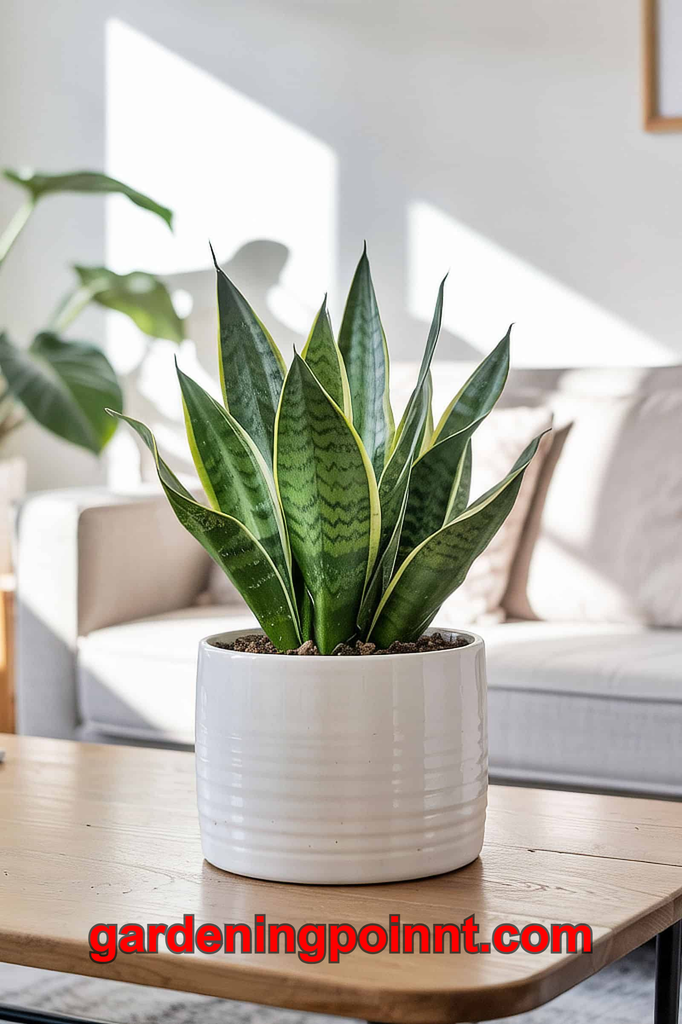
- Snake plant (Sansevieria/Dracaena trifasciata) — nearly indestructible, architectural, needs water roughly every three weeks.
- ZZ plant (Zamioculcas zamiifolia) — stores water in underground rhizomes, thrives on neglect, glossy leaves.
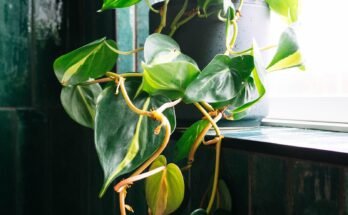
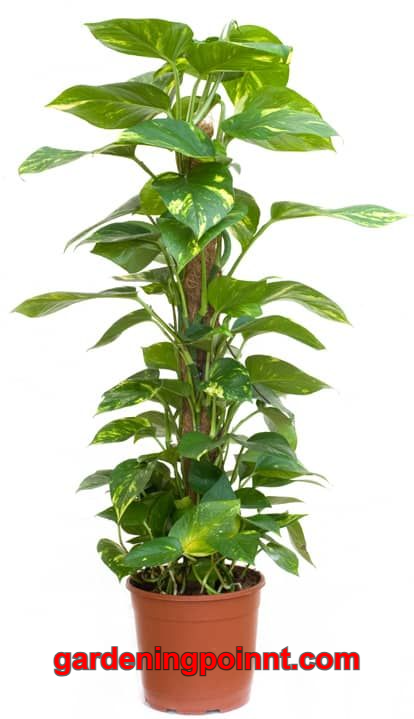
- Pothos (Epipremnum aureum) — trailing vine that grows in almost any light and roots easily in water.
- Cast iron plant (Aspidistra elatior) — named for its toughness, slow but reliable.
- Chinese evergreen (Aglaonema) — attractive variegated foliage that handles shade well.
Best Indoor Plants for Bright, Sunny Rooms
If you have a south or west-facing window, you can grow things that struggle elsewhere.
- Fiddle leaf fig (Ficus lyrata) — dramatic, statement-making, but fussy about being moved.
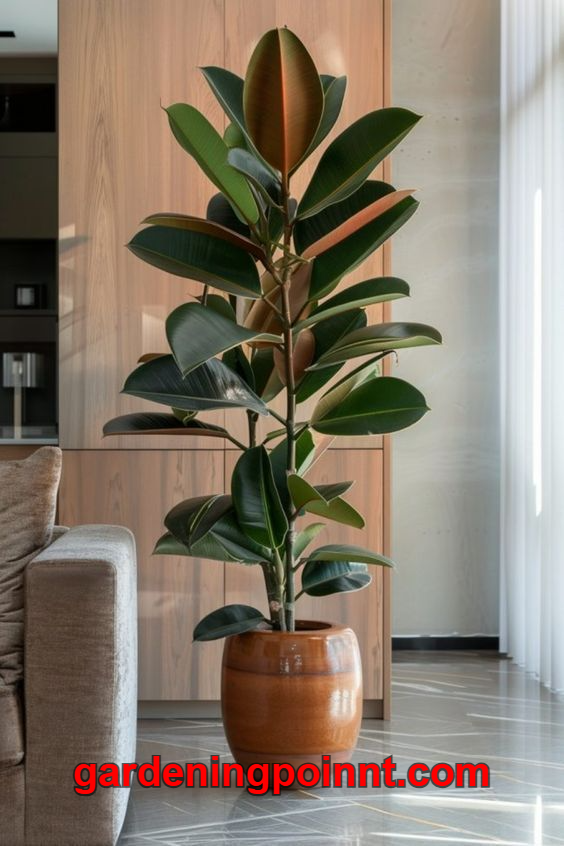
- Rubber plant (Ficus elastica) — broad burgundy or deep green leaves, more forgiving than the fiddle leaf.
- Bird of paradise (Strelitzia) — large paddle leaves that bring real height to a room.
- Succulents and cacti — need the brightest position you can offer and very little water.
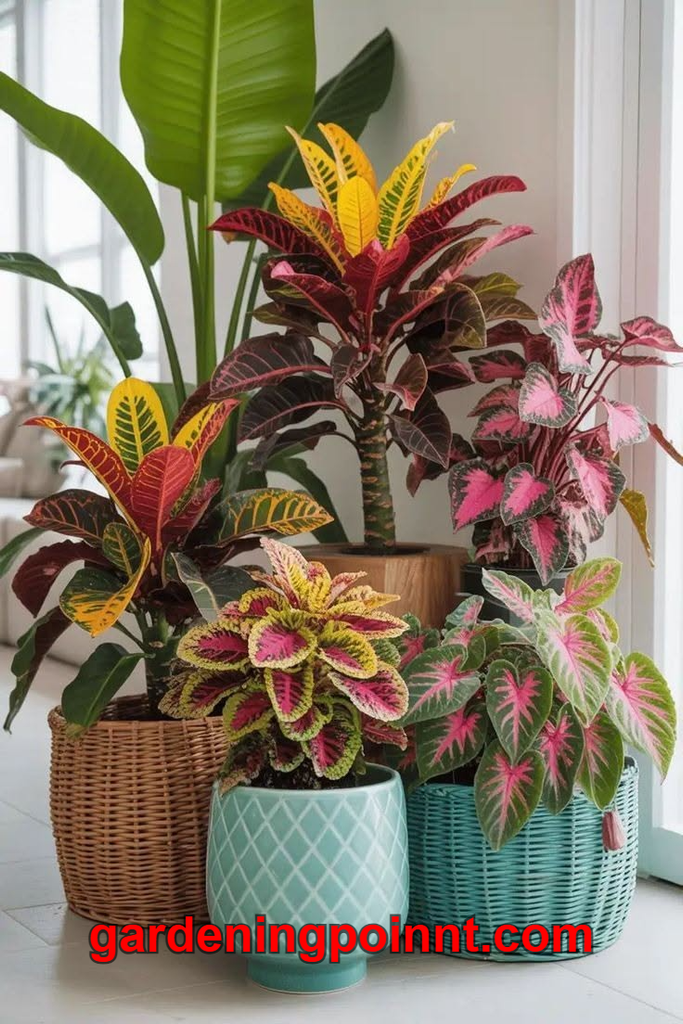
- Croton — vivid orange, red and yellow foliage that only colors up in strong light.
Best Indoor Plants for Absolute Beginners
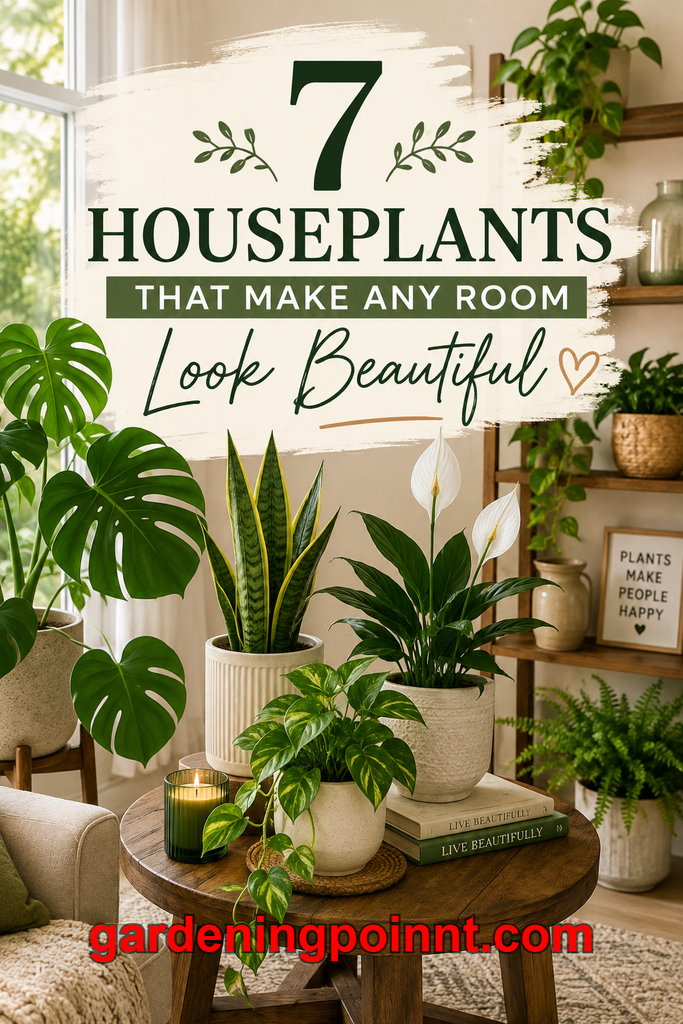
Start here if you have killed plants before and want a win.
- Pothos — forgiving of missed waterings and visibly droops to tell you it is thirsty.
- Spider plant (Chlorophytum comosum) — fast-growing and produces baby plantlets you can pot up.
- Snake plant — the plant most likely to survive a two-week holiday.
- Philodendron heartleaf — vining, adaptable, and hard to overwater if the pot drains.
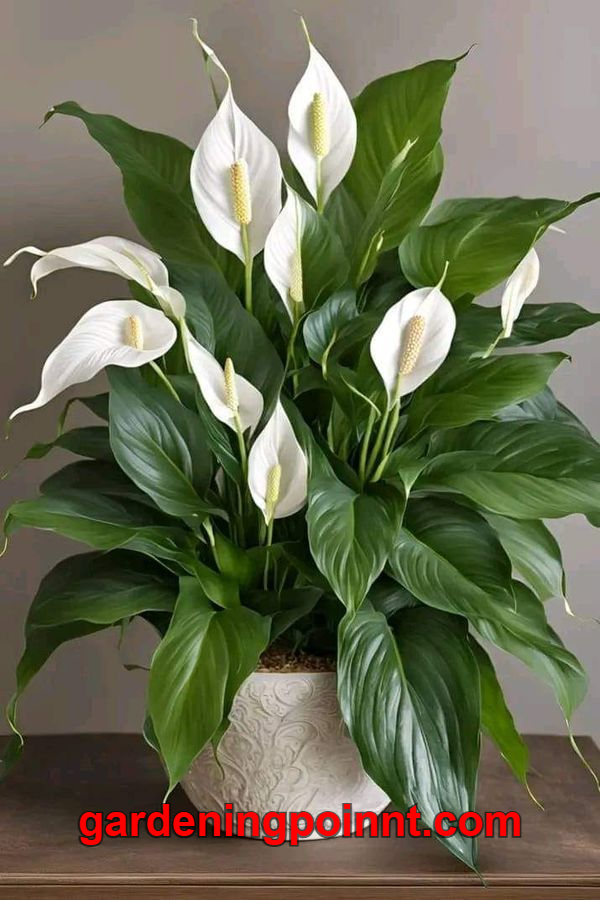
- Peace lily (Spathiphyllum) — dramatically wilts when dry and recovers within hours of watering, making it an excellent teacher.
Pet-Friendly Indoor Plants
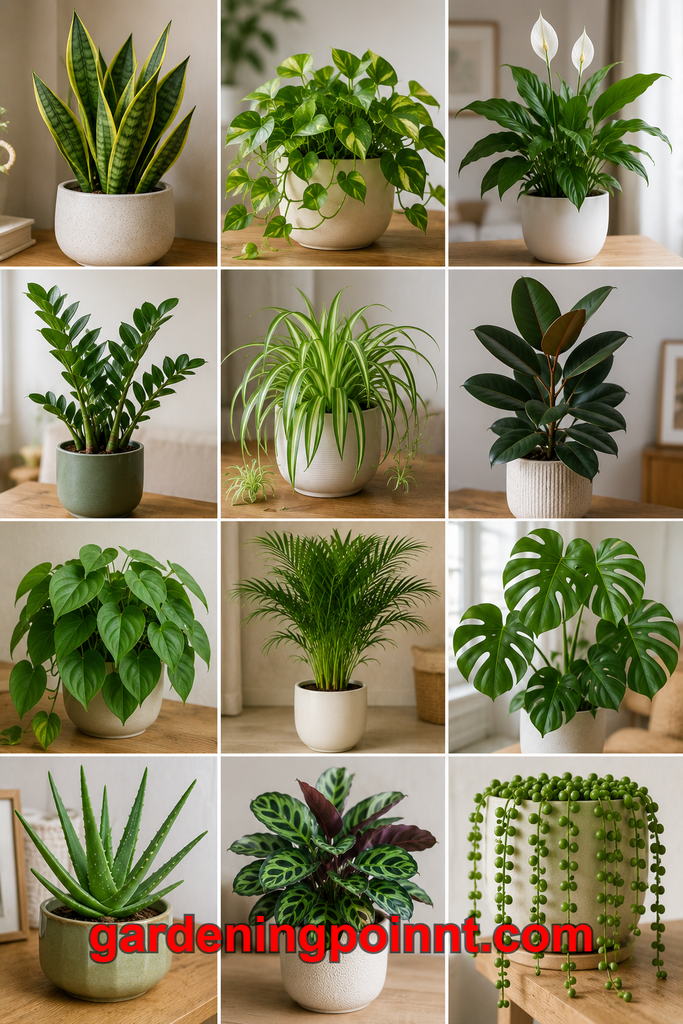
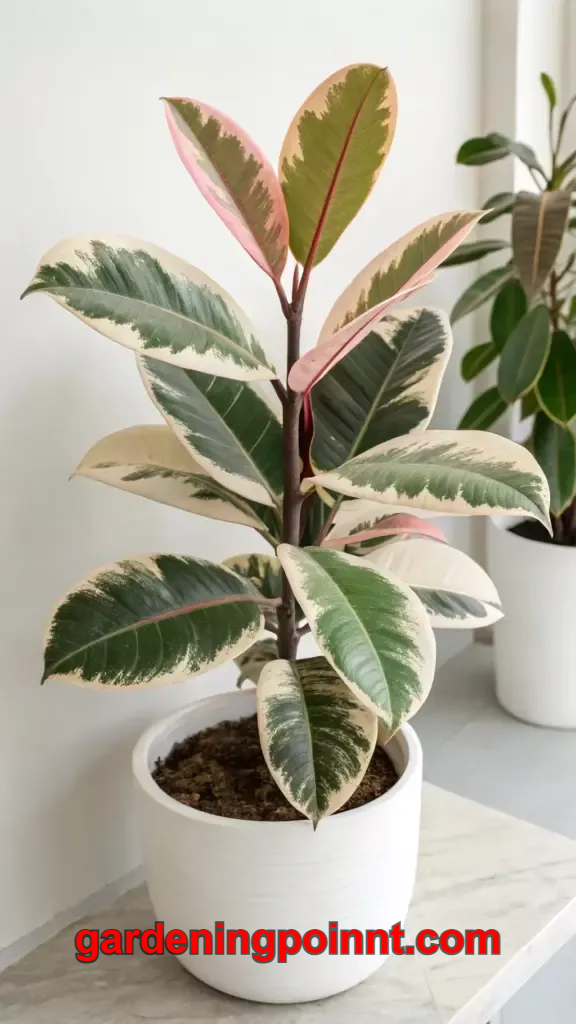
Many popular houseplants — pothos, philodendron, peace lily, dieffenbachia, sago palm — are toxic to cats and dogs if chewed. If your pet is a nibbler, choose from this list instead:
- Spider plant
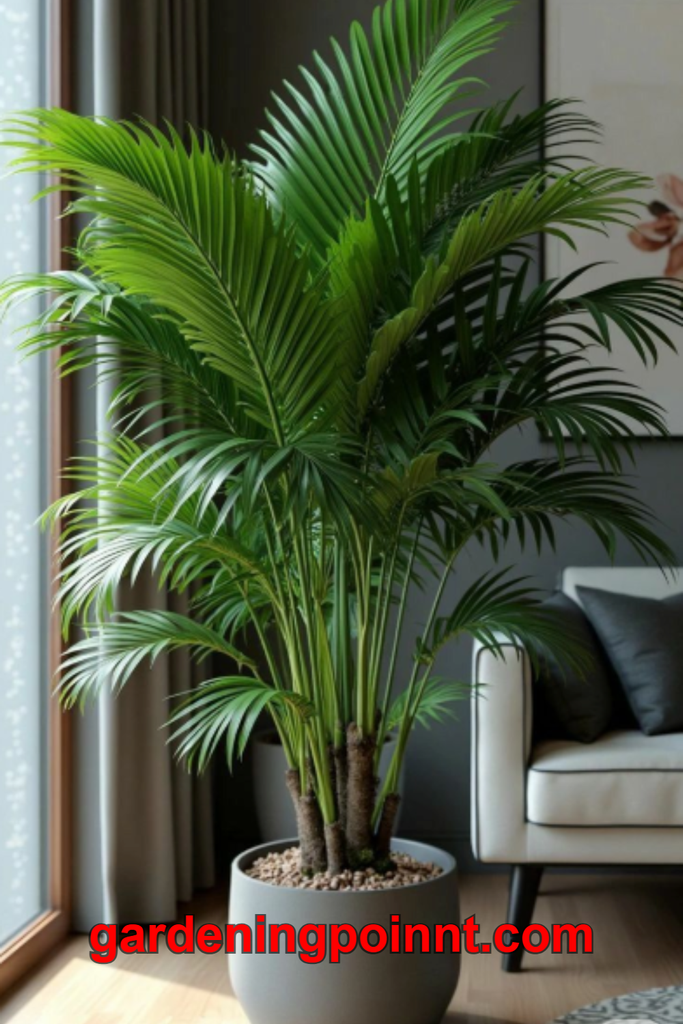
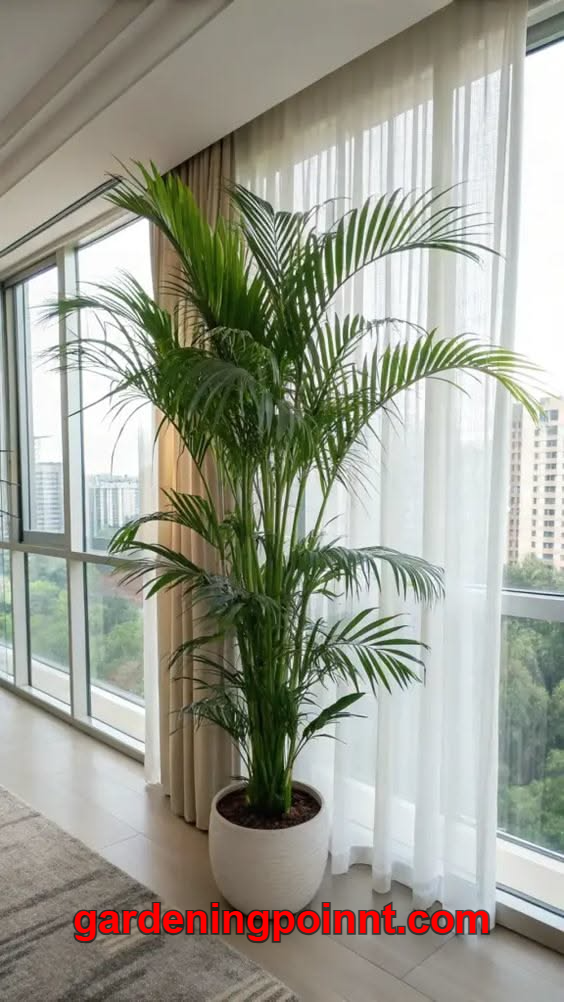
- Areca palm
- Parlor palm (Chamaedorea elegans)
- Calathea and maranta (prayer plants)
- Boston fern
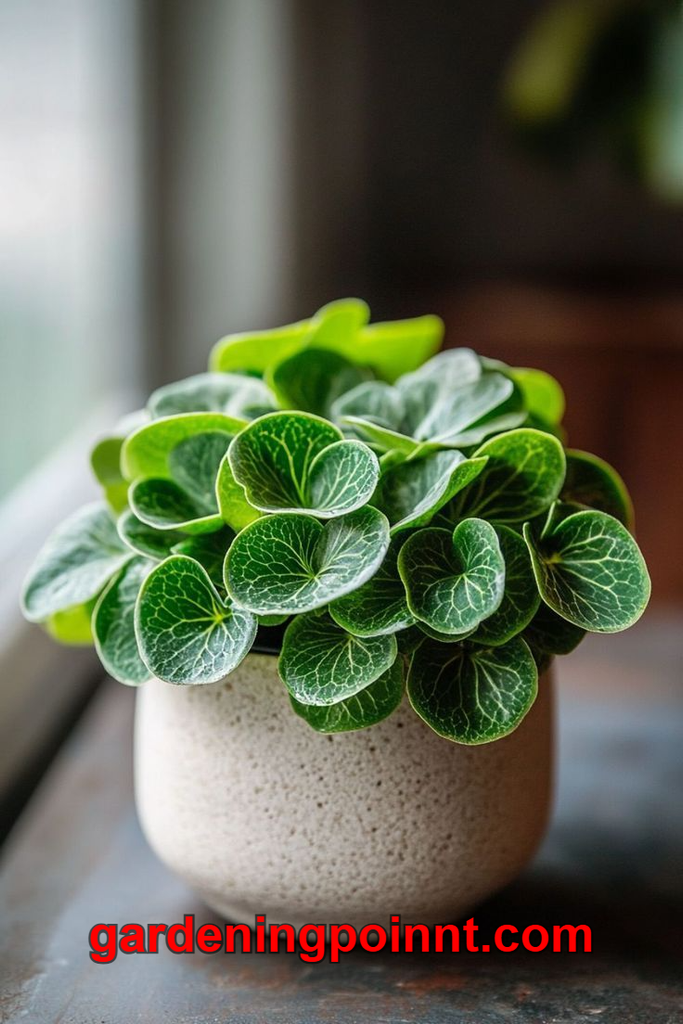
- Peperomia
- African violet
When in doubt, check the ASPCA’s toxic plant database before buying.
Best Indoor Plants for Bedrooms
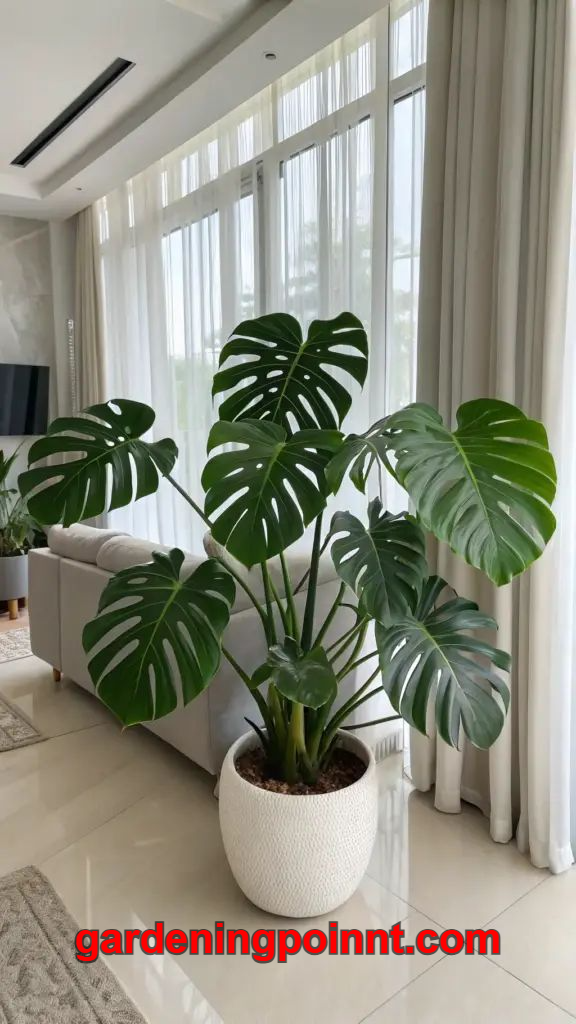
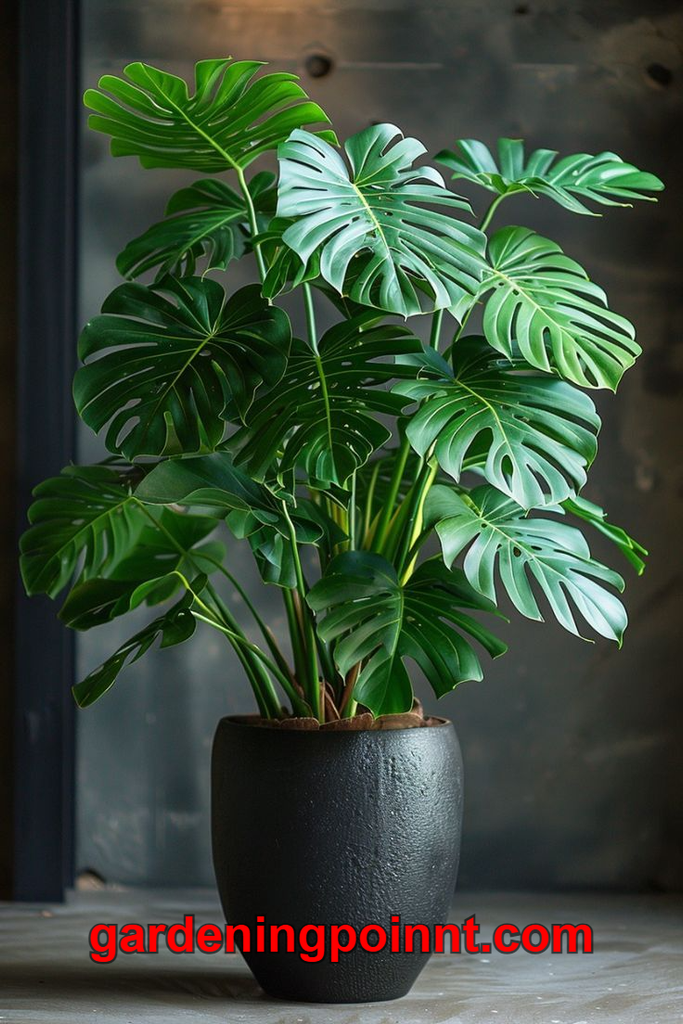
Bedrooms usually have moderate light and moderate humidity, which suits a wide range of plants. Snake plants are the classic choice because they continue releasing oxygen at night through CAM photosynthesis. Pothos trailing from a shelf, a small monstera in a corner, or a peace lily on a dresser all work well. Keep pots away from where you sleep if you are sensitive to mold in damp soil, and avoid heavily perfumed flowering plants.
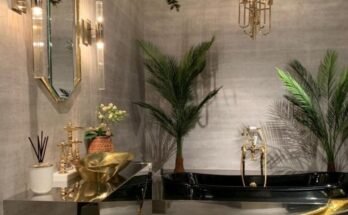
Best Indoor Plants for Bathrooms and Kitchens
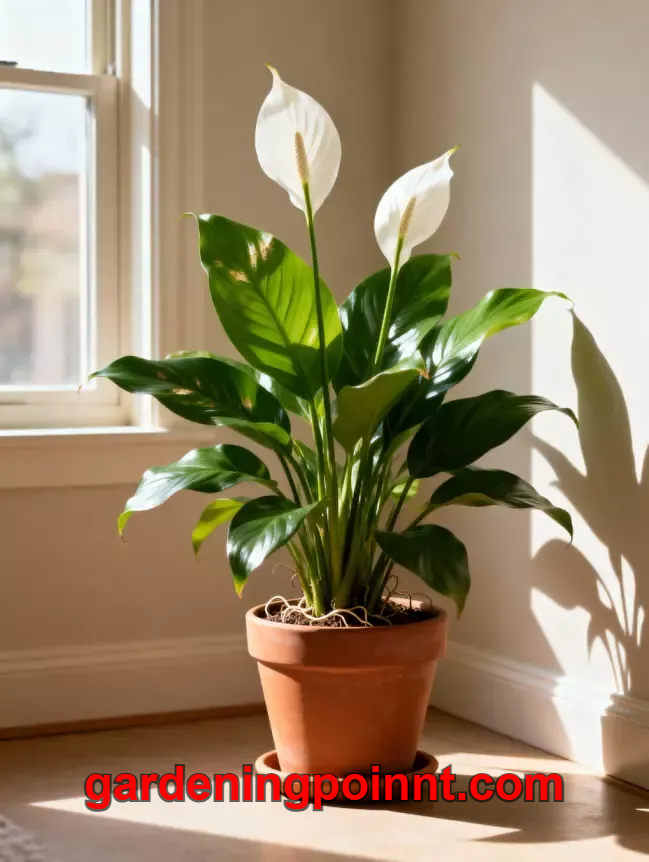
Bathrooms offer something rare in a home: consistent humidity. If yours has a window, it is prime real estate for tropical plants that struggle elsewhere.
- Ferns — Boston, maidenhair and bird’s nest ferns all love steam.
- Calathea — notoriously humidity-hungry, and much happier here than in a dry living room.
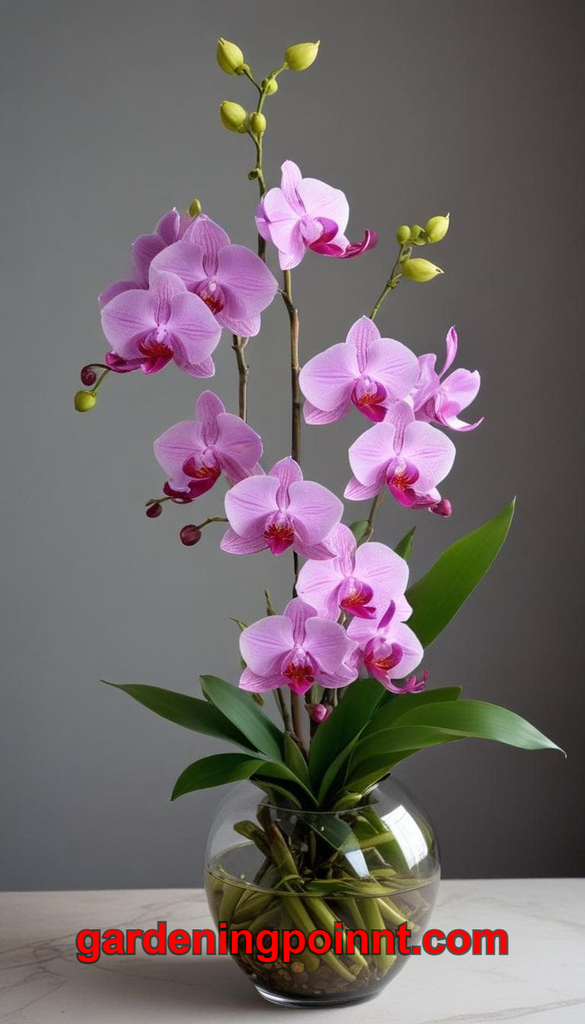
- Orchids (Phalaenopsis) — thrive in the warmth and moisture of a bathroom.
- Pothos — again, because it grows almost anywhere.
Kitchens are warm and often bright. They are also the natural home for a small herb setup: basil, mint, thyme and chives on a sunny sill.
Watering Indoor Plants the Right Way
More houseplants die from overwatering than from anything else. Roots need oxygen as well as moisture; soil that stays saturated suffocates them and invites root rot.
Check Before You Water
Push a finger two to three centimeters into the soil. If it feels damp, wait. If it feels dry, water. This single habit will save more plants than any watering schedule ever will.
Water Thoroughly, Then Let It Drain
When you do water, water properly. Pour until liquid runs freely from the drainage hole, then let the pot drain completely and empty the saucer. Light, frequent sips encourage shallow roots and leave the lower root ball bone dry.
Adjust for the Season
Plants grow actively in spring and summer and slow down in autumn and winter. A plant that needs water weekly in July might need it every three weeks in January. Watering on autopilot through winter is a very common way to lose a plant.
Water Quality
Most plants are fine with tap water. Sensitive species — calathea, maranta, dracaena, spider plants — can show brown leaf tips from fluoride and chlorine. Leaving water out overnight or using filtered or rainwater helps.
Soil and Potting Mix Basics
Garden soil is the wrong choice for containers. It compacts, drains poorly and can carry pests. Use a proper potting mix and adapt it to the plant:
- General tropical plants: standard potting mix with a handful of perlite for aeration.
- Aroids (monstera, philodendron, pothos): chunky mix with orchid bark, perlite and coco coir.
- Succulents and cacti: gritty, fast-draining cactus mix with added coarse sand.
- African violets and ferns: lighter, moisture-retentive mix.
Refreshing the top few centimeters of soil annually keeps nutrients available without a full repot.
Choosing the Right Pot and Drainage
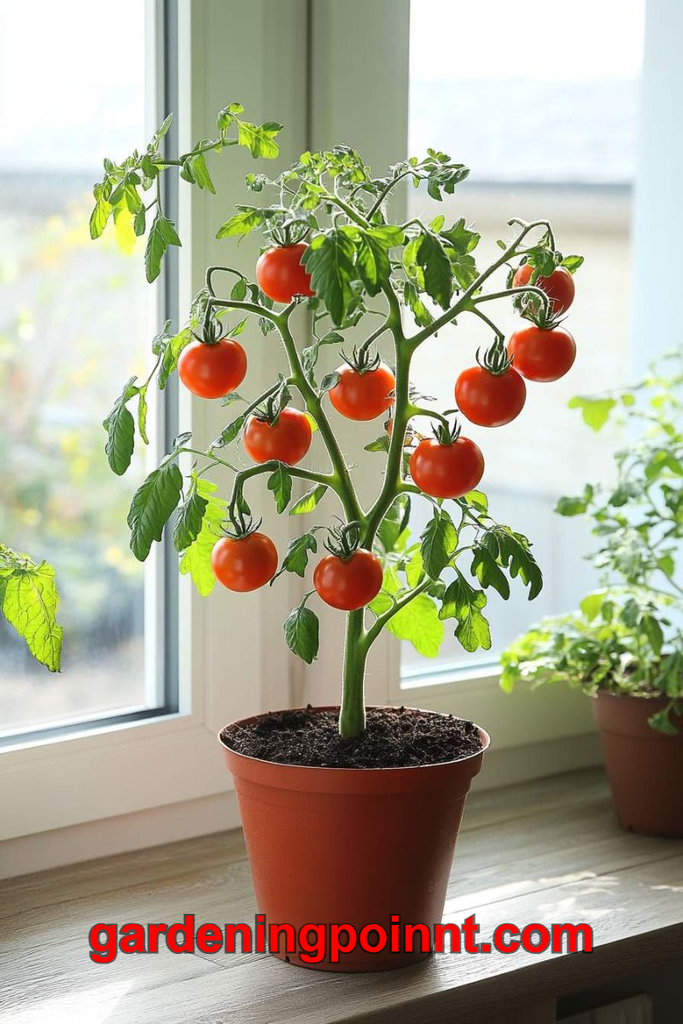
The pot matters more than most people expect.
Drainage holes are non-negotiable. Decorative pots without holes are fine as outer covers — keep the plant in a plastic nursery pot inside and lift it out to water.
Terracotta is porous and pulls moisture out of the soil, which suits succulents, snake plants and anyone who tends to overwater.
Glazed ceramic and plastic hold moisture longer, which suits ferns, calatheas and anyone who forgets to water.
Size matters. Go up only two to four centimeters in diameter when repotting. An oversized pot holds more wet soil than the roots can use, which is a fast route to rot.
Fertilizing Indoor Plants
Potting mix runs out of nutrients within a few months. Feeding replaces them, but restraint is key.
Use a balanced liquid fertilizer (something like 10-10-10 or 20-20-20) diluted to half the recommended strength. Feed every two to four weeks during spring and summer, and stop almost entirely in autumn and winter when growth slows. Never fertilize bone-dry soil — water first, then feed, to avoid burning the roots.
Signs of overfeeding include a white crust on the soil surface, brown leaf edges and sudden leaf drop. If you see them, flush the pot with plenty of water and hold off for a month.
Humidity and Temperature
Most houseplants originate in the tropics and prefer humidity between 50 and 60 percent. Heated homes in winter can drop below 30 percent.
Ways to raise humidity that actually work:
- Group plants together so they create a shared microclimate.
- Use a pebble tray — a shallow dish of water and stones beneath the pot.
- Run a small humidifier nearby, which is by far the most effective method.
Misting looks appealing but raises humidity for only a few minutes and can encourage fungal spots on leaves.
On temperature: keep plants between 18 and 27°C, and away from radiators, air conditioning vents and drafty doors. Sudden temperature swings cause more leaf drop than a steadily cool room ever will.
When and How to Repot
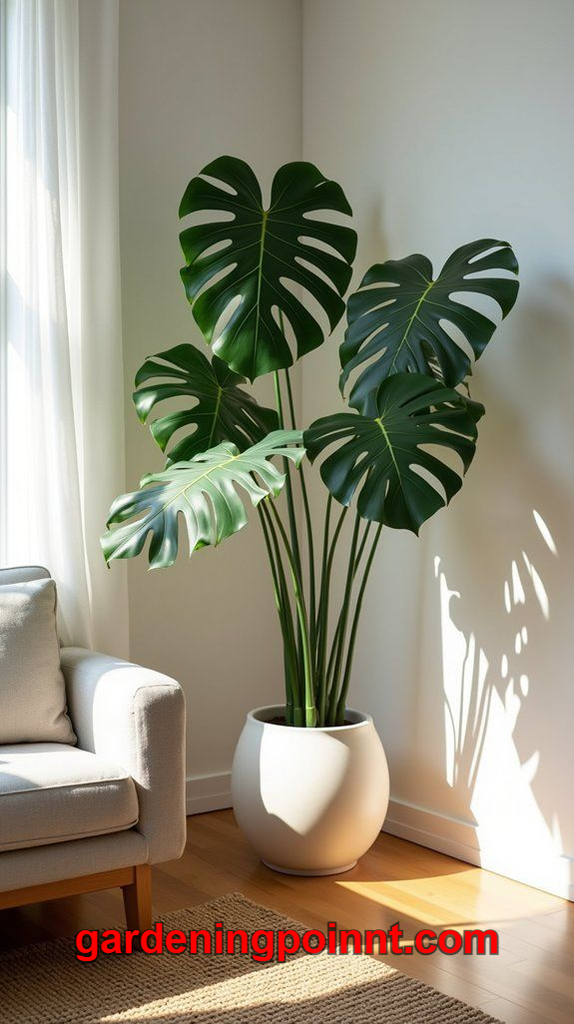
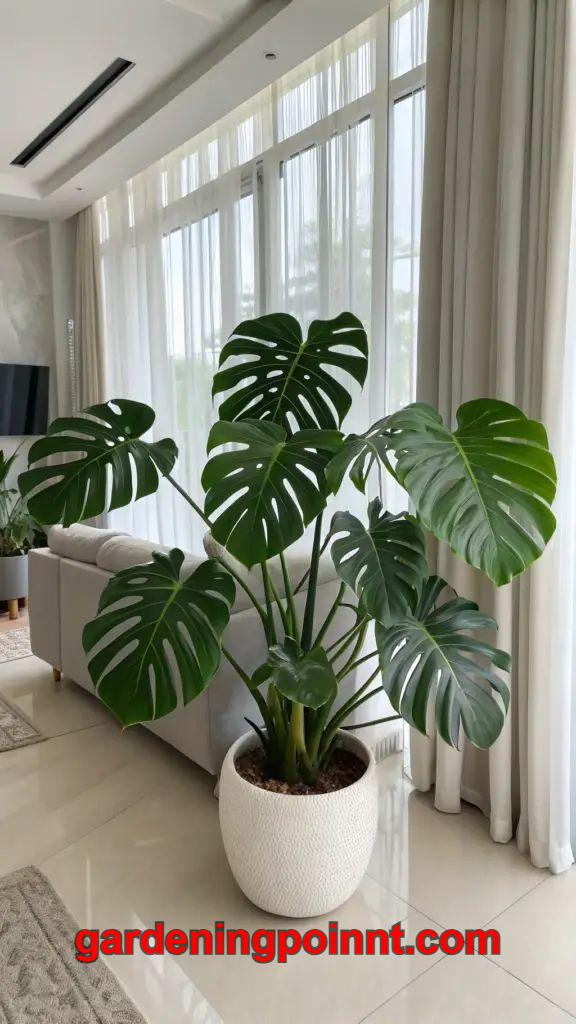
Repot when roots emerge from the drainage holes, water runs straight through without absorbing, growth stalls despite good care, or the plant becomes top-heavy. Early spring is the ideal moment, just as growth resumes.
The process is simple: water the plant a day before, slide it out, gently loosen circling roots, trim anything black or mushy, set it in a slightly larger pot with fresh mix at the same depth as before, and water thoroughly. Expect a week or two of sulking afterwards — that is normal.
Pruning, Cleaning and General Maintenance
Dust is an underrated problem. A layer of it physically blocks light from reaching the leaf surface. Wipe broad leaves with a damp cloth every few weeks, or give the whole plant a lukewarm shower.
Prune yellowing or damaged leaves at the base with clean scissors. On vining plants, cutting just above a node encourages branching and creates a fuller shape rather than long bare stems. Rotate pots a quarter turn each week so growth stays even instead of leaning toward the window.
Common Indoor Plant Problems and How to Fix Them
Yellowing lower leaves — usually overwatering. Check that the soil is drying between waterings and that the pot drains.
Brown, crispy leaf tips — low humidity, underwatering, or mineral buildup from tap water.
Drooping leaves — could be either extreme. Feel the soil before acting; dry soil means thirst, soggy soil means root rot.
Leggy, stretched growth — insufficient light. Move the plant closer to a window or add a grow light.
Sudden leaf drop — a change in environment: a move, a draft, or a temperature shock. Stabilize conditions and wait.
White crust on soil — mineral or fertilizer buildup. Flush thoroughly with water.
Common Pests and Natural Treatments
Spider mites — fine webbing and speckled leaves; they thrive in dry air. Raise humidity and spray with insecticidal soap or neem oil.
Mealybugs — white cottony clusters in leaf joints. Dab with a cotton swab dipped in rubbing alcohol, then treat with neem.
Fungus gnats — small flies around the soil, caused by constantly damp topsoil. Let the surface dry out and use yellow sticky traps.
Scale — small brown bumps on stems. Scrape off gently and treat with neem oil.
Aphids — clustered on new growth. Rinse off with water and follow up with insecticidal soap.
Always isolate a new plant for two weeks before introducing it to your collection. It is the single most effective pest-prevention habit there is.
How to Propagate Indoor Plants for Free
Propagation is how a collection grows without a budget.
Stem cuttings in water work for pothos, philodendron, monstera and tradescantia. Cut just below a node, place in water, change the water weekly, and pot up once roots reach a few centimeters.
Division suits snake plants, peace lilies, spider plants and calatheas — simply separate the root clump into sections, each with its own roots and shoots.
Leaf cuttings work for succulents, ZZ plants and African violets, though they are slower.
Plantlets on spider plants can be pinned into a neighboring pot while still attached and cut free once rooted.
A Simple Seasonal Care Calendar
Spring: repot, resume fertilizing, take cuttings, increase watering as growth restarts.
Summer: water most frequently, watch for pests, shield plants from scorching midday sun through glass.
Autumn: taper feeding, reduce watering, move plants closer to windows as daylight shortens.
Winter: water sparingly, stop fertilizing, keep plants away from heaters and cold glass, and accept that growth will pause.
Styling Indoor Plants in Your Home
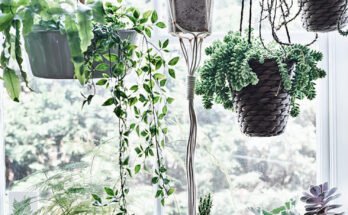
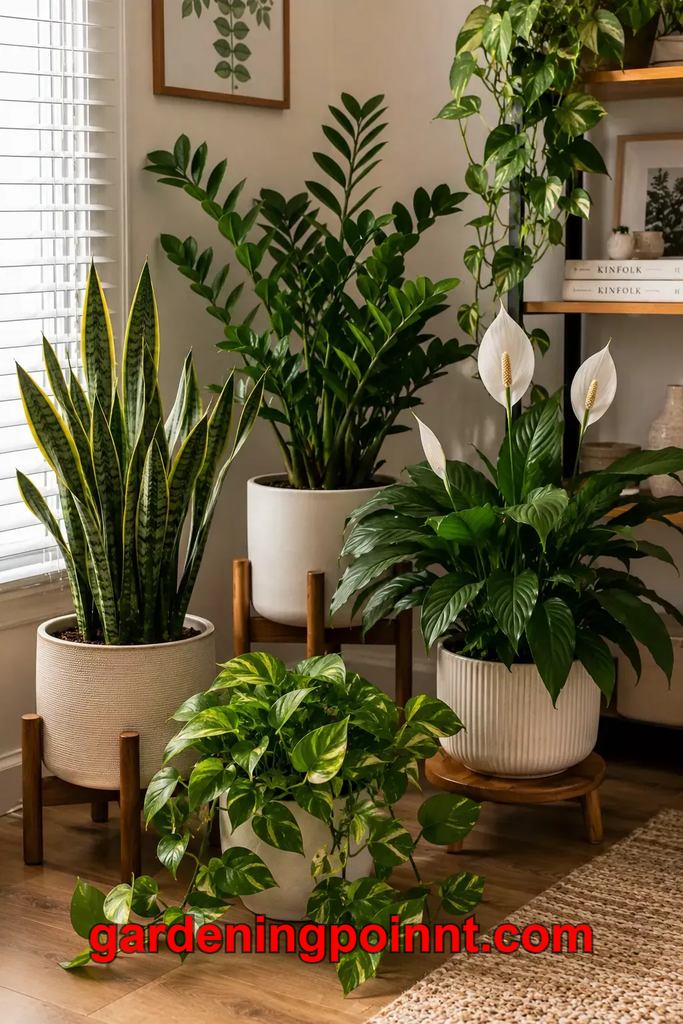
Design your greenery with the same logic you would use for furniture. Vary height — a tall floor plant, a mid-height plant on a stool, trailing plants on a shelf. Group in odd numbers, which reads as more natural than pairs. Repeat one or two pot materials throughout a room so the collection looks curated rather than accidental. And use a large plant to anchor an empty corner instead of scattering small pots across every surface.
Mistakes to Avoid
- Watering on a fixed schedule instead of checking the soil.
- Buying a plant for a spot that cannot support its light needs.
- Using pots without drainage holes.
- Repotting into a container that is far too large.
- Fertilizing through winter.
- Skipping quarantine for new plants.
- Reacting to every small change instead of giving the plant time to adjust.
Frequently Asked Questions
How often should I water indoor plants? There is no universal answer. Check the top two to three centimeters of soil and water only when it feels dry. For most plants this works out to every 7 to 14 days in summer and considerably less in winter.
Which indoor plant is hardest to kill? The snake plant, followed closely by the ZZ plant. Both tolerate low light, irregular watering and general neglect.
Can indoor plants grow without any natural light? Not indefinitely. A full-spectrum LED grow light running 10 to 12 hours a day can replace a window entirely in a windowless room.
Why are my plant’s leaves turning yellow? Most often overwatering. Check drainage and let the soil dry more between waterings before looking for other causes.
How many plants do I need to purify a room’s air? Far more than is practical — studies suggest dozens per room to match the effect of opening a window. Enjoy plants for how they look and feel, not as air filters.
Final Thoughts
Indoor plants reward attention rather than effort. Choose species that suit the light you actually have, check the soil before you reach for the watering can, and give plants time to adjust before you intervene. Start with two or three easy plants — a pothos, a snake plant, a spider plant — and learn their rhythms before expanding.
Do that, and within a year you will not be reading care guides anymore. You will just look at a plant and know what it needs.